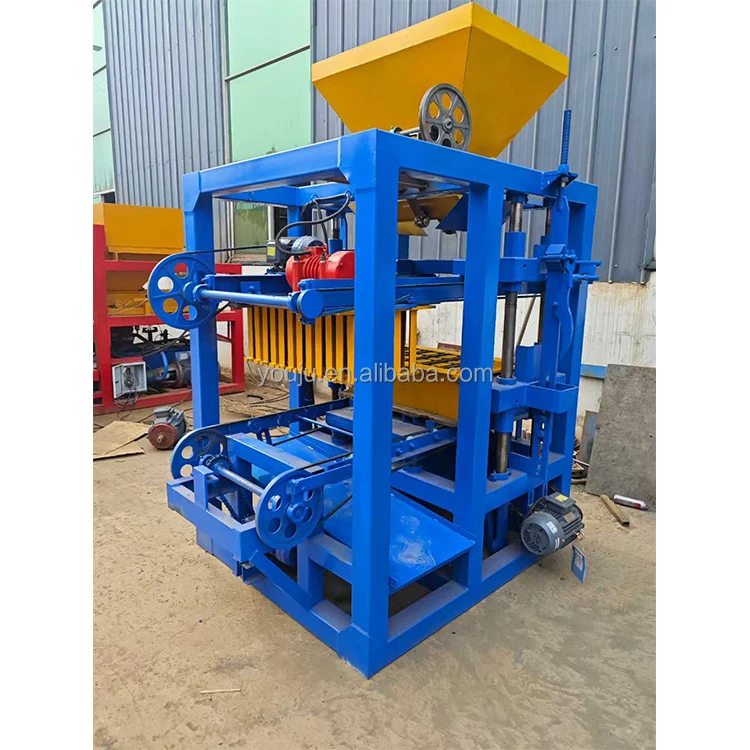
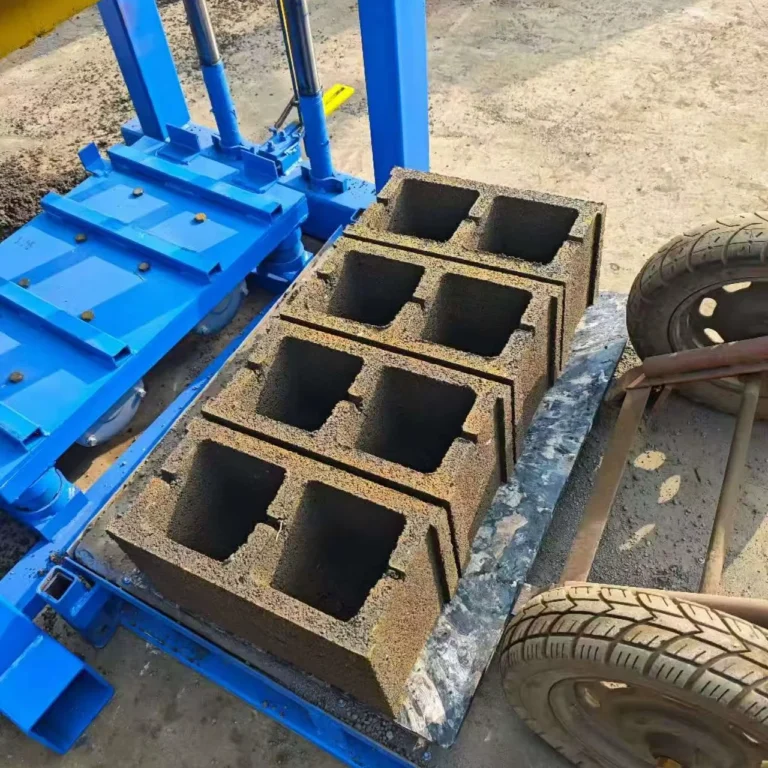
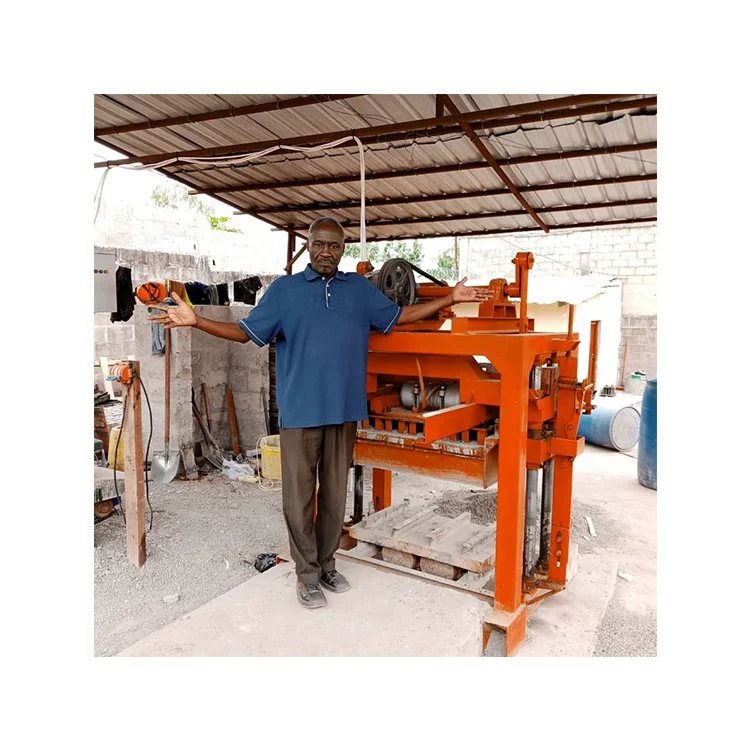
Matched System Spec — The QTF3-20 stationary block machine is configured as a coordinated press, mould, and pallet package rather than a standalone unit pulled from a catalogue default.
Technical Specifications
| Parameter |
Value |
| Model |
QTF3-20 |
| Product Type |
Stationary Hydraulic Block Making Machine |
| Overall Dimensions (L×W×H) |
4000×3500×2300 mm |
| Net Weight |
2870 kg |
| Total Power |
17.5 kW |
| Control System |
Semi-Automatic (PLC with electricity box, hydraulic station) |
| Vibration Form |
Platform Vibration |
| Output Capacity |
4320 pcs/day (basis not stated in source — confirm block format / material / thickness) |
| Hydraulic System |
Yes (hydraulic station) |
| Layer Configuration |
Double layer (raw material and color surface material) |
| Line Configuration |
Host machine, material feeder, color feeder, pallet feeder, block conveyor, hydraulic station, electricity box |
| Electrical & Hydraulic Components |
Sourced from Germany or Chinese famous brands (source value — verify against manufacturer catalog) |
| Proximity Switch |
No-contact proximity switch for monitoring |
| Voltage & Frequency |
Configurable to local grid (to be confirmed before production) |
| PLC Display Language |
Configurable (to be confirmed before production) |
| Automation Level |
Semi-Automatic |
Application Suitability
| Application |
Material or Output |
| Hollow block production |
Cement, sand, coarse aggregate, slag |
| Solid standard brick manufacturing |
Cement, fly ash, sand |
| Interlock brick for landscaping |
Crushed stone, cement, color pigment |
| Color paving brick |
Base mix with color surface layer via double feeder |
| Park grass brick |
Coarse aggregate, cement |
| Porous brick |
Fly ash, cement, specific aggregate grading |
What the 4320 Pieces Per Day Figure Actually Means
Capacity is meaningless without the block format it assumes.
The QTF3-20 stationary block machine manufacturer rating of 4320 pieces per day appears in many spec sheets, but that number shifts dramatically depending on whether you are pressing standard solid bricks or large hollow blocks. A buyer who plans production around the higher figure only to run hollow blocks will find daily output falling far short of projections. This mismatch is one of the most common reasons first-time plant operators feel misled after commissioning [NEED_CITE: block format impact on cycle time and daily output].

Where the QTF3-20 Sits in the Full Machine Range
The QTF3-20 occupies the mid-tier semi-automatic position within the complete stationary block machine lineup. It is positioned above mobile egg-laying machines that produce on-site without pallets, and below fully automatic lines with robotic stacking and cubing. For a buyer evaluating investment levels, this model offers format flexibility through interchangeable moulds without requiring the higher capital outlay and larger plant footprint of a fully automated system. The semi-automatic architecture means pallet handling and stacking still involve manual labour, keeping the initial equipment cost contained while leaving room to add automation stations later.
The Range Progression and Investment Tiers
Moving up from the QTF3-20 toward higher-output automatic models involves stepping through progressively larger press frames, heavier vibration tables, and more extensive supporting equipment. A fully automatic line adds automatic pallet feeders, stacking robots, and curing rack handling systems that the QTF3-20 does not include as standard. Buyers comparing tiers should consider not just the press price but the total line cost, including mixers, conveyors, and pallet inventory. The QTF3-20 allows entry into stationary production with a manageable footprint and the option to expand the line as market demand grows [NEED_CITE: block plant investment tiers and automation progression].
Reading the Specs That Actually Matter
Platform vibration paired with a hydraulic station determines how densely the mix is compacted into the mould, which directly affects block strength and surface finish. The double-layer feeding system means the QTF3-20 can produce color pavers by laying a pigmented surface layer over the base mix, expanding the product range beyond grey structural blocks. The 17.5 kW total power requirement dictates the electrical supply specification and must be confirmed against the site’s available capacity before ordering. Pallet size is not stated in the source specs, and this dimension must match both the mould cavity layout and the curing area forklift the buyer already has on site.
What Happens When Configuration Is Skipped
Ordering a stationary block machine without confirming the vibration force and hydraulic pressure matched to your local aggregate often results in blocks that crumble at the edges or fail compressive strength tests. A machine set up for a mix design the buyer cannot source locally forces an expensive material change or produces inconsistent output from day one. Pallet handling and stacking left out of the quotation means output piles up at the press exit with no systematic way to move it to the curing area [NEED_CITE: common block machine configuration mismatches].
Why Buyers Source From This Range
Every QTF3-20 stationary block machine is configured against the buyer’s actual mix design and target block format rather than shipped as a catalogue default. Mould design covers the formats the buyer’s local market demands, including custom drawings for non-standard shapes. The machine, mould, pallet, and handling equipment are specified as one matched system from a single supplier, eliminating the coordination problems that arise when these components come from separate vendors. Automation level is selectable, so a buyer can start semi-automatic and upgrade individual stations as production volume grows. Installation support includes operator training so the crew understands cycle timing and mould change procedures from the first production run.
Documentation & Verification
- Line layout drawing stating which block format the capacity calculation assumes
- Machine specification sheet with confirmed hydraulic pressure and vibration force values
- Mould drawing and format list covering every block type included in the quotation
- Voltage and PLC display language confirmation document signed before production
- Factory test record with photographs of the machine running the buyer’s target format
- Wear parts and mould maintenance list with replacement intervals
Installation, Commissioning & Support
- Foundation plan sized to the 4000×3500 mm footprint and 2870 kg operating weight
- Electrical supply verified against the 17.5 kW total power and confirmed voltage specification
- Machine arrives as separate stations requiring on-site assembly and alignment of conveyor to host
- Commissioning includes hydraulic pressure and vibration force adjustment to the buyer’s mix design
- Operator training covers mould change procedure, PLC navigation, and daily maintenance checkpoints
- Spare parts list provided for hydraulic seals, proximity switches, and mould wear components
Before You Request a Quotation
To receive a meaningful capacity calculation, share your target block formats with dimensions, the daily output you need for each format, and the raw materials available locally including aggregate type and grading. Confirm your site’s voltage, frequency, and the language your operators need on the PLC display. If you already have a mixer or conveyor on site, provide those specifications so the line layout can integrate existing equipment rather than duplicate it.
Frequently Asked Questions
Q: How is the 4320 pcs/day capacity calculated, and which block format does it assume?
A: That figure requires confirmation of the specific block format, mix design, and shift length before it can be validated for your project. A standard solid brick and a large hollow block produce very different daily totals on the same press. We provide a capacity calculation that states the assumed format and cycle time so you can plan accurately.
Q: Where does the QTF3-20 sit in your full machine range compared to higher-output automatic models?
A: It sits in the mid-tier semi-automatic segment, above mobile machines and below fully automatic lines with robotic stacking. It suits buyers who want stationary production with format flexibility but do not yet need the throughput or capital outlay of a high-capacity automatic system.
Q: Can I start with the semi-automatic QTF3-20 and upgrade automation later?
A: Yes. The line is modular, so stations like automatic pallet feeding or stacking can be added as production volume grows. Starting semi-automatic keeps initial investment lower while preserving the upgrade path toward higher automation when demand justifies it.
Q: What plant footprint and supporting equipment do I need alongside the QTF3-20?
A: The host machine occupies 4000×3500 mm, but the complete line including mixer, conveyor, and curing area requires more space. You also need a pallet inventory, a forklift matched to the pallet size, and a covered curing zone. We provide a line layout drawing showing the full footprint before you commit.
Q: What voltage and control language options are available for my market?
A: Voltage and frequency are configured to your local grid standard, and the PLC display language is set to your preference before production begins. Both must be confirmed in writing during the ordering stage to avoid commissioning delays when the machine arrives on site.

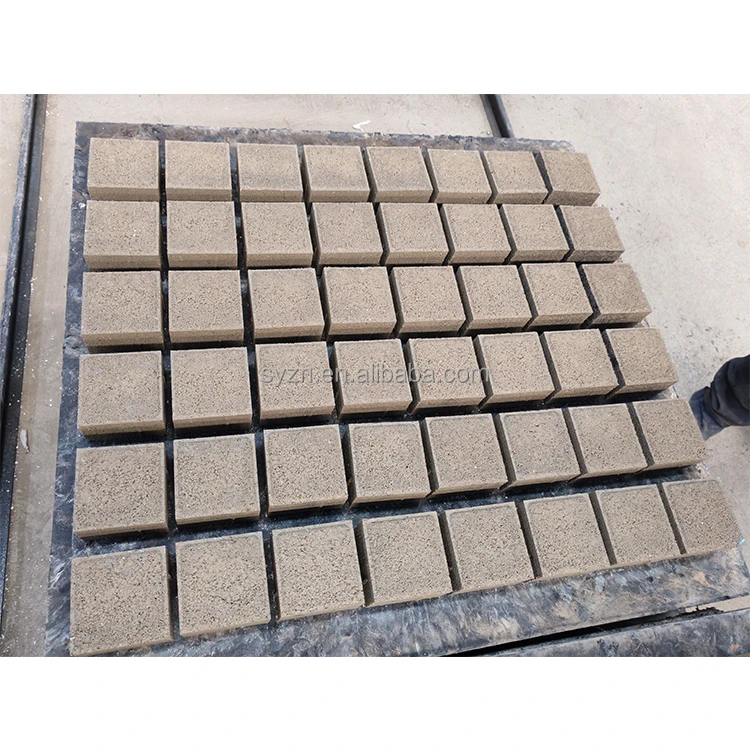
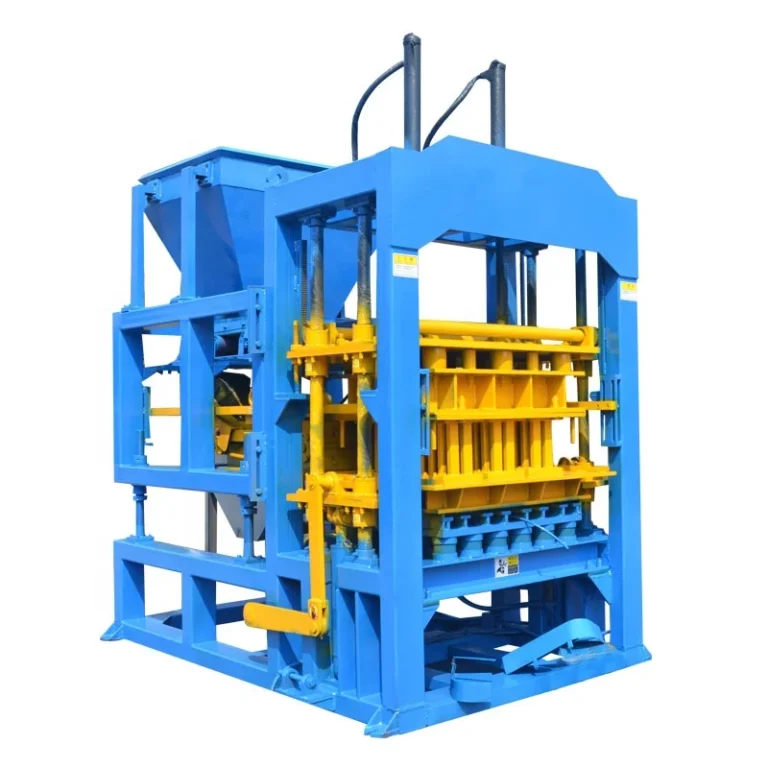 Stationary block machine