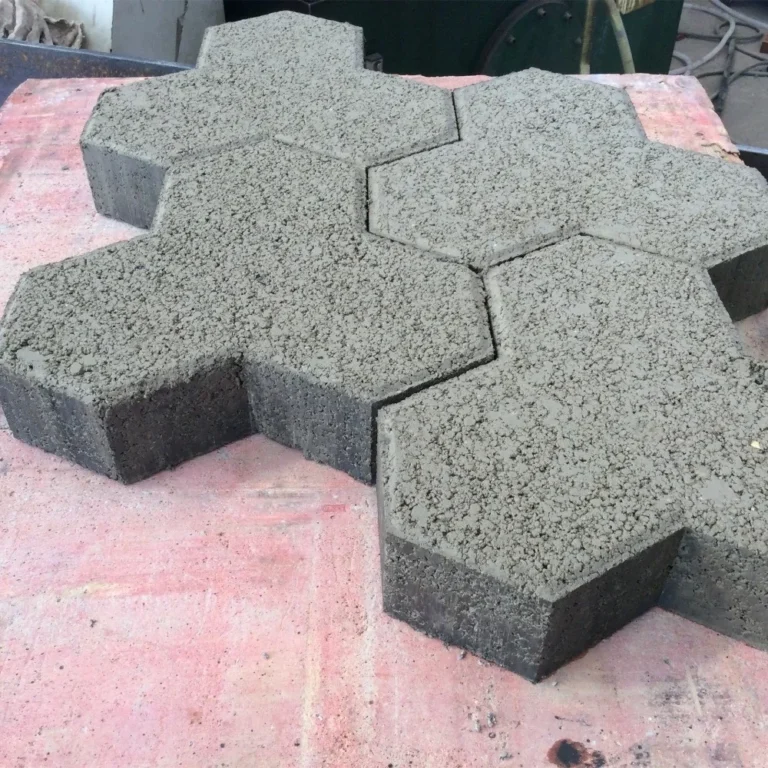
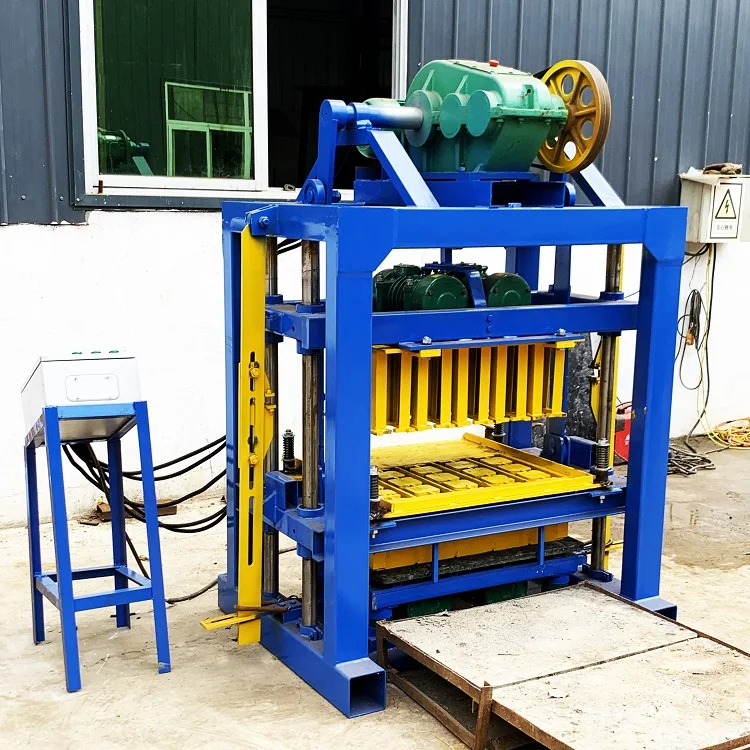
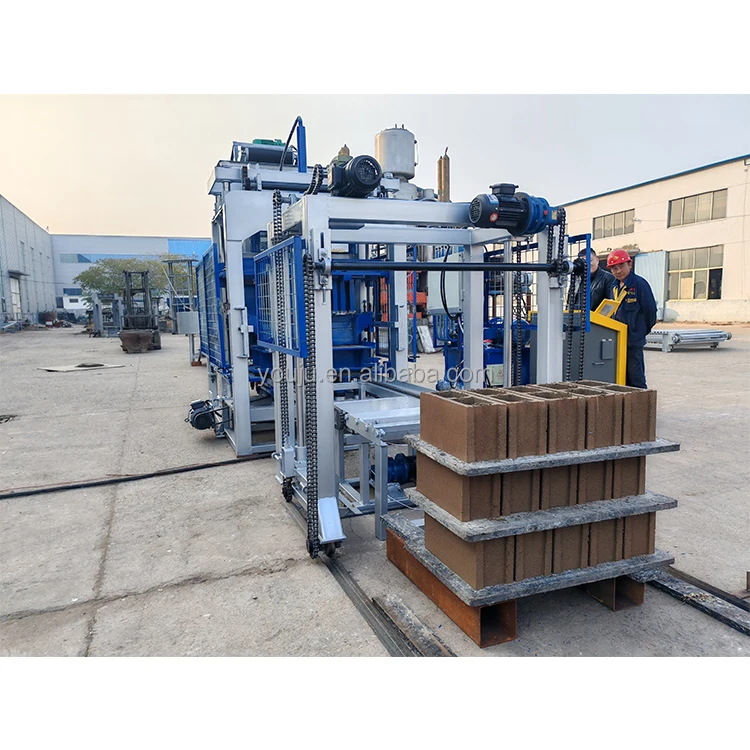
Semi-Automatic Block Forming — The QTJ4-24 occupies a defined position within our stationary range, letting buyers compare its mechanical vibration tier against higher-output automatic lines before committing capital.
Technical Specifications
| Parameter |
Value |
| Model |
QTJ4-24 |
| Product Type |
Semi-Automatic Cement Block Making Machine |
| Overall Dimensions (L×W×H) |
3600 × 1700 × 2560 mm |
| Pallet Size |
850 × 450 mm |
| Molding Cycle |
24–26 s (basis not stated in source — confirm block format / material / thickness) |
| Rated Power |
11.95 kW |
| Vibration Force |
45 kN |
| Vibration System |
2 × 3 kW lower vibrators + 2 × 1.5 kW upper vibrators |
| Molding Method |
Mechanical |
| Material Distribution |
Full-automatic spiral material distribution |
| Reducer for Mold Lifting |
350-type |
| Compatible Materials |
Cement, sand, stone |
| Automation Level |
Semi-automatic |
| Net Weight |
2 T |
| Warranty |
1 year for the whole machine (excluding spare parts) |
Application Suitability
| Application |
Material or Output |
| Hollow block production for single-story and low-rise masonry walls |
Cement blended with locally sourced river sand or crushed stone |
| Solid concrete block manufacturing for load-bearing structures |
Cement, sand, and graded aggregate mixes |
| Interlocking brick forming for paving and landscaping |
Fine sand and cement with pigment additives where required |
| On-site block production for construction contractors |
Available site aggregate combined with bagged cement |
| Small-scale paving brick runs for building material distributors |
Crusher dust, sand, and cement blends |
Why Cycle Time Alone Tells You Nothing About Daily Output
A quoted molding cycle means very little until you know which block format it was measured on. The QTJ4-24 cycle figure must be verified against the exact block dimensions, wall thickness, and aggregate gradation you intend to produce. Many buyers receive a single cycle time and multiply it across an eight-hour shift, only to discover that hollow blocks with thinner walls demand longer vibration, or that a denser aggregate slows the spiral feeder. This semi-automatic block machine manufacturer always pairs the cycle claim with the specific format it was measured against.
I once watched a buyer in West Africa plan an entire hiring schedule around a cycle number that assumed a solid 400×200×200 mm block — the format his market actually purchased was a 150 mm hollow block requiring different vibration duration. The real daily output fell noticeably short of his projection, and he spent the first month chasing pallet shortages and curing bottlenecks he had never planned for. [NEED_CITE: capacity verification methodology for block making machinery]

Positioning the QTJ4-24 Within the Stationary Range
The QTJ4-24 sits in the semi-automatic tier, where mechanical vibration forming meets automated spiral material distribution. Buyers stepping up from mobile egg-laying machines find this tier introduces consistent pallet-based curing without the capital outlay of a fully automatic stacking and cubing line. As a semi-automatic block machine manufacturer, we place this model against the higher tiers so buyers can see what automation level matches their current labour pool and curing area.
How the Semi-Automatic Tier Shapes Your Plant Layout
At this tier, pallet handling downstream of the press remains manual or forklift-assisted, which means the curing yard must sit adjacent to the machine. The 850 × 450 mm pallet defines how many blocks form per cycle, and that pallet size also dictates the rack spacing and forklift tine width in your curing zone. Buyers who overlook this end up moving pallets twice before curing begins. The semi-automatic block machine manufacturer approach is to map the full material flow from mixer to curing rack before the press order is confirmed. [NEED_CITE: block plant layout standards for semi-automatic lines]
Vibration, Pressure, and What the Numbers Actually Mean
The 45 kN vibration force is generated by four motors — two 3 kW units below the mould and two 1.5 kW units above — creating a dual-axis shaking action that compacts the concrete mix into the mould cavity. Mechanical molding on the QTJ4-24 relies on this vibration combined with the weight of the upper mould head rather than a hydraulic ram, which keeps the rated power at 11.95 kW but also means block density depends heavily on getting the vibration duration right for each mix. The 350-type reducer on the mould lifting mechanism handles the repeated shock loading of the upper head dropping into position, and its oversized rating relative to the lifting mass extends service intervals on a component that sees constant impact. Pallet dimensions of 850 × 450 mm limit the mould formats available on this machine, so buyers targeting large-format pavers or kerbstones should compare this tier against higher-capacity models in the range.
When the Wrong Automation Tier Costs You Every Single Shift
Choosing a fully automatic line when your curing area cannot keep up means the stacker backs up and the press idles. Choosing a tier below the QTJ4-24 when your daily volume target requires continuous pressing means operators are hand-feeding material and pulling pallets manually through an entire shift. Both mismatches show up as lost output in the first week, not as a line item on the quotation. The hidden cost is usually the second machine purchase or the overtime labour that was never budgeted. [NEED_CITE: automation tier selection criteria for block plants]
Why Buyers Source This Tier From Our Range
Block machinery is our single focus, so the QTJ4-24 arrives as a matched system — press, mould, pallet, and handling specified together rather than assembled from separate vendors. We set the vibration force and cycle duration against your actual mix design and local aggregate, not a catalogue default. Moulds are designed for the block formats your market sells, with custom drawings available when standard formats do not match. The automation level is selectable, meaning a buyer can commission the QTJ4-24 semi-automatic today and plan a future upgrade path. Installation support includes operator training on your specific block format and maintenance schedules aligned to your shift pattern.
Documentation & Verification
- Line layout showing QTJ4-24 placement with pallet flow to curing racks
- Capacity calculation stating the block format behind every cycle figure
- Vibration force and power specification sheet with motor ratings
- Mould drawing and format list for the 850 × 450 mm pallet envelope
- Voltage, frequency, and control language confirmation before production
Installation, Commissioning & Support
- Foundation pad sized to the 3600 × 1700 mm footprint with vibration isolation
- Dedicated circuit rated for the 11.95 kW total draw at confirmed voltage
- Machine shipped assembled with mould removed for container loading
- On-site commissioning includes cycle tuning for your aggregate and block format
- Operator training covers mould change procedure and daily vibration motor inspection
- Wear parts list identifies the 350-type reducer and vibrator bearings as priority spares
What We Need to Size This Machine to Your Project
Send us the block format you sell most — dimensions, wall thickness, and whether it is hollow or solid — along with the aggregate available within hauling distance of your site. Confirm your local voltage and frequency so the motor wiring and control panel match before the machine leaves our workshop. If you already have pallets or a curing rack system, share those dimensions so the 850 × 450 mm pallet specification can be cross-checked. A semi-automatic block machine manufacturer should never finalise a configuration without these inputs.
Frequently Asked Questions
Q: What output tier does the QTJ4-24 occupy, and how does it compare to the next tier up in the range?
A: The QTJ4-24 sits in the semi-automatic stationary tier with mechanical vibration and spiral feeding. The next tier up introduces hydraulic pressing and automatic pallet stacking, which increases output and reduces manual handling but demands a larger curing area and higher capital outlay. We map both tiers against your daily target and site conditions so the choice is based on actual plant flow, not catalogue claims.
Q: How is cycle time verified per block format, and what daily output can I realistically expect?
A: We run the QTJ4-24 on your exact block dimensions and mix before quoting a cycle number. A 24–26 second cycle may apply to one format but shift noticeably for a thinner-walled hollow block or a denser aggregate blend. The capacity document we provide states the format behind every figure so your daily projection holds up once production starts.
Q: What plant footprint and auxiliary equipment does this semi-automatic tier require?
A: The press itself occupies roughly 3600 × 1700 mm, but you must also plan a mixer station, pallet staging area, and a curing yard sized to hold at least one full day of output. Forklift aisle width between curing racks must match the 850 × 450 mm pallet plus turning clearance for your existing equipment.
Q: Can I start with the QTJ4-24 semi-automatic and upgrade to a higher automation tier later?
A: The semi-automatic tier is a deliberate entry point. When your market demand grows and your curing infrastructure expands, we can discuss moving to a hydraulic press with automatic stacking and cubing. The pallet size and block format knowledge gained on the QTJ4-24 carry forward into the next tier’s configuration.
Q: What voltage and frequency options are available, and how is the control language confirmed before shipment?
A: Voltage and frequency are configured to match your site supply before production begins. Control panel labels and any display language are confirmed during the order stage so there are no commissioning delays when the QTJ4-24 arrives. This confirmation is documented and included in the pre-shipment verification pack.

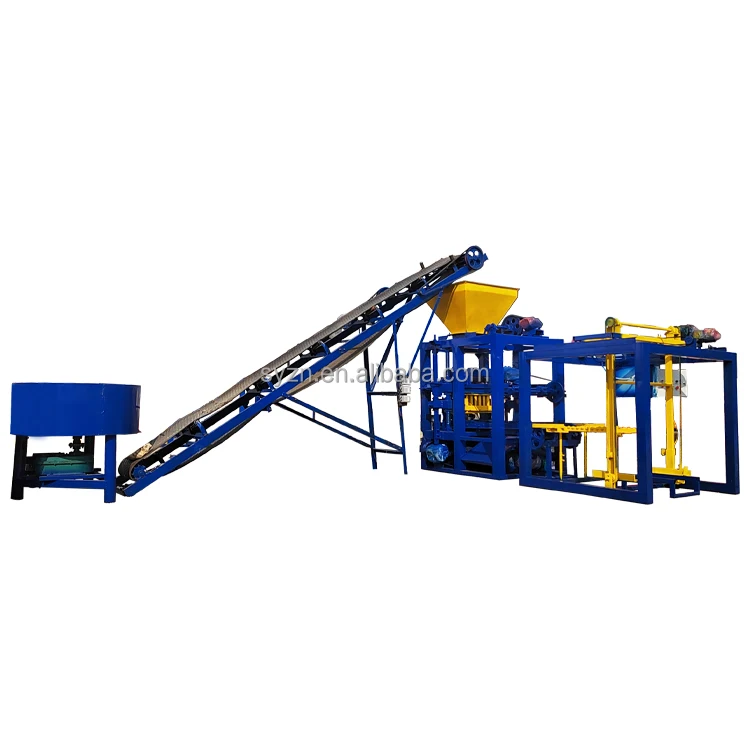
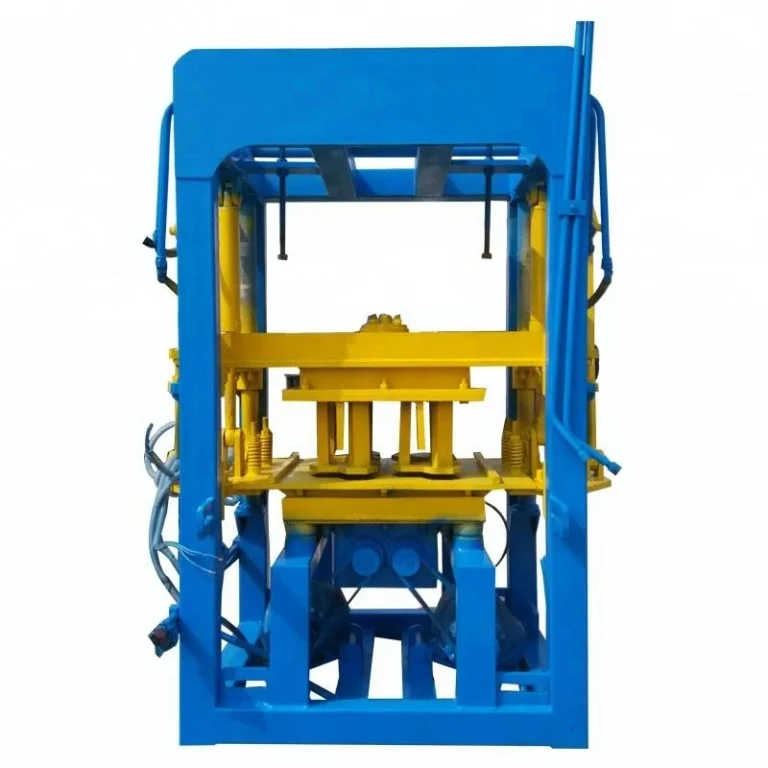 Stationary block machine