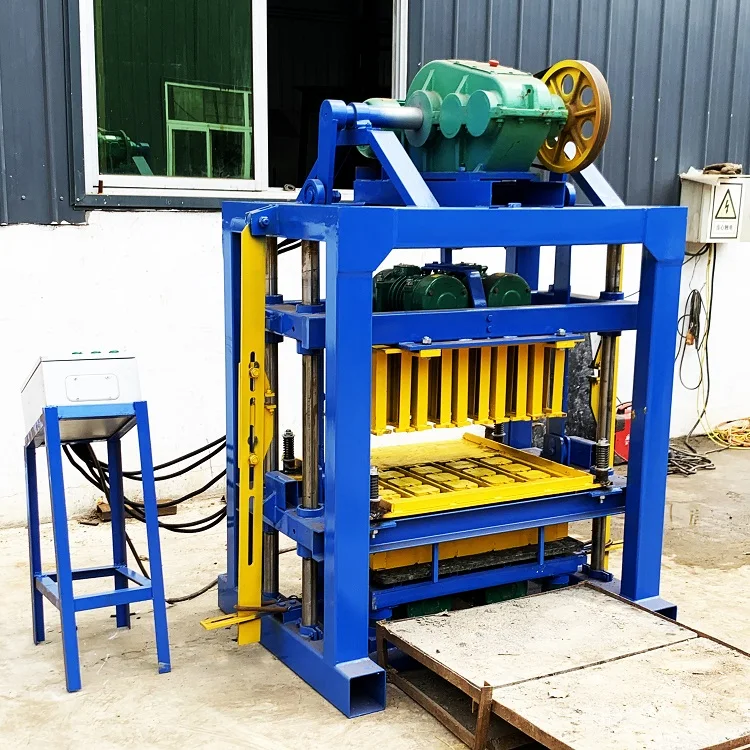
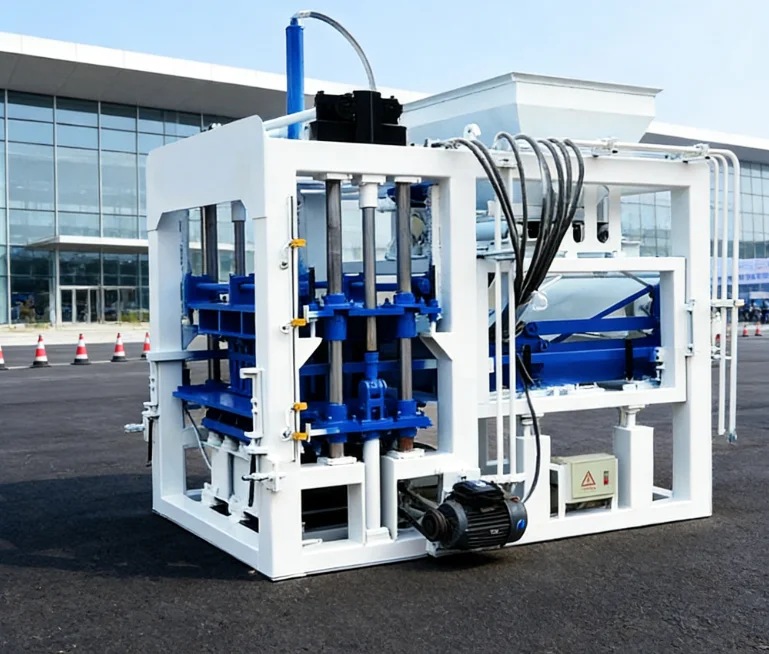
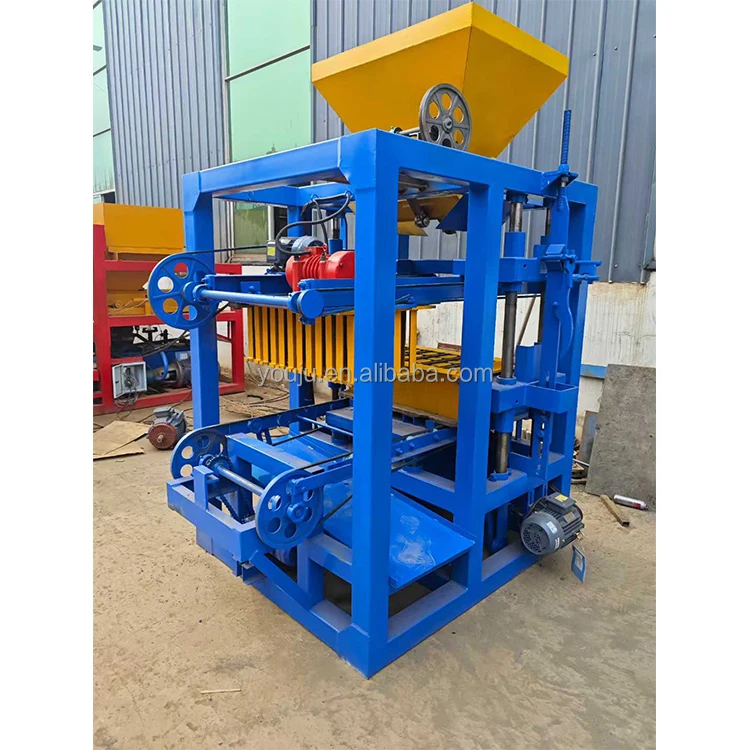
Full Line Integration — every QTF3-20 automatic hydraulic block machine proposal we issue pairs the press with matched moulds, pallets, and handling equipment as one verified system, not a catalogue default.
Technical Specifications
| Parameter |
Value |
| Model |
QTF3-20 |
| Product Type |
Automatic Hydraulic Concrete Block Making Machine |
| Main Vibration Form |
Platform vibration and pressure |
| Cycle Time |
20 seconds (basis not stated in source — confirm block format / material / thickness) |
| Vibrating Frequency |
4600 rolls/minute |
| Motors Power |
14.25 kW |
| Pallet Size |
680 × 530 mm |
| Automation Level |
Automatic (hydraulic drive compression molding) |
| Raw Materials |
Crushed stone, sand, cement, fly ash, cinder, slag, gangue, gravel, perlite, industrial waste |
| Applied Products |
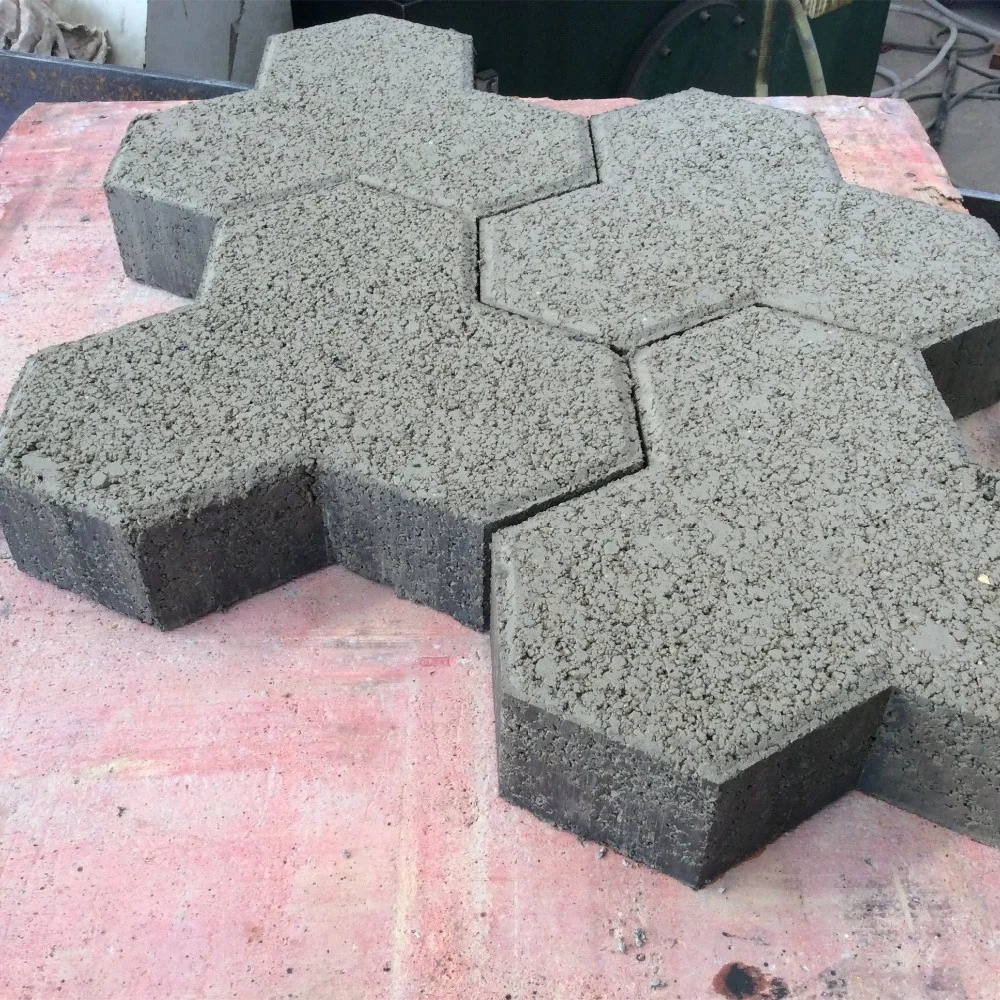
Concrete blocks, solid/hollow/cellular masonry, paving stones, kerbstones, interlocking blocks, grass blocks |
| Standards |
CE, ISO 9001 |
Application Suitability
| Application |
Material or Output |
| Urban wall block production |
Crushed stone, sand, cement, fly ash blends |
| Roadway and square paving blocks |
Layered material distributing for multi-color pavers |
| Rural housing and shadow wall blocks |
High-mixture fly ash solid bricks and cork bricks |
| Garden and landscaping products |
Kerbstones, grass blocks, slope protection blocks |
| Interlocking block manufacturing |
Interlocking pavers for driveways and walkways |
What "20 Seconds per Cycle" Actually Means for Your Output
A cycle time figure without a named block format tells you almost nothing about daily production.
When buyers receive a quote quoting cycles per hour, that number almost always assumes a small solid block under ideal conditions. Switch the mould to a large hollow block or a thick interlocking paver and the same automatic hydraulic block machine manufacturer you are talking to may see the actual cycle stretch well beyond the quoted figure. I have watched projects stall because the daily output assumption was built on a format the buyer never intended to produce. The QTF3-20 platform vibration system runs at 4600 rolls/minute, but how that translates into your specific block depends on the mould cavity count, the height of the block, and the compaction behaviour of your local aggregate [NEED_CITE: effect of block height and cavity geometry on vibration cycle duration].

Where the QTF3-20 Sits in the Full Machine Range
The QTF3-20 occupies the entry tier of stationary automatic block production. It is designed for buyers moving up from manual or egg-laying machines who need hydraulic compression and automatic mould cycling without the footprint and capital of a high-capacity line. The 680 × 530 mm pallet size keeps the curing area compact, which matters when you are setting up a first plant and floor space is limited.
As an automatic hydraulic block machine manufacturer, we position this model for entrepreneurs and small contractors who want consistent block density without committing to a fully automated stacking and cubing system on day one. The hydraulic drive compression molding handles fly ash, slag, and other industrial waste materials that cheaper vibration-only machines struggle to compact properly.
Output Tiers, Investment Level, and Plant Footprint
Stepping up from the QTF3-20 to a mid-tier or high-capacity automatic line means larger pallets, faster cycling on bigger formats, and typically a full pallet return and stacking system. The investment difference is significant, but so is the daily output gap once you move into hollow block formats that demand longer vibration and pressing cycles [NEED_CITE: typical plant footprint comparison across block machine output tiers].
For a buyer evaluating where to start, the QTF3-20 offers a realistic entry point. The 14.25 kW motor power keeps electrical infrastructure requirements modest, and the machine footprint allows installation in workshops that cannot accommodate a full-length production line. You can begin with manual pallet handling and add automatic stacking later as demand grows.
Matching Vibration, Pressure, and Pallet Size to Your Block
Platform vibration combined with hydraulic pressure is the mechanism that determines block density and strength. The 4600 rolls/minute frequency is effective for fine aggregates and fly ash mixes, but if your local stone is coarse or your cement content is low, the vibration force must be paired with sufficient hydraulic pressure to achieve the compaction your block standard requires.
The 680 × 530 mm pallet size must match the curing racks and forklift tines already in your facility. A mismatch here means either replacing your curing infrastructure or accepting manual pallet handling that bottlenecks output. I always check the buyer’s existing curing area dimensions before confirming pallet specification, because a pallet that does not stack cleanly on your racks creates breakage and slows the entire line [NEED_CITE: pallet-to-curing-rack compatibility standards in block production].
What Happens When Configuration Is Skipped
Buyers who order an automatic hydraulic block machine based on a brochure cycle time and skip the material sample step often discover the problem after the machine arrives. Blocks crack during curing because the vibration force was too aggressive for a lightweight aggregate, or they fail compressive strength tests because the hydraulic pressure was set for a denser mix than the buyer can source locally.
I recall a shipment to a region with volcanic aggregate where the forming pressure had not been adjusted downward. The hollow blocks looked fine coming off the press but crumbled under their own weight during stacking. The entire first batch was scrapped, and the buyer lost weeks before we could reconfigure the pressure settings remotely.
Why Source This Machine Here
Block machinery is our single focus, which means the QTF3-20 is never quoted as a standalone press. Every proposal includes matched moulds, pallet specification, and handling equipment sized to the same output tier.
We configure the machine against the buyer’s actual mix design and target block format rather than shipping a catalogue default. Mould design covers the formats your local market sells, including custom drawings when standard options do not match.
Automation level is selectable, so you can start with semi-automatic pallet handling and upgrade to full stacking and cubing as volume justifies the investment. Installation and commissioning support includes operator training on your specific block format and mix [NEED_CITE: importance of operator training on block consistency and machine longevity].
Documentation & Verification
- Line layout with capacity calculation stating the block format assumed for the 20-second cycle
- Machine specification sheet confirming voltage, frequency, and PLC display language
- Mould drawing and format list showing available block types for your market
- Pallet specification matched to your curing area and forklift configuration
- Factory test record on your target block format before dispatch
- Operation and maintenance manual with wear parts and mould replacement schedule
Installation, Commissioning & Support
- Foundation requirements calculated from QTF3-20 weight distribution and vibration load
- Dedicated electrical circuit sized for 14.25 kW motor power and local voltage
- Machine arrives partially assembled with hydraulic and vibration modules pre-tested
- On-site commissioning includes pressure and vibration tuning for your aggregate
- Operator training covers mould change procedure and cycle parameter adjustment
- Wear parts list with reorder intervals specific to your production volume
What We Need to Size This Machine Correctly
Before we issue a configuration proposal, share your target block format and dimensions, the daily output you need for that specific format, and the raw materials available locally including aggregate type and cement grade. Tell us your workshop dimensions, existing curing area layout, and the voltage and frequency at your site so we can confirm the electrical configuration matches before production begins.
Frequently Asked Questions
Q: What block format does the 20-second cycle time assume, and how does output vary by mould?
A: The 20-second cycle is a reference figure that must be confirmed against your specific block format, material mix, and thickness. A small solid block will cycle faster than a large hollow block on the same QTF3-20 platform. We provide a capacity calculation sheet that states the exact format and output assumption so your production planning starts from a verified number, not a brochure claim.
Q: Which automation tier does the QTF3-20 represent, and what is the upgrade path?
A: The QTF3-20 sits in the entry automatic tier with hydraulic drive compression and automatic cycling. Pallet handling and stacking can begin as manual operations and be upgraded to automatic pallet feeding, stacking, and cubing as your volume grows. The machine platform supports these additions without requiring a full press replacement.
Q: What plant footprint is required for this machine tier including pallet handling and curing?
A: The QTF3-20 and its 680 × 530 mm pallet system require a compact footprint suitable for workshop installations. Exact floor space depends on whether you add automatic pallet return and stacking or handle pallets manually. We provide a line layout drawing showing press position, pallet circulation path, and minimum curing area dimensions before you commit.
Q: How do I confirm voltage, frequency, and control language before shipment?
A: We request your site voltage, frequency, and preferred PLC display language during the inquiry stage and confirm these on the machine specification sheet before production. This prevents the commissioning delays that occur when a machine arrives configured for a different electrical standard or with control labels in an unfamiliar language.
Q: What mould formats are available, and can custom moulds be designed to my drawings?
A: Standard moulds cover hollow blocks, solid blocks, paving stones, kerbstones, interlocking pavers, and grass blocks for the 680 × 530 mm pallet. If your market requires a format outside this range, we design and manufacture custom moulds from your drawings or dimensional specifications, with sample blocks produced during factory testing before the machine ships.

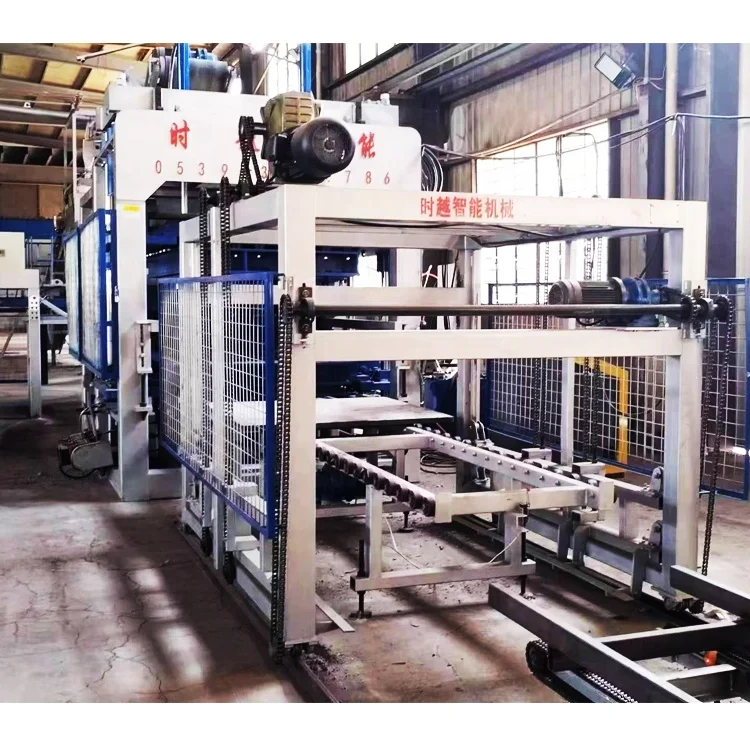 Stationary block machine