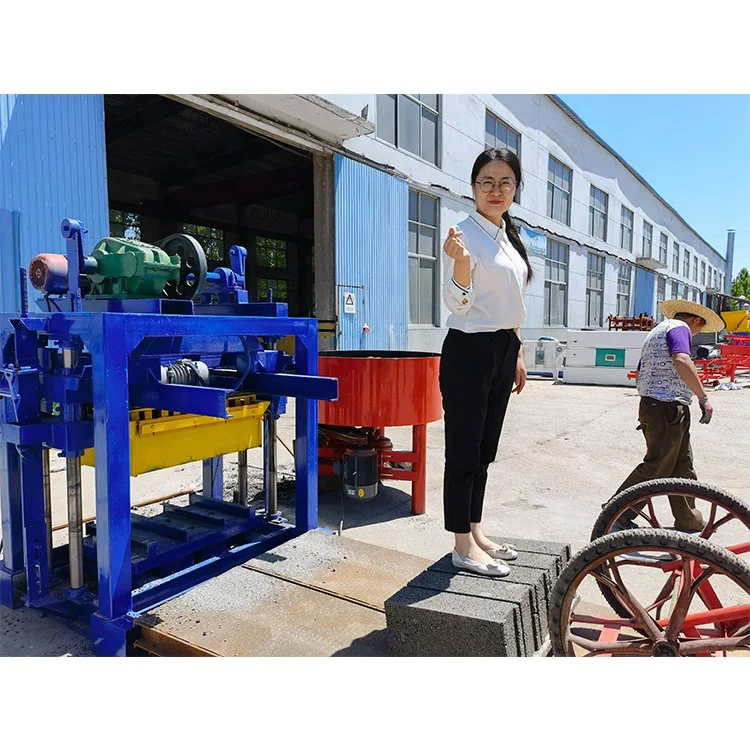
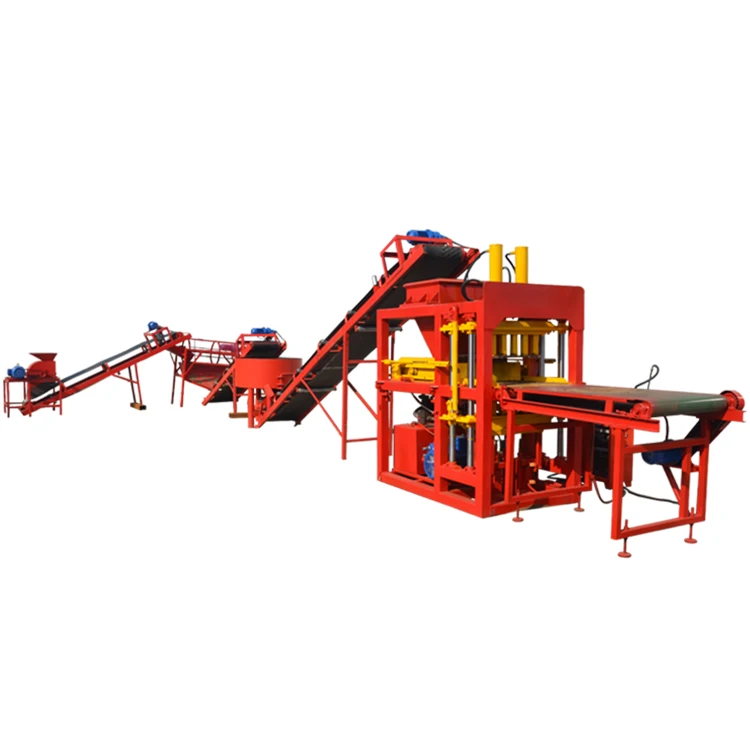
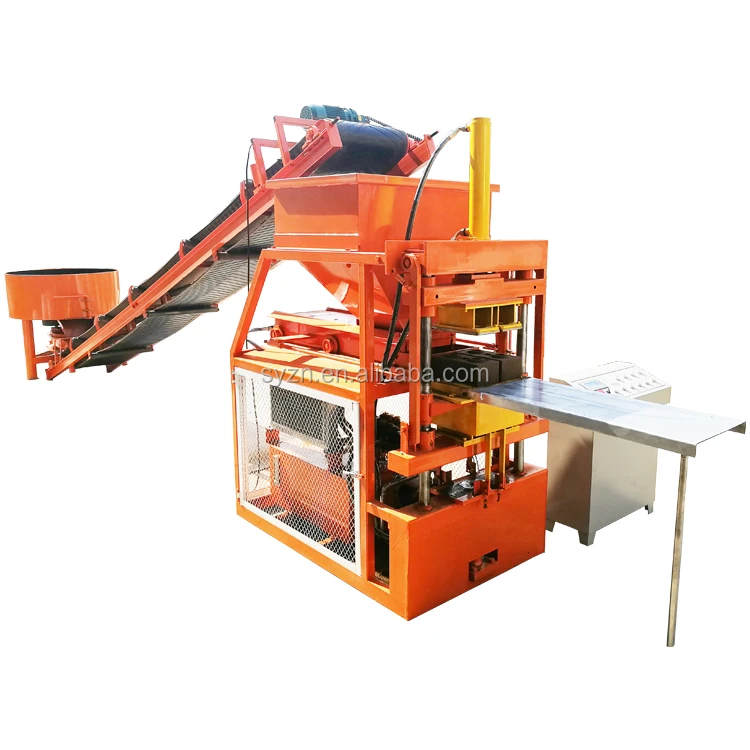
Single Focus Design — Every component from the QTJ4-24 block machine to its mixer and conveyor arrives specified as one matched system, eliminating the compatibility gaps that plague multi-supplier lines.
Technical Specifications
| Parameter |
Value |
| Model |
QTJ4-24 |
| Product Type |
Semi-Automatic Concrete Block Making Machine |
| Machine Type |
Stationary table vibration concrete block machine |
| Main Machine Power |
11.95 kW |
| Overall Dimensions (L×W×H) |
3600 mm × 1700 mm × 2560 mm |
| Total Mass |
3.5 T |
| Pallet Size |
900 mm × 450 mm |
| Molding Cycle |
24–26 s (basis not stated in source) |
| Vibration Method |
Table vibration feeding, fluctuation vibration molding |
| Feeding Method |
Manual feeding, two feed ways available |
| Control System |
Electrical control with mechanical interworking (PLC option to be confirmed) |
| Voltage & Frequency |
Configurable to site requirement (must be confirmed before production) |
| Matching Mixer |
JQ350 or JQ500 vertical mixer |
| Matching Conveyor |
6 m or 8 m belt conveyor |
| Recommended Cable (General) |
3 × 16 mm² |
| Recommended Cable (Main Machine) |
3 × 6 mm² |
| Assembly State |
Dismantled for shipment, assembled on precast concrete ground |
| Warranty |
1 year for whole machine (excluding spare parts) |
Application Suitability
| Application |
Material or Output |
| Small-scale block plants |
Hollow blocks (400×200×200 mm), solid bricks, multicellular bricks |
| On-site contractor production |
Standard masonry units produced on a precast concrete pad |
| First-plant entrepreneurs |
Paving bricks and interlocking formats using local crushed stone and cement |
| Building material distributors |
Adding production capability alongside existing distribution operations |
What a 24-Second Cycle Time Actually Means for Your Shift Output
A cycle figure is meaningless unless it names the exact block format and pallet size it assumes.
Buyers constantly see quotes promising a specific number of blocks per hour, only to discover upon installation that the figure assumed a small solid brick rather than the hollow block their market demands. The QTJ4-24 block machine lists a 24–26 second molding cycle, but that number shifts depending on whether you are pressing four 400×200×200 mm hollow blocks or twenty-one standard bricks per mould. Without a format-specific capacity calculation, daily output estimates remain guesswork. [NEED_CITE: concrete block production capacity calculation standards]

Mapping the QTJ4-24 Semi-Automatic Concrete Block Making Machine Across Output Tiers
The QTJ4-24 occupies the entry point of the Shiyue semi-automatic block machine range, positioned below fully automatic hydraulic lines and above mobile egg-laying machines. It serves buyers who need consistent daily output for standard hollow and solid formats but are not yet ready to invest in automatic pallet feeding and stacking systems. This tier keeps initial capital requirements lower while still delivering vibration-based compaction.
Where This Tier Fits Before You Commit to a Higher Investment
Stepping up from this semi-automatic block machine for sale to a fully automatic line means adding hydraulic pressure systems, automatic pallet circulation, and robotic stacking. That jump multiplies output capacity but also requires a larger curing area, more electrical infrastructure, and a dedicated maintenance schedule. The decision should rest on your confirmed daily order volume and whether manual pallet handling becomes a bottleneck. [NEED_CITE: automation level selection for concrete block plants]
How Vibration Force and Mould Geometry Determine Block Density
The QTJ4-24 uses table vibration for feeding combined with fluctuation vibration during molding. This dual-phase approach fills the mould cavity evenly before applying peak vibration to compact the mix. The 900×450 mm pallet size defines the maximum mould footprint, which in turn determines how many blocks of each format fit per cycle. Four hollow blocks per mould at 400×200×200 mm versus six blocks at 390×120×190 mm shows how format choice directly alters per-cycle yield. Mixer selection between the JQ350 and JQ500 vertical units affects whether the press waits for the next batch or runs continuously through a full shift.
The Cost of Skipping Voltage Confirmation Before Shipment
Arriving at a job site to find the local grid supplies a frequency or phase configuration the machine was not wound for means the entire commissioning schedule stalls. Motors rated for one voltage draw excessive current on another, tripping breakers or burning windings within the first hour of operation. The QTJ4-24 block machine ships with electrical specifications that must match your site exactly, and leaving that confirmation until after the container sails turns a planned startup into an unplanned rewinding project. [NEED_CITE: industrial motor voltage and frequency compatibility requirements]
Why Buyers Choose This Configuration
Block machinery remains the sole product focus at Shiyue, meaning the QTJ4-24 semi-automatic concrete block making machine, its mould, pallet, and conveyor arrive as one engineered package rather than a collection of mismatched components. Configuration decisions reference your actual local aggregate and target block format instead of a catalogue default. Mould options cover the formats your regional market sells, with custom designs available from buyer drawings. Automation level stays selectable, so you begin with manual pallet handling and add feeding or stacking stations later without replacing the press itself. Installation support includes operator training at your site once the machine is assembled on its concrete pad.
Documentation & Verification
- Line layout and capacity calculation stating the exact block format assumed for daily output
- Machine specification sheet with pallet size, mould list, and cycle times per format
- Mould drawing and format list confirming pieces per mould for each ordered design
- Hydraulic and electrical schematic showing cable sizing and control interlocks
- Factory test record on your specific block format before container loading
- Operation and maintenance manual in the language you confirm before production
Installation, Commissioning & Support
- Assembled on a precast concrete ground with surface roughness controlled at vibration platform corners
- 11.95 kW main power requires the specified 3 × 6 mm² cable on a dedicated circuit
- Host machine dismantled for shipment and reassembled by trained technicians at your site
- JQ350 or JQ500 reducer filled with the correct grade of machine oil before first run
- Operator training covers dual feed method operation and mechanical interlock use
- Wear parts list provided at order so first replacements arrive with the machine, not weeks later
Preparing Your Inquiry
To receive a configuration proposal for the QTJ4-24 block machine manufacturer that matches your actual production needs, provide your target block formats with dimensions, your planned daily shift length, and the local aggregate type you will use. Confirm your site voltage, frequency, and preferred control language so electrical components are wound and labelled correctly before the machine leaves the factory. Note your existing curing area dimensions and any forklift specifications, as these determine whether the standard 900×450 mm pallet integrates smoothly or requires adjustment.
Frequently Asked Questions
Q: How do I calculate the real daily output of the QTJ4-24 for my specific block format?
A: The 24–26 second molding cycle applies differently depending on which mould you run. Four hollow blocks per cycle yields a different shift total than twenty-one standard bricks per cycle. We provide a capacity calculation document that states the assumed block format, shift length, and pallet circulation time so your output projection is based on your actual product mix, not a generic figure.
Q: Where does the QTJ4-24 sit in the Shiyue range, and when should I consider a higher tier?
A: This model occupies the entry semi-automatic tier, suited for buyers establishing a first plant or adding production alongside distribution. If your confirmed orders consistently exceed what manual pallet handling can support across a full shift, stepping up to an automatic line with pallet circulation and stacking becomes the logical move.
Q: What site preparation does the QTJ4-24 require before installation?
A: The machine assembles on a precast concrete pad with controlled surface flatness at the vibration platform. Electrical infrastructure must include the specified cable gauges on dedicated circuits. The 6 m or 8 m belt conveyor installs without excavation, but adequate clearance around the host machine is needed for mould changes and maintenance access.
Q: Can I start with manual operation and add automation to the QTJ4-24 later?
A: The machine design allows you to begin with manual pallet handling and the two manual feed ways. As your production volume grows, you can integrate automatic pallet feeding or stacking stations without replacing the host press, protecting your initial investment while expanding capability.
Q: Which moulds ship with the machine, and can I order custom block formats?
A: Standard formats include hollow blocks, solid bricks, and paving units at the dimensions listed in the specifications. If your local market sells a format outside this list, we design and manufacture custom moulds from your drawings, ensuring the new format fits the 900×450 mm pallet envelope and the press cycle parameters.

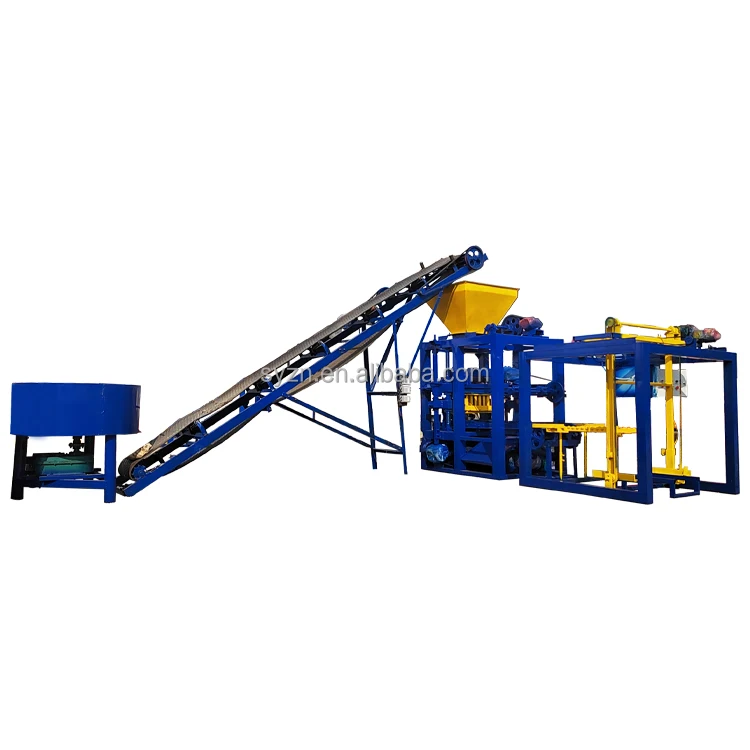
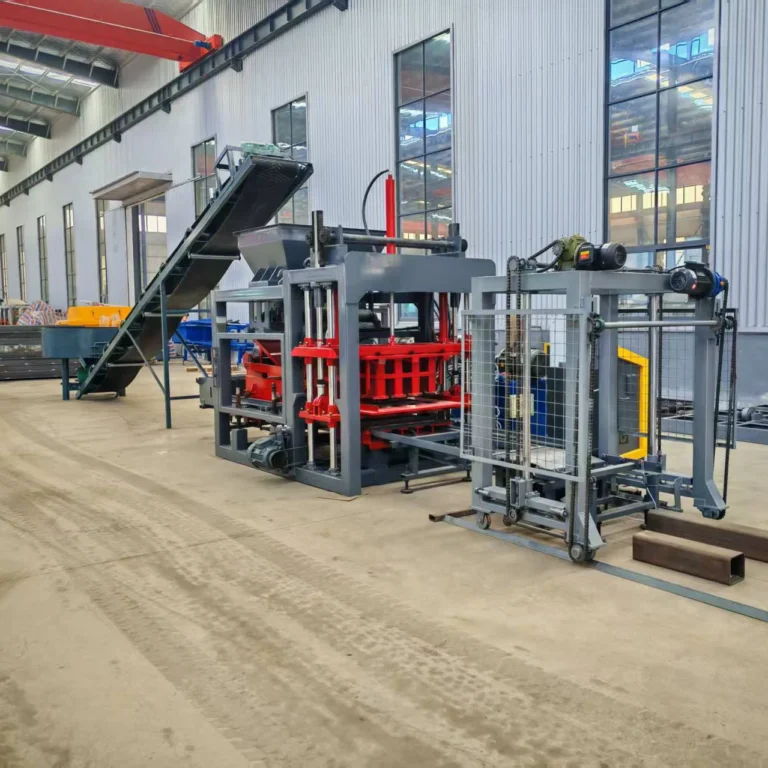 High quality block machine