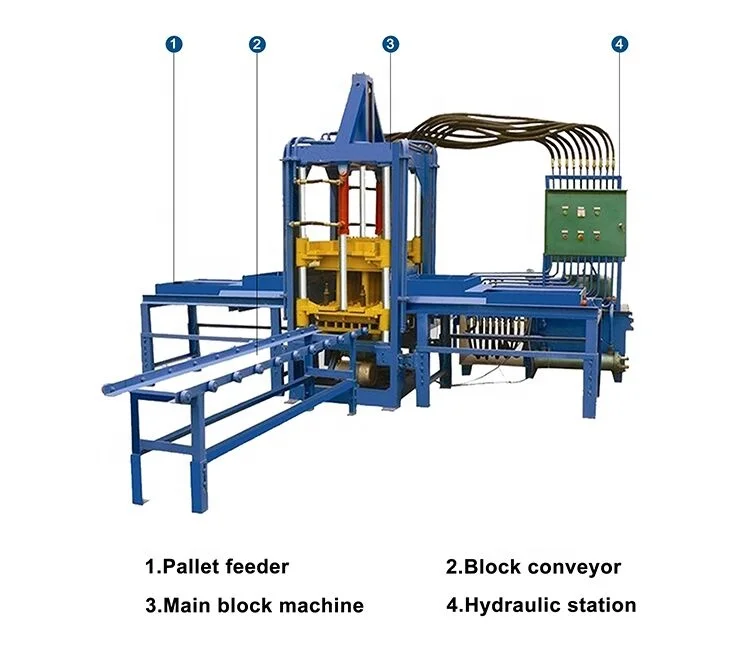
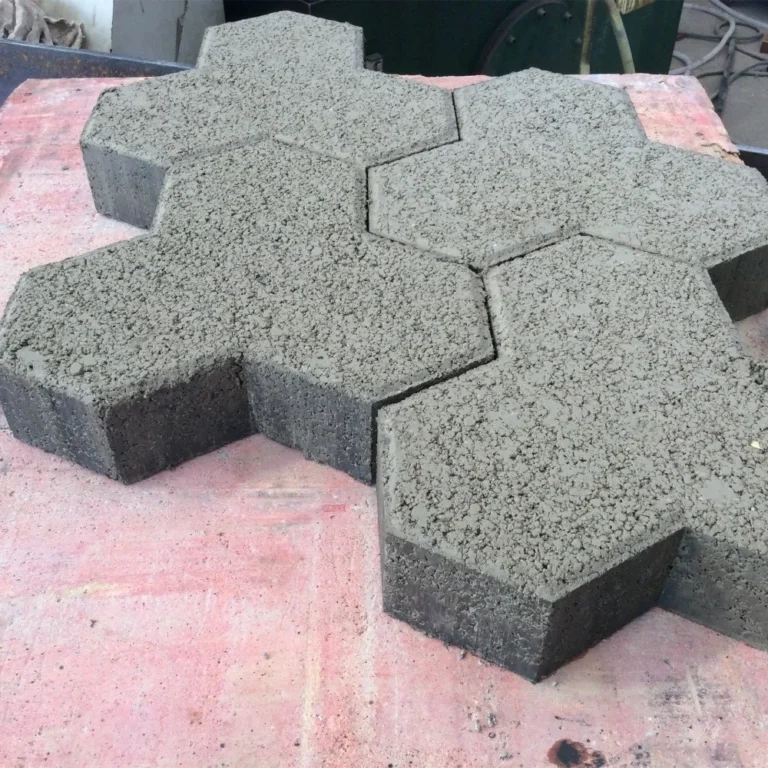
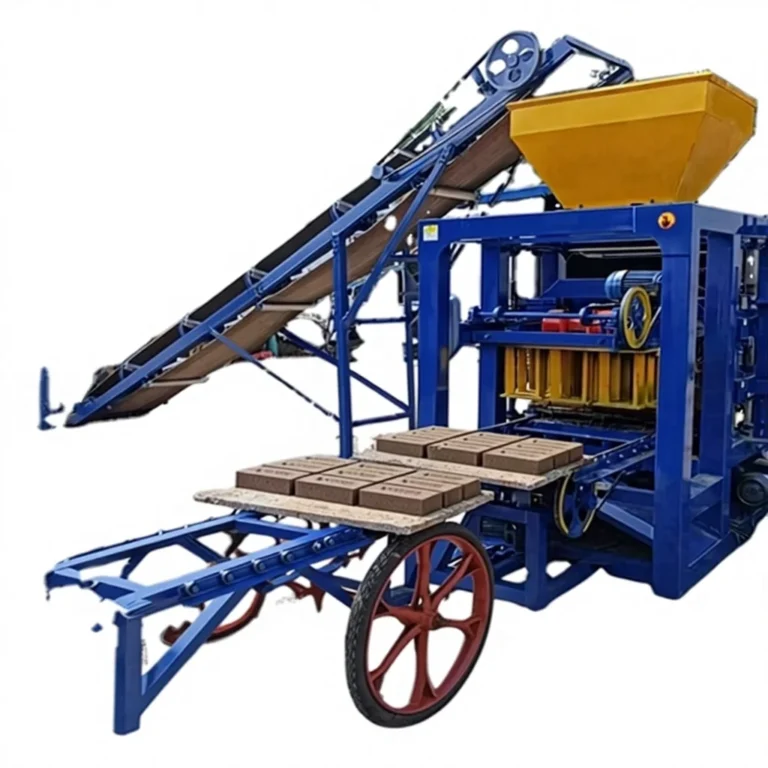
Matched System Specification — the QTJ4-24 block machine, pallet, and mould are sized as one integrated production unit so buyers avoid mismatched components across separate suppliers.
Technical Specifications
| Parameter |
Value |
| Product Type |
Stationary Block Machine |
| Model |
QTJ4-24 |
| Overall Dimensions (L×W×H) |
3600×1700×2560mm |
| Total Mass |
2T |
| Pallet Size |
850×450mm |
| Molding Cycle |
24-26s (basis to be confirmed per block format) |
| Molding Method |
Mechanical vibration with spiral material distribution |
| Vibration Force |
45kN |
| Vibration Configuration |
2×3kW lower vibrators + 2×1.5kW upper vibrators |
| Overall Power |
11.95kW |
| Reducer |
350-type for mold lifting |
| Raw Materials |
Cement, sand, stone |
| Automation Level |
Semi-automatic (full-automatic spiral material distribution) |
| Voltage & Frequency |
Configurable (basis to be confirmed before shipment) |
| Control System |
PLC or manual panel (basis to be confirmed) |
Application Suitability
| Application |
Material or Output |
| Hollow block production |
Cement, crushed stone, sand for lightweight structural units |
| Solid block production |
Dense aggregate mixes for load-bearing masonry |
| Interlocking brick production |
Dry-press soil-cement or concrete mixes |
| Paving block production |
High-strength concrete with fine aggregate surface layer |
| Small-scale block plant setup |
First-time entrepreneur production with lower investment |
| On-site construction blocks |
Local aggregate and cement for immediate building needs |
Why the 24-Second Cycle Time Needs a Format Attached
A molding cycle means nothing until you know which block it produces.
I have seen buyers disappointed because a supplier quoted a cycle time based on a solid paver, but the buyer’s market required 200mm hollow blocks that need longer vibration and curing preparation. The QTJ4-24 stationary block machine manufacturer specification of 24-26s applies to a standard format, but daily output changes entirely when you switch to larger hollow blocks or interlocking pavers. We calculate realistic shifts based on your target format, not a catalogue best-case scenario [NEED_CITE: block format impact on daily production cycles].
Where the QTJ4-24 Sits in the Machine Range
The QTJ4-24 occupies the entry tier for buyers who need a stationary block machine without the capital commitment of a fully automatic line. It uses mechanical vibration rather than hydraulic pressure, making it simpler to maintain in regions where hydraulic service is scarce. The full-automatic spiral material distribution ensures uniform filling across the mould cavity, which is the one automated stage that matters most for block consistency.
Upgrading from Manual to Semi-Automatic Operation
For workshops currently hand-feeding material and manually palletizing, this model removes the heaviest labor bottleneck while keeping pallet handling manual. Buyers can start here and later add automatic stacking or curing rack systems as volume grows. The 850×450mm pallet size should match your existing curing area and forklift capacity before you commit to an order [NEED_CITE: pallet size compatibility with curing racks].
Vibration Force, Pallet Size, and Reducer Life
The 45kN total vibration force comes from a dual-level system: two 3kW lower vibrators compact the mix from below while two 1.5kW upper vibrators settle the surface. This matters because insufficient surface vibration leaves pavers with rough faces that reject in the market. The 350-type reducer on the mold lifting mechanism is sized for continuous cycling; a smaller reducer would fail prematurely under the shock load of repeated mold changes. The 850×450mm pallet is a common size, but if your curing racks were built for a different dimension, you will either waste rack space or need new racks entirely.
The Cost of Ordering Before Confirming Voltage and Language
When voltage, frequency, and PLC display language are not confirmed before production, the machine arrives and sits idle while transformers are sourced or control panels are reprogrammed. I have watched a commissioning delay stretch into weeks because the control interface was in a language the local operators could not read. Confirm these details during the quotation stage, not after the container is loaded.
Why Sourcing Here Reduces Integration Risk
Our single focus on block machinery means the QTJ4-24 is not assembled from a press, a mixer, and a stacker bought from three different factories. The mould is designed for the formats your market actually sells, including custom drawings if your region uses a non-standard interlocking profile. We set the vibration force and cycle time against your actual mix design and local aggregate, not a default catalogue mix that you cannot source.
Documentation & Verification
- Capacity calculation stating which block format the 24-26s cycle time assumes
- Mould drawing and format list confirming hollow, solid, and paving options
- Pallet specification matched to your curing rack dimensions and forklift capacity
- Voltage, frequency, and control language confirmation sheet before production
- Factory test record on your specified block format before dispatch
Installation, Commissioning & Support
- Foundation pad leveled to 3600×1700mm footprint with anchor bolt provision
- Dedicated 11.95kW power circuit at your confirmed voltage and frequency
- Mechanical vibration system calibrated on-site to your local aggregate mix
- Mould change procedure trained for your specific block format list
- 350-type reducer grease schedule and vibrator bearing inspection intervals provided
What We Need to Quote Accurately
Send your target block format with dimensions, the daily shift output you need, and a sample or analysis of your local sand and stone. Tell us your site voltage and frequency, and whether your operators need the control display in a specific language. If you have existing curing racks or forklifts, share the pallet dimensions they accept so we confirm compatibility before building.
Frequently Asked Questions
Q: What daily output can the QTJ4-24 achieve, and which block format does the cycle time assume?
A: The 24-26s molding cycle is a baseline figure that changes with block format. A solid paver cycles faster than a 200mm hollow block. We provide a shift capacity calculation that states the exact format assumed, so your real daily output matches the proposal rather than a catalogue maximum.
Q: Where does the QTJ4-24 sit compared to fully automatic stationary lines?
A: It is the entry tier, using mechanical vibration and manual pallet handling rather than hydraulic pressure and automatic stacking. Buyers who need higher volume or reduced labor can move up to automatic tiers within the same stationary block machine manufacturer range without changing their block format strategy.
Q: What voltage, frequency, and PLC language options are available?
A: Voltage and frequency are configured to your local grid before production, and the control display language is confirmed at the quotation stage. This prevents commissioning delays that happen when electrical specifications are assumed rather than stated.
Q: Which mould formats are available, and how long does a mould change take?
A: Moulds cover hollow block, solid block, interlocking brick, and paving block formats. Custom mould design is available for non-standard profiles. Mould change time depends on the format switch; we train your operators on the specific changeover procedure during commissioning.
Q: What is the plant footprint and installation requirement?
A: The machine itself occupies 3600×1700mm, but the full line footprint includes raw material storage, mixing, and curing area. We provide a line layout showing each station so you can confirm the space before ordering.

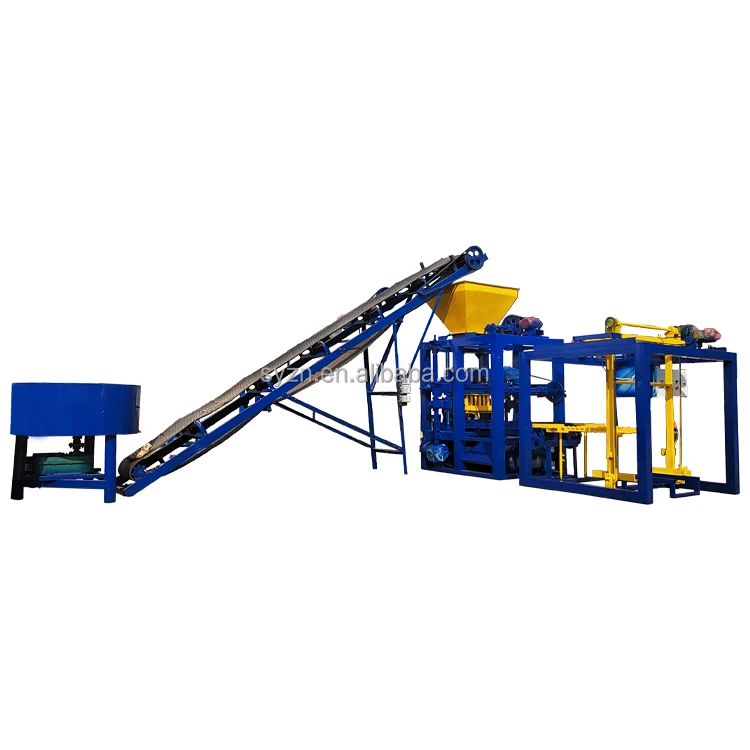
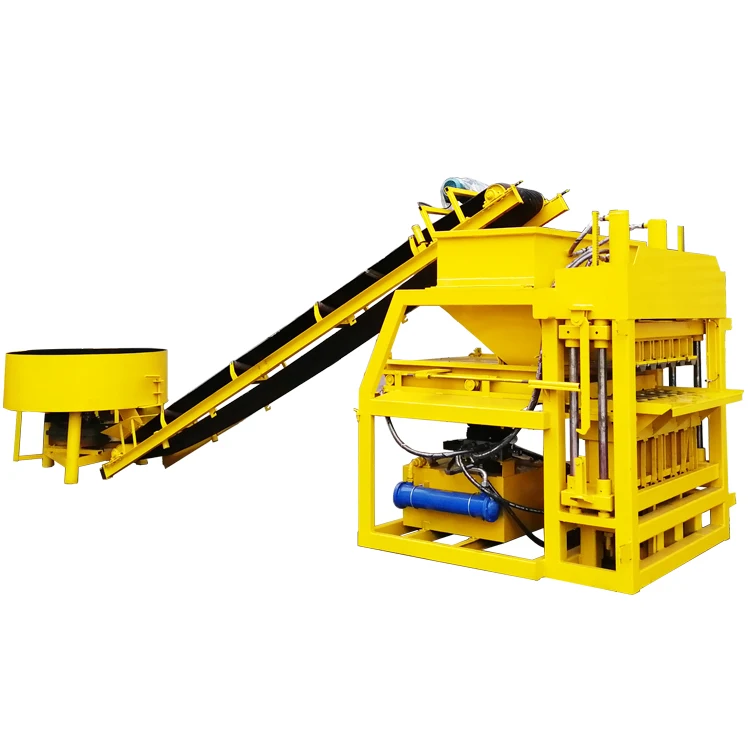 Stationary block machine