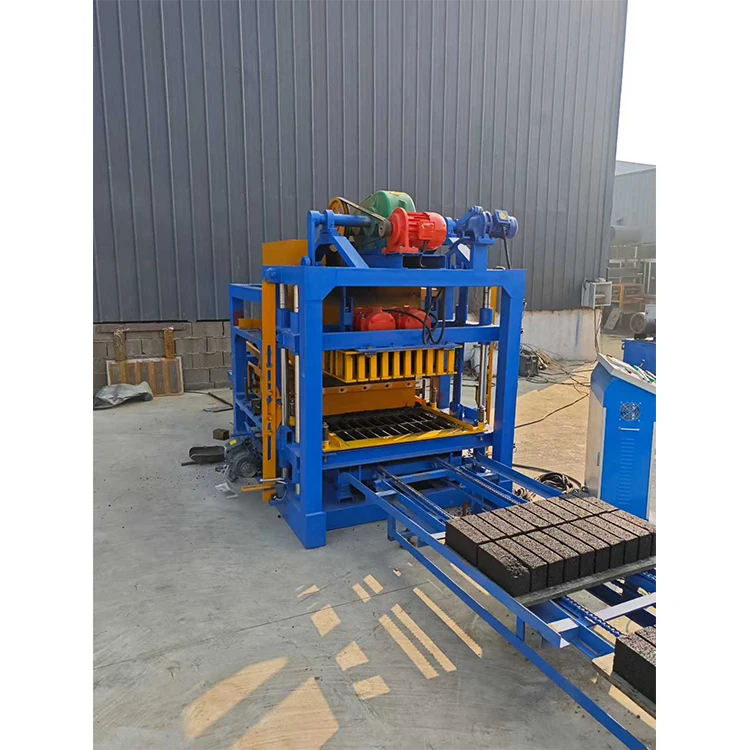
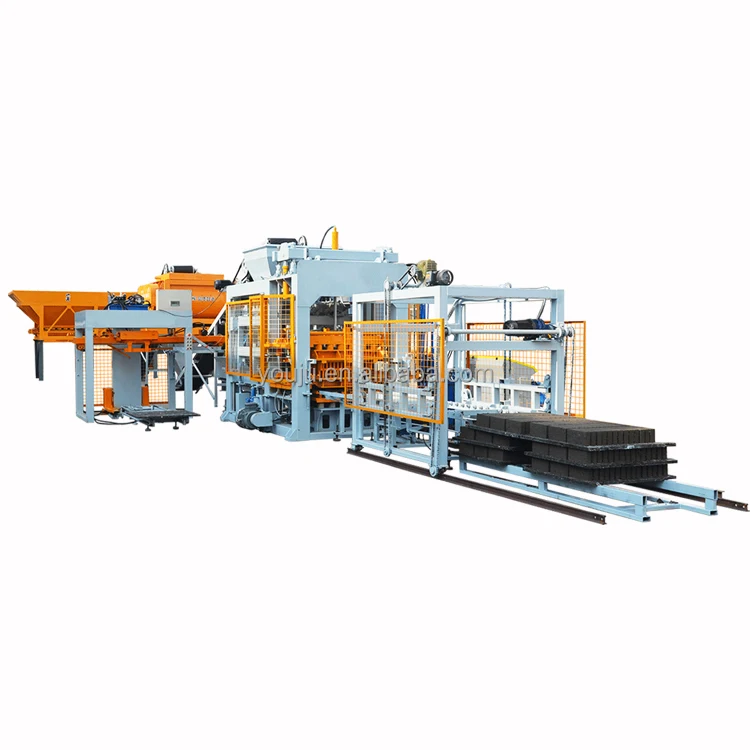
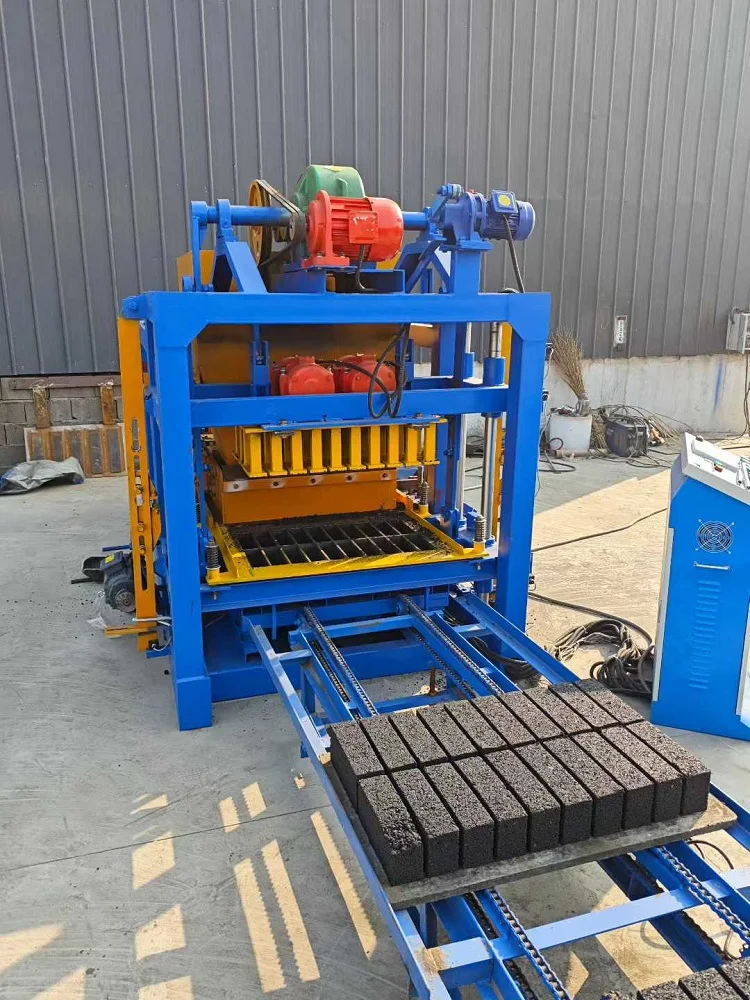
Matched System Integration — Every QT6-15 component from the 850×680mm pallet to the heat-treated mould is specified as one coordinated platform rather than sourced separately, keeping cycle times and output predictable across block formats.
Technical Specifications
| Parameter |
Value |
| Model |
QT6-15 |
| Product Type |
Automatic Concrete Block Making Machine |
| Rated Power |
31.25 kW |
| Voltage & Frequency |
Configurable to buyer’s local supply (basis not stated in source — confirm before production) |
| Control System |
PLC with configurable display language |
| Overall Dimensions (L×W×H) |
7100 × 1500 × 3000 mm |
| Net Weight |
8500 kg |
| Hydraulic Pressure |
16–21 MPa |
| Vibration Form |
Platform vibration |
| Pallet Size |
850 × 680 mm |
| Mould Formats Supported |
Hollow block, solid block, porous block, paver, interlocking block, curbstone, colored paver |
| Cycle Time (Hollow Block 400×200×200 mm, 6 pcs/mould) |
16–20 s |
| Cycle Time (Porous Block 240×115×90 mm, 14 pcs/mould) |
15–18 s |
| Cycle Time (Standard Block 240×115×53 mm, 30 pcs/mould) |
14–17 s |
| Output Capacity (Hollow Block 400×200×200 mm) |
8640 pcs/day |
| Output Capacity (Porous Block 240×115×90 mm) |
22400 pcs/day |
| Output Capacity (Standard Block 240×115×53 mm) |
54400 pcs/day |
| Raw Materials |
Crushed stone, sand, cement, fly ash, gravel, slag, dust |
| Mould Heat Treatment |
Yes |
| Mould Change System |
Supported (change time to be confirmed) |
| Automation Level |
To be confirmed (feeding, stacking, cubing configuration) |
Application Suitability
| Application |
Material or Output |
| Block and paver production plants |
Hollow, solid, porous, and interlocking concrete blocks from crushed stone, sand, cement, and fly ash |
| Construction contractors on housing projects |
On-site hollow block production using locally sourced gravel, sand, and cement |
| Concrete product manufacturers expanding formats |
Pavers, curbstones, and colored pavers alongside standard block formats |
| Building material distributors serving regional markets |
Multiple block and paver types on a single QT6-15 automatic block machine manufacturer platform with heat-treated moulds |
Why "Pieces per Hour" Without Block Format Tells You Nothing
Every output figure for the QT6-15 is calculated against a specific mould cavity count and block dimension, not a generic press speed.
Buyers regularly compare block machines using a single headline cycle time, then discover the machine only achieves that speed on its smallest solid block format. The hollow block cycle of 16–20 seconds on a 400×200×200mm six-cavity mould is fundamentally different from the 14–17 second cycle on a 30-cavity standard brick mould. Without knowing which format your market actually buys, an output number is meaningless. I have watched buyers plan production around a catalogue figure, only to find their daily volume of the hollow blocks they actually sell falls well short of expectations [NEED_CITE: block format impact on real daily output in concrete block production].

Where the QT6-15 Sits Across the Shiyue Range
The QT6-15 occupies the mid-to-high tier within Shiyue’s full automatic block machine range, positioned above semi-automatic models for smaller workshops and below high-capacity lines built for continuous three-shift operation. Its 31.25 kW rated power and 8500 kg net weight reflect a press designed for sustained output of hollow and solid blocks without requiring the electrical infrastructure of larger machines. Buyers evaluating the QT6-15 automatic block machine manufacturer option are typically moving from manual or egg-laying equipment into their first fixed-plant automatic press, or replacing an aging mid-tier machine that can no longer hold dimensional consistency across format changes.
Automation Tiers and Upgrade Path
Automation configuration on the QT6-15 is selectable rather than fixed at the factory default. A buyer starting with semi-automatic pallet handling can later add automatic pallet feeding, stacking, and cubing as production volume justifies the investment. This matters because a first-time block plant often lacks the curing rack space and forklift capacity to handle fully automatic output from day one. The QT6-15’s PLC control system manages the press cycle, while upstream feeding and downstream stacking are specified separately to match your actual site conditions. Choosing the right automation level at the outset avoids paying for capacity you cannot yet absorb [NEED_CITE: phased automation adoption in concrete block plants].
What the Hydraulic and Vibration Numbers Mean on the Shop Floor
The 16–21 MPa hydraulic pressure range and platform vibration system work together to compact the concrete mix inside the mould cavity. Pressure alone does not produce a dense block; the vibration must fluidize the mix so it fills every corner of the mould before the hydraulic head applies final compaction. On the QT6-15, this combination produces consistent density across both the 400×200×200mm hollow block and the smaller 240×115×53mm solid format. The 850×680mm pallet size is a separate consideration: it must match the spacing of your curing racks and the fork dimensions of your existing forklift. A mismatch here means blocks spend extra time in manual re-handling, which no amount of press speed can recover. The pallet specification should be confirmed against your curing area layout before the machine enters production.
The Cost of Skipping the Mix Design Conversation
When the vibration frequency and hydraulic pressure are not matched to the buyer’s actual aggregate and cement ratio, blocks leave the press looking acceptable but fail strength tests after curing. High clay content in local sand, for example, changes how the mix responds to platform vibration, often requiring longer vibration time or adjusted pressure to achieve proper compaction. Buyers who skip the material discussion at the inquiry stage end up paying twice: once for the machine, and again for weeks of trial-and-error adjustment after commissioning. The QT6-15’s configurable vibration and pressure settings can accommodate a wide range of local materials, but only if those materials are known before the machine is set up [NEED_CITE: aggregate variability impact on concrete block strength].
Why Buyers Choose This QT6-15 Automatic Block Machine Manufacturer
Block machinery is the single focus at Shiyue, meaning the QT6-15 press, its heat-treated moulds, pallets, and handling equipment are specified as one matched system rather than assembled from separate suppliers. Configuration is set against your actual mix design, local aggregate, and target block format instead of a catalogue default. Mould design covers the formats your market sells, including custom drawings when standard cavity layouts do not match your requirements. The automation level is selectable, so a buyer can start semi-automatic and add stacking or cubing later. Installation and commissioning support includes operator training on the PLC control system and mould change procedures.
Documentation & Verification
- Line layout and capacity calculation stating the block format assumed for each QT6-15 output figure
- Machine specification sheet confirming hydraulic pressure and vibration settings matched to your mix
- Mould drawing and format list with cavity counts for hollow, porous, and standard block types
- Pallet specification sheet with 850×680mm dimensions and material grade for curing compatibility
- Voltage, frequency, and PLC display language confirmation document signed before production
- Factory test record on your specified block format before dispatch
Installation, Commissioning & Support
- Foundation requirements based on the QT6-15’s 7100×1500mm footprint and 8500kg operating weight
- Dedicated power circuit sized for the 31.25 kW rated power draw with confirmed voltage and frequency
- Machine arrives in dismantled state; on-site assembly includes platform vibration system calibration
- First-run commissioning covers PLC parameter setup and cycle time verification on your block format
- Operator training on mould change procedure and heat-treated mould handling to prevent damage
- Wear parts list covering hydraulic seals and vibration components with recommended replacement intervals
What We Need to Size Your QT6-15 Configuration
To build an accurate proposal, share the specific block formats your market demands, including dimensions and daily volume targets for each type. Tell us about your local raw materials, especially aggregate type and any known clay or silt content, so we can match vibration and pressure settings before production. Confirm your site voltage, frequency, and preferred PLC display language so commissioning proceeds without electrical delays.
Frequently Asked Questions
Q: How is QT6-15 daily output calculated, and which block format does each figure assume?
A: Each output figure is tied to a specific block size and mould cavity count. The 8640 pcs/day figure assumes a 400×200×200mm hollow block on a six-cavity mould with a 16–20 second cycle. Porous block output of 22400 pcs/day is based on a 240×115×90mm format with 14 cavities. Always confirm which format the capacity figure represents before planning production.
Q: Where does the QT6-15 sit in Shiyue’s full machine range compared to semi-automatic and higher-tier models?
A: The QT6-15 is positioned in the mid-to-high tier of Shiyue’s automatic range, above semi-automatic models suited for lower investment and smaller plants. It sits below higher-capacity automatic lines designed for continuous multi-shift production. This QT6-15 automatic block machine manufacturer option suits buyers stepping up from manual or egg-laying equipment into their first fixed-plant automatic press.
Q: What voltage, frequency, and PLC language options are confirmed before shipment?
A: Voltage and frequency are configured to match your local electrical supply, and the PLC display language is set to your operator’s preference. Both must be confirmed in writing before the QT6-15 enters production, because mismatched electrical specifications delay commissioning and may require costly component replacement after the machine arrives at your facility.
Q: How do I match the 850×680mm pallet size to my curing racks and forklift?
A: Measure your existing curing rack spacing and forklift fork width before ordering. The pallet must slide into rack slots with clearance on each side, and your forklift must lift a loaded pallet without the forks extending past the pallet edge. Confirming these dimensions early prevents manual re-handling that erodes the QT6-15’s cycle time advantage.
Q: What is the typical lead time and container loading plan for the QT6-15?
A: Lead time depends on whether the QT6-15 configuration is a standard build or includes custom moulds and automation add-ons. The 7100×1500×3000mm machine is dismantled for container loading, and the packing plan is shared with the buyer before dispatch so that on-site reassembly can be planned in advance with local rigging and foundation teams.

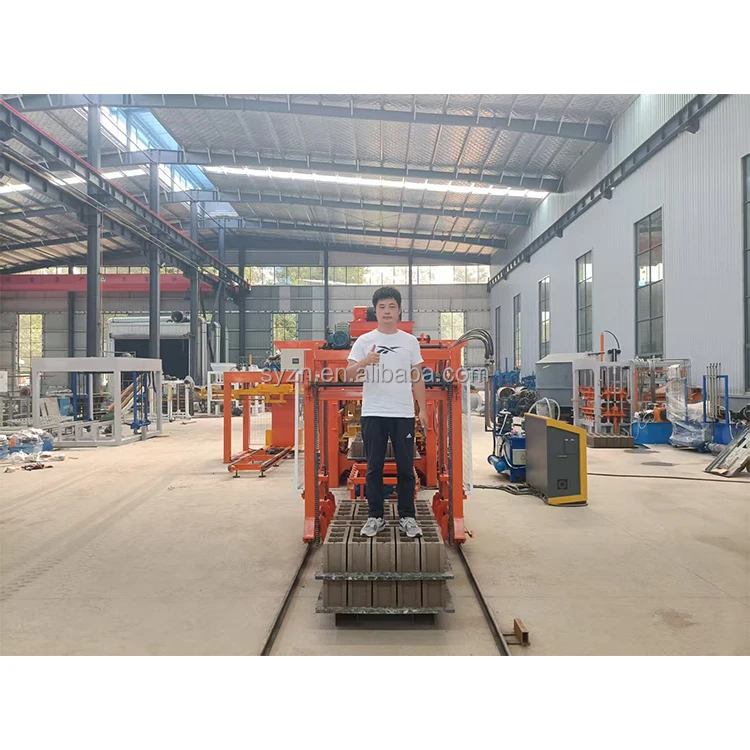
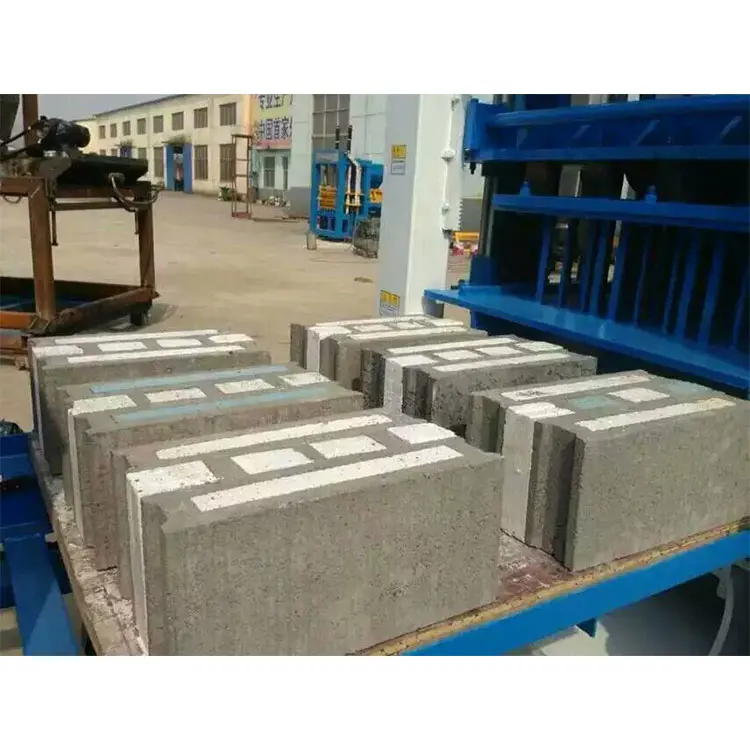 Automatic block machine