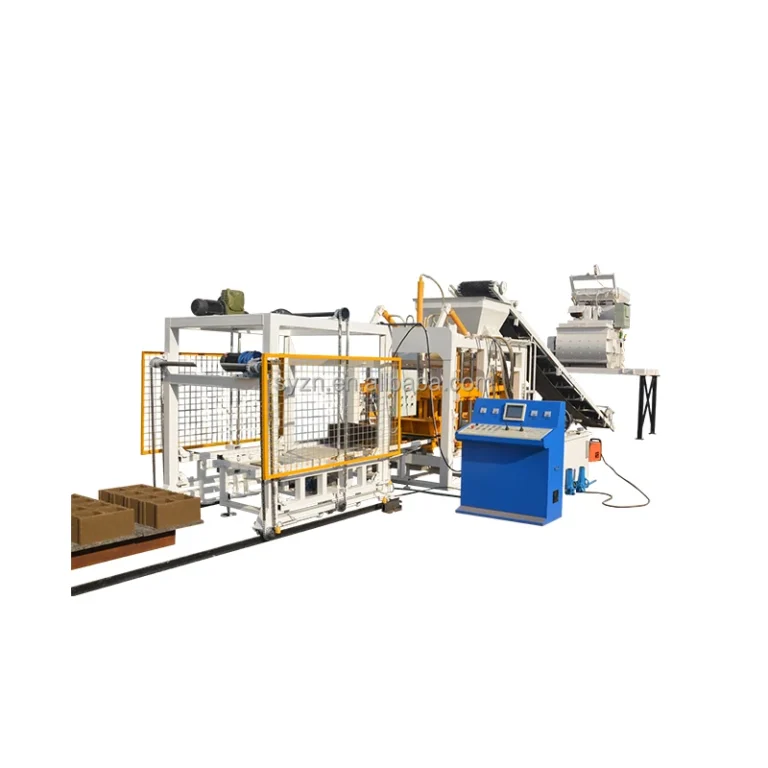
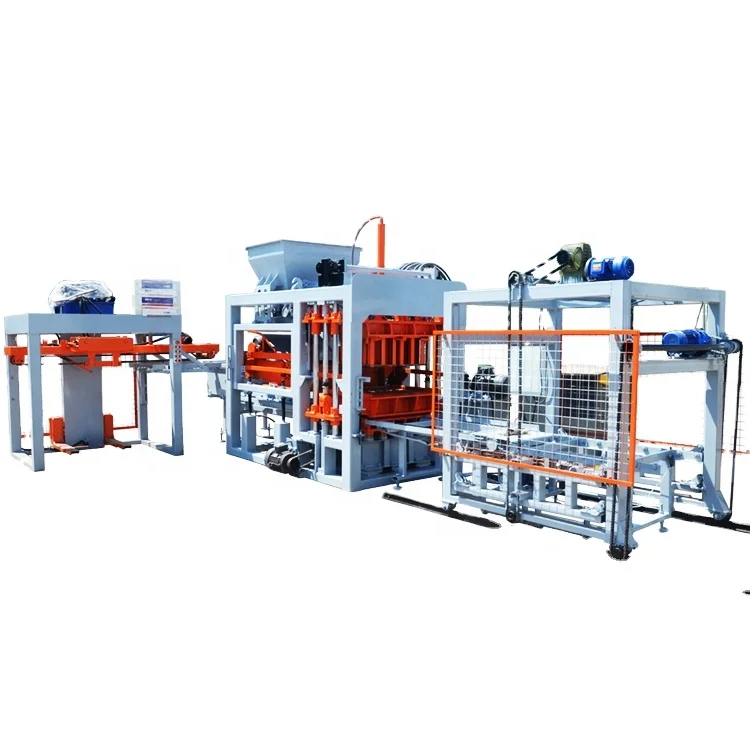
Matched System Design — The QT4-18 is specified as a complete production unit with press, mixer, pallet feeder and conveyor balanced around your actual block format rather than sold as a standalone press.
Technical Specifications
| Parameter |
Value |
| Model |
QT4-18 |
| Product Type |
Automatic Hydraulic Concrete Block Making Machine |
| Overall Dimensions (L×W×H) |
3900×1600×2300 mm |
| Molding Cycle |
15-25 s (basis not stated in source — confirm block format and material) |
| Vibration Force |
40-50 kN |
| Rated Power |
24 kW (rated or peak not specified in source) |
| Mixer Model |
JQ350 |
| Pallet Size |
850×550×25 mm |
| Net Weight |
3 T |
| Applied Products |
Hollow block, solid brick, paving block, curbstone |
| Raw Materials |
Crushed stone, sand, cement, fly ash, dust |
| Control System |
PLC control system |
| Hydraulic Station |
Included |
| Pallet Feeder |
Included |
| Brick Conveyor |
Included |
| Block Sweeper |
Included |
| Output Capacity (400×200×200 mm hollow block) |
1200-1680 pcs/hr; 9600-13440 pcs/8 hr |
| Output Capacity (400×150×200 mm hollow block) |
1800-2400 pcs/hr; 14400-19200 pcs/8 hr |
| Output Capacity (240×115×53 mm solid brick) |
3240 pcs/hr; 16200-19440 pcs/8 hr |
| Voltage & Frequency |
To be confirmed before shipment |
| Automation Level |
Automatic with hydraulic station and PLC |
Application Suitability
| Application |
Material or Output |
| Hollow block production for residential and commercial walls |
Crushed stone, sand, cement, fly ash blends |
| Solid brick manufacturing for load-bearing structures |
Sand and cement mixes with local aggregate |
| Paving block production for driveways and walkways |
High-density crushed stone and cement |
| Curbstone forming for road and landscaping projects |
Coarse aggregate with cement binder |
| On-site block production for housing developments |
Locally sourced sand, dust and cement |
What "Pieces per Hour" Actually Means on a Concrete Block Making Machine
Every output figure must be read alongside the exact block format it assumes.
Catalogue sheets often quote a single hourly number without telling you which block size, mix design or curing method sits behind it. I once watched a buyer receive a machine rated for a production volume that simply vanished once their local aggregate — high in clay content — entered the mixer. The vibration force could not consolidate that mix the way it did the factory test sample. With the QT4-18, each capacity line in the table above names the block dimension it was measured against, so you can match the figure to the product your market actually buys. A concrete block making machine manufacturer worth working with will always tie capacity to format [NEED_CITE: block format and cycle time correlation in hydraulic press specifications].

Where the QT4-18 Sits in the Full Machine Range
The SHIYUE range spans small mobile egg-laying units at one end and high-capacity fully automatic lines at the other. The QT4-18 occupies the mid-tier, delivering PLC-controlled automatic operation with an included hydraulic station, pallet feeder, brick conveyor and block sweeper. For a first-time plant owner, this tier removes the manual pallet handling that slows entry-level machines while keeping the capital outlay below what a fully automatic stacking and cubing line demands. The concrete block making machine manufacturer positions it as a bridge — enough automation to run consistent shifts, yet modular enough that supporting stations can be added as demand grows.
From Mobile to Mid-Tier: Choosing the Right Starting Point
Buyers often ask whether to begin with a mobile egg-laying machine or step straight to a stationary automatic press. Mobile units need no fixed foundation and work well when blocks are produced directly on a concrete slab at a construction site. The QT4-18, by contrast, requires a prepared floor, a curing area sized for 850×550 mm pallets, and a three-phase power supply — but it delivers far higher daily volumes across multiple formats. If your project pipeline extends beyond a single build, or if you plan to sell blocks to other contractors, the stationary mid-tier machine earns its footprint quickly [NEED_CITE: stationary versus mobile block press selection criteria].
Reading the Specs That Shape Daily Output
Vibration force at 40-50 kN works together with hydraulic pressure to compact the mix into a dense, consistent block. If vibration is high but pressure is low, blocks may look formed yet crumble at the edges; if pressure dominates without enough vibration, the mix does not flow into mould corners. The 15-25 second molding cycle range reflects the fact that a thicker hollow block needs more vibration time than a thin paver. Pallet size at 850×550×25 mm determines how many blocks each cycle produces and must match the racking and forklift dimensions already in your curing yard. The 24 kW rated power covers the press, hydraulic pump and vibration motors simultaneously — confirm whether your site supply treats this as a continuous or peak draw.
The Cost of Skipping the Configuration Conversation
When voltage, frequency and PLC display language are left unconfirmed until the machine arrives, commissioning stalls while transformers are sourced or control boards are re-flashed. I have seen a three-week installation window collapse into a two-month delay because the control panel arrived in a language the operators could not read. Equally, choosing a pallet size without checking the buyer’s existing curing racks means purchasing an entirely new set of racks or cutting pallets down — both of which add cost after the machine is already paid for [NEED_CITE: common commissioning delays in exported block machinery].
Why Source This Tier from a Single-Focus Manufacturer
Block machinery is the only product line here, so the press, mould, pallet and handling equipment are specified as one matched system rather than assembled from separate vendors. Configuration starts with your actual mix design and local aggregate, not a catalogue default. Moulds are designed for the block formats your market sells, with custom drawings available when standard formats do not cover your needs. Automation is selectable — you can begin with the QT4-18 in its standard automatic configuration and add stacking or cubing modules later. Factory testing runs your chosen mould and mix before dispatch, so the test record reflects your product, not a generic sample.
Documentation & Verification
- Line layout drawing showing QT4-18 footprint with pallet flow and curing area dimensions
- Capacity calculation sheet stating the exact block format behind each output figure
- Mould drawing and format list for every block type you intend to produce
- Voltage, frequency and PLC language confirmation signed off before production
- Factory test record run on your specified mould and mix proportions
- Packing photographs and customs documentation support for your destination port
Installation, Commissioning & Support
- Prepared concrete floor required; overall 3900×1600 mm footprint plus pallet curing zone
- Three-phase power supply matched to confirmed voltage and frequency before wiring
- Machine arrives with hydraulic station, pallet feeder, conveyor and sweeper pre-assembled
- On-site commissioning includes cycle time tuning to your local aggregate and mix design
- Operator training covers PLC navigation, mould change procedure and daily maintenance checkpoints
- Wear parts list and mould inventory supplied so first replacements are on hand
Before You Send an Inquiry
Tell us which block formats your market sells most — hollow, solid, paver or curbstone — and the daily volume you need for each. Share a sample or description of your local aggregate so the vibration and pressure settings can be matched before the machine is built. Confirm your site voltage, frequency and the language you need on the PLC display to avoid delays at commissioning.
Frequently Asked Questions
Q: How is output capacity calculated and which block format does each figure assume?
A: Every output figure in the QT4-18 table is tied to a specific block dimension. The 1200-1680 pcs/hr value assumes a 400×200×200 mm hollow block, while the 3240 pcs/hr figure applies to a 240×115×53 mm solid brick. Cycle time varies with block thickness and mix, so your actual daily output depends on the format you run most.
Q: Where does the QT4-18 sit compared to semi-automatic and high-capacity tiers?
A: It sits in the mid-tier. Below it are semi-automatic machines with manual pallet handling; above it are fully automatic lines with stacking and cubing. The QT4-18 gives you PLC-controlled pressing, automatic pallet feeding and conveying, leaving room to add downstream automation later without replacing the press.
Q: What voltage, frequency and PLC language options are available?
A: Voltage and frequency are configured to your site supply before production begins — common ranges include 220 V, 380 V and 440 V at 50 or 60 Hz. The PLC display language is confirmed at the same time so operators can read alarms and cycle parameters on day one.
Q: What plant footprint and supporting equipment does the QT4-18 require?
A: The press itself measures 3900×1600×2300 mm, but you also need space for the JQ350 mixer, raw material storage, pallet return path and a curing area sized for 850×550 mm pallets. A level concrete floor and three-phase power are the minimum site conditions.
Q: Can the automation level be upgraded from the standard configuration later?
A: Yes. The QT4-18 is designed so that automatic stacking, curing rack handling and cubing modules can be added as your volume grows. The PLC architecture supports these additions without requiring a full control replacement, protecting your initial investment.

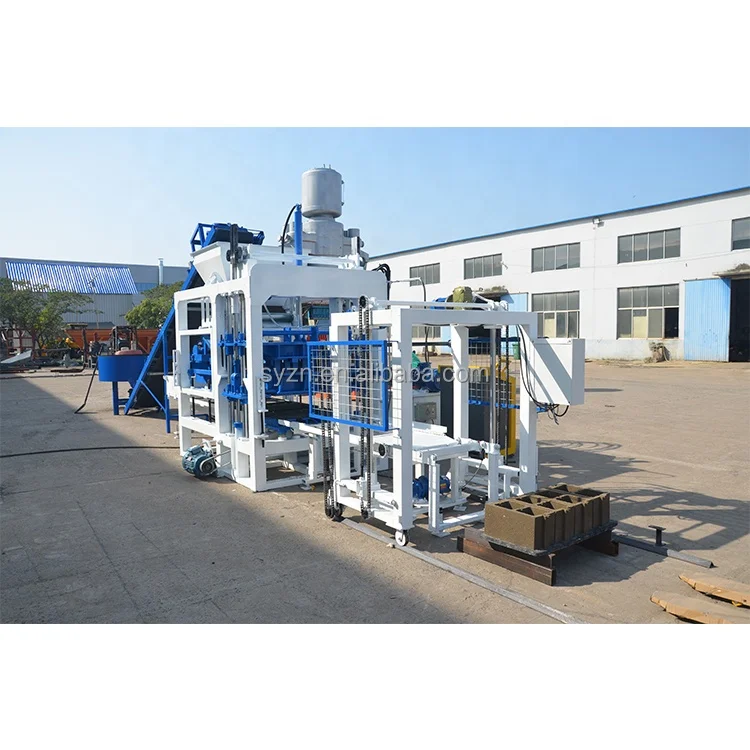
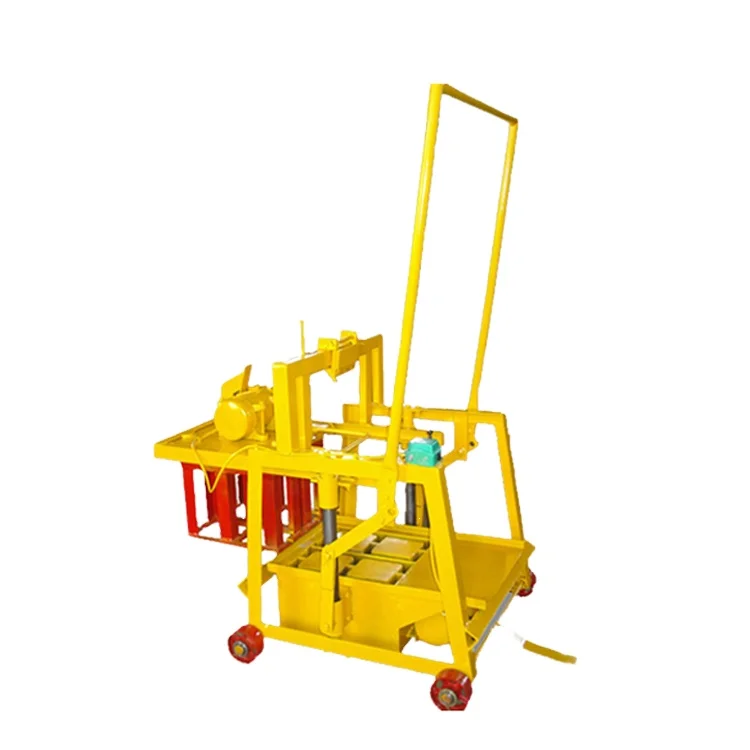 High quality block machine
![QT10-15 Cement Block Machine for Hollow Block | Manufacturer8 + 2 + 9 + 4 + 7 = 30 30 mod 6 = 0 → 句式:[品类词] for [应用或物料] – [站点修饰词] 目标站 shiyueblockmachine.com → 全品类目录类角色 → 池:Manufacturer / Factory Supply / Full Range 30 mod 3 = 0 → Manufacturer Cement Block Machine for Hollow Block – Manufacturer (50) → 刚好50字符 Cement Block Machine for Hollow Block – Manufacturer](https://shiyueblockmachine.com/wp-content/uploads/2026/04/Hb41b33f9751e441c8a35b36846992f0bP.webp)