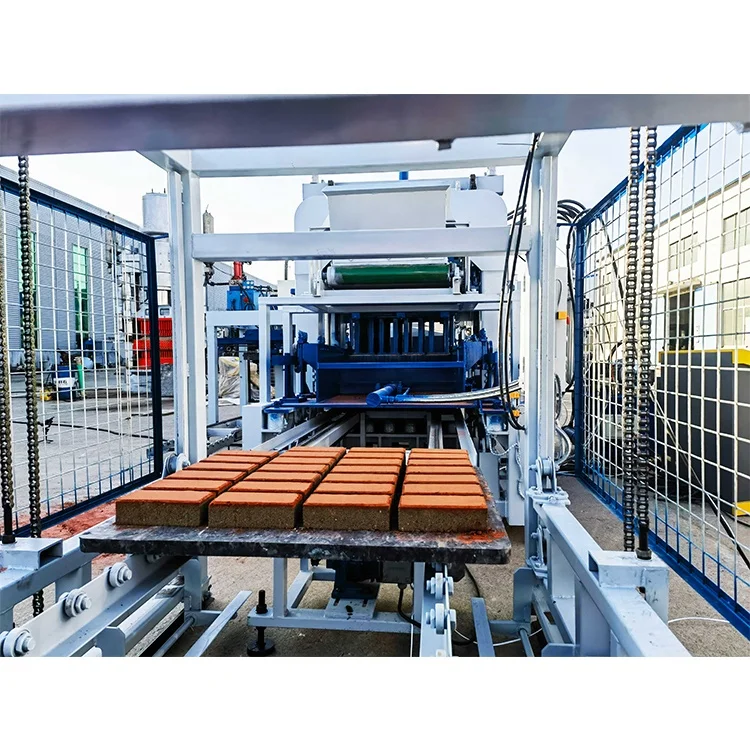
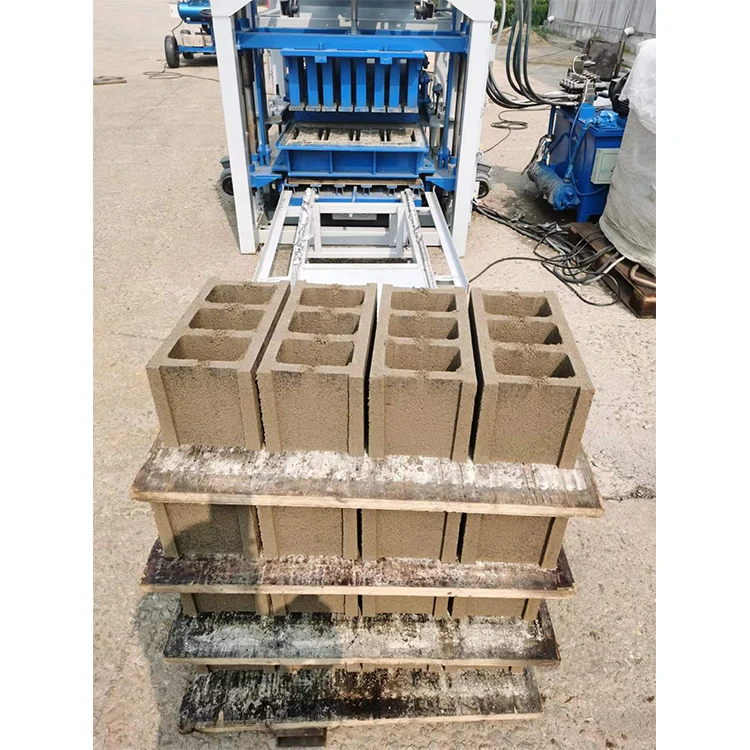
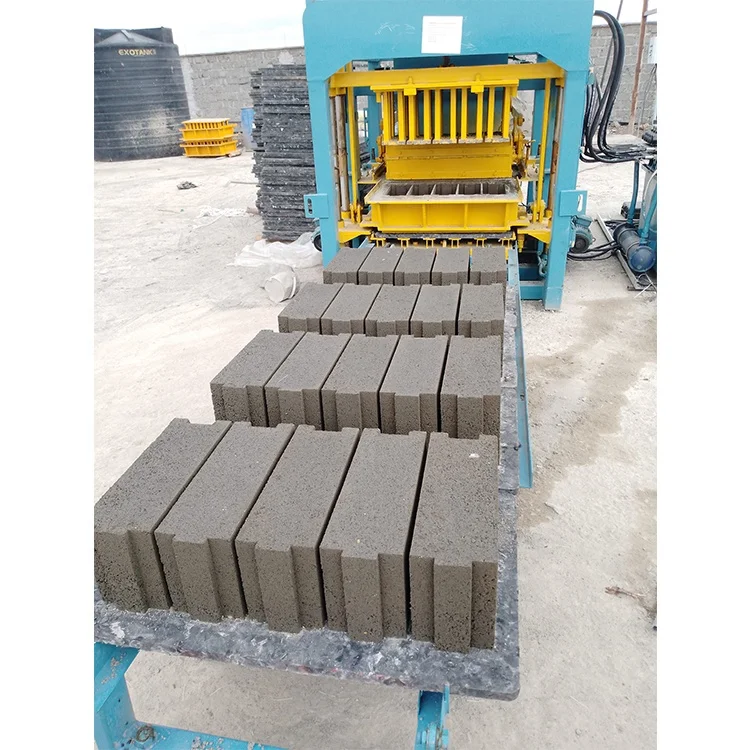
Matched System Design — The QT10-15 interlocking brick machine is specified alongside its moulds, pallets, and handling equipment as a single production unit rather than a standalone press, ensuring the vibration force and hydraulic pressure align with your actual block format and local aggregate from the first production run.
Technical Specifications
| Parameter |
Value |
| Model |
QT10-15 |
| Product Type |
Interlocking Brick Machine |
| Vibration System |
Vertical station mode resonance, automatic FM-AM tuning |
| Hydraulic System |
Independent integrated hydraulic station |
| Control System |
PLC control cabinet |
| Mould Change |
Quick replacement supported for multi-format production |
| Core Components |
Pallet feed machine, block making machine, storage hopper, conveyor, hydraulic unit, PLC cabinet |
| Output (400×200×200mm hollow block) |
1800–2400 pcs/hour (basis: 10 pcs/mould, 15–20s cycle) |
| Output (400×150×200mm block) |
2160–2880 pcs/hour (basis: 12 pcs/mould, 15–20s cycle) |
| Output (240×115×53mm standard brick) |
8928–11160 pcs/hour (basis: 62 pcs/mould, 15–20s cycle) |
| Output (200×100×60mm paving block) |
5184–6480 pcs/hour (basis: 27 pcs/mould, 20–25s cycle) |
| Output (225×112.5×60mm interlocking brick) |
4032–5040 pcs/hour (basis: 24 pcs/mould, 20–25s cycle) |
| Automation Level |
Automatic (pallet handling and stacking scope to be confirmed per line configuration) |
| Warranty |
1 year for whole machine (excluding spare parts) |
| Voltage & Frequency |
Configurable to target market (to be confirmed before production) |
| Pallet Size |
To be confirmed based on curing area and forklift specification |
| CE Declaration |
Available where applicable |
Application Suitability
| Application |
Material or Output |
| Hollow block production |
Crushed stone, sand, cement, and fly ash aggregates for structural wall units |
| Interlocking brick production |
Graded aggregate with cement binder for dry-stack and mortar-less wall systems |
| Paving block production |
Dense aggregate mix for pedestrian and vehicular surface pavers |
| Standard solid brick production |
Fine aggregate and cement for load-bearing and partition masonry units |
| Multi-cellular brick production |
Lightweight aggregate or foamed concrete for thermal insulation blocks |
What "1800 Pieces per Hour" Actually Means for Your Plant
Every capacity figure above is tied to a specific block format, mould cavity count, and cycle time — no single headline number.
I have seen buyers compare quotations based on a single output claim, only to discover after commissioning that the figure assumed a small solid brick while their market demanded hollow blocks at less than half that throughput. When evaluating an interlocking brick machine manufacturer, the question is never just "how many per hour" but "how many of my format, with my mix, on an eight-hour shift." The QT10-15 block machine for sale here is quoted with the mould specification and cycle assumption stated alongside every output tier, so the daily target you plan around is the one you will actually produce [NEED_CITE: capacity calculation standards for concrete block production lines].

Where the QT10-15 Sits in the Shiyue Range
The QT10-15 occupies the upper-mid tier of the Shiyue automatic block machine lineup. It is positioned for production plants that need to cover multiple block formats — from hollow blocks for structural walls to interlocking bricks and paving units — without purchasing separate dedicated machines. The vertical station mode resonance vibration with automatic FM-AM tuning adjusts frequency and amplitude to suit the format in production, which matters when a single line switches between dense pavers and lighter hollow blocks across a shift.
Automation Tiers and Line Integration
The press itself is PLC-controlled, but the automation level of the surrounding line is selectable. A buyer can configure the QT10-15 with manual pallet handling for a lower initial investment and add automatic stacking and cubing later as volume grows. The pallet feed machine, storage hopper, and conveyor listed in the component list are the stations that must be cycle-matched to the press so the QT10-15 block machine for sale is never left waiting for material or pallets [NEED_CITE: block production line cycle synchronization requirements]. This matching is part of the line layout calculation provided before order confirmation.
Reading the Specs That Determine Real Output
Hydraulic pressure and vibration force work together to compact the mix into the mould cavity. The independent integrated hydraulic station on the QT10-15 is isolated from the host vibration, which prevents pressure fluctuation during the compaction phase and extends seal life. The quick mould replacement system is designed so a format change from hollow block to interlocking brick can be completed within a shift rather than consuming an entire production day. The PLC control cabinet manages cycle timing, vibration duration, and feed sequences, and the display language is confirmed before production so operators are not reading alarm codes in an unfamiliar script on day one. Pallet size is not a generic default — it is specified against the curing rack dimensions and forklift capacity the buyer already has on site.
The Cost of Skipping the Aggregate Conversation
I once spent a week on a project site where the interlocking brick machine was running at full speed, but the local desert sand was too fine for the default mix design. Daily output fell well below what the buyer had planned around, and block edges were chipping during pallet handling. The machine was not at fault — the configuration had been set without a sample of the buyer’s actual aggregate. That is why every QT10-15 interlocking brick machine manufacturer quotation from Shiyue now starts with a request for the buyer’s local material. Without that step, the vibration tuning and hydraulic pressure settings are guesses [NEED_CITE: effect of aggregate gradation on concrete block density and strength].
Why Buyers Source This Range Here
Block machinery is the single focus at Shandong Shiyue Intelligent Machinery, so the QT10-15 is specified as a matched system — press, mould, pallet, and handling — rather than assembled from separate suppliers. The configuration is set against your actual mix design and target block format, not a catalogue default. Mould design covers the formats your market sells, including custom drawings when standard moulds do not match local dimensions. The automation level is selectable, meaning a buyer can begin with semi-automatic pallet handling and add stacking and cubing modules as production volume justifies the investment. Installation support includes operator training on the specific PLC interface configured for your site.
Documentation & Verification
- Line layout drawing stating the block format assumed for each capacity tier
- Machine specification sheet with confirmed hydraulic pressure and vibration force ratings
- Mould drawing and format list showing cycle time per block type
- Pallet specification matched to your curing area and forklift capacity
- Voltage, frequency, and PLC display language confirmation sheet before production
- Factory test record on your specified block format before dispatch
Installation, Commissioning & Support
- Foundation plan provided based on the QT10-15 hydraulic station weight and vibration load points
- Dedicated power circuit specification confirmed for the PLC cabinet and hydraulic motor draw
- Machine dismantled into container-load sections with reassembly sequence documented
- First-run parameter tuning on your local aggregate and target block format during commissioning
- Operator training on PLC interface, mould change procedure, and daily maintenance checkpoints
- Wear parts and mould replenishment list provided with part numbers for reordering
What to Prepare Before Requesting a Quotation
To configure the QT10-15 accurately, share your target block formats with dimensions, your required daily output per format, and a sample or sieve analysis of your local aggregate. Confirm the voltage and frequency at your site, the preferred PLC display language, and whether your existing curing area and forklift dictate a specific pallet size. If you are comparing this interlocking brick machine manufacturer proposal against another, clarify whether the competing quotation includes pallet handling, stacking, and cubing — or only the press itself.
Frequently Asked Questions
Q: How is capacity verified per block format on the QT10-15?
A: Each output figure is stated with the mould cavity count, block dimensions, and cycle time it assumes. The line layout document you receive before ordering lists these per format so you can match the calculation against your production target. No single blanket number is used across all block types.
Q: Does the quotation include pallet handling, stacking, and cubing?
A: The automation level is selectable. The base component list includes the pallet feed machine and conveyor, but automatic stacking and cubing modules are confirmed separately based on your budget and production volume. This is clarified during the configuration stage before the quotation is finalized.
Q: How do I confirm voltage, frequency, and PLC language before shipment?
A: A confirmation sheet covering voltage, frequency, and PLC display language is issued for your approval before production begins. This prevents commissioning delays caused by mismatched electrical supply or operators unable to read the control interface on site.
Q: What is the mould change procedure and how long does it take?
A: The QT10-15 supports quick mould replacement designed to allow a format switch within one shift. The mould drawing and format list provided with your documentation specifies the changeover steps and any tools required for each mould type in your configuration.
Q: Which pallet size does the QT10-15 require?
A: Pallet size is not a fixed default — it is specified based on your curing rack dimensions and the forklift capacity already available at your plant. Confirming this during the proposal stage avoids a mismatch that would force changes to your curing area layout after the machine arrives.

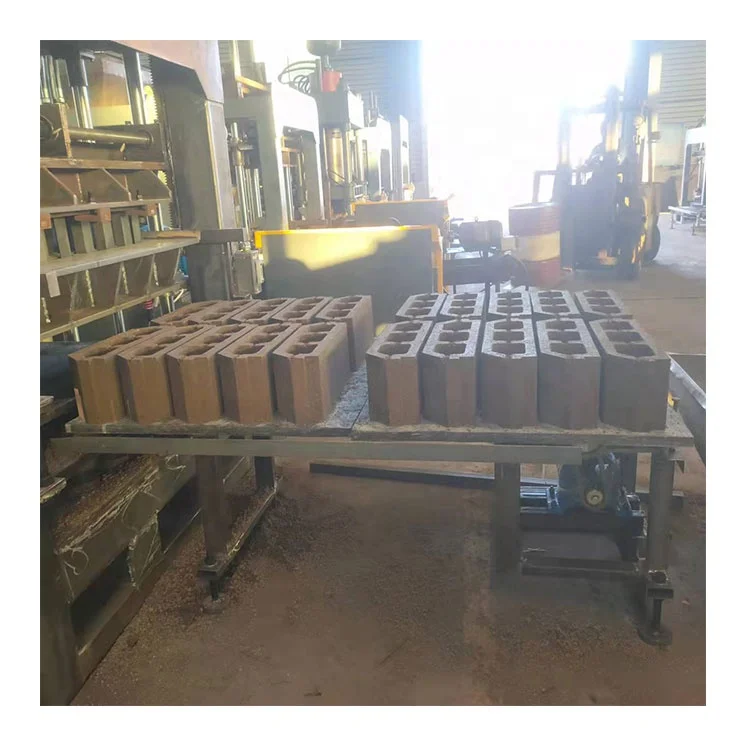
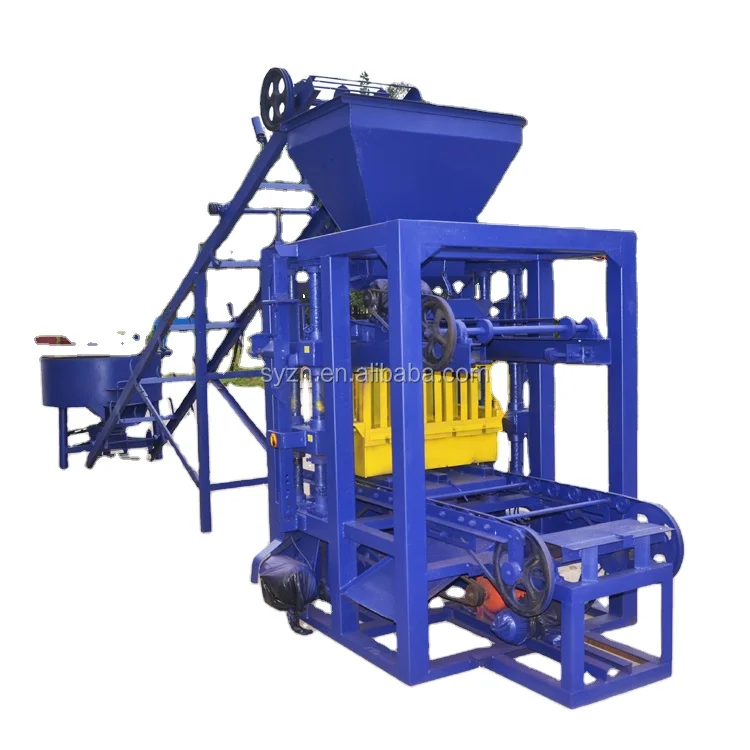 High quality block machine