Matched Vibration and Mass — the QMY4-30 mould vibration force is tuned for lightweight mobile operation rather than borrowed from a stationary press.
Technical Specifications
| Parameter |
Value |
| Model |
QMY4-30 |
| Product Type |
Mobile Egg-Laying Block Making Machine |
| Overall Dimensions (L×W×H) |
1300 × 1500 × 1000 mm |
| Total Mass |
950–1000 kg |
| Vibration Method |
Mould Vibration |
| Vibration Force |
28.6 kN |
| Excitation Frequency |
4500 r/min |
| Total Power |
5.95 kW |
| Molding Cycle |
30 s |
| Output Capacity |
3000 pcs/day (8 hours) (basis to be confirmed) |
| Raw Materials |
concrete, sand, cement, fly ash, construction waste, stone dust, slag |
| Automation Level |
Manual / Semi-automatic (handle-operated) |
| Hydraulic System |
Oil pump motor for mould lifting |
| Control System |
Manual lever / handle operation |
| Mould Format |
Customisable to buyer drawing |
| Assembly State |
Fully assembled, mobile unit |
Application Suitability
| Application |
Material or Output |
| On-site block production for housing projects |
Solid block from river sand and cement |
| Remote infrastructure work |
Paving block using local stone dust |
| Entrepreneur start-up block yard |
Hollow block from fly ash and construction waste |
| Suburban and coastal building sites |
Custom format block from locally available aggregates |
Why the Voltage Question Must Precede the Price
A 5.95 kW motor wound for the wrong grid standard leaves a fully assembled Mobile Block Making Machine manufacturer unit sitting idle on the job site.
Early in my time running sites in Southeast Asia, a mobile unit arrived with a three-phase 415V electrical cabinet, while the local contractor only had a 220V supply available on the ground. The machine waited weeks for a new panel, and the project schedule collapsed [NEED_CITE: voltage and frequency standards by export market]. Confirming the site voltage, frequency, and motor winding before the factory builds the cabinet prevents this kind of standstill, regardless of how small the machine is.
Where the QMY4-30 Sits in the Range
The QMY4-30 is the entry point of the Shiyue mobile block machine range. It is designed for contractors and small producers who need to lay block directly on the ground without a fixed foundation, pallet feed system, or a permanent plant building. Buyers surveying their first equipment purchase or looking to replace an aging unit can use this tier to understand what a manual egg-laying operation provides before evaluating higher investment levels.
Matching the Mobile Block Making Machine Manufacturer Range to Your Output Goal
When you walk through the complete block machine range, the distinction between mobile, semi-automatic, and fully automatic tiers comes down to capital outlay, plant footprint, and the level of handling equipment you are prepared to install [NEED_CITE: typical capital and footprint differences across block machine tiers]. The mobile tier requires the smallest paved area and no curing rack automation, making it the logical starting point for a single operator or a small crew moving between remote job sites.

Vibration Force and Excitation Frequency on a Lightweight Frame
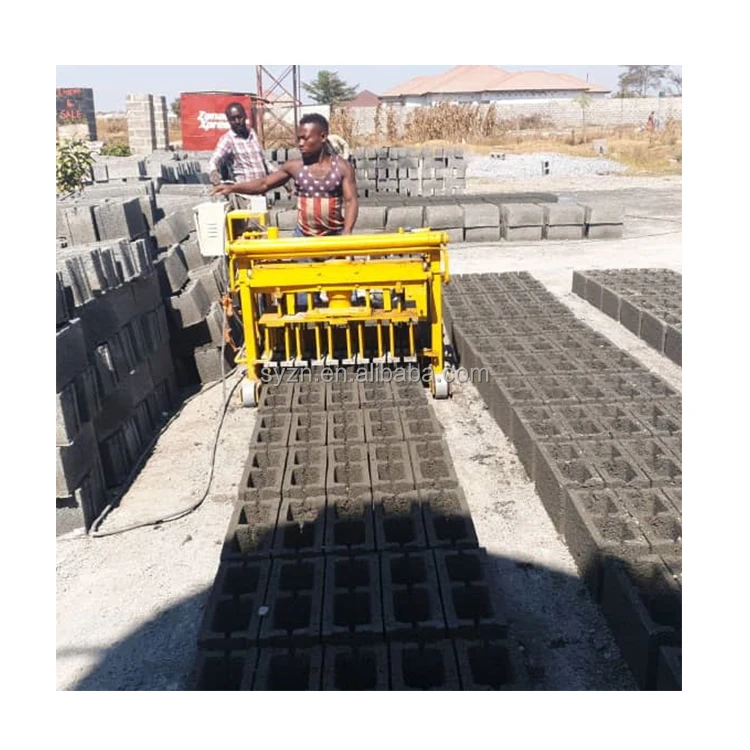
A mobile egg-laying machine cannot rely on the massive hydraulic pressure and table vibration of a stationary line. The 28.6 kN vibration force at 4500 r/min is applied directly to the mould, which is a deliberate choice for a unit weighing under 1000 kg. This mould vibration approach compacts the concrete mix sufficiently for solid and standard hollow formats while keeping the total power draw at 5.95 kW, a level that most portable generators or small site supplies can support.
Ground Surface and the 30-Second Molding Cycle
The egg-laying method means the block is extruded directly onto the ground or a paved surface as the machine moves forward. A smooth, level concrete floor gives the most consistent block height and reduces the chance of a unit tipping during the 30-second cycle. The handle-operated mould lift and material feed put the cycle time in the operator’s hands; a steady rhythm keeps output predictable without the need for a PLC or compressed air lines [NEED_CITE: ground preparation requirements for mobile egg-laying block machines].
Selecting the Wrong Tier and the Hidden Cost
Choosing a mobile unit when your daily volume and market format demand a stationary line results in a production ceiling that no amount of extra shifts can overcome. Conversely, buying a fully automatic plant when your market only absorbs a few thousand blocks a day ties up capital in unused stacking and cubing equipment. The hidden cost is the mismatch between the machine tier and the actual sales volume your local market can sustain.
Why Source This Tier From Shiyue
Block machinery is the single focus here, so the QMY4-30 is specified as one matched unit — machine, mould, and lifting mechanism — rather than assembled from separate suppliers. The configuration is set against your target block format and the aggregate you can actually source locally. Mould design is done to your drawing, and the automation level is selectable, so you can start with manual operation and move to a semi-automatic line later without replacing the core press.
Documentation & Verification
- Capacity calculation sheet stating the exact block format and mix assumed for the daily output figure.
- Machine specification and mould drawing package supplied before the factory cuts steel.
- Voltage, frequency, and motor winding confirmation sheet signed off before the electrical cabinet is built.
- Factory test record with photographs of the QMY4-30 running your requested mould format before packing.
Installation, Commissioning & Support
- Fully assembled unit rolls off the container floor; no foundation bolts or heavy rigging required.
- 5.95 kW total power draw confirmed against your site supply or portable generator capacity before start-up.
- Oil pump motor and handle mechanism adjusted on site to match your operator’s preferred cycle rhythm.
- Custom mould fitted and first production run supervised to verify block dimensions against your drawing.
- Spare mould wear parts list provided so replacements are on hand before the first production run wears out.
What to Send With Your Inquiry
Tell us the block format your local market sells most, the aggregate materials you can source near the site, and the voltage and frequency of your power supply. If you already have a paved casting area or a specific job site footprint, include those dimensions so we can confirm the QMY4-30 fits your working space.
Frequently Asked Questions
Q: What block format is the daily capacity figure based on?
A: The capacity figure in the specification table is a general reference and the exact block format, mix design, and shift hours it assumes must be confirmed with the manufacturer. Output changes noticeably when you move from a standard solid block to a larger hollow format or a thin paving block, so we always issue a revised calculation sheet against your specific drawing.
Q: Which voltage and frequency is the motor wound for?
A: The motor winding is not a factory default; it is built to match the voltage and frequency you confirm for your site. Before the electrical cabinet is assembled, we send a confirmation sheet listing the agreed supply standard so the 5.95 kW motor and oil pump match your local grid or generator on arrival.
Q: What ground surface does the egg-laying operation need?
A: The machine lays block directly onto the ground, so a smooth, level concrete slab gives the most consistent block height and keeps the unit stable during the vibration cycle. Uneven or soft ground causes the block base to deform and can interrupt the 30-second cycle rhythm as the operator corrects the machine path.
Q: When should a buyer step up from this mobile unit to a stationary line?
A: The step up happens when your daily sales volume exceeds what a single mobile unit and crew can sustain, or when your market requires multiple block formats that mean frequent mould changes. A semi-automatic stationary line adds pallet feeding and a fixed casting station, giving higher consistent output and shorter format changeover times than a mobile machine.

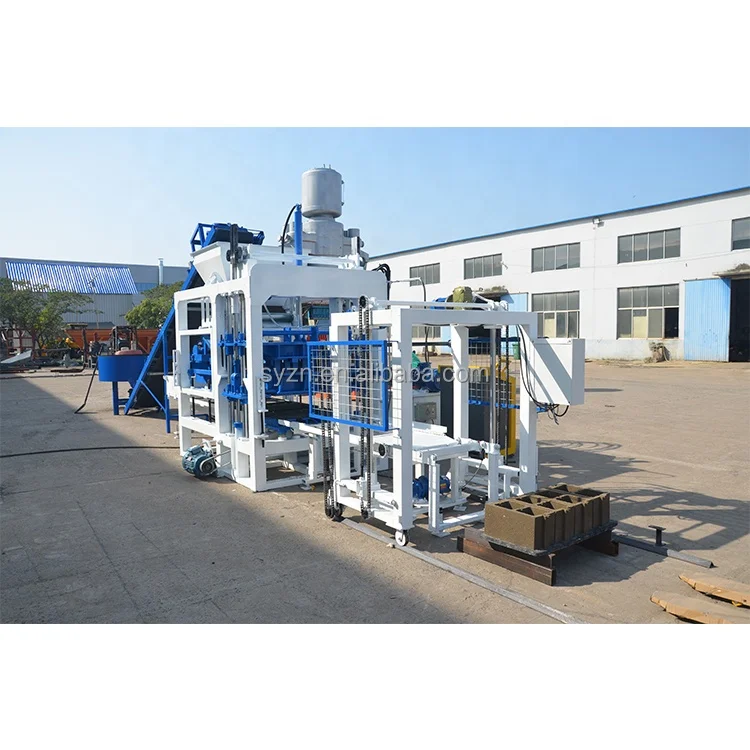 High quality block machine