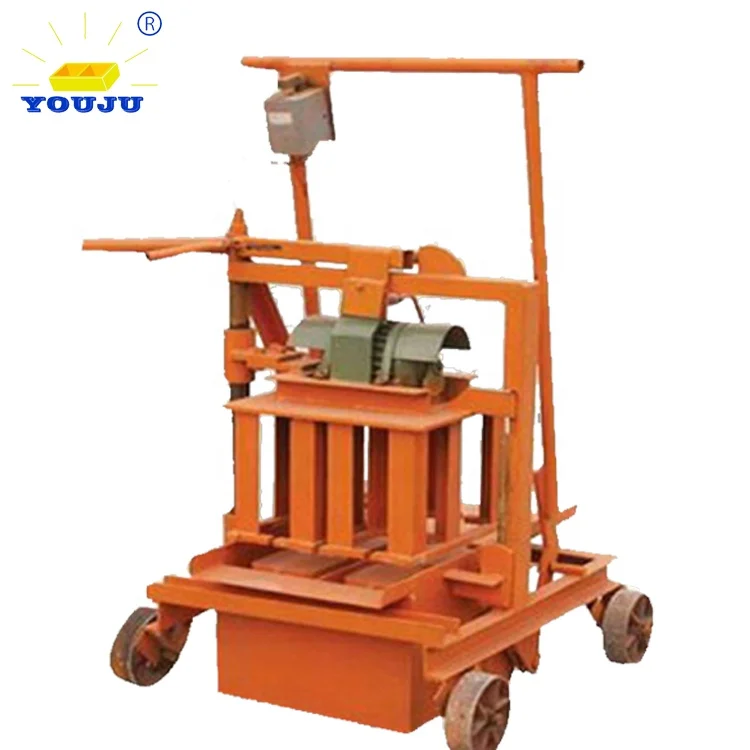
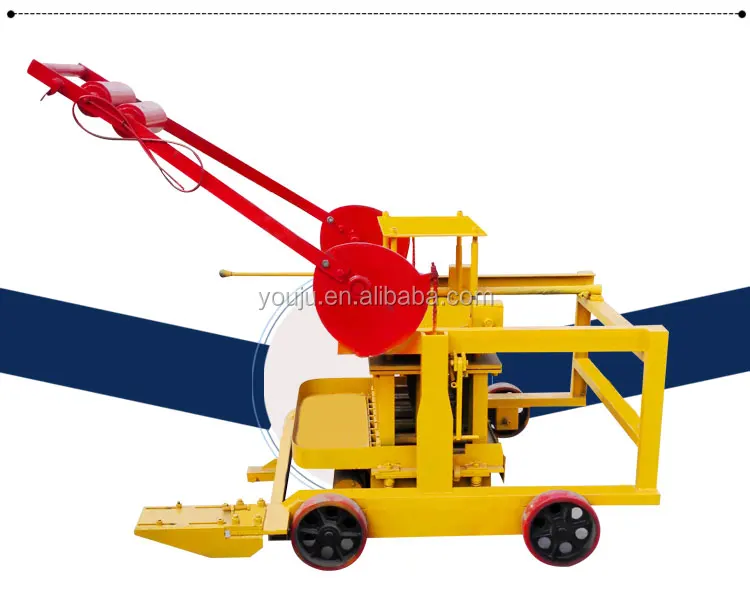
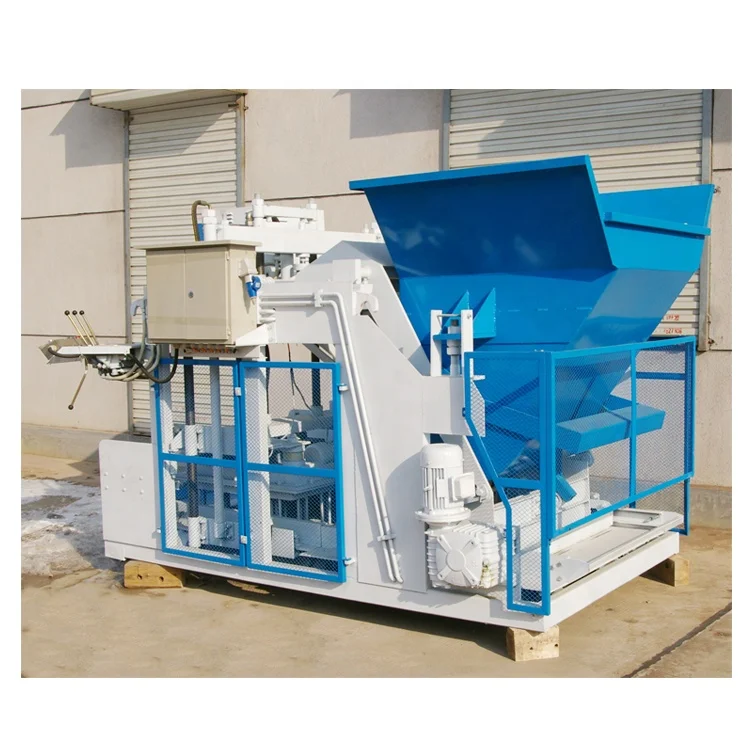
Matched System Sourcing — block machine, mould, pallet and handling configured as one unit rather than assembled from disconnected suppliers, keeping the QMY12-15 mobile egg-laying line free of mismatched component bottlenecks.
Technical Specifications
| Parameter |
Value |
| Model |
QMY12-15 |
| Product Type |
Automatic Hydraulic Mobile Hollow Block Making Machine |
| Machine Type |
Mobile egg-laying block machine |
| Automation Level |
Automatic |
| Pressure System |
Hydraulic pressure (rating basis not stated in source) |
| Vibration Force |
(basis not stated in source) |
| Block Format Capacity |
Multi-size production 4/6/8/9 inch cement blocks |
| Mould Format |
Hollow block (multiple inch sizes supported) |
| Cycle Time per Format |
(basis not stated in source) |
| Output Capacity |
(basis not stated in source) |
| Pallet Requirement |
Not required (lays blocks directly on ground) |
| Stacking Method |
On-ground egg-laying |
| Control System |
(basis not stated in source) |
| Voltage & Frequency |
(basis not stated in source) |
| Assembly State |
Fully assembled, mobile unit |
| Mould Change Time |
(basis not stated in source) |
Application Suitability
| Application |
Material or Output |
| On-site concrete hollow block production |
Crushed stone, sand, cement, and water mixes without fixed plant infrastructure |
| Construction project site manufacturing |
4/6/8/9 inch cement blocks produced at remote or temporary housing developments |
| First-time block plant operations |
Standard hollow blocks with limited capital, no pallet handling infrastructure |
| Building material distributor supply |
Mobile production for smaller or remote customers avoiding full stationary lines |
What "Cycles per Hour" Means When the Block Size Changes
A cycle time figure only matters once you know which hollow block format it was measured on.
I have watched buyers receive a QMY12-15 mobile block machine for sale and run it for a week before realizing the quoted output assumed the smallest 4-inch block, while their local market was asking for 9-inch hollow blocks. The difference in cycle time between those two formats is substantial because the larger block requires more fill depth, longer vibration, and a slower travel speed to maintain compaction density. [NEED_CITE: mobile egg-laying block machine output variation by block format] When suppliers quote a single cycles-per-hour number without naming the format, the buyer ends up planning a project around a capacity the machine was never configured to deliver in their actual product mix.
Where the QMY12-15 Sits on the Block Machine Range
The QMY12-15 occupies the mobile egg-laying tier, which is distinct from both semi-automatic stationary lines and fully automatic plants. A stationary machine requires pallets, a pallet return conveyor, and a curing rack system — all of which add footprint, capital cost, and operational complexity. The mobile block machine for sale in this tier eliminates those stations entirely by laying blocks directly on a prepared ground surface, which simplifies the production workflow but shifts the curing logistics onto the site itself.
Trade-offs That Come with Egg-Laying Mobility
The ground-laying method means the QMY12-15 needs a flat, level, and sufficiently large concrete floor area to serve as both the production path and the initial curing zone. Unlike a stationary line where blocks are racked vertically in a controlled curing area, egg-laying production spreads horizontally. [NEED_CITE: curing area requirements for mobile egg-laying block production] The trade-off is straightforward: lower machine investment and simpler operator training, exchanged for a larger floor footprint and dependence on ambient conditions for early-stage block curing.
How Hydraulic Pressure and Vibration Interact in a Mobile Frame
In any block press, hydraulic pressure forces the mix into the mould cavity while vibration settles the aggregate and removes trapped air. On a mobile egg-laying machine, both systems must work within a frame that is also moving across the production floor after each cycle. The hydraulic pressure rating and vibration force must be matched to the specific mix design and local aggregate characteristics — a machine tuned for river sand will underperform with volcanic scoria or crushed limestone. The QMY12-15 supports 4/6/8/9 inch hollow block formats, and each format changes the mould cavity depth, which in turn changes how much vibration energy is needed to achieve consistent compaction from top to bottom of the block. Getting this balance right is what determines whether the blocks meet the strength requirement when they come out of the curing period.

The Cost of Skipping the Material Sample Step
When a QMY12-15 arrives on site and the local aggregate does not match what the machine was tuned for at the factory, the result is blocks that crumble at the edges or fail a compression test. The vibration frequency that works perfectly with standard graded sand may leave air pockets in a mix using locally crushed granite. Buyers who skip sending a raw material sample before production often face weeks of parameter adjustment on site, burning through cement and aggregate while output piles up as waste. [NEED_CITE: aggregate variation impact on concrete block compaction] This is why requesting the buyer’s actual mix materials before finalizing the machine configuration is not a delay — it is the step that prevents the delay.
Why Buyers Source This Machine Range Here
Block machinery is our single focus, so the QMY12-15 is specified alongside its moulds and any supporting handling as one matched system. We configure the vibration and pressure settings against the buyer’s actual mix design and local aggregate rather than shipping a catalogue default. Mould design covers the formats the buyer’s market actually sells, and custom drawings are available when standard 4/6/8/9 inch sizes do not match local building codes. Automation level is selectable, so a buyer can begin with the automatic hydraulic cycle and add control features later. Installation support includes on-site commissioning with operator training so the first production run is supervised.
Documentation & Verification
- Line layout showing production path and curing area dimensions for the QMY12-15 footprint
- Capacity calculation sheet stating which 4/6/8/9 inch block format each output figure assumes
- Mould drawing and format list confirming all included hollow block dimensions
- Hydraulic pressure and vibration force test record from factory run before dispatch
- Voltage, frequency, and control language confirmation signed off before production begins
Installation, Commissioning & Support
- Ground surface must be level concrete with sufficient area for the QMY12-15 production path and curing spread
- Power supply matched to confirmed voltage and frequency with a dedicated circuit for the hydraulic pump motor
- Machine ships fully assembled; on-site work covers mould fitting and control system power-up
- First production run includes parameter tuning against the buyer’s actual mix design and aggregate
- Operator training covers mould change procedure between 4/6/8/9 inch formats and daily maintenance checks
- Wear parts list provided with recommended replacement intervals for hydraulic seals and vibration components
Before You Request a Quote
To size the QMY12-15 mobile egg-laying block machine correctly for your site, send the target block format your market sells most, the daily output you need to meet project timelines, and a sample of the aggregate and sand you plan to use. Confirm your site voltage and frequency so the electrical system is built to match. If you have an existing curing area or forklift, share those dimensions so the production layout accounts for your current equipment.
Frequently Asked Questions
Q: How is daily output calculated for the QMY12-15, and which block format does the quoted capacity assume?
A: Output depends entirely on the hollow block format being produced. A 4-inch block has a shorter fill and vibration cycle than a 9-inch block, so the same machine delivers different daily totals across formats. We provide a capacity calculation sheet that states the output for each of the 4/6/8/9 inch sizes separately, so you can plan against the format your market actually orders.
Q: Where does a mobile egg-laying machine sit compared to semi-automatic and fully automatic stationary lines?
A: The mobile tier requires the lowest capital investment and eliminates pallets, curing racks, and pallet return conveyors. The trade-off is a larger horizontal floor footprint for ground-laying production and curing. Semi-automatic and fully automatic stationary lines use vertical racking in a controlled curing area but add significant equipment cost and operational complexity.
Q: What are the voltage and control system requirements for the QMY12-15 in my target market?
A: Voltage and frequency must be confirmed before production so the motor and control panel match your local supply. The control system language is also confirmed at this stage to avoid delays during commissioning. We sign off on a voltage and control confirmation sheet with every buyer before the machine enters the build stage.
Q: How does the plant footprint of the QMY12-15 compare to entry-level stationary machines?
A: The QMY12-15 mobile block machine for sale has no pallet system, curing racks, or conveyor returns, so the machine itself occupies less space. However, the ground-laying production method requires a large flat concrete area to serve as both the travel path and initial curing zone. The total site footprint is often comparable but distributed differently.
Q: What mould formats are included, and how quickly can I switch between hollow block sizes?
A: The QMY12-15 supports 4/6/8/9 inch hollow block moulds. Mould change time varies and is confirmed in the specification sheet for each format. We provide a mould drawing and format list showing all included dimensions, and custom mould designs are available if your local market requires sizes outside the standard range.

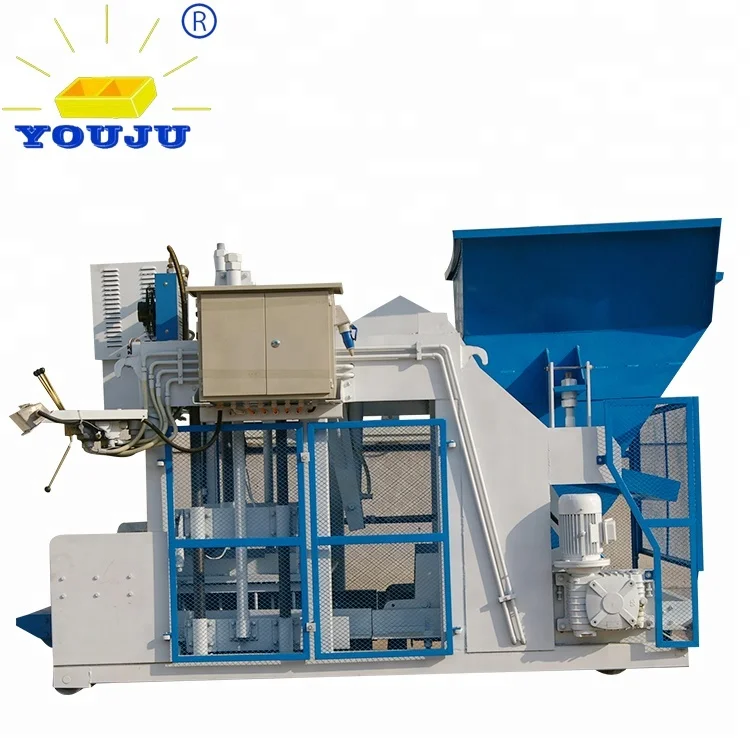
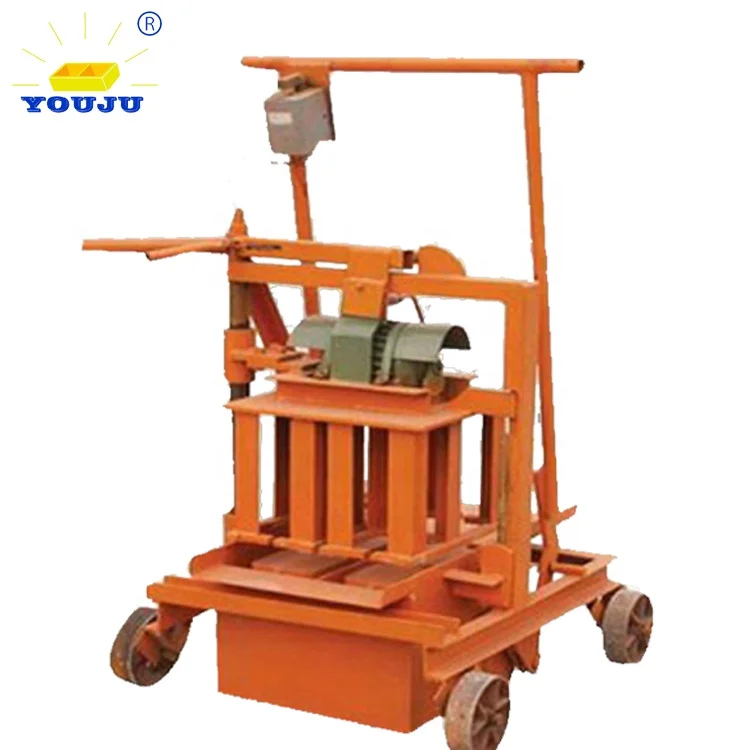 Mobile block machine