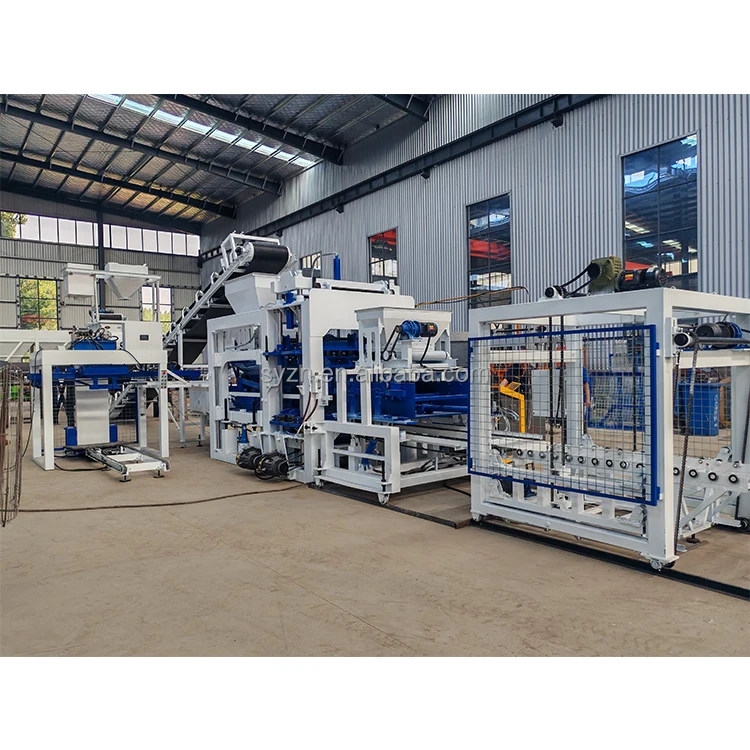
Single-Focus Engineering — The M7MI hydraulic clay interlocking block machine is specified alongside its mould, pallet and curing layout as one matched system, so a buyer surveying the full Shiyue range can see exactly where this diesel unit fits before stepping up to automatic lines.
Technical Specifications
| Parameter |
Value |
| Model |
M7MI |
| Product Type |
Hydraulic Clay Interlocking Block Making Machine |
| Power Source |
Diesel Engine (off-grid capable) |
| Hydraulic Pressure |
16 MPa |
| Molding Cycle |
15–20 s per stroke |
| Capacity per Format |
200 pcs/h, 1600 pcs/8hr (based on 300×150×100 mm interlocking block, 1 pc/mould, 20 s cycle) |
| Output Capacity |
2200 pcs/day (8 hours) (basis not stated in source — confirm block format / material / thickness) |
| Mould Format |
Interlocking block, 300×150×100 mm stated; other profiles via mould change |
| Overall Dimensions (L×W×H) |
3200 × 1100 × 1500 mm |
| Net Weight |
1100 kg |
| Assembly State |
Skid-mounted, single-unit press |
| Automation Level |
Manual / semi-automatic (no PLC or automatic stacking stated) |
Application Suitability
| Application |
Material or Output |
| On-site interlocking block production |
Clay, laterite soil, or lean concrete mix |
| Off-grid rural housing projects |
Diesel-powered operation without grid electricity |
| Small to medium masonry supply |
Interlocking wall blocks for single and double-storey construction |
| Pilot production before line scale-up |
First-plant entrepreneurs testing local aggregate response |
What "2200 Pieces per Day" Leaves Out About Clay Block Output
A daily figure without a stated block format and cycle time is not a production plan — it is a hope.
I once watched a contractor in West Africa receive a mobile block press quoted at a round daily number, only to find the cycle slowed considerably once the local red soil was introduced. The press was not at fault; the clay required a longer dewatering stroke than the factory sample, and nobody had matched the pressure curve to the new mix before dispatch. That is why every Hydraulic Clay Interlocking Block Machine manufacturer worth talking to will ask for your soil sample before confirming throughput [NEED_CITE: soil moisture and plasticity index effect on hydraulic press cycle time].
When you survey the M7MI against the rest of the Shiyue range, the honest comparison is not peak cycles but the format-specific chart: which interlocking profile you will actually sell, what the 16 MPa pressure does to that specific geometry, and where the machine sits between a workshop-tier press and a fully automatic stacking line.

Where the M7MI Sits in the Shiyue Block Machine Range
The M7MI occupies the mobile, off-grid tier of a broader spectrum that runs from small manual egg-layers through to high-bay automatic plants with cubing and rack handling. Buyers who lack reliable three-phase power — or who need to produce directly on a remote housing site — start here. The diesel engine removes the voltage conversation entirely, which is unusual in a market where most presses arrive with a 380 V motor that cannot run on the local generator.
For a buyer comparing tiers, the decision point is whether the 1600-piece-per-shift output on the 300×150×100 mm interlocking block meets the project timeline, or whether the next step up — a semi-automatic line with pallet return — is needed to keep pace with a curing yard that runs two shifts.
Choosing Between Mobile, Semi-Automatic and Fully Automatic Tiers
Moving up the range trades portability for throughput consistency. A semi-automatic station adds pallet feeding and a simple stacker, which matters once daily volume climbs beyond what a two-person crew can move by hand. A fully automatic line introduces PLC batching, automatic cubing and remote diagnostics — features the M7MI does not carry [NEED_CITE: automation level selection criteria for concrete block plants].
The M7MI’s role is therefore specific: it is the machine you choose when grid power is absent, when the site will move once the project ends, or when you are validating a local clay source before committing to a fixed plant. Understanding that placement prevents the common mistake of buying a press that is either oversized for the site or undersized for the contract.
Reading the Specs That Actually Govern Block Density
Hydraulic pressure of 16 MPa, combined with the dwell time in the 15–20 s cycle window, determines how tightly the clay particles are packed into the interlocking profile. Too short a stroke on a high-plasticity soil and the block springs back when the mould opens; too long and throughput drops. The skid-mounted frame keeps the press rigid during the compression phase, which is important because any flex in the chassis translates directly into dimensional variance across the 300×150×100 mm cavity.
Diesel power also means engine speed directly governs pump output, so operator training focuses on holding a steady throttle rather than trusting a fixed-frequency electric motor. The 1100 kg net weight is enough to resist the press reaction force without a bolted foundation, letting the unit work on compacted ground rather than a poured slab.
The Hidden Cost of Sizing a Machine Without a Soil Sample
Sending a press to a laterite site without first testing the local clay’s moisture and plasticity is the single most common reason for disappointing first-week output. The operator compensates by lengthening the cycle manually, which the quotation did not account for, and the daily total drifts well below expectation. In some cases the buyer then blames the Hydraulic Clay Interlocking Block Machine manufacturer and requests a warranty visit, when the real fix is a revised mix design or a slightly different mould clearance [NEED_CITE: interlocking block compressive strength variation by soil type].
A sample tested before production lets the factory set the hydraulic relief valve and confirm the cycle on the actual material, so the capacity chart you receive matches what will happen on your site rather than what happened on a test bench with imported sand.
Why Buyers Source This Press From Shiyue
Block machinery is the sole product category, so the M7MI is not bundled from unrelated suppliers — the press, mould, pallet and skid are specified as one system. The interlocking mould is built to the profile your market actually sells, and alternative profiles are quoted on the same drawing set so a format change is a documented procedure rather than a workshop improvisation.
Configuration is set against your submitted soil sample and target block strength, not a catalogue default. The diesel engine is matched to the pump displacement, and the skid is sized for standard container loading so dismantling and dispatch follow a known routine. Where an upgrade path is needed, the same range offers semi-automatic and automatic tiers that share pallet and mould dimensions, protecting your earlier investment in tooling and curing racks.
Documentation & Verification
- Line layout showing the M7MI alongside pallet and curing yard space per format
- Machine spec sheet stating hydraulic pressure, cycle time and diesel engine rating
- Mould drawing with interlocking profile dimensions and wear-strip locations
- Factory test record run on buyer-supplied soil sample before dispatch
- Diesel engine certificate with fuel consumption and service interval data
- Packing photographs showing skid lashing points for container loading
Installation, Commissioning & Support
- Skid-mounted frame requires compacted ground, no poured foundation, for the 3200 mm footprint
- Diesel engine arrives with first-service oil and filter kit for initial break-in
- Mould alignment checked on site using the buyer’s own soil mix during commissioning
- Operator training covers throttle-to-cycle relationship unique to diesel-driven hydraulics
- Wear parts list identifies hydraulic seals and mould liner replacements by part number
- Mould change procedure documented so a new interlocking profile can be fitted within a shift
What to Share When Requesting a Quotation
To place the M7MI correctly against the rest of the range, share the interlocking block profile your market requires, the daily volume your contract or sales forecast demands, and a representative soil sample from the intended production site. Confirm whether grid power exists on site or whether diesel is the only option, and state the curing yard area you can allocate — this determines pallet quantity and rack layout around the press.
Frequently Asked Questions
Q: How is daily output calculated for the M7MI, and which block format is assumed?
A: The stated 1600 pieces per eight-hour shift assumes a 300×150×100 mm interlocking block produced at a 20-second cycle with one piece per mould stroke. Any change in format size, mould cavity count, or soil-driven cycle adjustment will shift that number, which is why capacity is always restated per format on the quotation.
Q: Where does the M7MI sit in the range — when should I consider semi-automatic instead?
A: The M7MI is the off-grid, mobile tier. Choose semi-automatic when your site has stable power, daily volume exceeds what a two-person pallet crew can handle, and you want pallet return and basic stacking to reduce manual lifting between the press and the curing yard.
Q: Can the machine run on my local clay, and what testing is required first?
A: Yes, but the hydraulic pressure and cycle must be matched to your soil’s plasticity and natural moisture. We ask buyers to ship a representative sample so the factory can run a pressing trial, confirm block density, and set the relief valve before the machine leaves for your site.
Q: What pallet size and curing setup does the M7MI need?
A: Pallet dimensions are set to match the 300×150×100 mm mould footprint plus handling clearance. Curing rack layout depends on your daily output and yard space; the quotation includes a rack and pallet count so the press is never waiting for a pallet to return from the curing area.
Q: What is the upgrade path if my volume outgrows the M7MI?
A: The Shiyue range continues through semi-automatic lines with pallet return and fully automatic plants with stacking and cubing. Mould and pallet dimensions can be carried forward, so your existing tooling and curing inventory remain usable when you move to a higher-tier press.

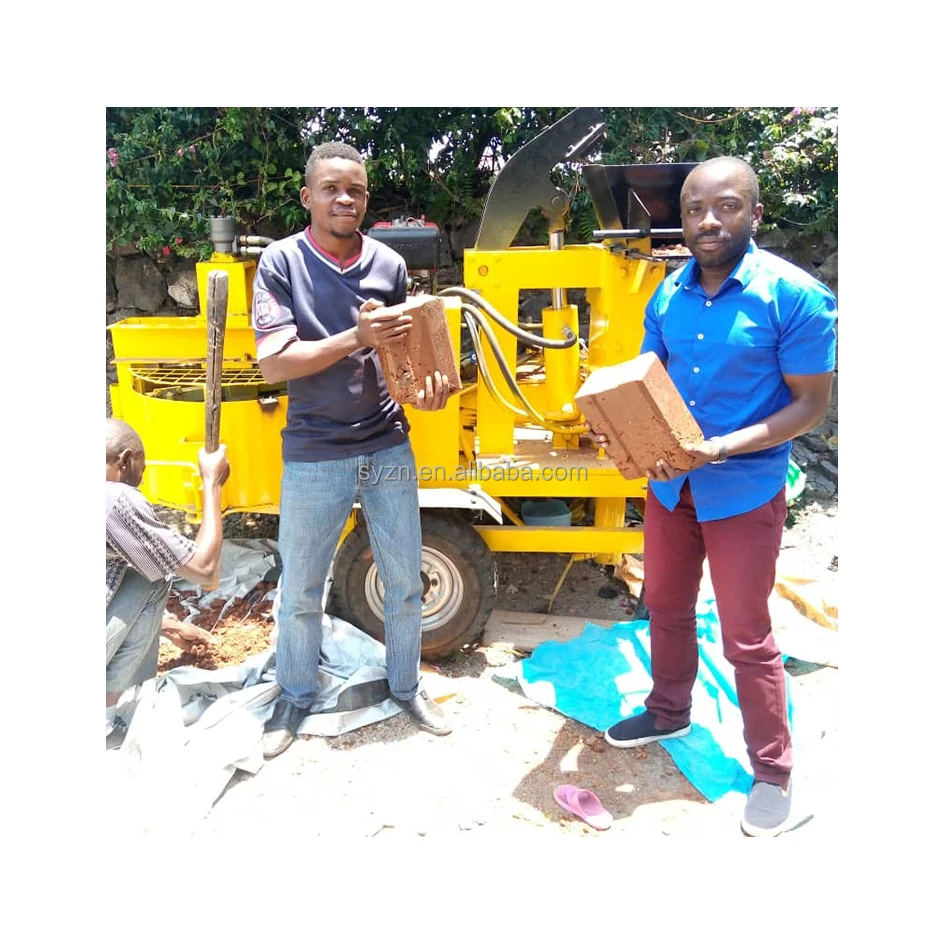
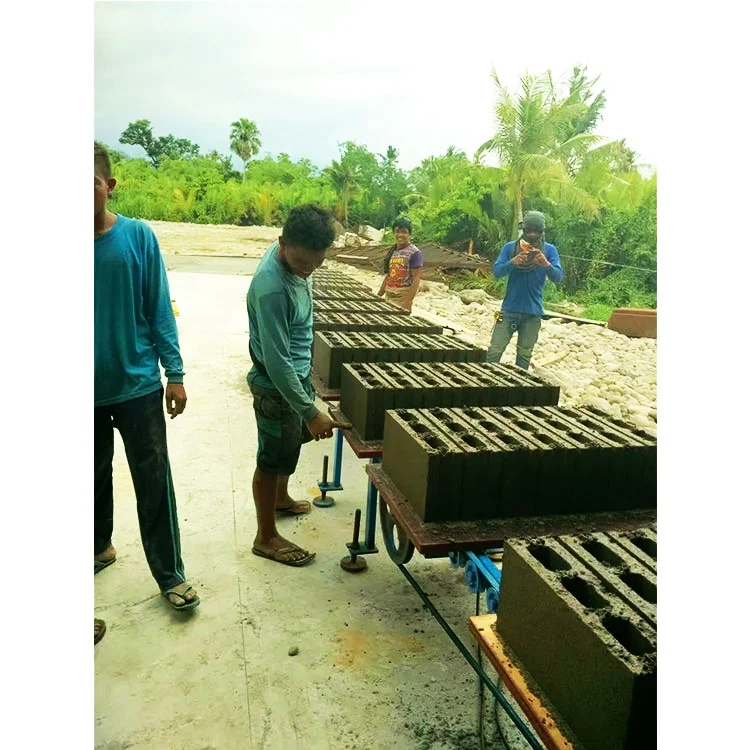 High quality block machine
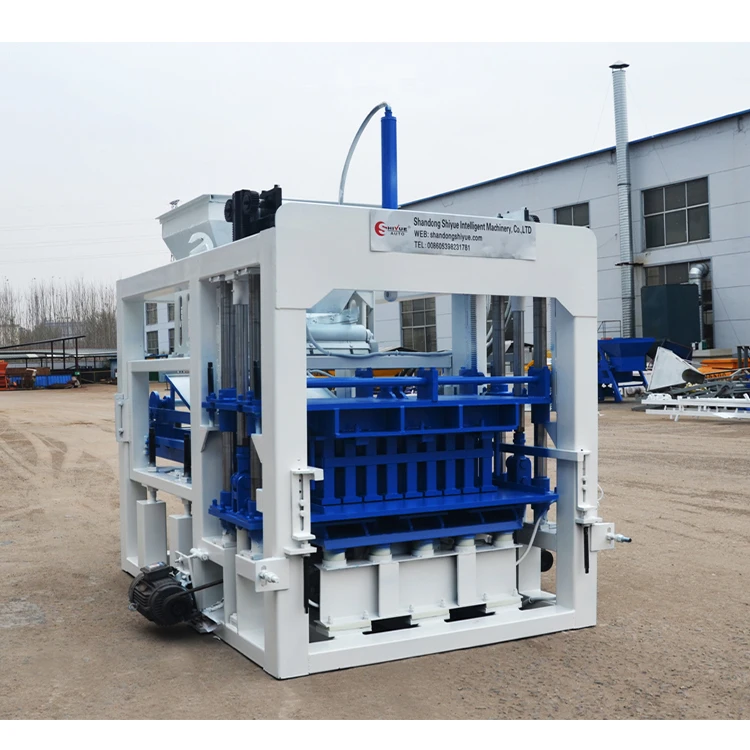
![QT10-15 Cement Block Machine for Hollow Block | Manufacturer8 + 2 + 9 + 4 + 7 = 30 30 mod 6 = 0 → 句式:[品类词] for [应用或物料] – [站点修饰词] 目标站 shiyueblockmachine.com → 全品类目录类角色 → 池:Manufacturer / Factory Supply / Full Range 30 mod 3 = 0 → Manufacturer Cement Block Machine for Hollow Block – Manufacturer (50) → 刚好50字符 Cement Block Machine for Hollow Block – Manufacturer](https://shiyueblockmachine.com/wp-content/uploads/2026/04/Hb41b33f9751e441c8a35b36846992f0bP.webp)