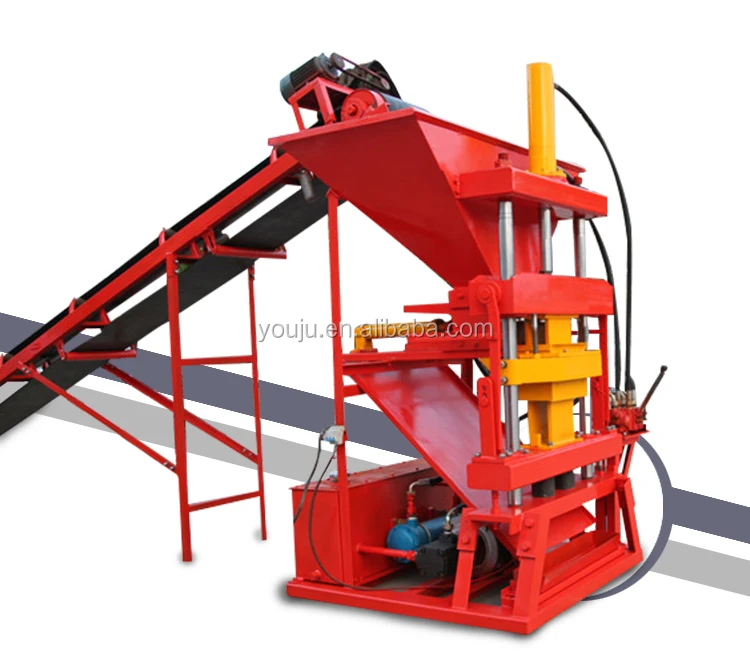
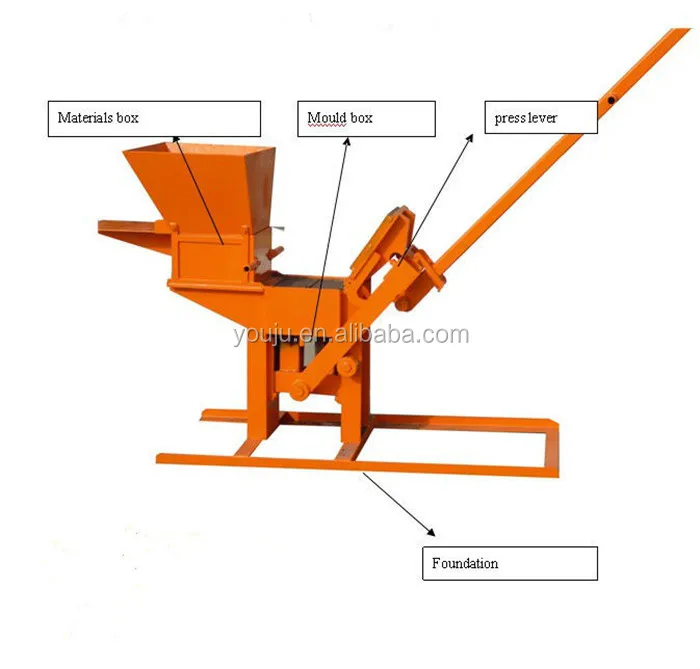
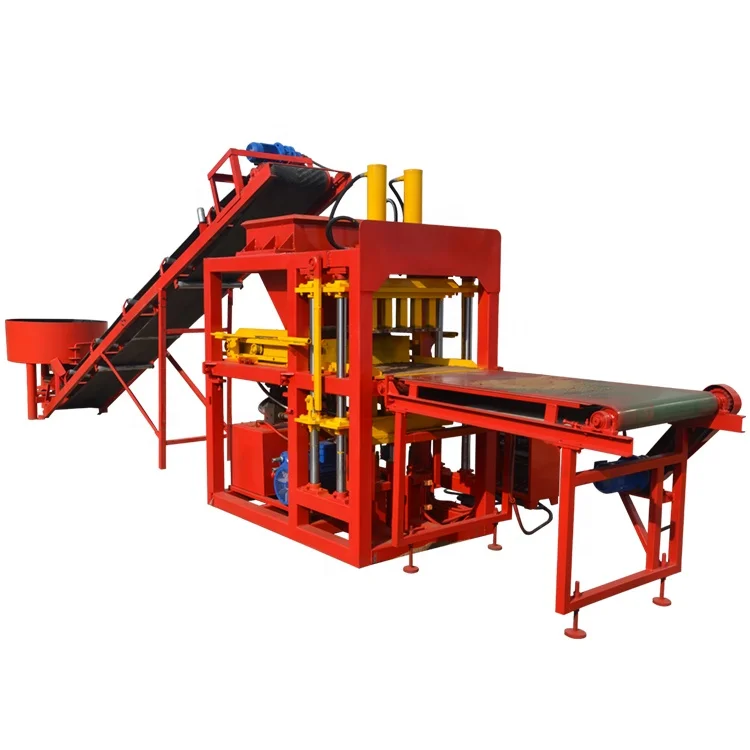
Hydraulic Pressing Matched to Local Soil — every LY5-10 configuration starts with a soil sample analysis before vibration frequency and cylinder pressure are locked in.
Technical Specifications
| Parameter |
Value |
| Model |
LY5-10 |
| Product Type |
Automatic Hydraulic Interlocking Clay Brick Making Machine |
| Rated Power |
15 kW |
| Control System |
PLC controlled, single-operator capable |
| Overall Dimensions |
2260 × 1500 × 2380 mm |
| Net Weight |
2200 kg |
| Output Capacity |
14,400 pcs/day (basis not stated in source — confirm interlocking brick format, dimensions, and material) |
| Molding Cycle |
10 s per cycle (basis not stated in source — confirm brick format and mix) |
| Brick Output per Cycle |
One or two bricks depending on mould fitted |
| Hydraulic System |
Equipped; pressure setting to be confirmed against buyer’s mix design |
| Hydraulic Oil Capacity |
70 L anti-wear hydraulic oil |
| Gearbox Oil |
15 kg oil to mixer gearbox |
| Brick Height Adjustment |
Adjustable via screws |
| Mould Format |
Interlocking brick; custom moulds available |
| Raw Materials |
Clay, soil, cement, construction dregs |
| Automation Level |
Automatic, PLC controlled |
| Related Equipment |
JQ500 mixer, 6 m conveyor, soil crusher, screening machine, 4 m belt conveyor, output conveyor |
| Assembly State |
On-site assembly and wiring per diagram required |
Application Suitability
| Application |
Material or Output |
| Housing project brick production on-site |
Local clay and soil blended with cement |
| Fixed interlocking brick plant for regional supply |
Crusher-processed soil with construction dregs as filler |
| First-plant entrepreneur production |
Standard clay mixes with cement stabilization |
| Building material distributor stock production |
Multiple interlocking formats via mould change |
| Development contractor self-supply |
Soil sourced directly from excavation site |
What "14,400 Bricks a Day" Actually Means for Your Project
Capacity figures only hold up when the brick format, mix design, and soil type behind them are stated clearly.
Most quotations quote a daily number based on ideal conditions — a specific mould, a tested clay blend, and a ten-second cycle running without interruption. When the machine arrives and the local soil contains more sand or gravel than the test sample, the moulding pressure and vibration may not produce the same density, and output drops. I have seen this happen firsthand with a buyer whose soil required a different vibration frequency than what was preset. [NEED_CITE: impact of soil composition on hydraulic brick press cycle consistency] The LY5-10 is configured after reviewing your actual soil, not before, so the automatic interlocking clay brick making machine for sale here ships with parameters matched to what you will actually feed it.

Where the LY5-10 Sits in the Full Machine Range
The LY5-10 occupies the entry-automatic tier in our block machine range, positioned between semi-automatic models that require manual pallet handling and higher-output automatic lines with full stacking and cubing systems. Buyers evaluating their first automatic interlocking clay brick making machine for sale often start here because the PLC control removes the need for a multi-operator crew while keeping the capital requirement moderate. The supporting line — JQ500 mixer, soil crusher, screening machine, and conveyors — scales to match this tier without oversizing the plant footprint.
How the Supporting Line Connects to the Press
Cycle time on the press only matters if raw material arrives at the hopper consistently. The 6 m conveyor and 4 m belt conveyor move material from the soil crusher and screening station to the mixer and then to the press hopper. When any station in that chain runs slower than the ten-second cycle, the press waits and daily output shrinks. The LY5-10 tier pairs with equipment sized so that mixing and feeding keep pace with pressing, not the other way around. [NEED_CITE: block production line synchronization principles for small to mid capacity plants]
Reading the Specs That Matter for Interlocking Clay Production
Hydraulic pressure and vibration force must work together — pressure alone compresses the clay but cannot distribute it evenly inside an interlocking mould cavity, while vibration without adequate hydraulic hold leaves bricks that crumble at the interlock teeth. The 15 kW rated power covers both the hydraulic pump and the vibration motor simultaneously, which matters when the machine runs continuous cycles. Brick height adjustment via screws allows operators to fine-tune the interlocking depth without swapping the entire mould, a practical feature when the same project requires bricks of slightly different thicknesses. The 70 L hydraulic oil capacity reflects a system designed for sustained operation rather than short bursts. Mould interchangeability means the same machine can produce solid interlocking bricks and hollow variants simply by changing the mould cassette, though the output per cycle changes with each format.
The Hidden Cost of Ordering Before the Soil Is Tested
When a machine is configured for a clay blend the buyer cannot source locally, the options are either to import the correct material at high freight cost or to run the press with a substandard mix that produces weak bricks. Pallet size chosen without checking the buyer’s existing curing racks and forklifts means the freshly pressed bricks cannot be moved efficiently to the drying area. Voltage and PLC display language left unconfirmed until the machine arrives can delay commissioning by days while a local electrician works out the wiring. These are not theoretical risks — they show up repeatedly on first-time installations. [NEED_CITE: common commissioning delays in imported brick machinery installations]
Why Buyers Source the LY5-10 Here
Block machinery is the single focus, so the LY5-10 press, its moulds, pallets, and supporting conveyors are specified as one matched system rather than assembled from separate suppliers. Configuration is set against the buyer’s actual soil sample, local aggregate, and target brick format — not a catalogue default. Mould design covers the interlocking formats that sell in the buyer’s market, including custom drawings when a local standard dimension differs from the default. Automation level is selectable, so a buyer can start with single-operator PLC control and add pallet feeding or stacking later. Installation support includes on-site assembly guidance, operator training, and a wear parts and mould list for planning first replacements.
Documentation & Verification
- Line layout and capacity calculation stating the interlocking brick format assumed
- Machine specification sheet with hydraulic pressure and vibration force confirmed per mix
- Mould drawing and format list matching buyer’s local brick dimensions
- Voltage, frequency, and PLC display language confirmation before production
- Factory test record run on a soil blend representative of the buyer’s material
Installation, Commissioning & Support
- On-site assembly required; foundation must support 2200 kg static load plus dynamic vibration
- 15 kW power supply needs a dedicated circuit with correct voltage and frequency for the target market
- PLC display language and control parameters set before dispatch to match operator capability
- Hydraulic system filled with 70 L anti-wear oil; gearbox receives 15 kg oil at first start
- Brick height and mould alignment calibrated during commissioning with the buyer’s actual soil mix
- Wear parts and mould replacement list provided for planning inventory after the first production run
What to Include in Your Inquiry
To size the LY5-10 correctly for your project, provide the interlocking brick dimensions your market requires, the type of clay or soil available locally, and your target daily output. Include the voltage and frequency standard at your site and the preferred PLC display language. If you already have curing racks, forklifts, or conveyors on-site, share their specifications so the supporting equipment can be matched.
Frequently Asked Questions
Q: What output tier does the LY5-10 occupy compared to semi-automatic and mobile brick machines?
A: The LY5-10 sits in the entry-automatic tier, offering PLC-controlled single-operator production above semi-automatic models that need manual pallet handling and above mobile egg-laying machines that produce without pallets but at lower output. It is suited for buyers who want consistent automated cycles without investing in a full high-capacity line with automatic stacking and cubing.
Q: How is the daily capacity of 14,400 pieces calculated, and which brick format does it assume?
A: The 14,400 figure is based on continuous cycling, but the brick format, dimensions, and material mix behind that number must be confirmed before the figure can be relied on. Different interlocking brick sizes and mould configurations change the output per cycle and the cycle time. We provide a capacity calculation that states the exact format assumed so buyers can plan realistically.
Q: What plant footprint and investment level does the LY5-10 require versus higher-capacity automatic lines?
A: The LY5-10 with its supporting equipment — mixer, crusher, screen, and conveyors — fits a compact fixed-plant layout suitable for entrepreneurs or contractors setting up a first production line. Higher-capacity automatic lines require larger curing areas, pallet return systems, and cubing stations that expand both the footprint and the capital outlay significantly.
Q: Can the automation level be upgraded later if production needs grow?
A: Yes. The LY5-10 can start with basic PLC-controlled pressing and manual pallet handling, then add automatic pallet feeding, stacking, and cubing modules as demand increases. This path allows buyers to begin production with lower initial investment and expand the line without replacing the core press unit.
Q: What voltage, frequency, and PLC language options are available for the target market?
A: Voltage and frequency are configured to match the buyer’s local electrical standard before production begins. The PLC display language is set according to operator preference so that the control interface is readable from day one. These details are confirmed during the quotation stage to avoid commissioning delays after the machine arrives.

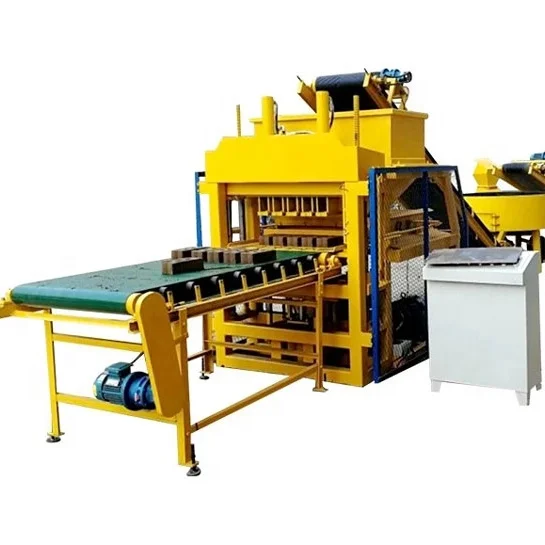
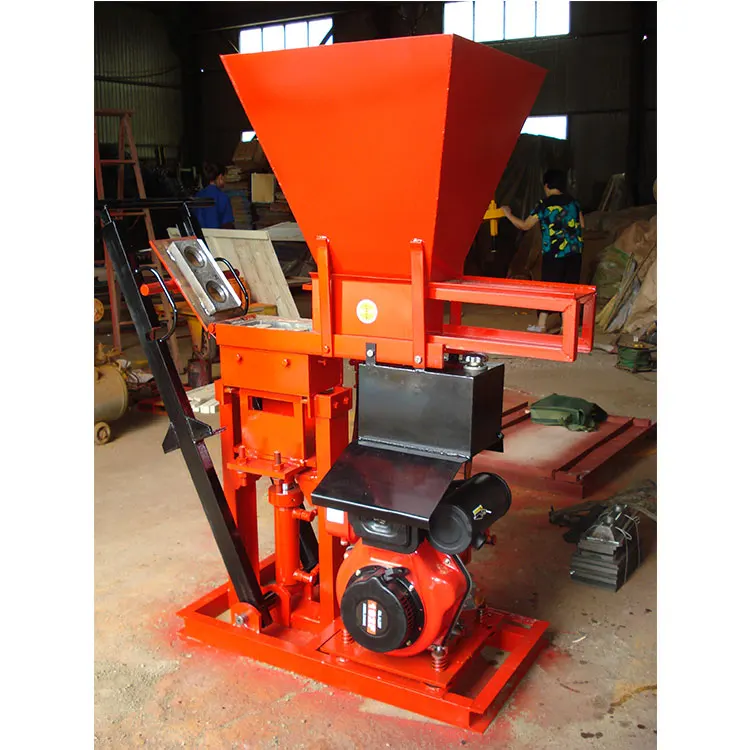 Clay interlocking brick