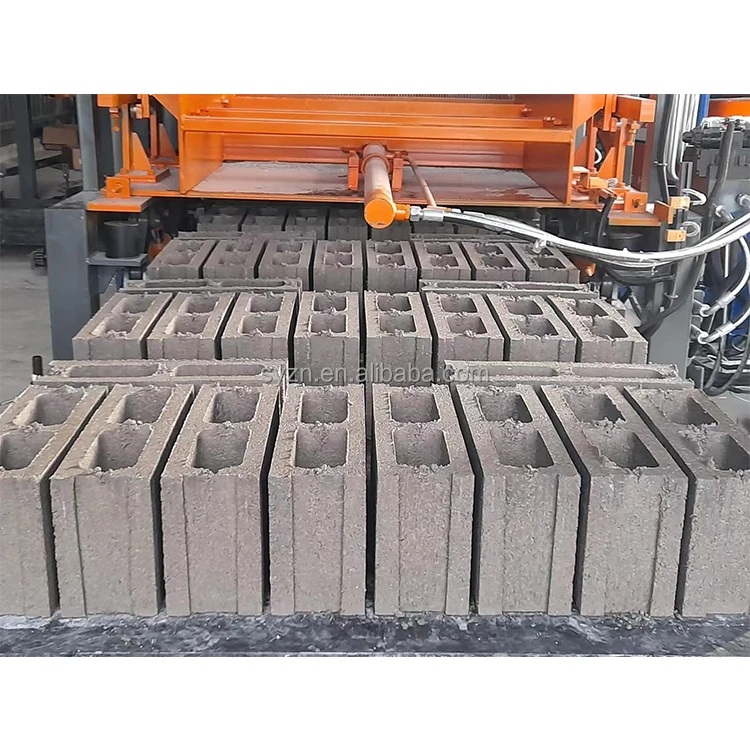
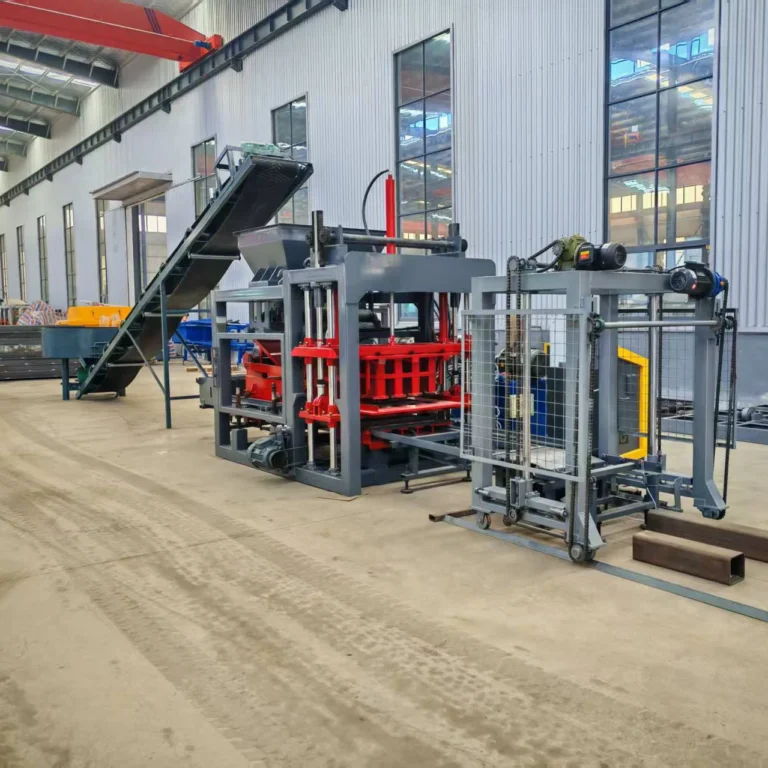
Integrated System Matching — The LY2-10 clay interlocking brick making machine is specified against your local clay or soil mix and target block format, so the semi-automatic tier performs as expected on arrival rather than requiring weeks of on-site adjustment.
Technical Specifications
| Parameter |
Value |
| Model |
LY2-10 |
| Product Type |
Clay Interlocking Brick Making Machine |
| Machine Power |
7.5 kW |
| Molding Cycle |
10 s |
| Output Capacity |
6000 pcs / 8 hours (based on single-cavity interlocking formats such as 300×150×100 mm; basis to be confirmed per buyer format) |
| Automation Level |
Semi-automatic |
| Bricks per Mould |
1–2 pcs (format dependent) |
| Raw Material Compatibility |
Clay, soil, earth, mud, concrete, cement, fly ash |
| Overall Dimensions (L×W×H) |
1300 × 1800 × 2400 mm |
| Voltage & Frequency |
Configurable to destination market (to be confirmed at inquiry) |
| Control System |
Options to be confirmed at inquiry |
Application Suitability
| Application |
Material or Output |
| Small-scale interlocking brick plant |
Local clay, soil or earth mixes stabilized with cement |
| On-site wall construction for housing projects |
Mud or fly ash blends available at the build location |
| Workshop production of interlocking pavers |
Cement-bound aggregate for standard interlocking profiles |
| First-plant entrepreneurship setups |
Low-capital entry using regionally sourced raw materials |
What "6000 Pieces per Day" Leaves Out When Sizing a Clay Interlocking Brick Making Machine Manufacturer
Capacity figures mean nothing unless the exact block format and mould cavity count are stated alongside them.
I once watched a buyer sign off on a clay interlocking brick making machine manufacturer quotation based on a headline output number, only to discover after arrival that the figure assumed a smaller solid block, not the 300 mm interlocking format the local market actually buys. The daily throughput dropped noticeably because larger, heavier interlocking profiles require longer vibration and pressing cycles than standard hollow blocks. [NEED_CITE: effect of block volume on press cycle time and daily output]
When a supplier quotes output without specifying which format it assumes, you are comparing numbers that were never meant to describe the same product. The 6000 pcs / 8 hours figure for this model is tied to single-cavity interlocking formats like 300 × 150 × 100 mm or 250 × 125 × 75 mm. If your market demands a different profile or a multi-cavity mould, the cycle time and daily total shift accordingly. Always ask for the capacity table broken down per format before committing.

Where the LY2-10 Sits in the Complete Block Machine Range
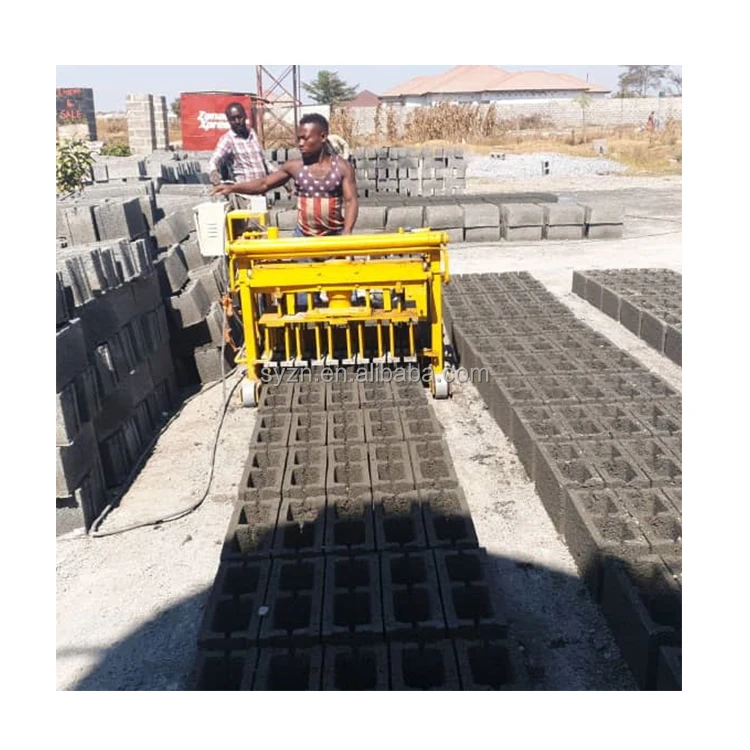
Shiyue’s lineup spans mobile egg-laying units, semi-automatic workshop presses, and fully automatic high-capacity lines. The LY2-10 occupies the semi-automatic clay interlocking brick making machine manufacturer tier, aimed at buyers who need consistent interlocking profiles without the floor space or power infrastructure that a fully automatic plant demands. This positioning keeps the machine power at 7.5 kW, which suits small workshops and project sites where three-phase supply may be limited.
For a first-time block producer or a contractor making bricks on a housing site, the semi-automatic tier removes the steepest capital hurdles while still delivering repeatable 10-second molding cycles. Buyers who later outgrow this tier can move into the automatic range without switching suppliers, because mould formats, pallet standards, and control logic carry forward across the lineup.
How Semi-Automatic Operation Shapes Your Daily Workflow
A semi-automatic clay interlocking brick making machine manufacturer model means the press cycles automatically, but pallet handling and brick stacking still rely on operators. On the LY2-10, the 10-second molding cycle sets the pace; two workers can typically keep up with pallet feeding and offloading at this rate without bottlenecking the press. [NEED_CITE: typical labour allocation for semi-automatic block presses]
This arrangement suits plants where labour costs are manageable and the production volume does not yet justify a full stacking and cubing line. It also means fewer components that can fail in dusty, humid, or remote environments. When your daily target is measured in thousands rather than tens of thousands of interlocking bricks, the semi-automatic tier keeps maintenance simple and keeps capital available for curing racks and raw material stockpiles.
Reading the Key Specs Behind Interlocking Brick Density
The 7.5 kW motor drives both vibration and hydraulic pressure, which together determine the compactness of each interlocking brick. In clay and soil mixes, insufficient vibration leaves air pockets that weaken the interlock joint, while excessive pressure without matched vibration can push moisture to the surface and cause cracking during curing. [NEED_CITE: relationship between vibration force and hydraulic pressure in soil block compaction]
The 1300 × 1800 × 2400 mm footprint means the machine fits inside a standard single-bay workshop, but the curing area downstream must be sized to the daily output — roughly 6000 bricks require a flat, shaded curing space proportionate to that volume. Mould change on a single-cavity interlocking machine involves loosening the mould box bolts, lifting out the current profile, and seating the replacement; buyers planning multiple formats should budget the time this takes per shift. The raw material compatibility list — clay, soil, mud, fly ash, cement — tells you which local aggregates can feed the hopper, but every mix needs a trial run before production begins.
The Cost of Skipping the Mix Trial
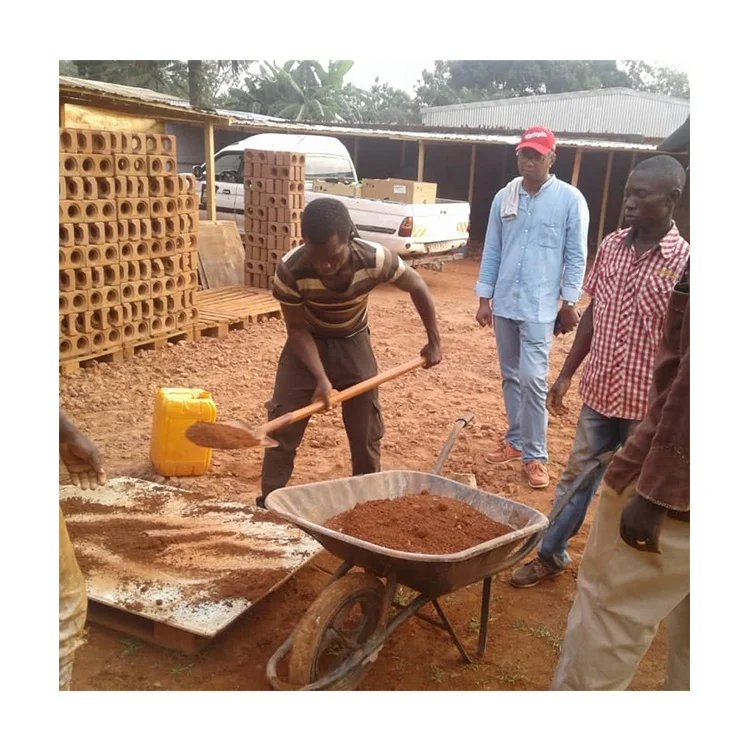
One buyer in Southeast Asia ordered a semi-automatic press based on catalogue specs, confident that standard river sand results would translate to local volcanic ash. The volcanic ash absorbed water differently, the mix ran too dry through the hopper, and the first two weeks of production yielded bricks that crumbled at the interlocking lip. [NEED_CITE: variability of volcanic ash and laterite in soil cement block production] By the time the correct water-to-binder ratio was dialled in on site, the project timeline had slipped and the contractor faced penalty claims. A factory trial with your actual raw material eliminates this gap between quoted performance and field reality.
Why Source This Tier Through Shiyue
Block machinery is Shiyue’s single focus, so the LY2-10 arrives as a matched system — machine, mould, and pallet — rather than an assembly of components from different factories. The mould is designed around the interlocking profile your market sells, not a generic catalogue shape, and custom mould drawings are available when local building codes demand a specific brick geometry. Configuration is set against your actual mix and aggregate, not a default recipe. Voltage, frequency, and control language are confirmed before production starts, so commissioning is not delayed by a mismatched motor or an unreadable display. Semi-automatic buyers can start here and step into higher automation tiers later without replacing the entire line.
Documentation & Verification
- Line layout showing capacity calculation for your confirmed interlocking block format
- Machine specification sheet listing confirmed voltage, frequency, and control language
- Mould drawing and format list covering the interlocking profiles your market sells
- Factory test record using your raw material mix before dispatch
- Packing photographs documenting machine condition prior to container loading
Installation, Commissioning & Support
- The 7.5 kW motor requires a dedicated circuit; confirm amperage with your electrician before delivery
- Overall dimensions of 1300 × 1800 × 2400 mm fit standard workshop bays; verify overhead clearance for mould lifting
- Machine ships partially assembled; on-site bolting of the mould box and hopper is required before first run
- Mould change involves manual bolt release; spare bolt sets and seal kits are listed in the wear parts schedule
- Operator training covers mix ratios, cycle timing, and daily greasing points on the vibration assembly
What to Share When You Open an Inquiry
To size the LY2-10 correctly, send the exact interlocking brick format your market buys — length, width, height, and the interlock profile drawing if one exists. Include a sample or description of your local clay or soil, along with the cement or binder you plan to use. Confirm your site voltage and frequency so the motor can be wound to match. If you already have curing racks or pallets on site, share their dimensions so the machine’s pallet feed can be aligned before production begins.
Frequently Asked Questions
Q: How is the 6000 pcs / 8 hours figure verified for the LY2-10?
A: That number comes from running a single-cavity interlocking format such as 300 × 150 × 100 mm at a 10-second cycle with no stoppages. If your market needs a larger profile or a two-cavity mould, the cycle time and daily total change. We provide a format-by-format capacity table in the proposal so you see the realistic output for your exact brick before you order.
Q: Where does the LY2-10 fit compared to Shiyue’s automatic and mobile tiers?
A: It sits in the semi-automatic range — above mobile egg-laying machines in output consistency, below fully automatic lines in labour requirement and capital cost. Buyers producing interlocking bricks at moderate volume choose this tier to keep the 7.5 kW power draw manageable and the maintenance straightforward, with a clear path to upgrade into automatic stacking later.
Q: Can I order custom interlocking profiles beyond the three standard formats?
A: Yes. Shiyue designs and manufactures moulds in-house, so custom profiles are available from your drawings or from a sample brick you send us. We confirm the cavity geometry, brick dimensions, and interlocking lip profile on a mould drawing before machining, ensuring the finished mould matches what your local construction market requires.
Q: What site preparation does the semi-automatic LY2-10 need?
A: You need a level concrete floor with enough clearance around the 1300 × 1800 × 2400 mm frame for an operator to feed pallets on one side and pull finished bricks on the other. A dedicated electrical circuit matching the confirmed voltage and a shaded curing area proportionate to your daily output are the other main requirements before commissioning.

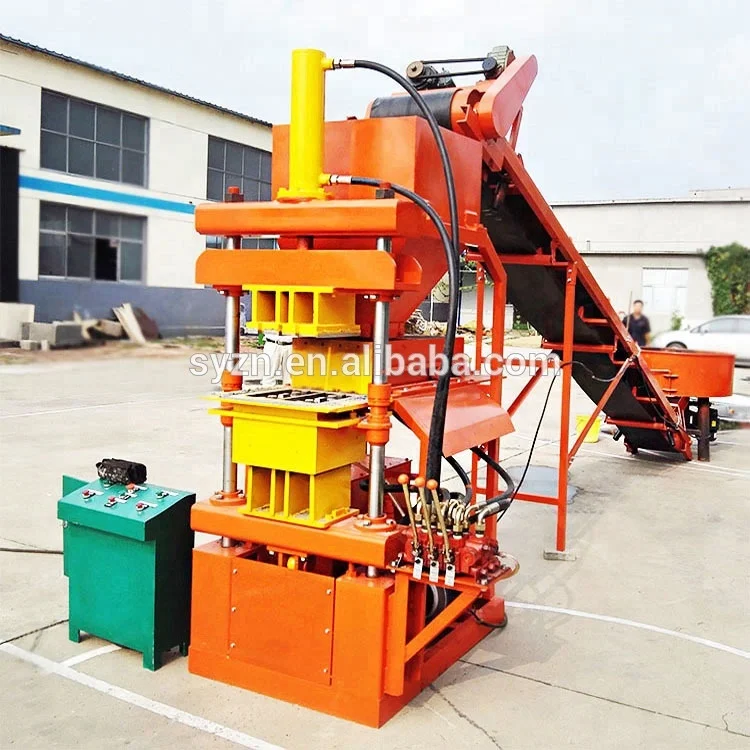
 High quality block machine