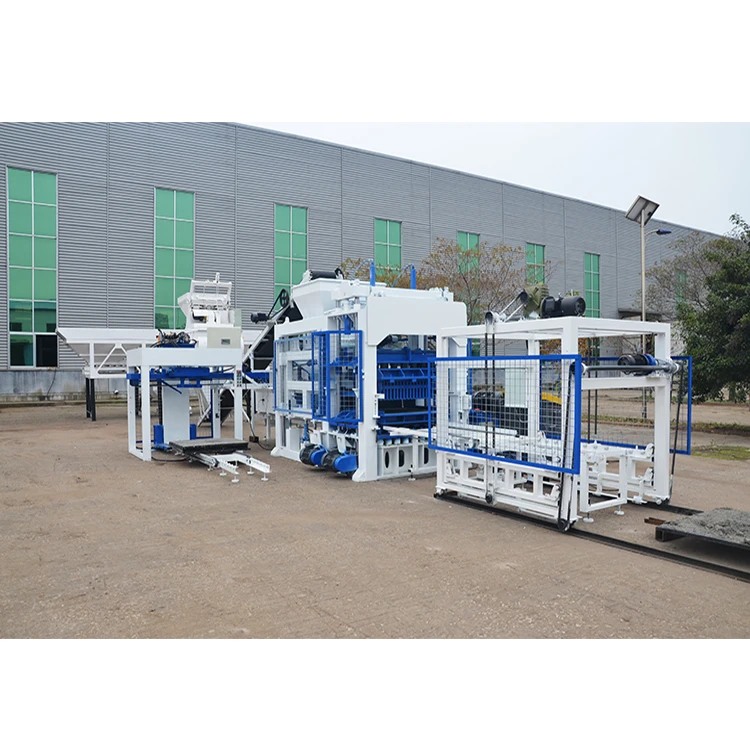
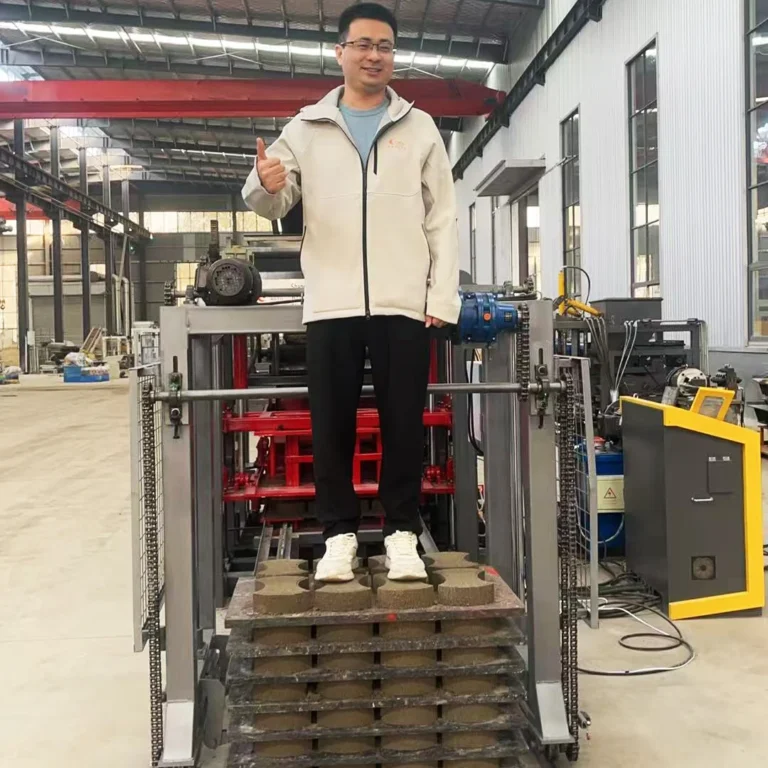
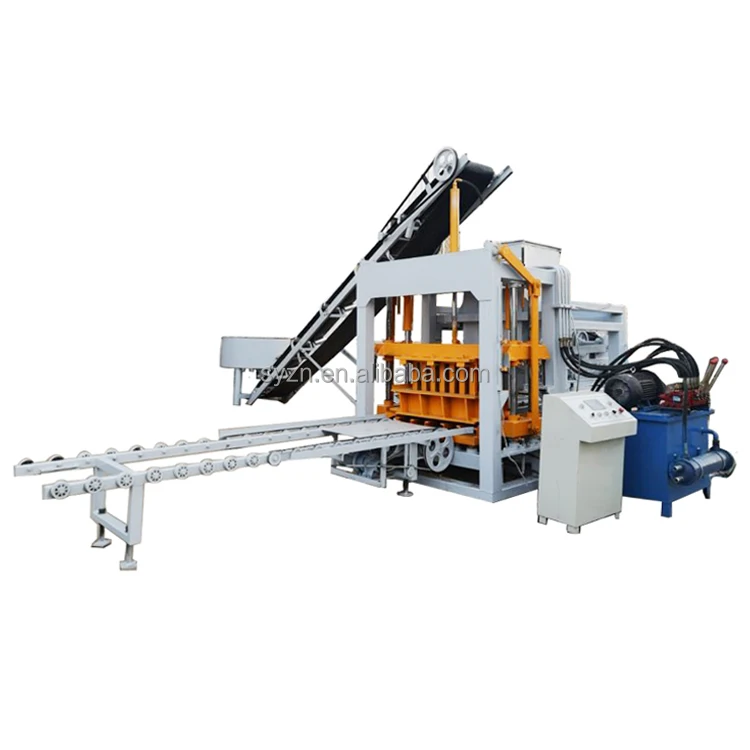
Matched System Sizing — the LY2-10 clay interlocking block making machine is specified against your actual soil mix and target brick format, not pulled from a catalogue default.
Technical Specifications
| Parameter |
Value |
| Model |
LY2-10 |
| Product Type |
Clay Interlocking Block Making Machine |
| Rated Power |
7.5 kW |
| Molding Cycle |
10 s |
| Output Capacity |
6000 pcs/8hours (basis not stated in source — confirm block format / material / thickness) |
| Raw Material Compatibility |
Clay, soil, earth, mud, concrete, cement, fly ash |
| Overall Dimensions (L×W×H) |
1300×1800×2400 mm |
| Automation Level |
Semi-automatic |
| Bricks per Mould |
2 |
| Block Formats Available |
300×150×100 mm, 250×125×75 mm, 230×220×115 mm |
Application Suitability
| Application |
Material or Output |
| Interlocking brick production for local housing |
Clay and soil mixes with low cement content |
| Small-scale paver and block workshop |
Cement and fly ash blends |
| On-site production for infrastructure projects |
Locally sourced earth and mud |
| Format diversification for existing distributors |
Multiple mould profiles on one platform |
What "6000 Pieces per Shift" Leaves Out When Format Is Not Stated
Capacity numbers only mean something when tied to the exact block format you plan to sell.
I have watched buyers celebrate a quoted output figure, then discover on commissioning day that the number assumed a small solid brick while their market demands a 300×150×100 mm interlocking block — and real daily volume drops significantly. A Clay Interlocking Block Making Machine manufacturer should state capacity per format, not per machine. The LY2-10 cycles every 10 seconds, but two bricks per mould in a 300 mm format fills the curing area differently than a 230 mm profile, and pallet turnover becomes the real constraint [NEED_CITE: block format impact on actual daily throughput].

Placing the LY2-10 Within the Full Machine Range
The LY2-10 occupies the entry tier for buyers testing interlocking brick demand before committing to higher automation. Its 7.5 kW rated power draws from a standard workshop supply, meaning electrical infrastructure does not gate your first production run. Semi-automatic operation keeps the operator in the loop for pallet handling and mould changes, which matters when you are still learning which block format your market actually orders.
How Output Tiers Connect to Investment and Footprint
Stepping up from the LY2-10 to an automatic tier adds pallet feeding, stacking, and cubing stations around the press. Each station adds floor space and utility draws. A buyer who only needs the interlocking brick volume a semi-automatic tier delivers avoids paying for conveyors that sit idle. The 1300×1800×2400 mm footprint of the LY2-10 fits inside a single standard bay, leaving room for raw material stock and a small curing rack without requiring a dedicated plant building [NEED_CITE: typical block plant layout and bay allocation].
Reading the Specs That Actually Shape Daily Production
The 10-second molding cycle sets the press rhythm, but the operator’s pallet swap speed determines whether the press waits or runs continuously. At two bricks per mould, each cycle produces a pair, so pallet inventory must cover at least one full curing rack before pallets return. The three listed block formats — 300×150×100 mm, 250×125×75 mm, and 230×220×115 mm — each demand a different mould, and changeover time directly decides how many formats you can realistically run in one shift. Raw material flexibility across clay, soil, cement, and fly ash means the mix design must be locked before the machine is configured, because vibration and pressure settings that work for a wet clay mix will crack a lean fly ash blend.
The Hidden Cost of Choosing the Wrong Tier
Buyers who jump to a fully automatic line before understanding their market’s format mix end up with a stacking system configured for one block size and a mould change process that cancels out the automation advantage. I have seen plants where the automatic stacker sat powered off because the operator was still swapping moulds by hand every two hours. Starting with the LY2-10 semi-automatic tier lets you confirm which formats sell before locking in conveyor widths and stacker gripper dimensions [NEED_CITE: automation mismatch in early-stage block plants].
Why Procurement Starts Here
Block machinery is our single focus, so the LY2-10 press, its moulds, pallets, and handling tools are specified as one matched set. Configuration is adjusted to your local clay or soil characteristics rather than shipped at catalogue defaults. Mould design covers the interlocking formats your regional market moves, with custom profiles available from your drawings. The semi-automatic tier allows a future upgrade path — adding pallet feeding and stacking when volume justifies it — without replacing the press itself. Installation includes on-site commissioning and operator training so the first production day is not a learning experiment.
Documentation & Verification
- Line layout with capacity calculated per block format for the LY2-10 tier
- Machine specification sheet listing matched mould and pallet dimensions
- Voltage, frequency, and control display language confirmed before build
- Factory test record on your chosen interlocking brick profile
- Hydraulic and electrical schematic for local maintenance teams
Installation, Commissioning & Support
- 7.5 kW supply requires a dedicated circuit with correct breaker rating at your site
- 1300×1800 mm footprint needs a level concrete pad with drainage for wet clay mixes
- Machine ships partially assembled; press frame and mould box bolt on at arrival
- First-run commissioning includes cycle timing adjustment for your soil moisture content
- Operator training covers mould change procedure across all three block formats
- Wear parts list ships with the machine so first replacements are on hand before needed
Preparing Your Inquiry
Share the interlocking block format your market currently buys, the clay or soil type available locally, and your target daily volume so we can confirm which output tier fits. Include your workshop’s voltage and frequency, plus the display language your operators need on the control panel. If you already have pallets or a curing rack system, send the dimensions so the LY2-10 configuration aligns with what is already on your floor.
Frequently Asked Questions
Q: How does the LY2-10 semi-automatic tier compare to the automatic range in daily output and labour requirement?
A: The LY2-10 relies on an operator for pallet handling and mould changes, which keeps labour visible but limits continuous run speed. Automatic tiers add pallet feeding and stacking so the press cycles without waiting, raising output and reducing headcount. The right choice depends on whether your daily volume justifies the added stations and their floor space.
Q: What block formats and mould options are available across the full machine range?
A: The LY2-10 supports 300×150×100 mm, 250×125×75 mm, and 230×220×115 mm interlocking profiles. Higher tiers add hollow block, paver, and kerbstone moulds with quick-change systems. Custom mould designs are available from buyer drawings across all tiers, so your regional format can be produced without adapting your market to a standard catalogue shape.
Q: How do I determine which output tier matches my target market demand?
A: Start with the block format that moves the highest volume in your area, then calculate how many pieces per day your curing space can hold. Compare that number against each tier’s capacity stated for that specific format. The tier whose output sits just above your daily curing limit is usually the right fit without leaving expensive capacity idle.
Q: What plant footprint and utility requirements does each tier need?
A: The LY2-10 fits within a 1300×1800×2400 mm envelope and draws 7.5 kW from a single circuit. Automatic tiers add pallet feeders, stackers, and conveyors that extend the line length and require additional power drops. Your workshop bay width and ceiling height determine whether a full automatic line fits or whether a semi-automatic tier is the practical ceiling.
Q: Can I start with semi-automatic and upgrade to a higher automation tier later?
A: Yes. The LY2-10 press can be retained while pallet feeding and stacking stations are added around it once your volume grows. This path avoids scrapping the initial machine and lets you confirm market demand before investing in full automation. Mould compatibility carries over between tiers within the same platform.

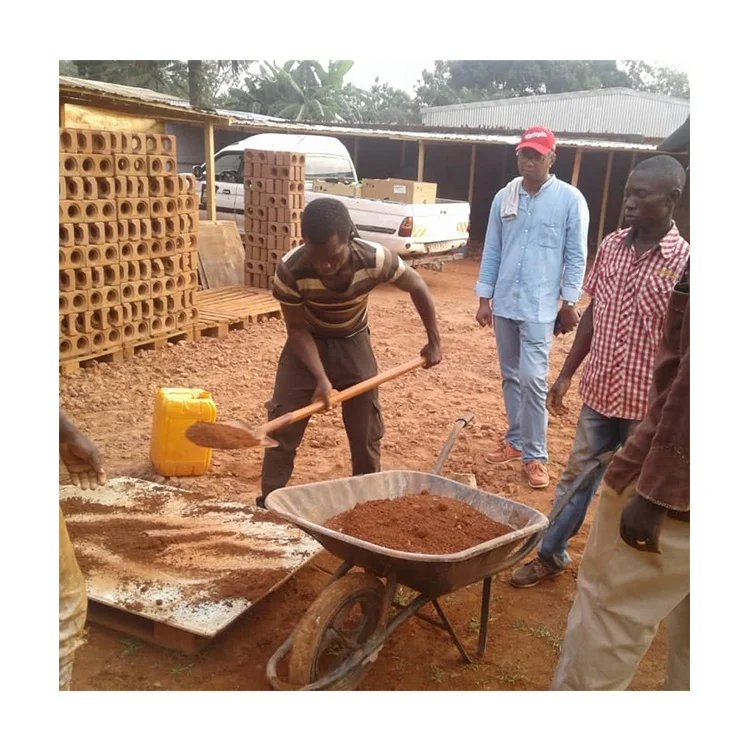
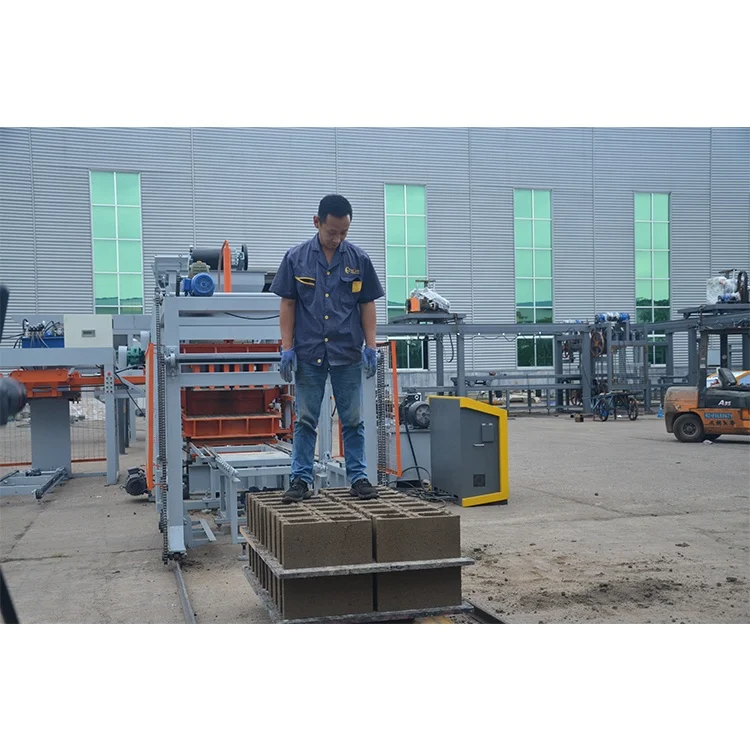 High quality block machine