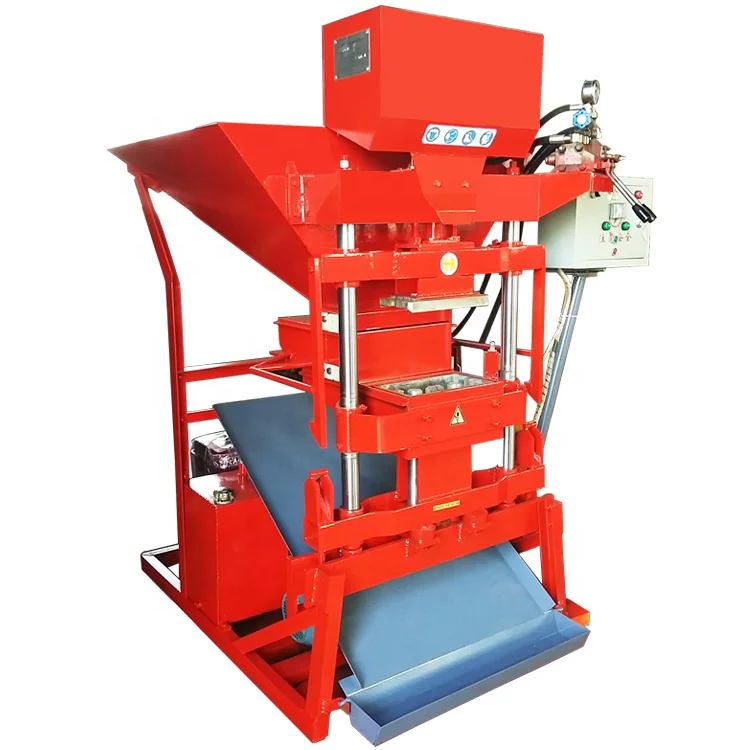
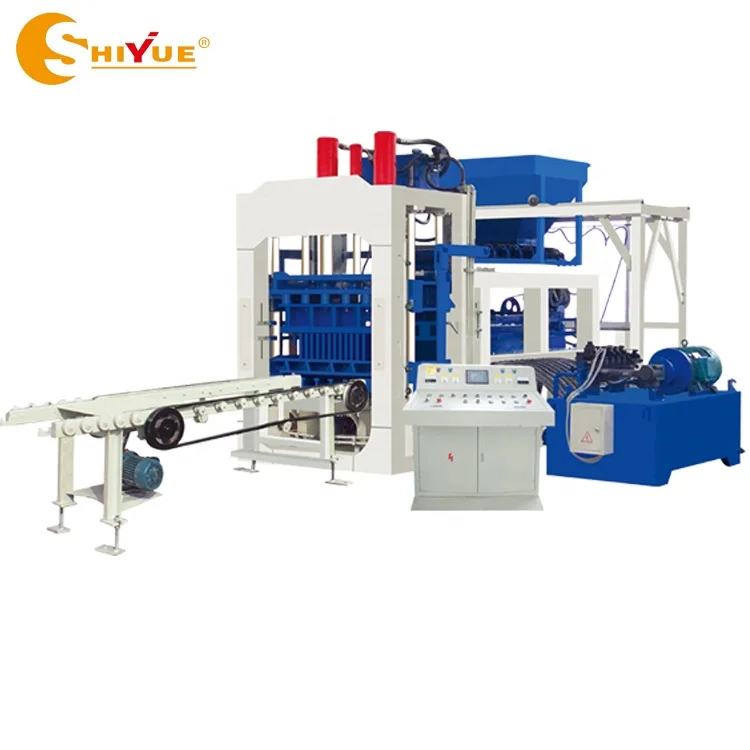
Matched System Sourcing — The LY2-10 interlocking brick press is configured with palletless moulds, power source, and automation level as one verified package rather than separate catalogue picks.
Technical Specifications
| Parameter |
Value |
| Model |
LY2-10 |
| Product Type |
Automatic Hydraulic Interlocking Clay Brick Making Machine |
| Overall Dimensions (L×W×H) |
1300×1800×2400 mm |
| Net Weight |
1200 KG |
| Rated Power |
7.5 kW (electric) or 12 HP (diesel) |
| Voltage & Frequency |
380V, 3-phase, 50Hz (customizable to local voltage) |
| Hydraulic Rated Pressure |
16 MPa |
| Cycle Time |
10 seconds |
| Output Capacity |
720 pcs/hour based on 300×150×100mm or 250×125×60mm interlocking brick, 2 pcs/mould |
| Daily Output |
5,760 pcs/8-hour shift based on the above 2-cavity interlocking format |
| Pallet Requirement |
Palletless production |
| Automation Level |
Semi-automatic or Automatic (configurable per buyer request) |
| Motor Brand Option |
Chinese Siemens Brand |
| Raw Material Compatibility |
Clay + Cement (6-8% cement, 80-90% clay, 3% water) or Full Clay (97% clay, 3% water) |
| Assembly State |
Fully assembled, wooden box packaging |
| Warranty |
1 year (excluding wearing parts) |
Application Suitability
| Application |
Material or Output |
| On-site housing project production |
Locally sourced clay stabilized with 6-8% cement, palletless interlocking format |
| First plant for entrepreneurs in clay-rich regions |
Full clay or cement-stabilized clay, 300×150×100mm or 250×125×60mm interlocking brick |
| Distributors adding interlocking format to existing range |
720 interlocking bricks per hour on a compact machine footprint |
| Remote construction sites with unreliable grid |
Diesel engine powered configuration producing interlocking bricks without pallet infrastructure |
Why "5,760 Pieces Per Day" Means Nothing Without the Format Attached
The daily output figure is only honest when the block format, mould cavity count, and cycle time are stated alongside it.
I have watched buyers in Peru and Colombia receive an automatic block machine manufacturer catalogue quoting a single daily number, only to find the machine was timed on a thin paver mould while their market needed 300×150×100mm interlocking bricks — cutting actual output in half. The LY2-10 output of 5,760 pieces per day assumes a 2-cavity interlocking mould running at a 10-second cycle for a full 8-hour shift. Change the format or cavity count and the number changes. Any supplier who will not confirm this in writing before you place the order is hiding a mismatch [NEED_CITE: capacity quotation standards for block making machinery].

Where the LY2-10 Sits in the Complete Machine Range
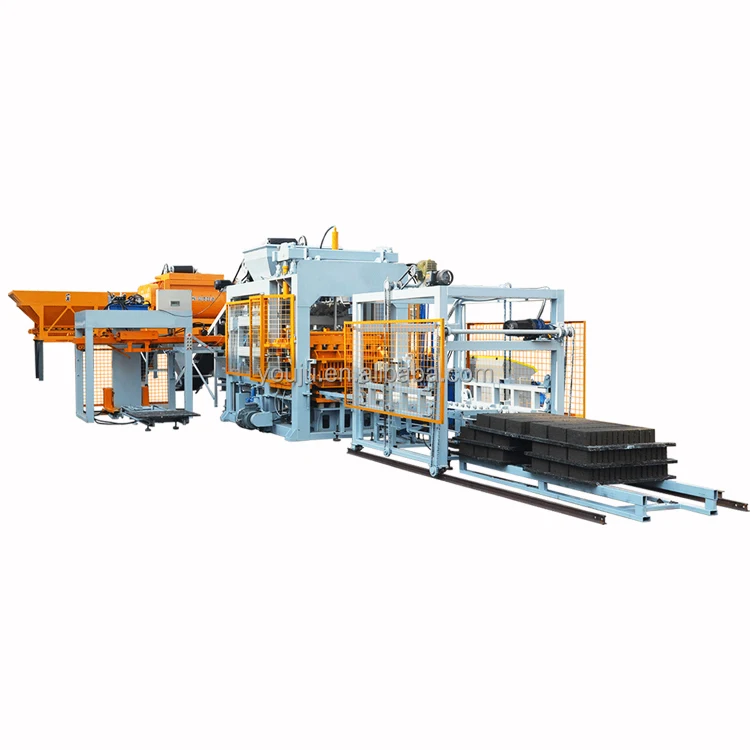
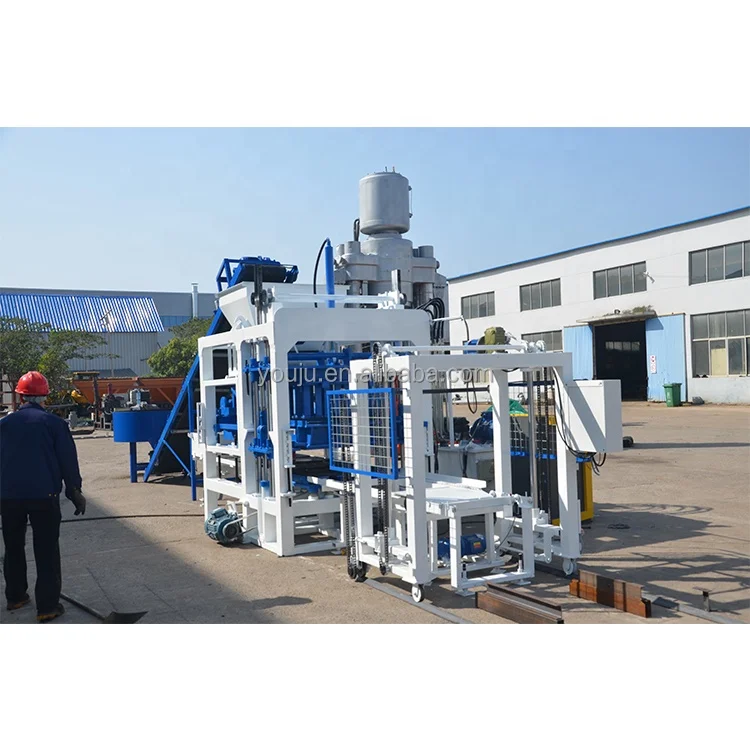
The Shiyue lineup spans from small mobile egg-laying machines up through high-capacity fully automatic lines with stacking and cubing. The LY2-10 occupies the compact palletless tier, positioned for buyers who need interlocking brick output without investing in pallet circulation, curing racks, and stacking infrastructure. It is available as a semi-automatic unit with manual brick handling or configured to automatic operation, letting the same automatic block machine manufacturer supply an entry-level press today and match it with supporting line equipment as production scales.
Choosing Between Electric and Diesel Before the Site Is Ready
Remote project sites across Latin America frequently face grid instability or no grid connection at all during early construction phases. The LY2-10 is available with either a 7.5 kW electric motor or a 12 HP diesel engine, and this decision must be locked in before production starts — swapping power sources after the machine arrives means new mounting plates, pulley alignment, and control rewiring [NEED_CITE: dual power source block machine installation requirements]. Buyers working on greenfield housing developments should confirm their power situation during the inquiry stage so the correct configuration ships from the factory.
Reading the Pressure and Cycle Numbers Against Your Mix Design
Hydraulic pressure at 16 MPa determines how densely the clay and cement mix is compacted into the interlocking profile. Too low a pressure against a high-clay mix and the bricks crack during curing; too high and the mould wears prematurely on abrasive sandy clay. The 10-second cycle time is calibrated for the standard 2-cavity interlocking format — a denser local aggregate may require a longer cycle to allow full vibration settling, which in turn reduces hourly output. An automatic block machine manufacturer must match these parameters to your raw material test report, not default to a catalogue setting.
What Happens When Automation Level Is Decided Too Late
Buyers who select semi-automatic to save on initial investment sometimes discover their labour cost assumption ignored the manual brick handling required after each press cycle. Palletless production eliminates the pallet purchase and curing rack infrastructure, but the freshly pressed interlocking bricks still need careful transfer to the curing area. Without planning the downstream handling at the inquiry stage, a plant ends up paying more in daily manual labour than an automatic stacker would have cost in financing [NEED_CITE: block plant labour allocation for palletless production lines]. Confirming the automation level and downstream handling plan together prevents this mismatch.
Why Buyers Source This Press Through Shiyue
Block machinery is our single focus, meaning the LY2-10 press, its interlocking mould, and handling requirements are specified as one matched system. The machine configuration is set against your actual clay composition and target brick format rather than a default catalogue build. Mould design covers the interlocking dimensions your local market actually sells, with custom drawings available when standard formats do not fit. Automation level is selectable at order, so a buyer can enter at semi-automatic and add automatic features later without replacing the press itself.
Documentation & Verification
- Machine specification sheet stating output per interlocking format and mould cavity count
- Hydraulic and electrical schematic matching the shipped LY2-10 configuration
- Voltage, frequency, and control language confirmation signed before production
- Factory test record run on a clay mix matching buyer’s raw material report
- Mould drawing and interlocking format list with dimensional tolerances
- Wear parts and mould replacement list for first-year planning
Installation, Commissioning & Support
- 1300×1800 mm footprint requires a level concrete pad with drainage for palletless brick curing runoff
- 380V 3-phase supply needs a dedicated circuit breaker rated for the 7.5 kW motor startup surge
- Machine ships fully assembled in a wooden crate, requiring only power connection and mould mounting on arrival
- First-run commissioning includes cycle time adjustment to match buyer’s local clay density and cement ratio
- Operator training covers mould change procedure and hydraulic pressure setting for different interlocking profiles
- Wear parts list provided at delivery so first replacement order can be planned before production begins
What We Need to Quote the Right Configuration
To build an accurate proposal for the LY2-10, we need your target interlocking brick dimensions, the daily output you are planning for, and a raw material report for the clay source you will use. Confirm your site voltage and frequency, whether you require electric or diesel power, and your preferred automation level so the machine arrives ready to commission.
Frequently Asked Questions
Q: How is the 5,760 pcs/day capacity calculated and which block format does it assume?
A: The figure assumes a 2-cavity mould producing either 300×150×100mm or 250×125×60mm interlocking bricks at a 10-second cycle, running a continuous 8-hour shift. Different formats or cavity counts change the output, so always request the capacity calculation stated against your specific block dimensions.
Q: What automation levels are available for the LY2-10 and how does the upgrade path work?
A: The press is configurable from semi-automatic with manual brick handling through to automatic operation. A buyer can start semi-automatic to reduce initial investment and add automatic features as production volume grows, without needing to replace the core press unit.
Q: Can the motor voltage and frequency be customized for my local power supply?
A: Yes. The standard configuration is 380V 3-phase 50Hz, but the motor and control system can be built to match your local voltage and frequency. This must be confirmed and signed off before production starts to avoid commissioning delays when the machine arrives on site.
Q: What is included in the machine package versus what requires separate supporting equipment?
A: The LY2-10 ships fully assembled with the interlocking mould, power source, and control system. Palletless production means no pallets or curing racks are needed. Raw material mixing, feeding, and post-press brick handling to the curing area are separate items that must be planned at the inquiry stage.
Q: Where does the LY2-10 sit in the full Shiyue block machine range?
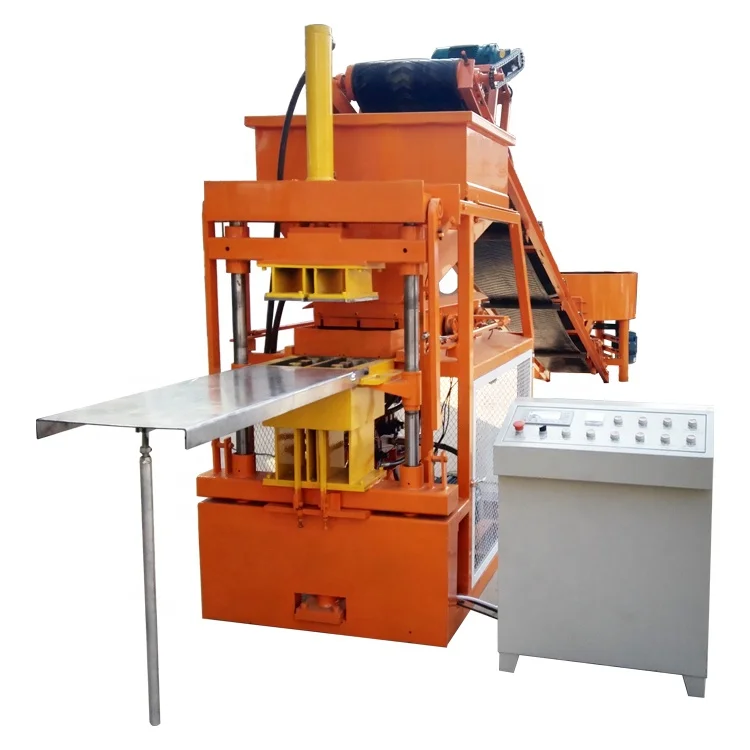
A: It occupies the compact palletless tier, suited for interlocking brick production without pallet infrastructure investment. Buyers needing higher output, multiple block formats on one line, or full automatic stacking and cubing should look at the higher tiers in the automatic block machine manufacturer range.

 Automatic block machine