

Manual Brick Machine Preventive Maintenance Schedule Wholesale Supplier
Most operators blame uneven bricks on poor manual technique, but the real culprit is often loose mold guides caused by unchecked vibration.
A structured preventive maintenance routine for a manual brick machine prevents dimensional inaccuracies and hydraulic failures by addressing wear from vibration and material variability before they halt production. This schedule focuses on daily visual inspections, weekly lubrication protocols, and monthly mold calibration to ensure consistent output without costly downtime.
I still remember the call from a buyer in Lagos three months after he took delivery of his first unit. He was frustrated because the blocks coming off the line had inconsistent thickness, making them impossible to stack for his affordable housing project. He assumed his workers were not pressing hard enough or lacked skill. When we reviewed his operation logs, the issue was not human error but a gradual shift in the mold alignment due to constant vibration and fluctuating moisture content in his river sand and clay mix. [NEED_CITE: impact of material moisture variability on manual block dimensions] This experience reinforced that maintenance is not just about cleaning; it is about preserving the mechanical integrity required to compensate for manual operational variances.
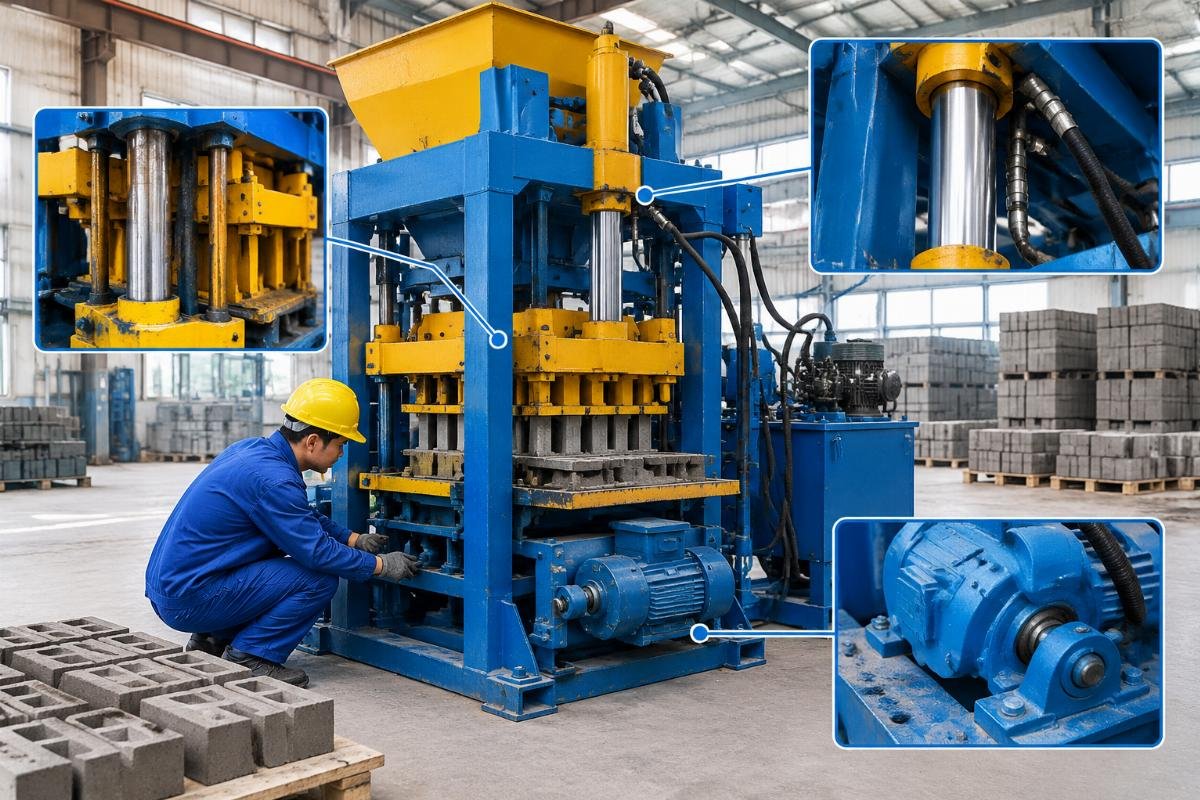
Understanding where to focus your attention can transform a erratic production line into a reliable asset. The following guide breaks down the essential checks needed to keep your equipment running smoothly.
Why Do Manual Brick Machines Fail Prematurely?
Vibration is the core mechanism for compaction in these machines, but it is also the primary driver of component fatigue. Unlike fully automatic lines with rigid frames and PLC-controlled consistency, manual machines rely on operator timing and physical leverage. This introduces variable stress loads on bolts, pins, and molds. [NEED_CITE: mechanical fatigue patterns in vibratory construction equipment]
The most common failure mode is not catastrophic breakage but gradual misalignment. When bolts loosen from continuous vibration, the mold box shifts slightly. Even a millimeter of deviation can result in blocks that are thicker on one side, leading to rejection rates that eat into margins. Another frequent issue is hydraulic seal degradation. In hot climates, such as those found in many parts of Southeast Asia and Africa, oil viscosity changes, and contamination accelerates wear on cylinder seals if not monitored. [NEED_CITE: hydraulic seal lifespan relative to operating temperature and contamination levels]
Recognizing that these failures are predictable allows you to intervene before they become expensive repairs. It shifts the mindset from reactive fixing to proactive care.
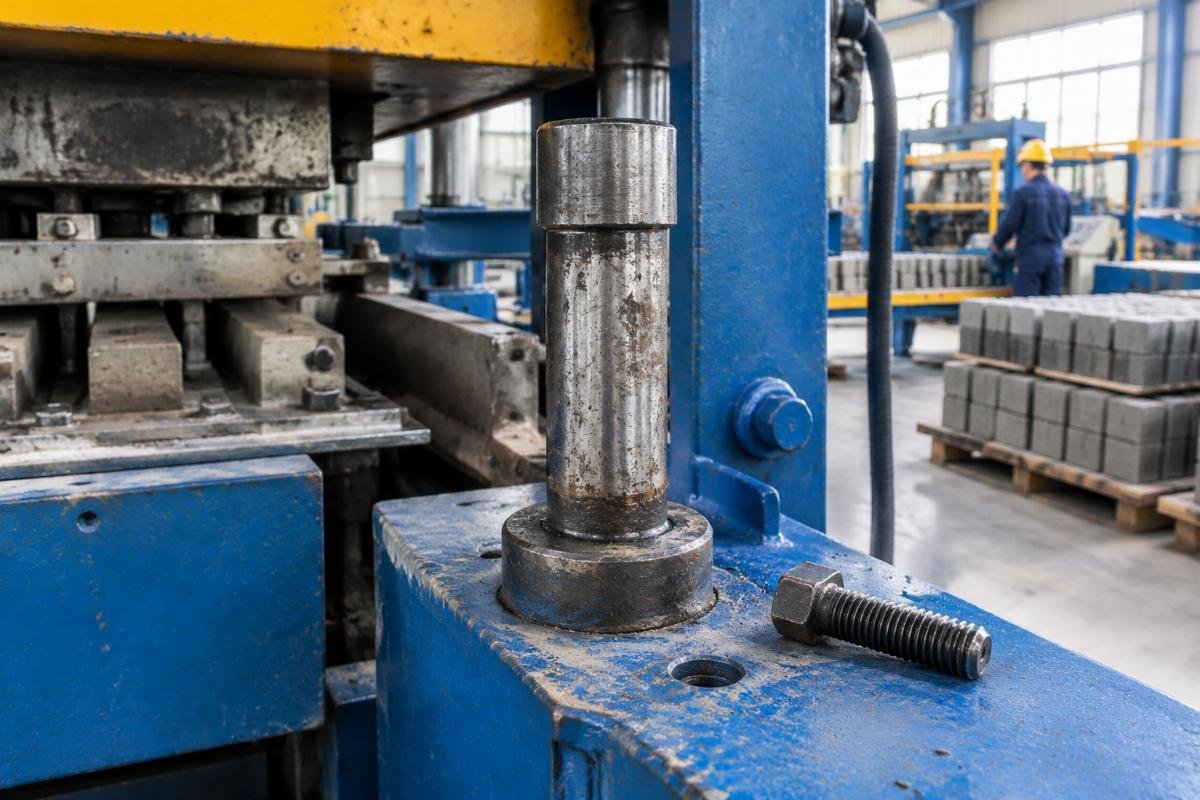
The Daily 15-Minute Checklist
Consistency starts with what you do before the first batch is mixed. A brief daily routine catches issues that would otherwise compound over weeks. This is not a deep teardown but a tactile and visual verification of critical systems.
- Visual Inspection of Hydraulic Hoses: Check for any signs of weeping or cracking. High-pressure hoses are vulnerable to abrasion against the frame. Look for wet spots around fittings, which indicate early seal failure.
- Bolt Tightness Check: Use a wrench to verify the tightness of mold mounting bolts and vibration motor mounts. Vibration naturally loosens fasteners. Pay special attention to the bolts securing the mold to the vibrating table. [NEED_CITE: standard torque verification frequency for vibratory machinery]
- Mold Cleaning Protocol: Remove all hardened concrete residue from the mold interior and face plates. Buildup alters the internal dimensions of the cavity, leading to undersized or misshapen blocks. Use a wire brush and non-abrasive cleaner to avoid scratching the steel surface.
- Lever and Linkage Inspection: Check the manual levers and linkages for smooth movement. Any sticking or grinding noise suggests a lack of lubrication or misalignment in the pivot points.
Skipping these steps might save time in the morning, but it often leads to hours of troubleshooting later in the week when production quality drops.
Weekly and Monthly Deep Care
While daily checks handle immediate safety and function, weekly and monthly tasks address long-term wear and system health. This is where you extend the lifespan of major components like bearings and hydraulic pumps.
Weekly Lubrication Routine
Focus on the vibration motor bearings and all moving pivot points. Apply grease sparingly. A common misconception is that more grease is better. In reality, over-greasing attracts dust and abrasive particles from the concrete mix, creating a grinding paste that accelerates wear. [NEED_CITE: effects of over-lubrication on bearing life in dusty environments] Wipe away excess grease after application. Check the hydraulic oil level and clarity. If the oil appears cloudy or milky, it indicates water contamination, which must be addressed immediately to prevent pump damage.
Monthly Calibration and Electrical Check
- Mold Wear Measurement: Inspect the mold walls for thinning or warping. Use calipers to check critical dimensions against original specifications. If wear exceeds acceptable limits, plan for mold replacement or refurbishment.
- Pressure Valve Calibration: Verify that the hydraulic pressure relief valve is set correctly. Incorrect pressure can lead to incomplete compaction or excessive stress on the frame.
- Electrical Connection Tightening: Vibration can loosen electrical terminals, leading to intermittent power loss or motor burnout. Tighten all connections in the control box and at the motor terminals.

These deeper interventions ensure that the machine maintains its structural precision over months of heavy use.
Troubleshooting Common Issues Through Maintenance Logs
When problems arise, a well-kept maintenance log is your best diagnostic tool. It helps distinguish between operator error, material issues, and mechanical failure.
| Symptom | Probable Cause | Maintenance Action |
|---|---|---|
| Uneven Block Thickness | Loose mold guides or worn pins | Tighten mounting bolts; inspect and replace worn guide pins. |
| Weak Vibration | Bearing wear or loose motor mount | Lubricate bearings; check motor mount bolt tightness. |
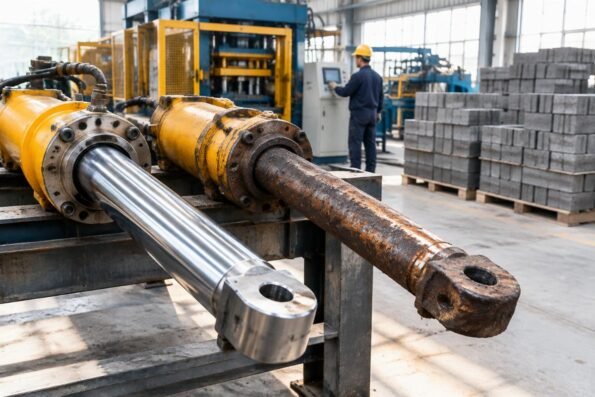
| Hydraulic Oil Leak | Degraded seals or loose fittings | Replace seals; tighten fittings; check oil contamination. |
| Overheating Motor | Blocked ventilation or bearing friction | Clean motor fins; check bearing lubrication levels. |
Consider a case from a road paving project in Latin America. The team reported that the vibration motor was overheating after only a few hours of continuous operation. Initial thoughts pointed to an electrical fault. However, reviewing the maintenance log revealed that bearing lubrication had been skipped for several weeks due to high production demands. Re-lubricating the bearings and cleaning the motor ventilation slots resolved the issue without needing a motor replacement. [NEED_CITE: correlation between bearing lubrication intervals and motor temperature rise]
Another example involves a startup in Southeast Asia experiencing frequent hydraulic seal failures. The root cause was traced to daily oil contamination checks being ignored. Dust from the dry concrete mix was entering the system through breather caps. Implementing a strict daily check of oil clarity and ensuring breather filters were clean extended seal life from weeks to several months.
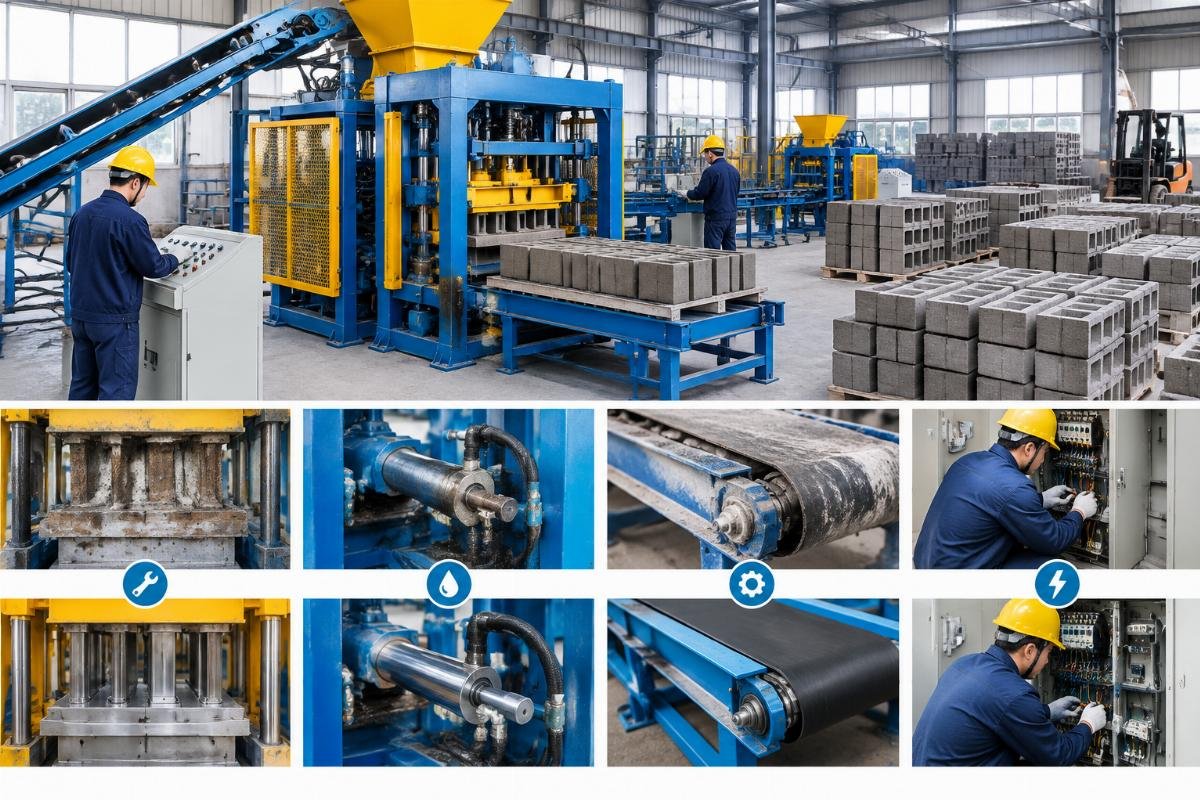
By linking symptoms to specific maintenance gaps, you can solve problems faster and prevent recurrence. If persistent hydraulic or structural issues remain despite rigorous adherence to this schedule, it may indicate a need for genuine spare parts or professional inspection. In such cases, accessing reliable support channels ensures that replacements match the original engineering specifications, maintaining the integrity of your Manual Brick Machine Preventive Maintenance Schedule Wholesale Supplier partnership.
Conclusion
Preventive maintenance is the bridge between raw material variability and consistent product quality.
Ignoring small signs of wear leads to significant downtime and wasted materials. By adhering to a disciplined schedule of daily checks, weekly lubrication, and monthly calibration, you protect your investment and ensure your blocks meet the required standards. This proactive approach reduces the total cost of ownership and keeps your production line moving efficiently.

Industry expert sharing insights about concrete machinery, block making technology and turnkey production solutions.
View all posts →
Leave a Reply