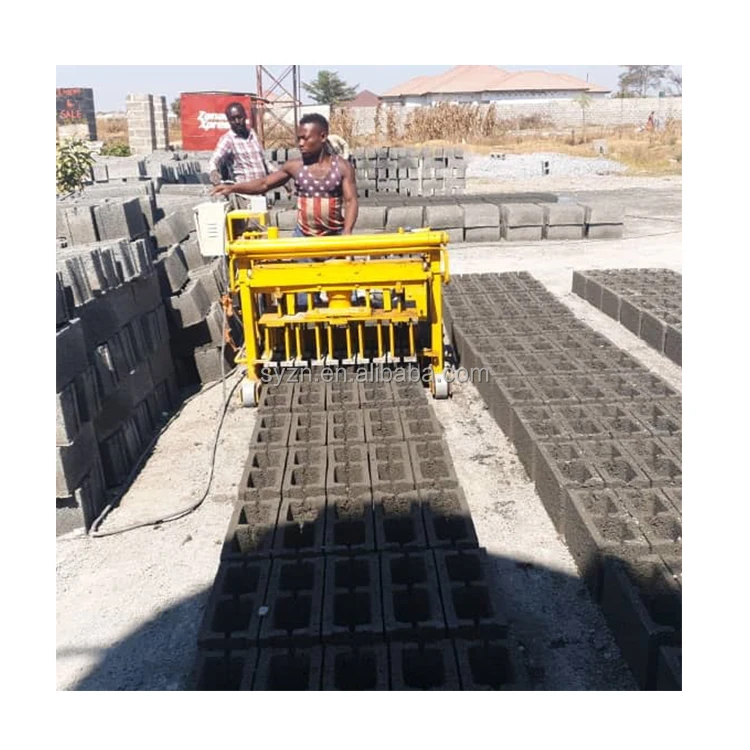
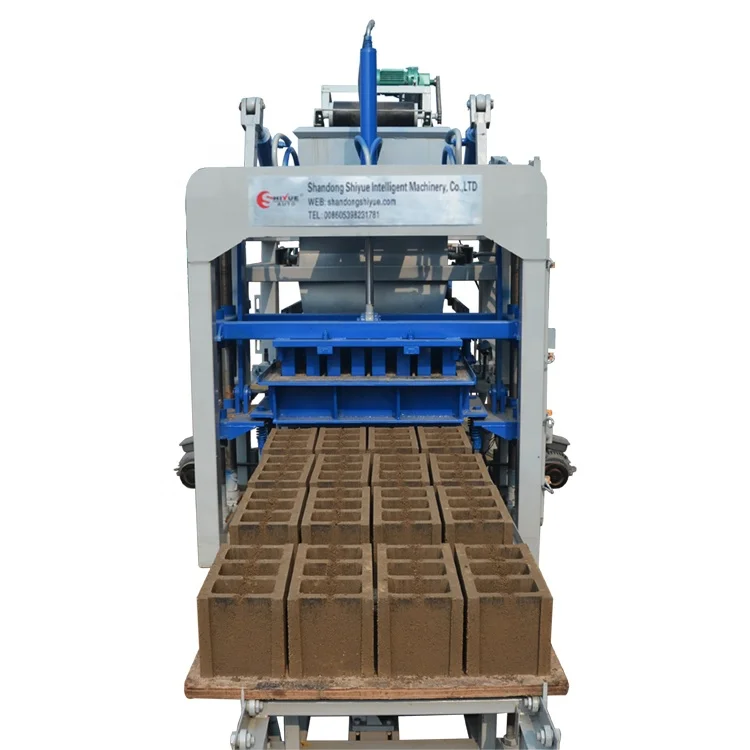
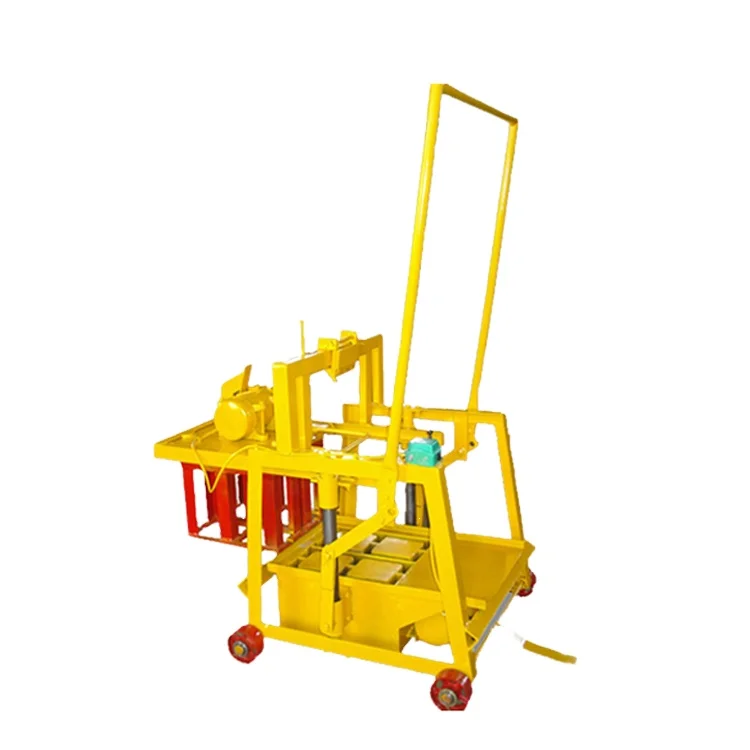
Matched System Integration — the QT8-15 block machine is specified alongside its moulds, pallets, and handling equipment as one coordinated line rather than sourced as isolated components.
Technical Specifications
| Parameter |
Value |
| Model |
QT8-15 |
| Product Type |
Hydraulic Block Making Machine |
| Overall Dimensions (L×W×H) |
8300×1860×3000mm |
| Rated Pressure |
21MPa |
| Main Vibration Form |
Platform Vibration |
| Vibration Frequency |
2800-4500 r/min |
| Pallet Size |
950×900mm |
| Molding Cycle |
15-20s |
| Overall Power |
55.5kW |
| Vibration Force |
45kN |
| Total Mass |
8T |
| Demolding Method |
Hydraulic |
| Applied Products |
Concrete blocks, hollow/solid blocks, pavers, interlocking blocks, curbstone, colored pavers |
| Raw Material |
Crushed stone, sand, cement, dust, fly ash, gravel, slag |
| Automation Level |
(source value — verify against manufacturer catalog) |
| Voltage & Frequency |
(source value — verify against manufacturer catalog) |
| Control System |
(source value — verify against manufacturer catalog) |
| Mould Change Time |
(source value — verify against manufacturer catalog) |
| Output Capacity |
(basis not stated in source — confirm block format / material / thickness) |
| Standards |
CE (mentioned in company documentation, verify applicability to this model) |
Application Suitability
| Application |
Material or Output |
| Block and paver production plants |
High-volume output of hollow and solid blocks using crushed stone, sand, and cement |
| Construction contractors producing blocks on-site |
Custom interlocking blocks and curbstones tailored to specific project dimensions |
| Concrete product manufacturers adding formats |
Expanding existing ranges with colored pavers and porous bricks using fly ash or slag |
| Building material distributors and machinery importers |
Supplying regional markets with diverse masonry units from a single hydraulic platform |
| Development and housing project contractors |
Producing structural and paving blocks locally to meet tight development schedules |
| Entrepreneurs setting up first block plant |
Establishing baseline production capabilities for standard concrete blocks and pavers |
Why the "Cycles Per Hour" Metric Misleads QT8-15 Block Machine Manufacturer Buyers
Actual daily output depends entirely on the specific block format, mix design, and pallet handling speed, not just the machine’s raw cycling speed.
Many buyers evaluate a QT8-15 block machine manufacturer based on a generic cycles-per-hour figure, only to find their real production falls far short once the machine is installed. A 15-20 second molding cycle might apply to a standard hollow block, but producing a complex interlocking paver or a tall curbstone often requires longer vibration times and slower demolding to prevent cracking. [NEED_CITE: factors affecting concrete block curing and strength development] If the quotation does not state which block format the capacity assumes, the buyer is purchasing a theoretical number that cannot be achieved in their specific market.

Positioning the QT8-15 Within the Output Tier Spectrum
The QT8-15 sits in the mid-to-high capacity tier for hydraulic block making, bridging the gap between small workshop machines and fully continuous automatic lines. Its 8-ton mass and 55.5kW overall power indicate a machine built for sustained industrial use rather than occasional production runs. For a buyer surveying options, this model represents a significant step up in output potential and plant footprint compared to semi-automatic or mobile egg-laying machines, while requiring less initial investment and floor space than a high-capacity automatic line with integrated cubing and rack handling.
Matching the Machine Tier to Your Project Volume
Choosing the right tier is about aligning the machine’s capabilities with your actual sales volume and site constraints. A contractor producing blocks for a single large housing development might find the QT8-15’s output more than sufficient, especially if the project has a defined end date. Conversely, a commercial block plant supplying a regional market may need to consider whether this tier can sustain the daily volume required to remain profitable, or if a higher-capacity automatic line with faster pallet circulation is necessary. [NEED_CITE: planning concrete block plant capacity and ROI] The 300m² factory area requirement also dictates whether this machine fits within your available land and budget.
Decoding the Vibration and Pressure Specifications
The interaction between the 21MPa rated pressure and the 45kN vibration force at 2800-4500 r/min is what determines the final density and strength of your blocks. Platform vibration ensures the entire 950×900mm pallet receives uniform energy, which is critical for producing consistent pavers and interlocking blocks where surface finish and dimensional accuracy are paramount. The hydraulic demolding method, supported by this pressure, allows for clean release of complex shapes without damaging the green product. If the vibration frequency is not matched to your specific aggregate size and cement content, the concrete will not liquefy properly in the mould, leading to weak spots and high rejection rates.
The Hidden Cost of Ignoring Pallet and Curing Logistics
Specifying the QT8-15 without considering the 950×900mm pallet size and material can create a bottleneck in your curing area. If your existing forklifts or curing racks are designed for a different pallet dimension, you will face costly modifications or manual handling delays that negate the machine’s speed. Furthermore, if the quotation does not include automatic stacking or curing rack handling, your labor cost will increase significantly as workers manually move heavy, wet blocks from the pallets to the curing zone. [NEED_CITE: concrete block handling and curing best practices] These downstream processes must be specified as part of the initial line layout to ensure the press is not left waiting for empty pallets.
Why Sourcing the Complete Line Matters
We configure the QT8-15 against your actual mix design and local aggregate, ensuring the vibration and pressure settings are optimized for your specific raw materials rather than a catalogue default. Our mould design covers the formats your market actually sells, including custom drawings for unique pavers or kerbstones that fit the 950×900mm pallet. The automation level is selectable, allowing you to start with semi-automatic pallet handling and upgrade to full stacking and cubing as your volume grows. We provide installation and commissioning support with operator training, ensuring your team understands how to adjust cycle times for different block formats. Finally, we supply the wear parts and mould lists upfront so you know exactly what to stock for your first replacement cycle.
Documentation & Verification
- Line layout and capacity calculation stating the specific block format assumed for the 15-20s cycle.
- Machine specification sheet confirming the 55.5kW power requirement and voltage before shipment.
- Mould drawing and format list showing which block types fit the 950×900mm pallet.
- Hydraulic and electrical schematic detailing the 21MPa system and platform vibration control.
- Factory test record demonstrating actual cycle times for your target block formats.
- Operation and maintenance manual covering the hydraulic demolding system and vibration motor service.
Installation, Commissioning & Support
- Foundation must support the 8T total mass and dynamic loads from the 45kN vibration force.
- Power supply must match the 55.5kW overall power requirement with a dedicated circuit and correct voltage.
- Machine arrives dismantled; reassembly of the 8300×1860×3000mm frame requires overhead crane access.
- Commissioning includes tuning the 2800-4500 r/min vibration frequency to your local aggregate mix.
- Operator training covers mould change procedures and adjusting the hydraulic pressure for different block heights.
- Wear parts list provided for hydraulic seals and vibration motor bearings specific to this 8T model.
Preparing Your Inquiry for Accurate Configuration
To ensure the QT8-15 is configured correctly for your plant, please provide your target block formats, required daily output per format, and a sample of your local raw materials (sand, stone, cement). We also need to know your available factory area (minimum 300m² recommended), existing curing rack dimensions, and forklift specifications to ensure the 950×900mm pallets integrate smoothly. Finally, confirm your site voltage, frequency, and preferred PLC display language to avoid commissioning delays upon arrival.
Frequently Asked Questions
Q: How do I verify the realistic daily output of the QT8-15 for my specific block?
A: Request a capacity calculation that states the exact block format, dimensions, and mix design assumed for the quoted cycle time. Generic "cycles per hour" figures are misleading; a 15-20s cycle may only apply to a standard hollow block, while pavers or curbstones require longer molding times. Always ask for a factory test record using your specific mould.
Q: What plant footprint and investment level does this tier represent?
A: The QT8-15 typically requires a minimum factory area of 300m² for the machine, mixer, and basic pallet circulation. It represents a mid-to-high investment tier, suitable for buyers moving beyond small workshop production but not yet ready for a fully automatic high-capacity line with integrated cubing systems.
Q: Which automation levels are available for this model?
A: The automation level is selectable, ranging from semi-automatic with manual pallet handling to fully automatic lines with automatic stacking and cubing. The choice depends on your labor costs, target output, and initial budget. You can start semi-automatic and upgrade the handling systems later.
Q: How does the 950×900mm pallet size affect my existing curing area?
A: You must verify that your curing racks and forklifts are compatible with the 950×900mm pallet dimension. If they are not, you will need to modify your curing area or purchase new handling equipment, which adds to the total project cost and can delay production startup.
Q: What voltage and control language options are available?
A: Voltage, frequency, and PLC display language must be confirmed before production to match your local grid and operator requirements. Failure to specify these upfront can lead to significant delays and additional costs for rewiring or replacing control components during on-site commissioning.

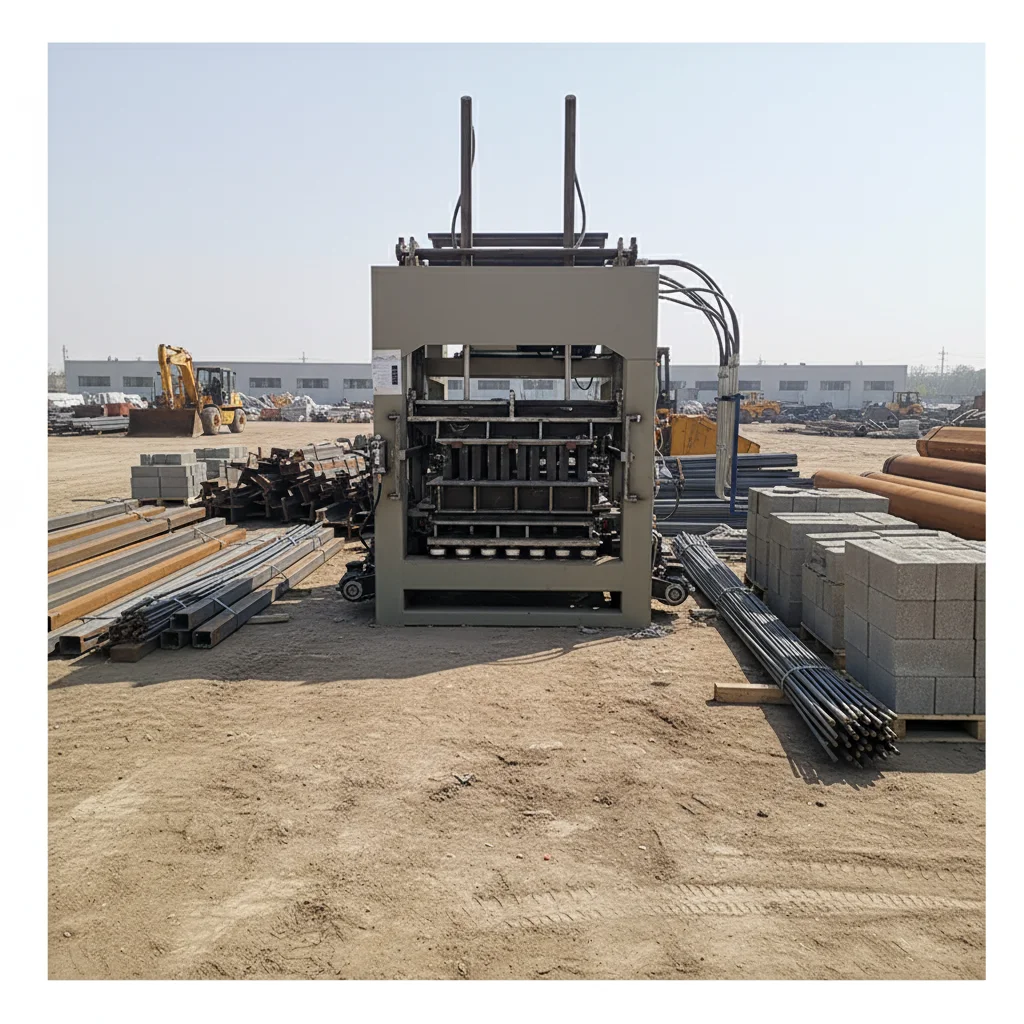
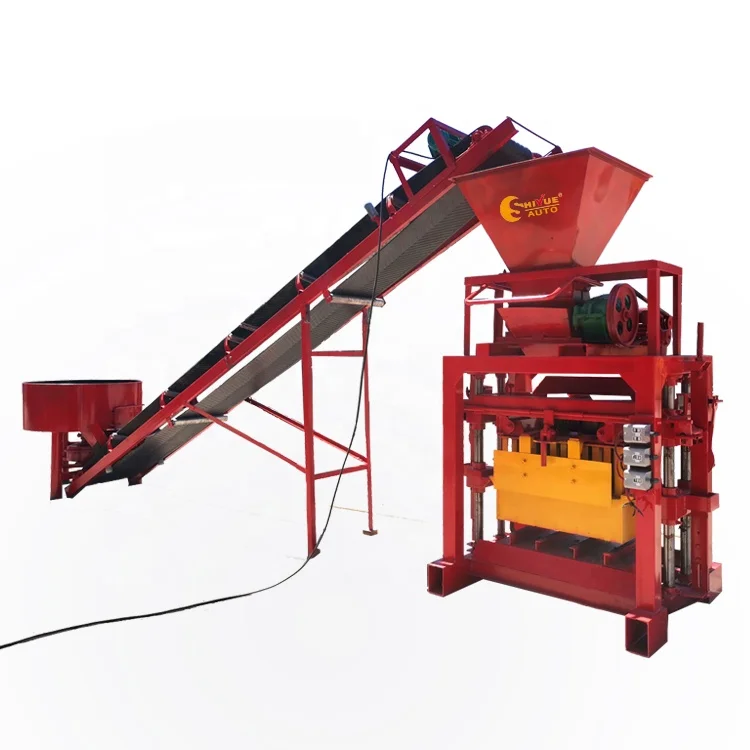 High quality block machine