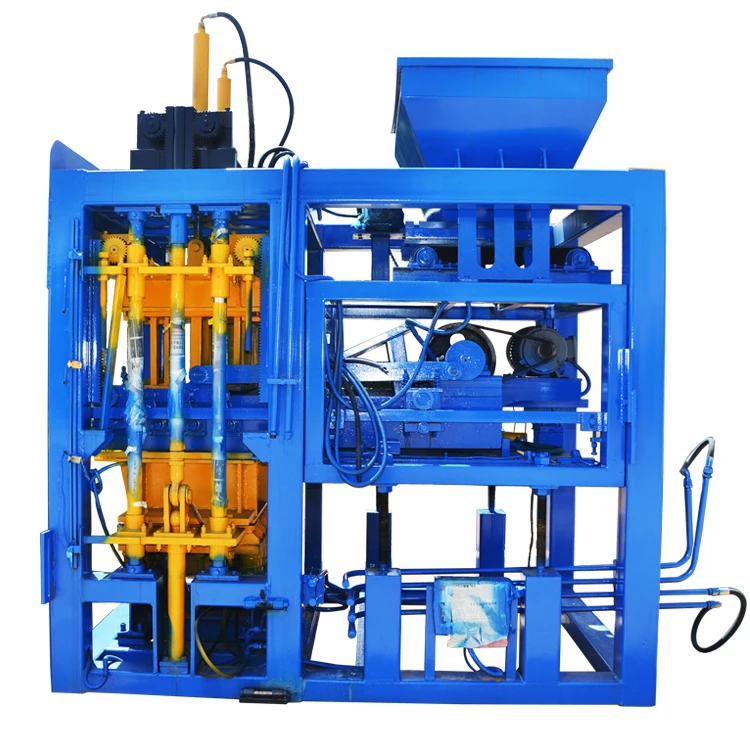
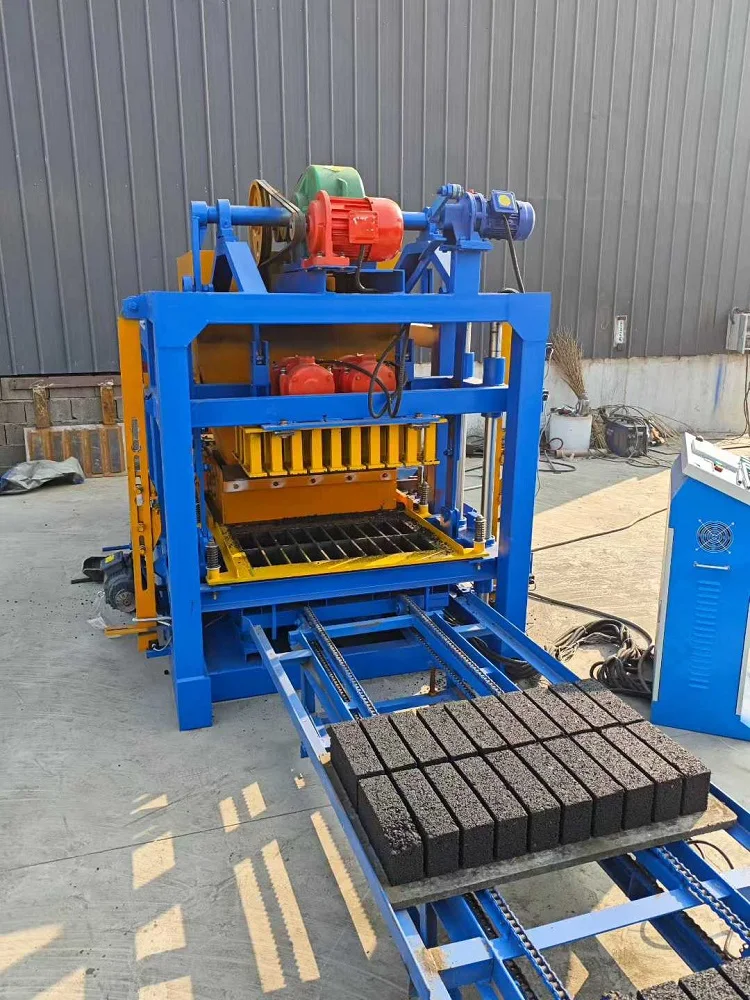
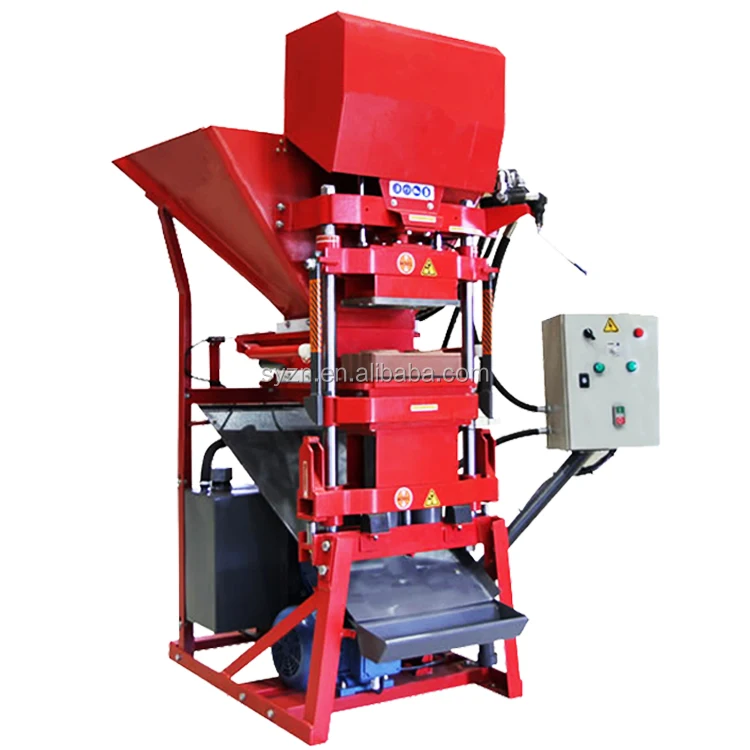
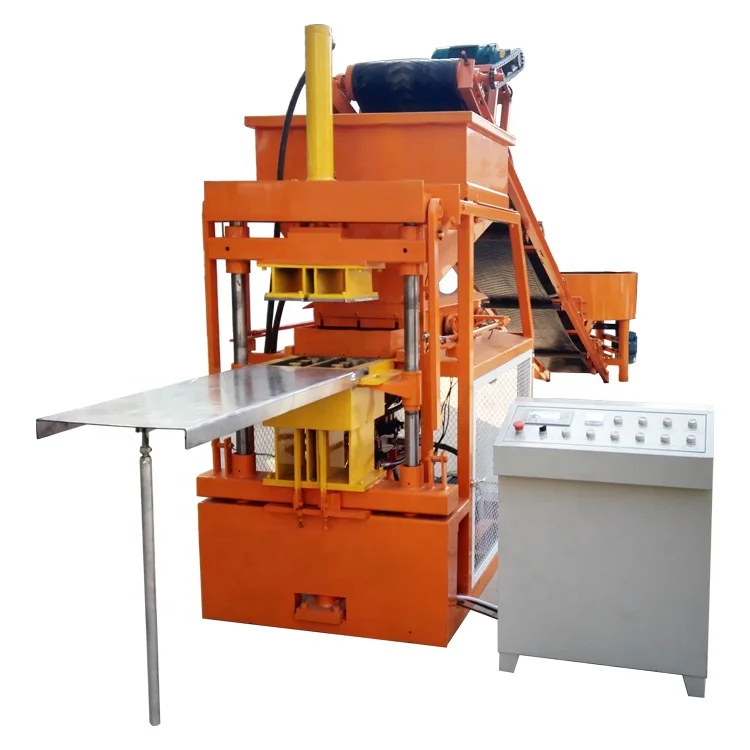
Block machinery as a single focus — the QT8-15 automatic block machine is specified alongside its moulds, pallets and handling equipment as one matched production system rather than a stand-alone press.
Technical Specifications
| Parameter |
Value |
| Model |
QT8-15 |
| Product Type |
Automatic Concrete Block Making Machine |
| Forming Cycle |
15–20 seconds |
| Output: Hollow Block 400×200×200mm |
8 Pcs/Mould, 1,600–1,900 Pcs/Hr, 12,800–15,000 Pcs/8Hr |
| Output: Solid Brick 240×115×53mm |
45 Pcs/Mould, 8,000–10,000 Pcs/Hr, 64,000–80,000 Pcs/8Hr |
| Output: Paver Brick 200×160×60mm |
15 Pcs/Mould, 3,000–3,600 Pcs/Hr, 24,000–28,800 Pcs/8Hr |
| Output: Interlocking Paver 225×112.5×60mm |
24 Pcs/Mould, 4,000–5,000 Pcs/Hr, 32,000–40,000 Pcs/8Hr |
| Mould Types |
Hollow block, solid brick, paver brick, kerbstone |
| Mould Treatment |
Heat-treated for extended working life |
| Hydraulic System |
Advanced hydraulic pressure technology |
| Vibration System |
Latest vibration system |
| Automation Level |
Automatic |
| Warranty |
1 year guarantee |
| Technical Support |
24-hour on-line technical support |
| Installation |
Overseas engineer team available for installation and worker training |
Application Suitability
| Application |
Material or Output |
| Construction plant hollow block production |
Crushed stone, sand and cement mix for 400×200×200mm structural blocks |
| Solid brick runs for masonry supply |
Cement and fine aggregate for 240×115×53mm wall bricks |
| Paving brick manufacture for municipal projects |
Pigmented concrete mix for 200×160×60mm interlocking pavers |
| Kerbstone production for road and landscape contractors |
Dense aggregate blend for standard and custom kerb profiles |
Why the Quoted Capacity Figure Often Misleads Buyers
Capacity numbers only mean something when the block format behind them is stated up front.
Too many quotations list a single cycles-per-hour rating and leave the buyer to assume it applies to every block size they plan to run. In practice, a machine that cycles fast on a large hollow block may behave quite differently when switched to a small solid brick, and the real daily output can fall noticeably short of the figure on paper. The QT8-15 is rated with a 15–20 second forming cycle, and each output tier above is tied to a specific block dimension so the buyer can plan against the format they actually sell. [NEED_CITE: common discrepancies between quoted and realised block plant output]
Where the QT8-15 Sits in the Full Machine Range
The complete block machine range spans mobile egg-laying units at the entry level, semi-automatic presses for smaller workshops, and fully automatic lines like the QT8-15 for plants that need consistent high-volume output. An automatic block machine manufacturer typically positions a model of this class above semi-automatic options where pallet handling and stacking still rely on manual labour. The QT8-15 is intended for buyers who have already outgrown workshop-scale production and need a press that anchors a wider automated line.
Matching the Press to the Rest of the Line
A press does not produce blocks on its own. Raw material feeding, mixing, pallet circulation, stacking and curing rack handling must all keep pace with the 15–20 second forming cycle, otherwise the QT8-15 sits idle waiting for the next pallet or mix batch. When the automatic block machine manufacturer sizes the supporting stations, each conveyor speed, mixer batch size and stacker index must be calculated against the target format, not a generic catalogue default. [NEED_CITE: block line synchronisation principles for continuous press operation]
Reading the Specification Sheet Beyond the Headline Numbers
The forming cycle of 15–20 seconds sets the rhythm, but block density and strength come from how hydraulic pressure and vibration force work together on the buyer’s specific mix. Heat-treated moulds resist wear across long production runs, which matters when a single format accounts for most of the daily volume. The four listed output tiers — hollow block, solid brick, paver and interlocking — show that the QT8-15 covers the formats most building material distributors and project contractors need, and the mould change system determines how quickly the plant can switch between them. Pallet size, although not stated in the source data, must match both the press table and the curing area forklift the buyer already operates, so confirming that dimension early avoids costly rework after delivery.
The Cost of Skipping the Configuration Conversation
When voltage, frequency and PLC display language are left unconfirmed before production, the machine can arrive on site and simply not power up, leaving an entire construction crew waiting. A pallet specification chosen without checking the buyer’s existing curing racks and forklift capacity forces double-handling from day one. Moulds ordered in formats the local market does not buy tie up capital that should have gone into the formats that move. These are not theoretical problems; they show up repeatedly on first-time block plant installations where the specification conversation stopped at price. [NEED_CITE: typical commissioning delays caused by unconfirmed electrical parameters on imported machinery]
What Stays Consistent When You Source the Whole Line Together
Block machinery as a single focus means the QT8-15 press, its moulds, pallets and handling equipment leave the factory as one matched system. Configuration is set against the buyer’s actual mix design and local aggregate rather than a catalogue default, so block strength meets the target from the first production run. Mould design covers the formats the buyer’s market sells, including custom drawings when a standard profile does not fit. The automation level is selectable, allowing a buyer to start with a simpler pallet handling arrangement and add stacking or cubing later as volume grows. Installation and commissioning support includes operator training so the crew knows the machine before the engineer leaves site.
Documentation & Verification
- Line layout with capacity calculation stating the block format assumed for each output figure
- Machine specification sheet confirming hydraulic, vibration, pallet and automation parameters as one system
- Mould drawing and format list covering every block profile the buyer intends to produce
- Voltage, frequency and PLC display language confirmation record signed off before production
- Factory test record run on the buyer’s target block format prior to dispatch
Installation, Commissioning & Support
- Foundation plan showing load points and curing area space required by the QT8-15 footprint
- Electrical supply specification confirming voltage and frequency before the control cabinet is wired
- Container loading and dismantling schedule so arrival timing is known before the ship sails
- On-site commissioning with the engineer setting cycle parameters against the buyer’s actual mix
- Operator training covering mould change procedure, daily maintenance and safety interlocks
- Wear parts and mould list provided so the first replacement order can be planned in advance
Before You Request a Quote
To make sure the QT8-15 is positioned correctly within the range, share the block formats your market sells, your target daily output per format, and the raw materials you can source locally. Confirming your site voltage, frequency and preferred PLC language at the inquiry stage keeps the commissioning timeline on track once the machine arrives.
Frequently Asked Questions
Q: Where does the QT8-15 sit within the full automatic, semi-automatic and mobile block machine range?
A: The QT8-15 is in the high-capacity automatic tier, above semi-automatic models that still require manual pallet handling and mobile egg-laying machines that produce without pallets on a floor. It suits buyers who need a press that anchors a wider automated line with consistent daily volumes across multiple block formats.
Q: How is output capacity calculated per block format, and why does the assumed format matter?
A: Every capacity figure for the QT8-15 is stated against a specific block dimension and mould cavity count. A cycle time of 15–20 seconds produces different piece counts depending on whether the mould holds 8 hollow blocks or 45 solid bricks, so quoting a single number without the format hides the real daily output.
Q: What plant footprint and supporting equipment does the QT8-15 tier require compared to smaller models?
A: The QT8-15 tier needs a full material feed, mixing, pallet circulation and stacking arrangement around the press, plus a curing area sized for the daily pallet count. Smaller semi-automatic or mobile machines may run with minimal conveying, but at this output level every station must keep pace with the forming cycle.
Q: Can I start with a semi-automatic configuration and move to the QT8-15 tier later?
A: The automation level is selectable, so a buyer can begin with manual pallet handling and add automatic stacking or cubing as volume justifies the investment. The press itself remains the same, meaning the upgrade path involves adding peripheral stations rather than replacing the core machine.
Q: What separates the QT8-15 from entry-level automatic machines in terms of investment?
A: The step up from entry-level automatic to the QT8-15 tier involves higher mould cavity counts, a larger pallet size and supporting equipment that must all be specified as one system. The investment difference shows up not only in the press but in the mixer capacity, pallet inventory and curing area needed to absorb the higher output.

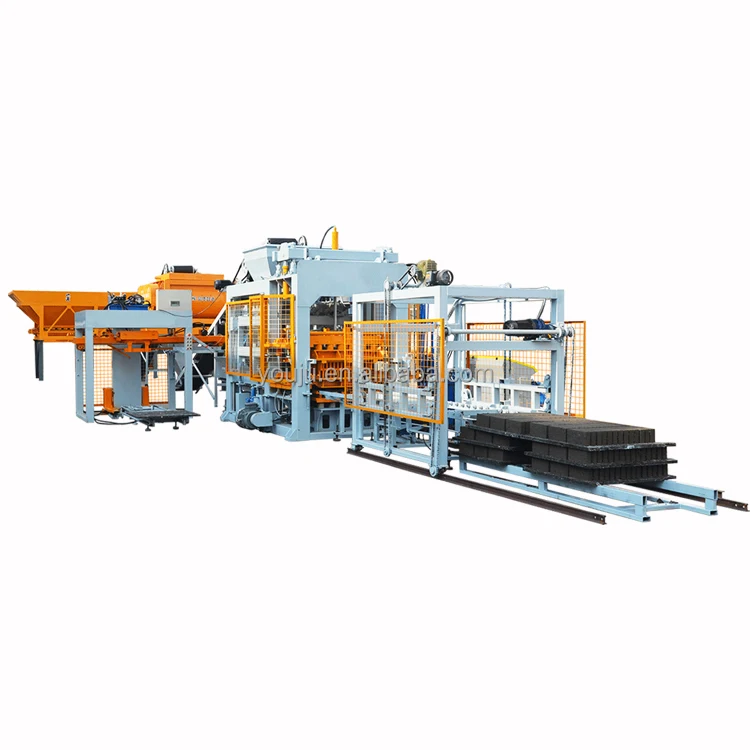
 Automatic block machine