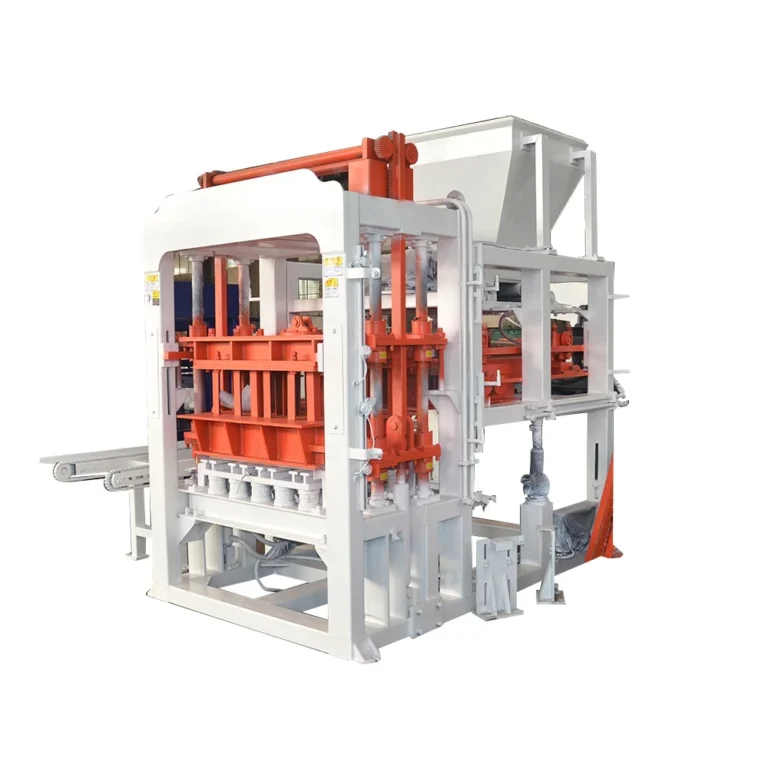
Hydraulic pressing matched to your mix — The QT6-15 is configured against the buyer’s actual aggregate and target block format rather than shipped at catalogue defaults, so vibration force and rated pressure align with what your local materials can deliver.
Technical Specifications
| Parameter |
Value |
| Model |
QT6-15 |
| Product Type |
Automatic Hydraulic Concrete Block Making Machine |
| Overall Dimensions (L×W×H) |
7100×1500×3000 mm |
| Rated Pressure |
21 MPa |
| Main Vibration Form |
Platform vibration |
| Vibration Frequency |
4500–5100 r/min |
| Pallet Size |
880×850 mm |
| Moulding Cycle |
15–25 s (basis not stated in source — confirm block format and material) |
| Overall Power |
31.25 kW |
| Net Weight |
8700 kg |
| Control System |
PLC intelligence control |
| Drive Type |
Hydraulic |
| Automation Level |
Fully automatic |
| Mould Format |
Interchangeable moulds for different concrete brick sizes |
| Raw Material Ratio (reference) |
Cement 8–10%, Sand 30–40%, Stone 50–60% |
| Block Strength |
Hollow blocks 8–10 MPa; Solid bricks 10–20 MPa |
Application Suitability
| Application |
Material or Output |
| Hollow block production for load-bearing and partition walls |
Crushed stone, sand, and cement at 8–10% cement content |
| Solid brick production for structural and paving use |
Graded aggregate with 10–20% cement for higher compressive strength |
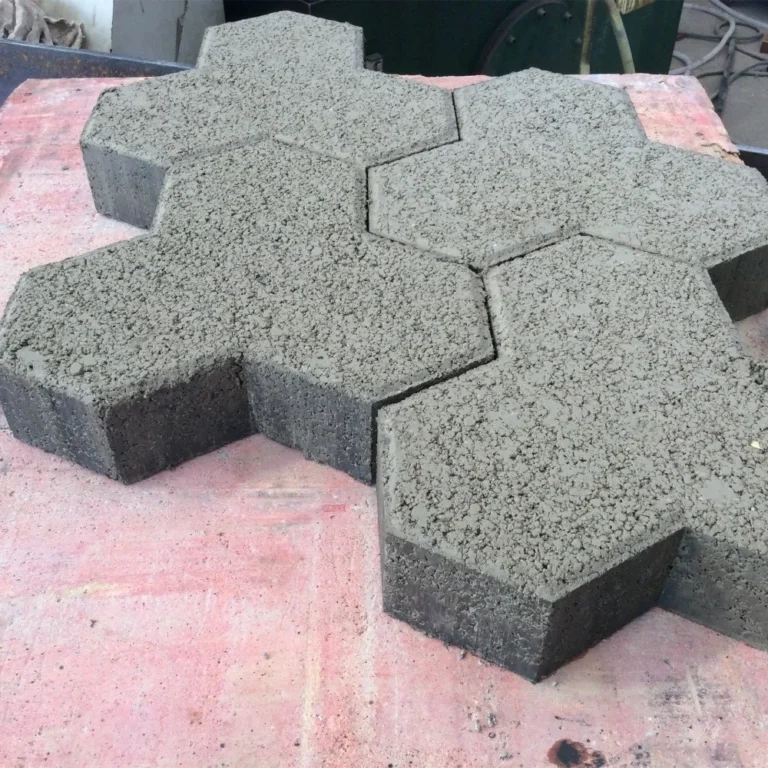
| Interlocking and paving block formats via mould change |
Fine and coarse sand blends with pigment for coloured runs |
| Medium-output block plant for regional supply |
Daily volume scaled to 880×850 mm pallet layout and local curing capacity |
| On-site production for housing and development projects |
Local aggregate and cement sourced near the build location |
Why "Cycles per Hour" Misleads Block Plant Buyers
Cycle time means nothing without the block format and pallet layout it was measured on.
Many quotations list a QT6-15 automatic block machine manufacturer’s output as a single number, but a 15-second cycle on small solid bricks does not translate to the same hourly count on 200 mm hollow blocks. The moulding area of 880×850 mm sets the physical ceiling — how many cavities fit on that pallet determines your real throughput. I have watched buyers sign off on a capacity figure, then discover on commissioning day that their primary product format was never the one used to calculate it [NEED_CITE: block format assumptions in capacity quotations]. Always ask which block size, wall thickness, and cavity count the cycle time refers to before comparing machines across the range.

Where the QT6-15 Sits in the Full Machine Range
The QT6-15 occupies the mid-to-high tier among fully automatic stationary block machines, sitting above semi-automatic models that still require manual pallet handling and below flagship lines designed for continuous three-shift operation. Buyers who have outgrown egg-laying or mobile machines but are not yet ready for a high-capacity automatic line with integrated cubing typically land here. The 31.25 kW overall power draw reflects a press that delivers meaningful hydraulic force without demanding the dedicated transformer capacity that larger tiers require. This QT6-15 automatic block machine manufacturer positions the model for plants targeting steady daily output across multiple formats rather than maximum single-format volume.
Automation Level and What It Removes from the Operator
Fully automatic operation on this tier means the PLC controls the feed, press cycle, and pallet advance without manual intervention at each station. The operator monitors the human-machine interface and intervenes only for mould changes, raw material top-ups, or fault clearing. Compared to semi-automatic machines in the range, this removes the pallet feeder and the press-side attendant from the labour count during normal running. The PLC intelligence control also stores cycle parameters per mould, so switching from hollow block to solid brick does not require the operator to re-dial vibration frequency and pressure from scratch each time [NEED_CITE: PLC parameter storage in block machine control systems].
Reading the Specs That Actually Shape Your Output
The 21 MPa rated pressure and 4500–5100 r/min platform vibration work together — pressure compacts the mix while vibration settles fine particles into voids, and neither alone produces consistent block strength. If your local aggregate is angular crushed stone, higher vibration frequency helps packing; if it is rounded river gravel, pressure does more of the work. The 880×850 mm pallet size defines the curing rack dimensions you must build or buy, and it must match the forklift tine spacing already in your yard. The 15–25 second moulding cycle range reflects the difference between a thin solid brick and a tall hollow block, not a machine adjustment you make at will. Raw material consumption at 150–190 tonnes per day is a reference figure that shifts with block density and shift length — confirm it against your planned format and operating hours before sizing your silo and mixer.
The Hidden Cost of Skipping Format Confirmation
When a buyer does not confirm which block formats the quoted mould set covers, the machine arrives with moulds for sizes the local market does not buy. Commissioning stalls while new mould drawings are approved and manufactured. Pallets ordered to the wrong size mean the curing racks already built on site cannot accept them, forcing a rack rebuild or a daily manual restacking bottleneck. Voltage and frequency left unconfirmed until the machine is crated can delay energisation by weeks if the local supply does not match the motor winding [NEED_CITE: voltage mismatch consequences in exported industrial machinery]. These are not equipment defects — they are specification gaps that surface only after the container is opened.
Why Buyers Source This Tier from Shandong Shiyue
Shandong Shiyue Intelligent Machinery Co., Ltd focuses exclusively on block machines and their supporting line equipment, so the QT6-15 is specified as part of a matched system — press, mould, pallet, and handling — rather than assembled from unrelated suppliers. Machine configuration starts from the buyer’s actual mix design and local aggregate sample, not a default setting. Mould design covers the formats the buyer’s market actually sells, with custom drawings available for non-standard sizes. The automation level is selectable within the range, allowing a buyer to begin with the QT6-15 and add stacking or cubing modules as volume grows. Factory testing runs the machine on the confirmed pallet size and mould set before dispatch, so the test record reflects your product, not a generic demonstration.
Documentation & Verification
- Line layout and capacity calculation stating which block format the cycle time assumes
- Mould drawing and format list covering every size in your quoted set
- Pallet specification matched to your curing rack dimensions and forklift
- Hydraulic and electrical schematic for your confirmed voltage and frequency
- Factory test record run on your mould set before container loading
- CE declaration provided where applicable to the destination market
Installation, Commissioning & Support
- Foundation plan based on 7100×1500 mm footprint and 8700 kg net weight
- Dedicated circuit sized for 31.25 kW overall power at confirmed voltage
- Machine dismantled for container loading with reassembly sequence documented
- On-site commissioning includes PLC language set to operator preference
- Operator training covers mould change procedure and cycle parameter recall
- Wear parts list identifies hydraulic seals and vibration motor bearings for first reorder
What We Need Before Quoting Your Configuration
To size the QT6-15 correctly within the full machine range, send the block formats your market sells most, the daily volume you need per format, and a sample or description of your local aggregate. Confirm your site voltage, frequency, and preferred PLC display language so the electrical package is correct from build. If you already have curing racks or forklifts, share the pallet dimensions they accept so the 880×850 mm standard can be verified or adjusted before the mould order is placed.
Frequently Asked Questions
Q: How is output capacity calculated for each block format on this machine?
A: Output depends on how many block cavities fit on the 880×850 mm pallet and the moulding cycle for that specific format. A solid brick mould may hold more pieces per cycle than a large hollow block mould, so the same 15–25 second range produces very different hourly counts. We provide a capacity table listing each confirmed format with its cavity count and measured cycle time.
Q: Where does this model sit compared to semi-automatic and higher-tier machines?
A: The QT6-15 is a fully automatic stationary press above semi-automatic models that require manual pallet feeding and below high-capacity lines built for three-shift continuous operation. It suits buyers who need consistent daily output across several formats without the investment and footprint of a flagship automatic line with full cubing integration.
Q: What electrical and control details must be confirmed before production starts?
A: Voltage, frequency, and PLC display language must all be locked before the electrical cabinet is wired. Shipping a machine wound for the wrong supply delays commissioning until a transformer or motor swap is arranged. We confirm these three items in writing during the quotation stage so the build matches your site conditions on arrival.
Q: Which block formats can the standard pallet size accommodate?
A: The 880×850 mm pallet sets the maximum mould footprint. Standard hollow blocks, solid bricks, pavers, and interlocking formats all fit within this area, but the number of pieces per cycle varies with block dimensions. We confirm your target formats against this pallet size and provide a layout drawing showing cavity arrangement for each mould.
Q: What supporting equipment does this automation tier require?
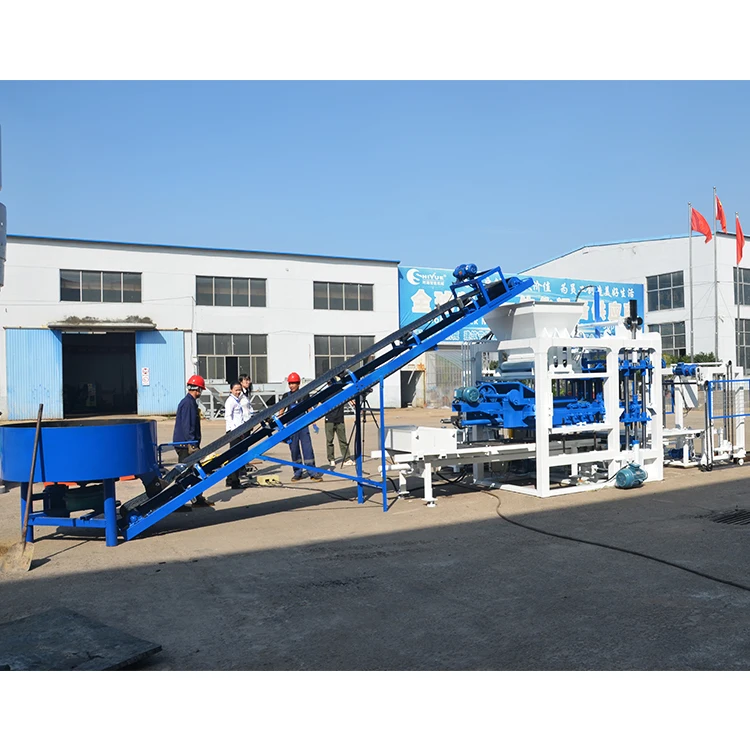
A: At the fully automatic tier, the QT6-15 needs a raw material batching and mixing station, a pallet feeder, and a block conveyor or stacking system downstream. The exact configuration depends on whether you want manual curing rack handling or automatic stacking. We specify the supporting line to match the press cycle so no station becomes a bottleneck.

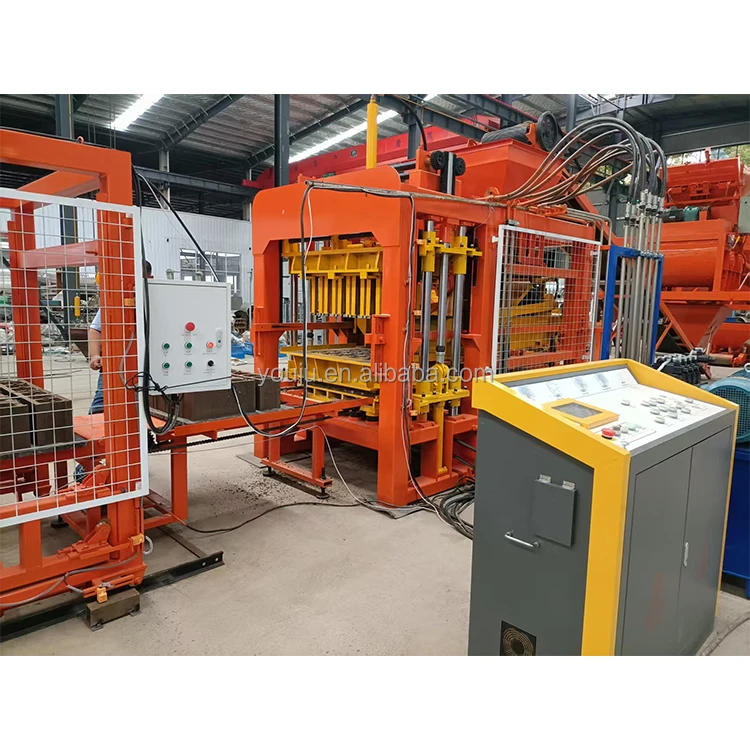
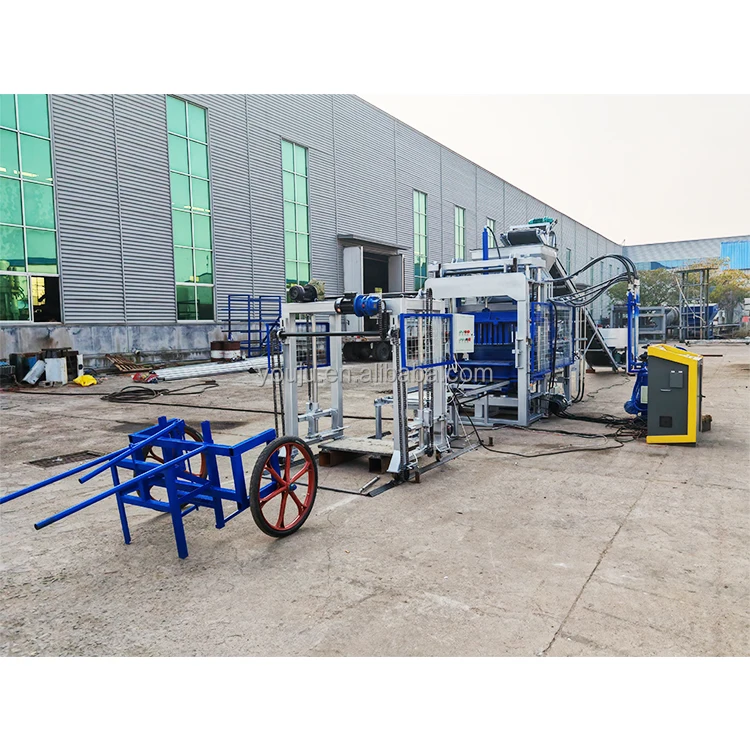 Stationary block machine