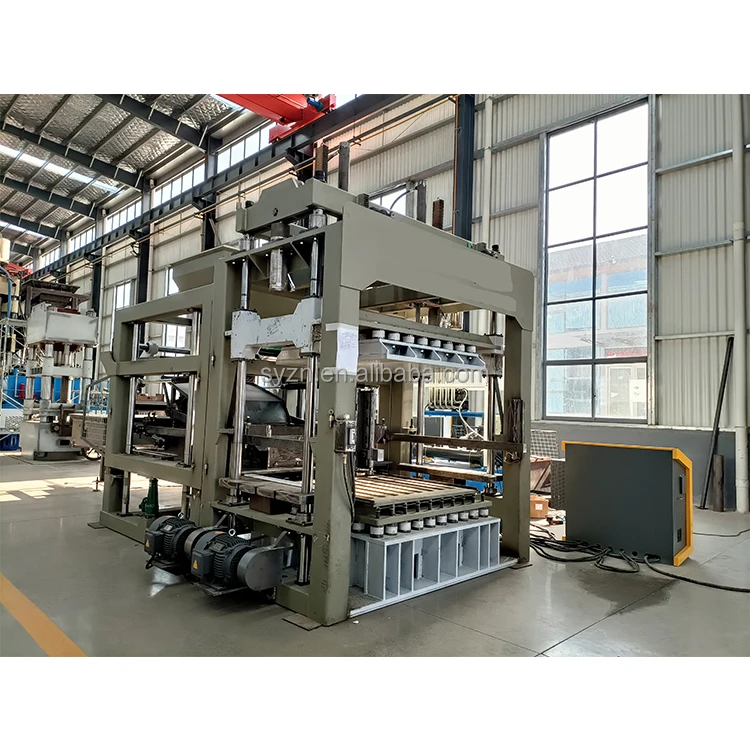
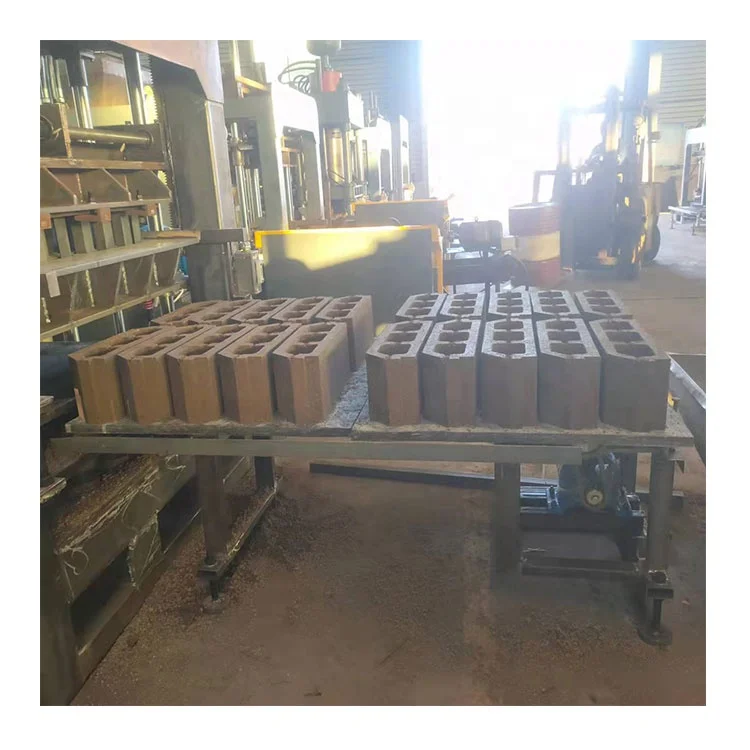
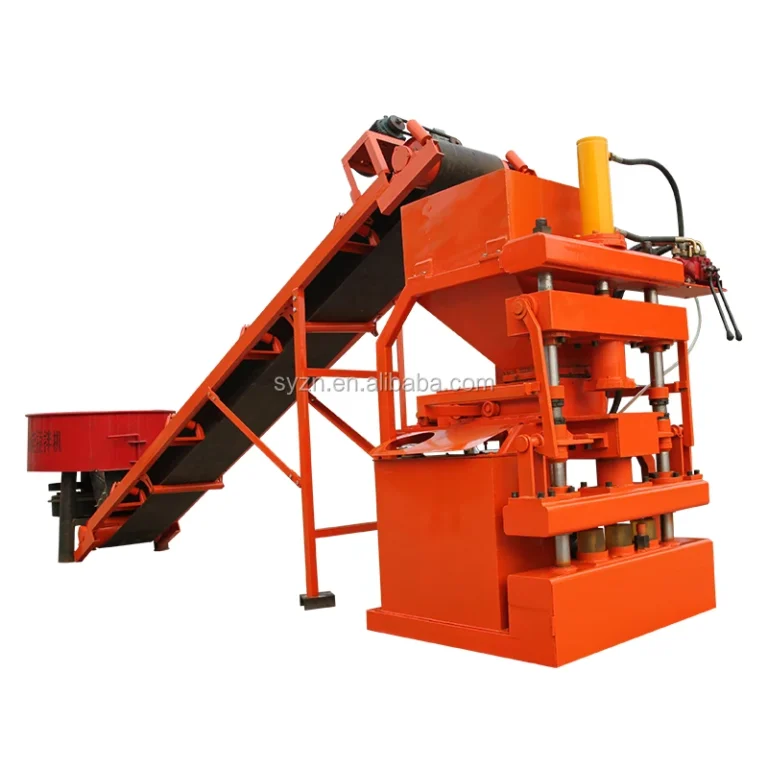
Configuration Set Against Actual Mix Design — every QT6-12 output tier is matched to the buyer’s local aggregate and target block format, not a catalogue default.
Technical Specifications
| Parameter |
Value |
| Model |
QT6-12 |
| Product Type |
Automatic Concrete Block Making Machine |
| Overall Dimensions (L×W×H) |
7350×1780×2950 mm |
| Rated Pressure |
16 MPa |
| Main Vibration |
Platform vibration |
| Vibration Frequency |
4600 r/min |
| Pallet Size |
880×700 mm |
| Molding Cycle |
15–20 s |
| Overall Power |
30.5 kW |
| Output Capacity (Hollow Block 400×200×200 mm) |
1080 pcs/h, 8640 pcs/day (basis: 6 pcs/mould, 16–20 s cycle) |
| Output Capacity (Porous Brick 240×115×90 mm) |
2800 pcs/h, 22400 pcs/day (basis: 14 pcs/mould, 15–18 s cycle) |
| Output Capacity (Standard Brick 240×115×53 mm) |
6800 pcs/h, 54400 pcs/day (basis: 30 pcs/mould, 14–17 s cycle) |
| Raw Materials |
Crushed stone, sand, cement, dust, coal fly ash, cinder, slag, gangue, gravel, perlite, and other industrial wastes |
| Automation Level |
Automatic |
| Voltage & Frequency |
Configurable — confirm with supplier before production |
| Control System (PLC brand / language) |
Configurable — confirm with supplier before production |
| Mould Change |
Supported |
| Standards |
CE, SGS, ISO 9001 |
Application Suitability
| Application |
Material or Output |
| Hollow block production for building construction |
Crushed stone and cement, 400×200×200 mm format |
| Porous brick for city construction and landscaping |
Sand, fly ash, and cement, 240×115×90 mm format |
| Standard brick for masonry walls |
Cement, dust, and slag, 240×115×53 mm format |
| Interlocking block for on-site housing projects |
Local aggregate and cement mix, custom mould |
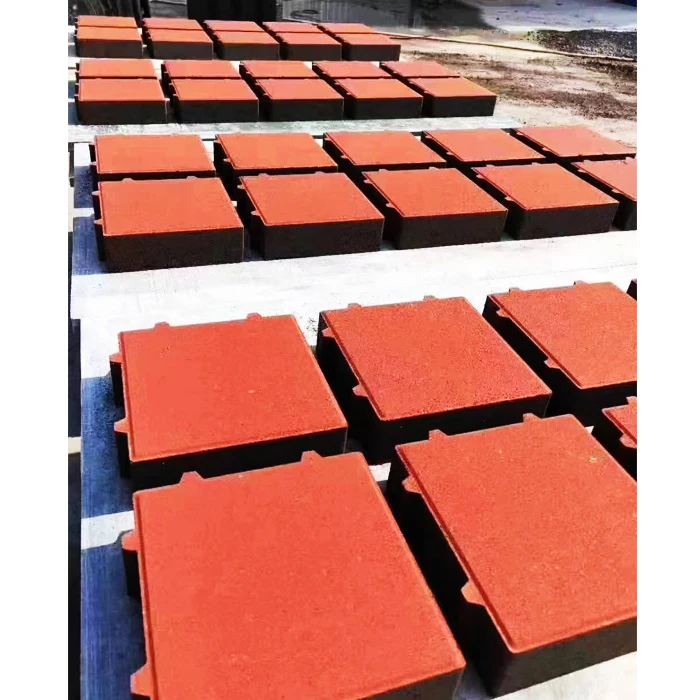
| Paving stones for squares and gardens |
Face mix and base mix, paving block mould |
| Kerbstones and edgers for road and slope work |
Coarse aggregate and cement, kerb mould |
What a Capacity Quotation Actually Means for the QT6-12
Every output figure here is tied to a specific mould format and cycle time — no abstract "pieces per hour" without context.
When an automatic block making machine manufacturer quotes a single capacity number, the buyer often discovers on commissioning day that the real daily output falls far short of the brochure promise. The reason is almost always the same: the quoted figure assumed a small solid brick while the buyer intends to run large hollow blocks. I have walked onto sites in Southeast Asia where the press sat idle half the day because the curing area could not keep up with the pallets the machine was actually producing. [NEED_CITE: block plant capacity calculation methods by format]

Where the QT6-12 Sits in the Complete Machine Range
The QT6-12 occupies the mid-to-high tier within Shiyue’s block machinery lineup. Below it, semi-automatic machines serve smaller workshops that handle pallets by hand and accept lower daily volumes. Above it, higher-tier automatic lines add full stacking and cubing stations for buyers running multiple shifts. This model targets the buyer who has outgrown manual pallet handling and needs a dedicated press with consistent cycle output, but whose plant footprint and investment budget do not yet justify a fully continuous line.
Matching the Press to the Rest of the Line
An automatic block making machine manufacturer must specify the press alongside pallet feeding, curing rack handling, and raw material batching — not as an isolated unit. The QT6-12’s 880×700 mm pallet size dictates the curing rack dimensions and the forklift capacity the buyer already has on site. If the mixer cannot deliver a fresh batch within the 15–20 s molding cycle, the press waits and the quoted output is never reached. Line layout planning is therefore part of the machine selection, not an afterthought. [NEED_CITE: block production line synchronization requirements]
Reading the Numbers That Matter
The rated hydraulic pressure of 16 MPa and platform vibration at 4600 r/min work together to compact the mix into a dense green block. Higher vibration frequency alone does not guarantee strength — the pressure must be matched to the buyer’s aggregate gradation and cement ratio. The 30.5 kW overall power draw tells the buyer what electrical infrastructure is needed before the container arrives. Pallet size 880×700 mm is large enough to produce six 400×200×200 mm hollow blocks per cycle yet compact enough for standard curing racks found in most regional block plants.
The Cost of Skipping the Configuration Conversation
Buyers who select a block machine on price alone often discover that the pallet size does not fit their existing forklift tines, forcing a new forklift purchase. Others find that the voltage and frequency were assumed rather than confirmed, delaying commissioning by weeks while a transformer is sourced locally. When the mould change system is not specified for quick release, a format switch that should take minutes consumes most of a shift — cancelling out the flexibility the buyer paid for in the first place. [NEED_CITE: common commissioning delays in imported block machinery]
Why Buyers Choose This Range
Shiyue focuses exclusively on block machinery, so the QT6-12 press, moulds, pallets, and handling equipment are specified as one matched system rather than assembled from separate suppliers. Configuration starts from the buyer’s actual mix design and local aggregate, not a catalogue default. Moulds are designed for the formats the buyer’s market actually sells, including custom drawings when standard formats do not fit. The automation level is selectable, allowing a buyer to begin with semi-automatic pallet handling and add automatic stacking later. Installation support includes on-site commissioning and operator training, so the first production run is not left to guesswork.
Documentation & Verification
- Line layout showing pallet flow from QT6-12 press through curing racks
- Capacity calculation document stating the exact block format per output figure
- Voltage, frequency, and PLC language confirmation sheet signed before production
- Factory test record on buyer’s specified mould format before dispatch
- Packing photographs and customs documentation support for destination port
Installation, Commissioning & Support
- Foundation plan aligned to 7350×1780×2950 mm overall dimensions and dynamic vibration load
- Dedicated electrical circuit sized for 30.5 kW total draw at confirmed voltage and frequency
- Machine dismantled into container-load modules and reassembled on site by commissioning team
- First-run parameter tuning of vibration frequency and feed time against buyer’s local aggregate
- Operator training covering mould change procedure and daily maintenance intervals
- Wear parts list with reorder codes for hydraulic seals and vibration platform components
Before You Request a Quotation
To size the QT6-12 correctly for your plant, share your target block formats and the daily volume you need for each one. Tell us which raw materials are available locally — including aggregate type and typical moisture content — so the mix design can be factored into the configuration. Confirm your site’s voltage, frequency, and the PLC display language your operators will need.
Frequently Asked Questions
Q: How is the per-hour capacity verified, and which block format does each figure assume?
A: Each capacity figure is tied to a specific mould and cycle time. For example, 1080 hollow blocks per hour assumes the 400×200×200 mm mould producing six pieces per cycle at 16–20 seconds. We provide a written capacity calculation for every format you intend to run, so there is no guesswork about daily output.
Q: Where does the QT6-12 sit compared to semi-automatic and higher-tier models?
A: It occupies the mid-to-high tier of the range. Semi-automatic models below it require manual pallet handling and suit lower volumes. Higher-tier automatic lines above it add full stacking and cubing. The QT6-12 targets plants ready for automatic pressing without committing to a fully continuous line.
Q: What voltage and frequency options are available, and how is PLC language confirmed?
A: Voltage and frequency are configured to match the destination market’s grid. The PLC display language is confirmed in writing before production begins, so operators see instructions in a familiar language from day one. We document both parameters on a signed confirmation sheet.
Q: What plant footprint and utility requirements should a buyer plan before the machine arrives?
A: The press itself measures 7350×1780×2950 mm, but the full line including pallet return and curing racks needs more space. Electrical supply must handle 30.5 kW at the confirmed voltage. A dedicated circuit and proper foundation for dynamic vibration loads are required before commissioning.
Q: Which mould formats are included in the standard quotation?
A: The quotation covers the specific block formats the buyer’s market demands. Standard options include hollow blocks, porous bricks, and standard bricks. Custom moulds can be designed from buyer drawings. Each mould’s cycle time and output are stated in the proposal so capacity planning is transparent.

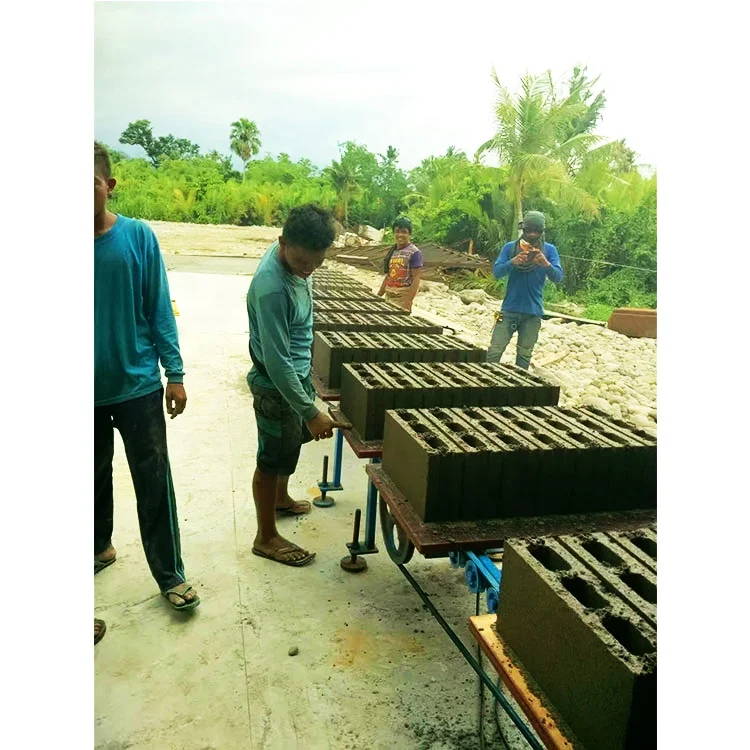 High quality block machine