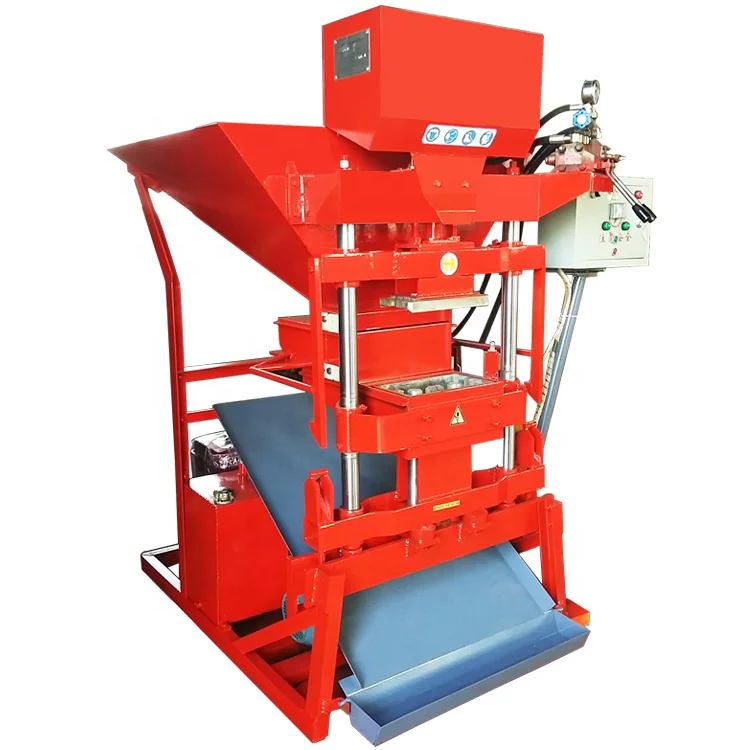
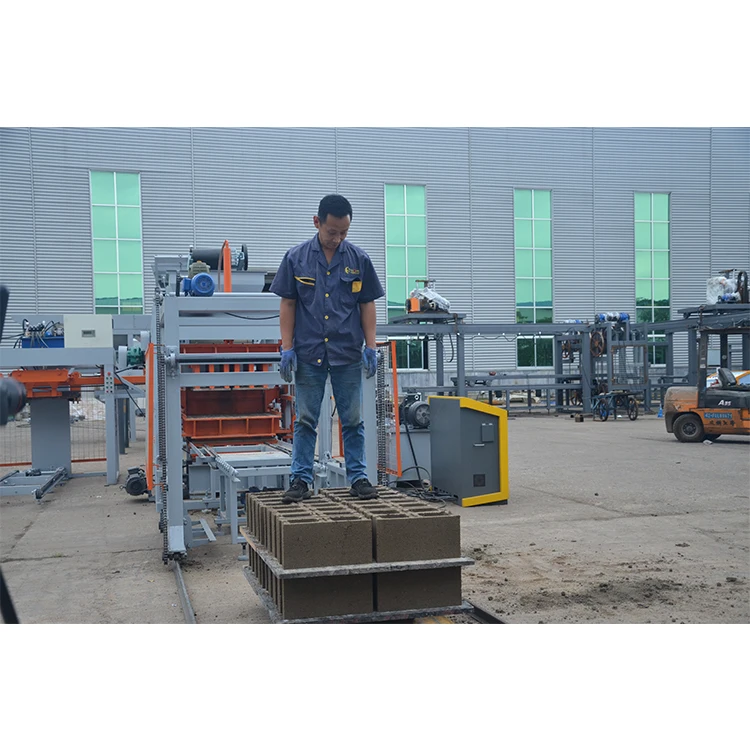
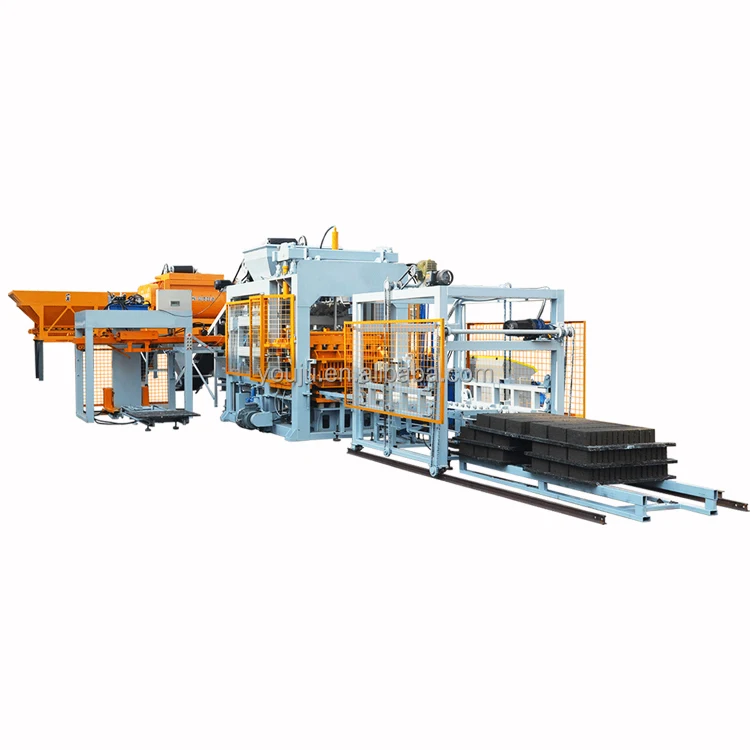
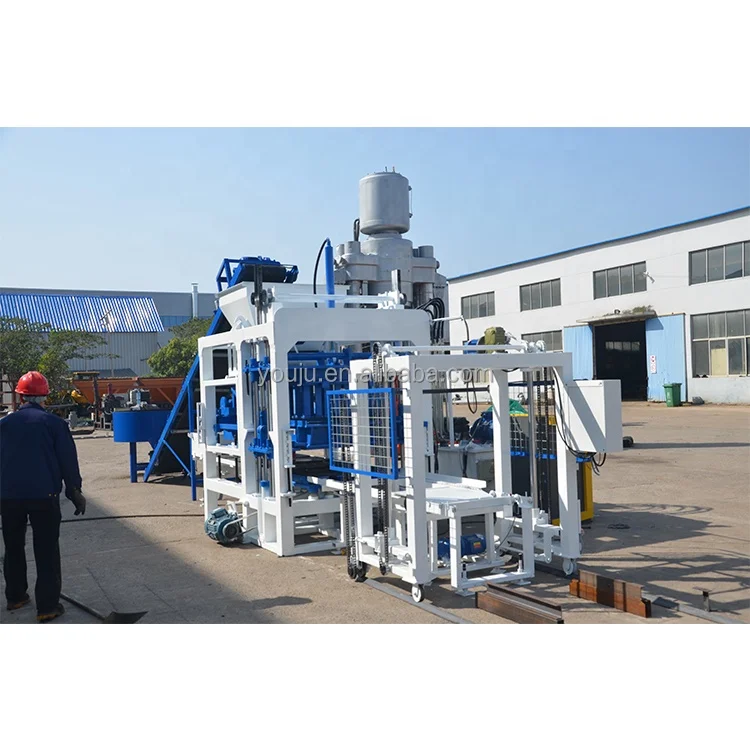
Matched System Design — every QT5-15 block making machine leaves our factory with mould, pallet, and handling specified as one integrated unit rather than assembled from separate suppliers.
Technical Specifications
| Parameter |
Value |
| Model |
QT5-15 |
| Product Type |
Hydraulic Concrete Block Making Machine |
| Overall Dimensions (L×W×H) |
7400 × 1950 × 2800 mm |
| Rated Pressure |
21 MPa |
| Main Vibration Form |
Platform Vibration |
| Vibration Frequency |
2800–4500 r/min |
| Vibration Force |
40 KN |
| Pallet Size |
1100 × 550 mm |
| Molding Cycle |
15–20 s |
| Total Mass |
6 T |
| Demolding Method |
Hydraulic |
| Factory Area |
600 m² |
| Control System |
PLC intelligent control with man-machine interface, fault diagnosis, remote control |
| Frame Material |
Manganese steel (China national standard) |
| Raw Materials |
Crushed stone, sand, cement, fly ash, gravel, slag, dust |
| Applied Products |
Hollow/solid blocks, pavers, interlocking blocks, curbstone, colored pavers |
Application Suitability
| Application |
Material or Output |
| Hollow block production |
400×200×200 mm, 5 pcs/mold, 7200–9600 pcs/day (basis: 15–20 s cycle) |
| Porous brick production |
240×115×90 mm, 16 pcs/mold, 23040–28800 pcs/day (basis: 16–20 s cycle) |
| Standard brick production |
240×115×53 mm, 32 pcs/mold, 61440–70892 pcs/day (basis: 13–15 s cycle) |
| On-site construction block making |
Crushed stone and cement for contractor housing projects |
| Paver and interlocking block runs |
Sand, cement, and pigment for colored paving formats |
Why the Cycle Time Claim Matters Less Than the Block Format It Assumes
A QT5-15 block making machine manufacturer quoting cycles per hour without naming the block format is quoting a number that cannot be verified on the production floor.
I once watched a Southeast Asian buyer take delivery of a mid-tier press and discover that the advertised daily output assumed a solid brick format they had no intention of producing. Their actual hollow block cycle stretched well beyond the catalogue figure because the local crushed stone contained high clay content, forcing longer vibration times to achieve adequate compaction [NEED_CITE: impact of aggregate clay content on vibration cycle times]. The plant sat half-idle for weeks while the mix design was reworked. Capacity is only meaningful when tied to the exact format, pallet size, and raw material you will run.

Where the QT5-15 Sits in the Complete Machine Range
The QT5-15 occupies the mid-tier of our full block machine lineup, positioned between entry-level semi-automatic machines designed for small workshop volumes and high-capacity fully automatic lines built for large-scale plants. Buyers surveying options for a first or replacement machine can use this model as a benchmark: it delivers hydraulic pressing and PLC control without the investment and footprint of a top-tier automatic line. The 600 m² factory area requirement places it within reach of contractors who have limited land but need consistent output.
Understanding Output Tiers Before Committing to a Purchase
Output tiers are defined not just by the press itself but by how the surrounding stations keep pace. A faster cycle at the press means nothing if pallet feeding, raw material mixing, or stacking cannot match the rhythm. The QT5-15 block making machine manufacturer configuration ensures the pallet size at 1100 × 550 mm aligns with standard curing rack dimensions, so blocks can move from press to curing area without manual re-handling [NEED_CITE: pallet-curing rack dimension compatibility standards]. When comparing tiers, buyers should look at the entire line layout, not just the press cycle time.
What the Vibration and Pressure Numbers Mean for Block Density
The platform vibration system operates between 2800 and 4500 r/min with a 40 KN vibration force, working alongside 21 MPa rated hydraulic pressure. In practice, vibration frequency and hydraulic pressure must be balanced against the buyer’s specific mix design. High clay content in local sand demands more vibration energy to expel trapped air, while a lean cement mix requires higher hydraulic pressure to achieve target block strength. The QT5-15 range allows the operator to adjust vibration frequency within the available band through the PLC interface, but the starting point must be set during commissioning based on actual test batches. Manganese steel frame construction absorbs the repeated vibration loads without fatigue cracking over extended production runs.
The Hidden Cost of Skipping Voltage and Frequency Confirmation
A motor wired for 380V/50Hz that arrives in a country running 440V/60Hz will overheat and trip its thermal protection within minutes of startup. I have seen an entire block line shut down for two weeks because the voltage question was never asked before the machine left the factory [NEED_CITE: voltage and frequency standards by export market]. The PLC control system, vibration motor, and hydraulic pump all must be configured for the destination grid. A QT5-15 block making machine manufacturer that ships without confirming these electrical details is shipping a machine that cannot legally or safely run on arrival.
Why Procurement Through This Range Works for Mid-Tier Buyers
Block machinery as a single focus means the QT5-15 is specified alongside its moulds, pallets, and handling equipment as a matched set. Configuration is built around the buyer’s actual mix design and target block format rather than a catalogue default. Mould design covers the formats the buyer’s market sells, including custom drawings when standard formats do not match local demand. The automation level is selectable, so a buyer can begin with semi-automatic pallet handling and upgrade stacking or cubing functions later within the same product range. Installation and commissioning support includes operator training so the team on site knows how to adjust vibration parameters for their specific aggregate.
Documentation & Verification
- Line layout and capacity calculation stating the block format assumed for each output figure
- Machine specification sheet with voltage, frequency, and PLC display language confirmed
- Mould drawing and format list matched to your pallet size and curing area
- Factory test record with packing photographs before dispatch
- CE declaration documentation where applicable to destination market
Installation, Commissioning & Support
- Foundation must support the 6 T total mass and 7400 mm footprint with level tolerance for platform vibration accuracy
- Electrical supply must match confirmed voltage and frequency for the hydraulic pump and vibration motors
- PLC man-machine interface language set before dispatch to match operator proficiency on site
- First-run commissioning includes test batches with buyer’s local aggregate to set vibration frequency and pressure parameters
- Mould change training covers the hydraulic demolding system so format switches fit within one shift
- Wear parts list provided at delivery with hydraulic seals and vibration components identified for reorder planning
Starting the Conversation
Tell us the block formats your market demands, the daily output volume you are targeting, and the raw materials available locally. Share your site’s voltage, frequency, and the language your operators prefer on the PLC display. Let us know your available floor area and whether you already have forklifts or curing racks the pallet size must accommodate.
Frequently Asked Questions
Q: How do I decide between the QT5-15 and a higher-capacity automatic line for my daily volume target?
A: Start with the block format you will produce most often and calculate realistic daily output using the cycle time for that format. If the QT5-15 output tier covers your demand with some headroom, the smaller footprint and lower investment make it the practical choice. Higher-capacity lines are justified when daily volume exceeds what a mid-tier press can deliver on your primary format.
Q: What block formats can the QT5-15 produce, and how does capacity change across them?
A: The press handles hollow blocks, porous bricks, standard bricks, pavers, interlocking blocks, and curbstones. Capacity varies significantly by format: a 400×200×200 mm hollow block yields 7200–9600 pieces per day at 15–20 second cycles, while a 240×115×53 mm standard brick yields 61440–70892 pieces per day at 13–15 second cycles. Always compare using your primary product.
Q: What plant footprint does the QT5-15 require compared to smaller or larger tiers?
A: The QT5-15 needs approximately 600 m² of factory area, which includes space for the press, raw material storage, pallet circulation, and initial curing. Smaller semi-automatic machines can operate in tighter workshops, while fully automatic lines with cubing and stacking require substantially more floor space for the extended conveyor and curing rack systems.
Q: Can I start with semi-automatic operation and add automation later?
A: Yes. The QT5-15 is designed within a range where automation levels are selectable. A buyer can begin with manual pallet handling and basic PLC control, then add automatic pallet feeding, stacking, or cubing functions later without replacing the press. The hydraulic and vibration systems remain the same across automation tiers.
Q: How does the QT5-15 investment level compare to mobile and fully automatic tiers?
A: The QT5-15 sits in the mid-range between mobile egg-laying machines, which have the lowest investment but limited format options, and fully automatic lines, which demand higher capital for conveyors, stackers, and cubing systems. It suits buyers who need multiple block formats and consistent output without the full infrastructure of a large automatic plant.

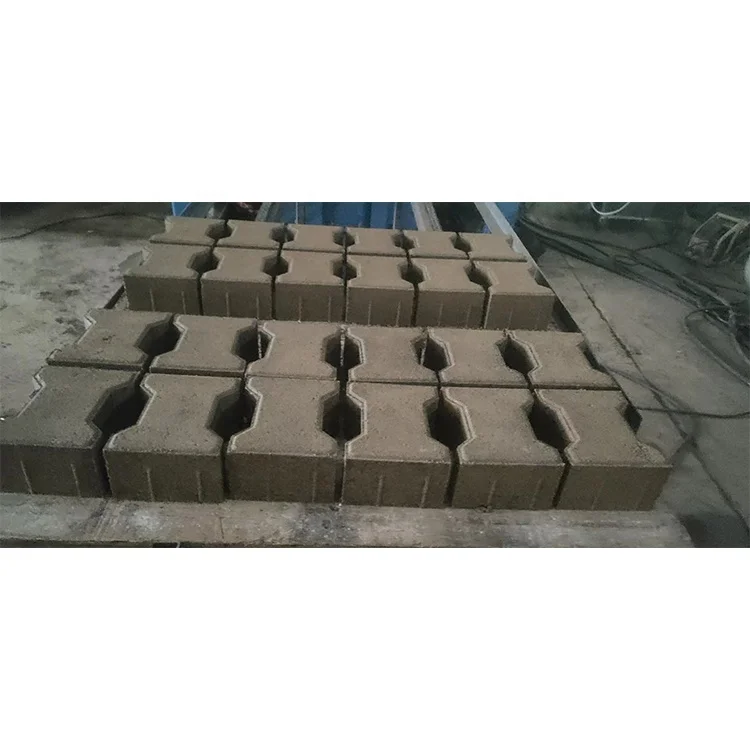
 Semi automatic block