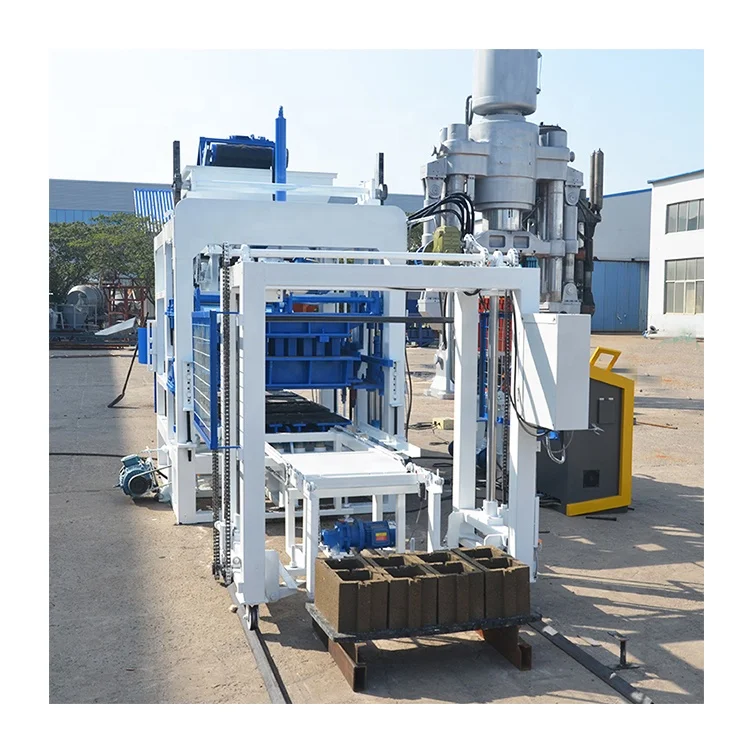
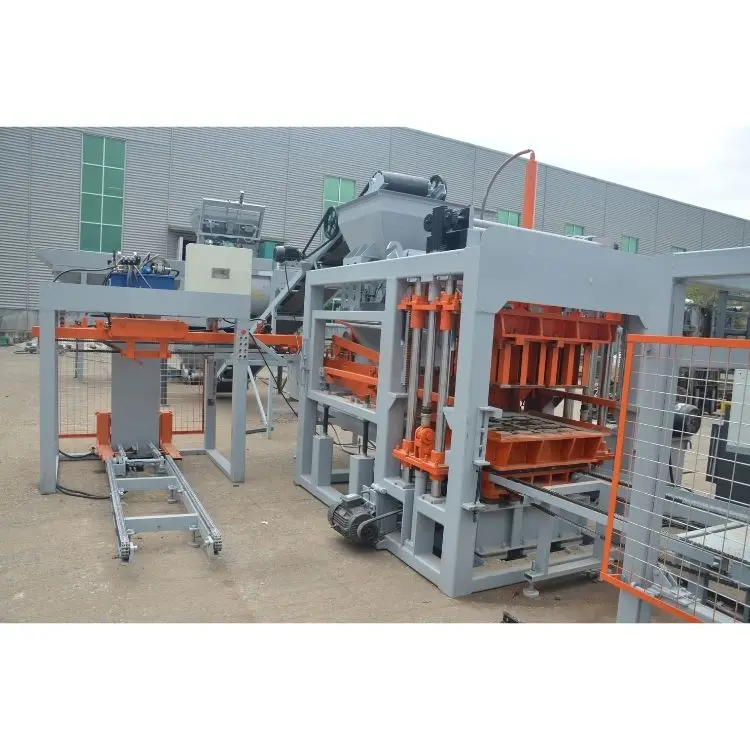
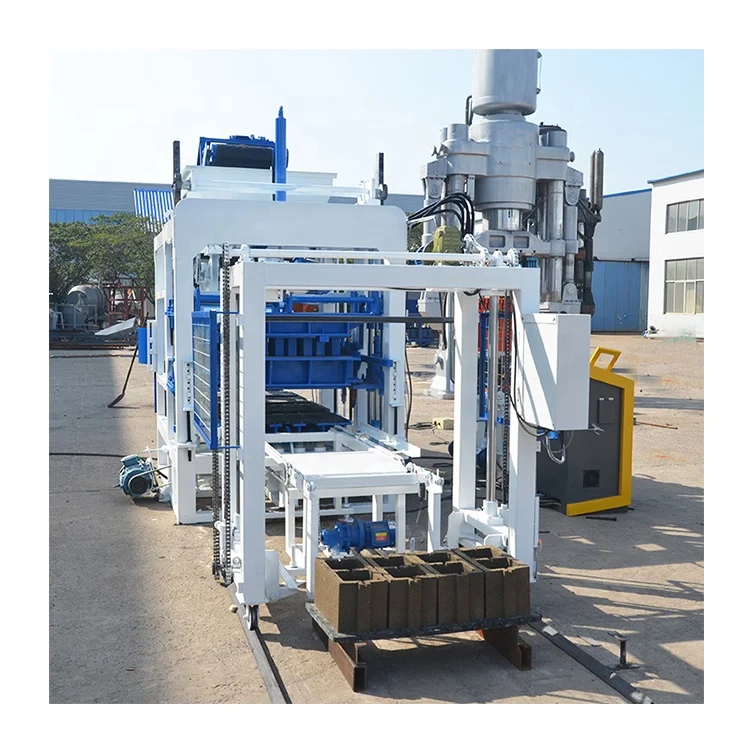
Matched System Sizing — the QT4-18 is positioned within the Shiyue automatic block machine range so buyers can compare output tiers, plant footprints and automation levels before committing to a specific configuration.
Technical Specifications
| Parameter |
Value |
| Model |
QT4-18 |
| Product Type |
Automatic Concrete Block Making Machine |
| Overall Dimensions (L×W×H) |
2500×1750×2200 mm |
| Rated Pressure |
16 MPa |
| Vibration Form |
Platform Vibration |
| Pallet Size |
950×550 mm |
| Molding Cycle |
18–25 s (basis not stated in source — confirm block format / material / thickness) |
| Overall Power |
27.5 kW |
| Control System |
PLC with frequency converter |
| Electrical Components |
Schneider |
| Mould Lifting Mechanism |
Double-sided synchronous gears |
| Material Feeder System |
Hopper, feeding box, feeding platform, conveyor system |
| Block Receiver |
Frame, convey system, idler wheels, motor and reducer with triangle belt |
| Automation Level |
Automatic (pallet feeding via hydro-cylinder, automatic block conveying) |
| Supporting Equipment Available |
JQ500 concrete pan mixer, 8 m / 6 m belt conveyor, stacker, block clamper, cement silo, batching plant, trolley, extra moulds |
| Included Mould |
One free hollow mould; extra moulds customizable |
Application Suitability
| Application |
Material or Output |
| Hollow block production |
Crushed stone, sand, cement, fly ash aggregates |
| Solid block production |
Dense concrete mixes for load-bearing walls |
| Paving block production |
High-strength mix designs for walkways and yards |
| On-site contractor production |
Local aggregate and cement for project-specific masonry |
Why the Block Format Assumption Changes Everything About Output
A cycle time only means something when you know which block format it was measured on.
When buyers compare an automatic concrete block making machine manufacturer across different output tiers, the quoted cycles per hour often hide the block format used for that calculation. A machine running 18-second cycles on a small solid paver will deliver far fewer pieces per hour when switched to a large hollow block that demands longer vibration and a slower feed. I have seen plants arrive on site expecting a certain daily volume, only to discover the capacity figure assumed a format they never intended to produce. [NEED_CITE: concrete block format dimensions and typical production cycle variations]
Where the QT4-18 Sits in the Full Machine Range
The Shiyue lineup spans mobile egg-laying units for on-site work, semi-automatic presses for smaller workshops, and high-capacity automatic lines with full stacking and cubing. The QT4-18 occupies the mid-tier automatic segment, aimed at plants that need consistent PLC-controlled output without the floor space and capital of a top-tier line. For an entrepreneur setting up a first block plant or a distributor surveying options for their market, this model provides a useful reference point between entry-level semi-automatic machines and large-scale production systems.
Comparing Automation Tiers and Plant Footprint
A semi-automatic machine requires manual pallet handling and hand stacking, which keeps the initial investment lower but ties up labour on every shift. The QT4-18 introduces hydro-cylinder pallet feeding and automatic block conveying, removing those manual steps from the operator. [NEED_CITE: typical labour requirements across block plant automation levels] However, it does not include the full automatic stacking and cubing found on higher tiers, so the plant layout still needs a curing area within forklift reach. Understanding where each tier sits helps buyers match their budget and available floor space before requesting a quotation.

How Pressure, Vibration and Pallet Size Shape Your Output
The 16 MPa rated hydraulic pressure works together with platform vibration to compact the concrete mix into the mould cavity. Higher pressure and matched vibration force produce denser blocks with better compressive strength, but the mix design and local aggregate must suit those settings — a mix that is too dry will crumble, while one that is too wet will slump before curing. The 950×550 mm pallet size determines how many blocks form per cycle and dictates the curing rack dimensions and forklift capacity you will need on the floor. The 18–25 second molding cycle range reflects variation across block formats; a thin paving block completes faster than a tall hollow block that requires extended vibration. Double-sided synchronous gears on the mould lifting mechanism keep the mould halves aligned during demoulding, reducing block edge damage and the scrap rate that comes with it.
What Happens When the Electrical Spec Is Not Confirmed Early
A machine that arrives with the wrong voltage or frequency sits idle until a compatible transformer or motor replacement arrives — a delay that can stretch across weeks and stall an entire project launch. [NEED_CITE: voltage and frequency standards by export market] The QT4-18 ships with Schneider electrical components and a PLC with frequency converter, but the exact voltage, frequency and PLC display language must be locked down before production begins. Skipping this confirmation is one of the most common and costly oversights in cross-border machinery procurement.
Why Buyers Source This Range from Shiyue
Block machinery is the single focus here, which means the press, mould, pallet and handling equipment are specified as one matched system rather than assembled from unrelated suppliers. The QT4-18 configuration is set against your actual mix design and local aggregate, not a catalogue default. Mould design covers the formats your market actually sells, with custom drawings available when standard options do not fit. The automation level is selectable, so a buyer can start with the pallet-feeding and conveying features on this model and plan an upgrade path later. Installation support includes operator training so the crew knows how to run and maintain the line from the first shift.
Documentation & Verification
- Line layout and capacity calculation stating the block format assumed for each output figure
- Machine specification sheet with pallet size, vibration force and hydraulic pressure matched to your mix
- Mould drawing and format list confirming which block types the QT4-18 can produce
- Voltage, frequency and PLC display language written confirmation before production starts
- Factory test record on your specified block format before dispatch
- CE declaration documentation where applicable for your import market
Installation, Commissioning & Support
- Foundation must accommodate the 2500×1750 mm footprint with level tolerance for platform vibration stability
- Dedicated power circuit sized for the 27.5 kW overall load, matching confirmed voltage and frequency
- Machine arrives dismantled for container loading; reassembly includes aligning the double-sided synchronous gears
- First-run commissioning covers PLC parameter setting, frequency converter tuning and molding cycle adjustment
- Operator training on mould change procedure, pallet feeding hydro-cylinder and block receiver conveyor
- Wear parts list provided at delivery covering hydraulic seals, vibration springs and gear components
What to Share When Requesting a Quotation
To match the QT4-18 to your production needs, provide the block formats your market sells, the local aggregate and cement available in your area, and your target daily output. Confirm your site voltage, frequency and preferred PLC display language so the electrical package is built correctly from the start. If you already have curing racks or forklifts on site, share their dimensions and capacity so the pallet size and handling layout can be coordinated.
Frequently Asked Questions
Q: How does the QT4-18 compare to other models in the Shiyue automatic range?
A: The QT4-18 sits in the mid-tier of the automatic lineup, offering PLC-controlled pallet feeding and block conveying without the full stacking and cubing system found on higher-capacity models. It suits plants that need consistent automated output within a moderate floor space. Buyers can compare it against semi-automatic tiers below and larger automatic lines above to find the right investment level.
Q: What block formats can the QT4-18 produce?
A: The machine ships with one free hollow mould and supports additional moulds for solid blocks, paving blocks and other concrete masonry units. Moulds are customizable to buyer drawings. The molding cycle varies by format, so capacity calculations should always state which block type was assumed before comparing daily output figures.
Q: What is the difference in plant footprint between automatic and semi-automatic tiers?
A: Semi-automatic machines have a smaller footprint since pallet handling and stacking are done manually around the press. The QT4-18 adds a pallet feeding hydro-cylinder and automatic block receiver conveyor, which extends the line length slightly. Higher automatic tiers add stacking and cubing stations that require additional floor space beyond the press area.
Q: Can I start semi-automatic and upgrade to the QT4-18 later?
A: Yes. The Shiyue range is designed so buyers can begin with a semi-automatic model and transition to automatic operation when production volume justifies it. The QT4-18 introduces automated pallet feeding and block conveying, which reduces manual labour while keeping the upgrade path open for full stacking systems later.
Q: What supporting equipment is needed for a complete QT4-18 line?
A: A typical line pairs the QT4-18 with a JQ500 concrete pan mixer, a 6 m or 8 m belt conveyor, and optionally a stacker, block clamper, cement silo or batching plant. The exact configuration depends on your production volume, available raw materials and whether you need automated material proportioning or manual batching at the mixer stage.

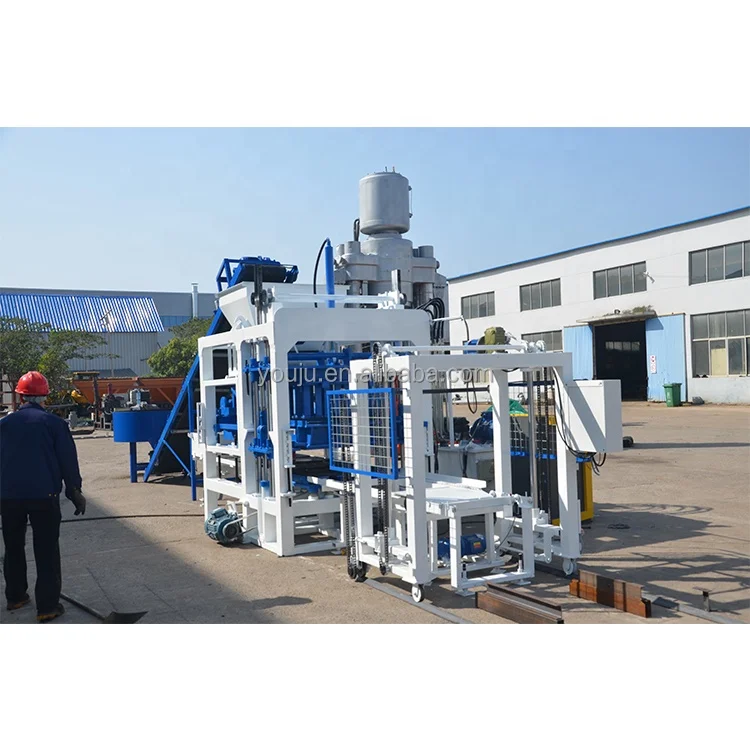
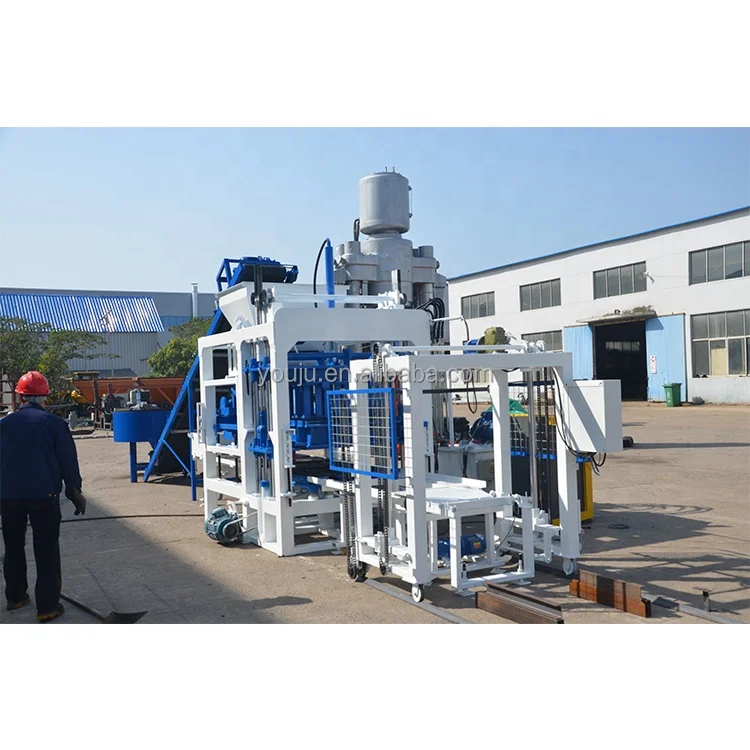 Semi automatic block