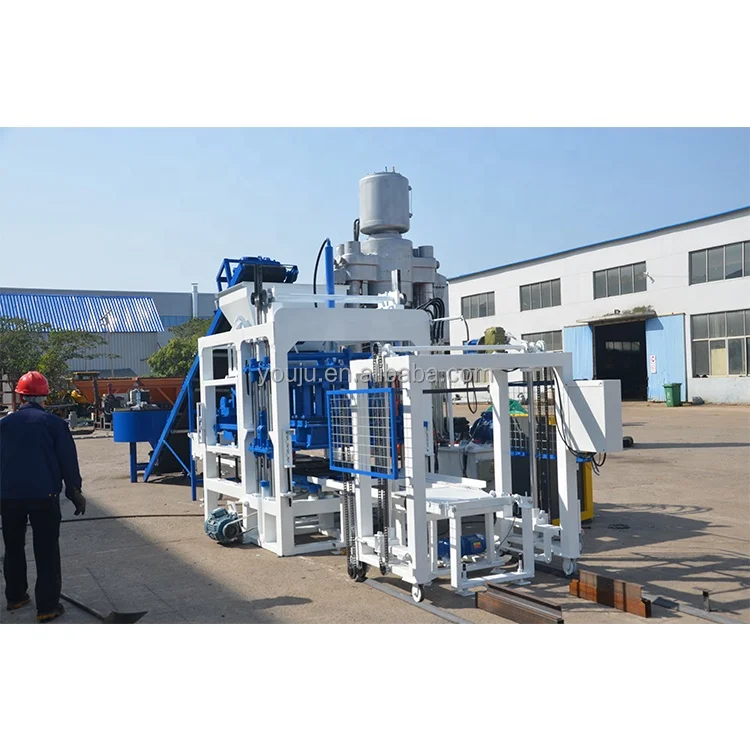
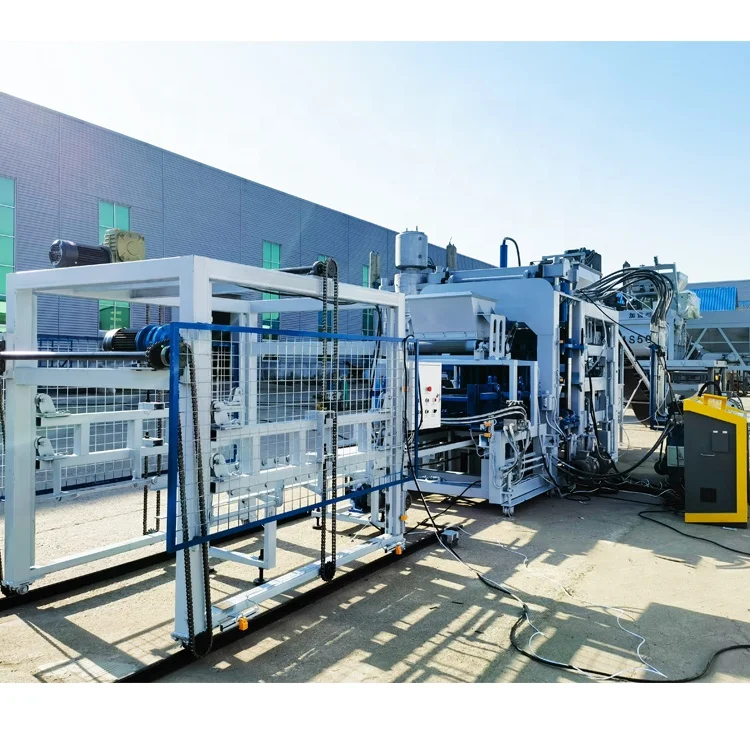
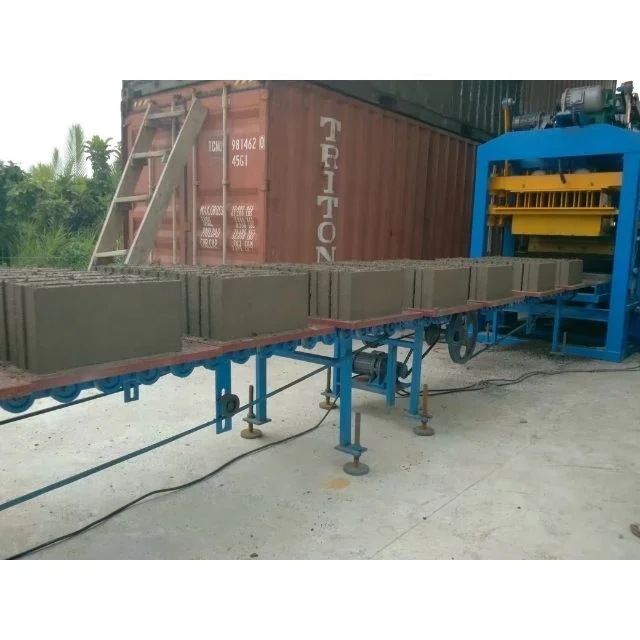
Matched System Sizing — the QT8-15 block line is specified as a complete unit of press, mould, pallet and handling, with capacity calculations tied to your actual block format rather than a generic hourly figure.
Technical Specifications
| Parameter |
Value |
| Model |
QT8-15 |
| Product Type |
Fully Automatic Concrete Block Making Machine |
| Overall Dimensions (L×W×H) |
8300 × 1860 × 3000 mm |
| Rated Power |
37 kW |
| Vibration Form |
Platform Vibration |
| Vibration Frequency |
2800–4500 RPM |
| Pallet Size |
950 × 900 mm |
| Moulding Cycle |
15–25 s (basis to be confirmed per block format and material) |
| Brick Height Range |
50–200 mm |
| Control System |
PLC with touch screen HMI |
| Hydraulic System |
Independent integrated hydraulic station |
| Automation Level |
Fully automatic |
| Output Capacity |
1912 pcs/h based on 400×200×200 mm hollow block, 8 pcs/mould |
| Output Capacity |
2875 pcs/h based on 400×150×200 mm hollow block, 12 pcs/mould |
| Output Capacity |
4320 pcs/h based on 240×115×90 mm porous block, 18 pcs/mould |
| Output Capacity |
9360 pcs/h based on 240×115×53 mm standard brick, 39 pcs/mould |
| Output Capacity |
3000 pcs/h based on 225×112.5×60 mm paving block, 18 pcs/mould |
| Output Capacity |
4625 pcs/h based on 200×100×60 mm paving block, 28 pcs/mould |
| Block Comprehensive Strength |
15 MPa (basis not stated in source — verify against catalog) |
Application Suitability
| Application |
Material or Output |
| Hollow block production for structural walls |
Fly ash, slag, river sand, gravel, cement |
| Porous block manufacturing for infill |
Industrial waste, gangue, cement blends |
| Standard solid brick for masonry |
River sand, gravel, cement |
| Paving block for driveways and walkways |
Crushed stone, cement, optional color pigment |
| Curbstone and kerb production |
Heavy aggregate mix, cement |
| Grass block and slope-protecting block |
Permeable aggregate, cement |
Why a Quoted Hourly Output Can Mislead Your Plant Plan
Real daily throughput depends on the exact block format you run, not a single headline number.
I once walked into a plant where the owner was running a smaller hollow block than the one used for the factory capacity test. The machine was cycling fine, but the actual piece count at the end of the shift was well below what the quotation had suggested. That gap had nothing to do with the press itself and everything to do with the format assumption behind the quoted figure [NEED_CITE: capacity verification standards for concrete block machinery]. When you survey a fully automatic block machine manufacturer, the first document to check is the capacity calculation sheet — and whether it names the block size, pieces per mould, and shift length that produced each output number.

Placing the QT8-15 Within the Automatic Range
The QT8-15 occupies the mid-to-high output tier in our fully automatic block machine lineup. It uses platform vibration at 2800–4500 RPM and an independent integrated hydraulic station, a combination that keeps vibration energy concentrated at the mould table rather than dissipating through the frame. Buyers comparing this tier against semi-automatic options will find the PLC-controlled cycle and automatic pallet feeding remove most manual handling from the press area.
How the Supporting Line Connects to the Press
A block press does not produce output alone — it depends on raw material feeding, mixing, pallet circulation and stacking to maintain cycle rhythm. On the QT8-15 line, the batching machine feeds the mixer, which delivers to the storage hopper above the host machine, while the pallet feed machine positions each pallet before the mould descends. If any station runs slower than the 15–25 second moulding cycle, the press sits idle and actual throughput drops [NEED_CITE: block line synchronization and bottleneck analysis]. This is why we specify the entire line as one system rather than quoting the press in isolation.
Reading the Specifications That Matter on Site
Hydraulic pressure and vibration force together determine the density and compressive strength of each block. The independent hydraulic station on the QT8-15 is isolated from the vibration table, which reduces oil temperature fluctuation and extends seal life. The 950 × 900 mm pallet size defines how many blocks fit per cycle and must match both your curing rack dimensions and the forklift already on site. The PLC with touch screen HMI stores process parameters per mould, so switching from hollow block to paving block does not require the operator to re-enter timing and pressure values from memory.
The Hidden Cost of Skipping Configuration Checks
When voltage, frequency and PLC display language are not confirmed before production, the machine arrives on site and sits unpowered until the correct electrical components are sourced locally [NEED_CITE: voltage and frequency standards by export market]. Commissioning delays then compress operator training into a rushed session, and the first mould change takes longer than it should because nobody had time to practice. Pallet material chosen without considering the curing environment leads to warping in humid climates, which causes uneven block height across the mould and increases rejection at the stacking station.
What Sets This Procurement Path Apart
Block machinery is our single focus, so the QT8-15 press, mould, pallet and handling equipment are matched as one system from the start. Configuration is set against your local aggregate and target block format rather than pulled from a catalogue default. Mould design covers the formats your market actually sells, including custom drawings when standard options do not fit. Automation level is selectable — a buyer can begin with semi-automatic pallet handling and move to full stacking and cubing later. Installation support includes operator training on the specific PLC interface and mould change procedure for your chosen formats.
Documentation & Verification
- Line layout showing QT8-15 station positions and pallet circulation path
- Capacity calculation sheet naming block format, pcs per mould and shift hours
- Mould drawing and format list for every block type in your quotation
- Hydraulic and electrical schematic matching the shipped configuration
- Factory test record on your specified block format before dispatch
- Voltage, frequency and PLC language confirmation document signed before production
Installation, Commissioning & Support
- Foundation plan sized to the 8300 × 1860 mm footprint and dynamic vibration load
- Dedicated electrical circuit rated for 37 kW with correct voltage and frequency
- Hydraulic station filled and bled on site before first press cycle
- PLC touch screen configured to local language before operator training begins
- Mould change procedure practiced with your team on every format ordered
- Wear parts list with reorder codes for hydraulic seals and vibration mounts
Before You Send the Inquiry
To size the QT8-15 correctly for your project, share the block formats you plan to produce, the daily volume you need per format, and the raw materials available locally including aggregate type and gradation. Let us know the voltage and frequency at your site, the language your operators read, and whether you already have pallets, forklifts or curing racks that the line must interface with.
Frequently Asked Questions
Q: How is capacity verified and what block format does each output figure assume?
A: Every capacity figure on this page is tied to a specific block dimension and pieces per mould. For example, 1912 pieces per hour is based on 400×200×200 mm hollow blocks at 8 per mould. We provide a written capacity calculation sheet with your quotation that names the format, cycle time and shift length behind each number.
Q: Where does the QT8-15 sit in the automatic range in terms of output tier and plant footprint?
A: It occupies the mid-to-high tier, suitable for plants targeting substantial daily volumes across multiple formats. The 8300 × 1860 mm machine footprint, plus space for pallet circulation and curing racks, defines the minimum building envelope needed.
Q: How are voltage, frequency and control language confirmed before production?
A: We collect your site electrical specifications and operator language preference during the inquiry stage. A confirmation document listing voltage, frequency and HMI language is signed before the QT8-15 enters production, preventing delays when the machine arrives.
Q: Can I start with a simpler automation level and add features later?
A: Yes. The QT8-15 platform supports starting with semi-automatic pallet handling and adding automatic stacking or cubing as your plant volume grows. The PLC architecture allows these additions without replacing the main control cabinet.
Q: What supporting equipment comes with the line and what is optional?
A: The standard configuration includes cement silo, batching machine, mixer, host block machine, stacker and forklift. Color feeding for paving blocks and upgraded curing rack handling are available as options depending on your product range.

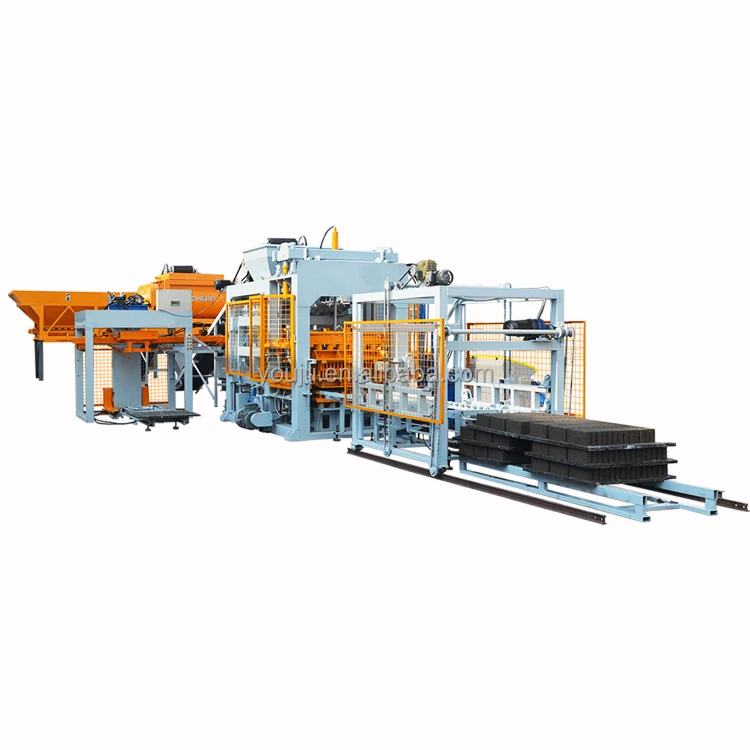
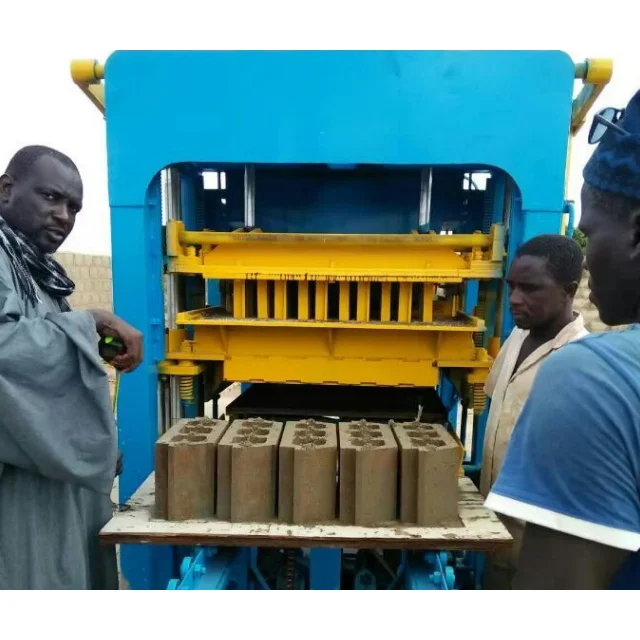 Automatic block machine