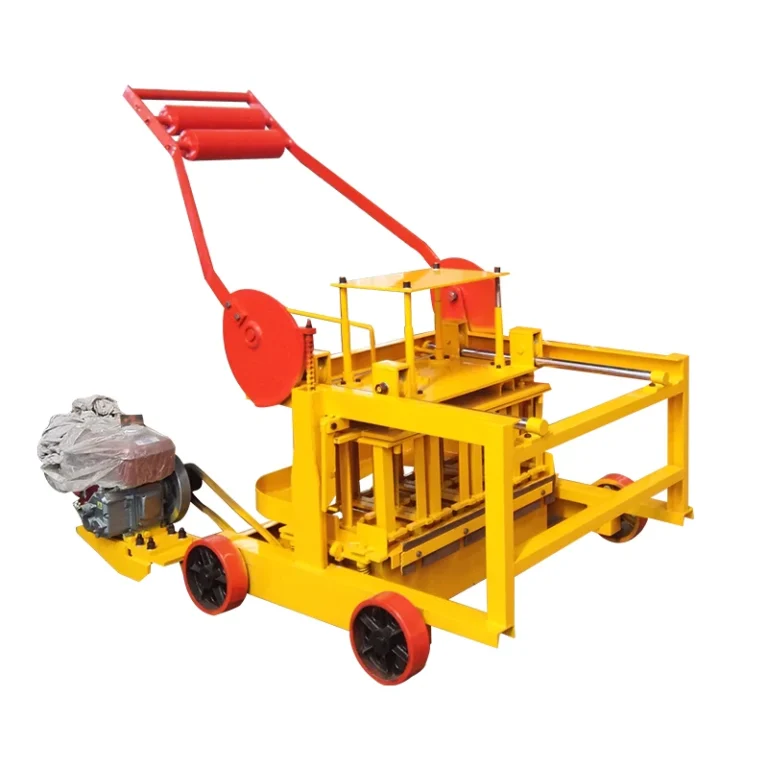
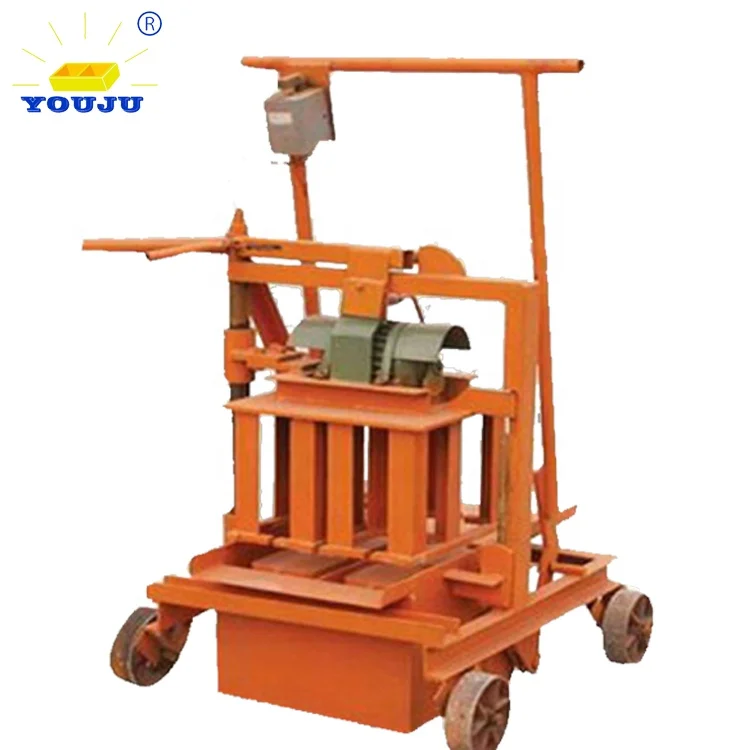
Single-Focus Configuration — the QMY18-15 mobile block machine is specified as a matched system with ground surface, mould, and PLC language confirmed for your site before production starts.
Technical Specifications
| Parameter |
Value |
| Model |
QMY18-15 |
| Product Type |
Mobile Block Making Machine |
| Working Method |
Hydraulic pressure |
| Rated Power |
24 kW |
| Voltage & Frequency |
Customized to local industrial supply (basis to be confirmed) |
| Control System |
PLC |
| Output Capacity |
~34,000 pcs per shift based on 400×200×200mm hollow block (basis to be confirmed for other formats) |
| Pallet Requirement |
None — blocks produced directly on ground (egg-laying type) |
| Automation Level |
Semi-automatic with PLC control |
| Mould Format Confirmed |
400×200×200mm hollow block |
| Block Types |
Customizable to buyer requirement (mould options to be confirmed) |
| Overall Dimensions |
Not stated in source |
| Net Weight |
Not stated in source |
| Cycle Time |
Not stated in source |
| Vibration Force |
Not stated in source |
| Hydraulic Pressure |
Not stated in source |
| Key Features |
Pallet-free egg-laying production, hydraulic pressure station, PLC-controlled semi-automatic operation |
Application Suitability
| Application |
Material or Output |
| On-site block production for construction contractors |
Hollow blocks from crushed stone, sand, and cement on prepared ground |
| First block plant for entrepreneurs |
Cement-based blocks with no pallet infrastructure required |
| Housing project contractors producing locally |
Hollow and solid blocks directly on building site surface |
Why the PLC Language Question Comes Before the Price
Most mobile block making machine manufacturer quotations confirm voltage but forget the control language.
When I was buying equipment on the factory side, I once received a machine whose PLC display was locked to a language none of our operators could read. The first day of commissioning was lost entirely to finding someone who could navigate the menu. With the QMY18-15, the PLC interface is the primary point of interaction for setting cycle parameters, and if the display language does not match the operator’s working language, production does not start until it is resolved. [NEED_CITE: PLC interface language and operator error rates in industrial equipment]
This is not a software update you can push remotely on a semi-automatic egg-laying machine standing in a field. It requires either a firmware reflash or a panel swap, both of which mean days of standing time on your project site.

Where the QMY18-15 Sits on the Range
The QMY18-15 occupies the mobile, egg-laying tier of the Shiyue block machine range. It sits below the semi-automatic static lines that use pallets and conveyors, and well below the fully automatic plants with stacking and cubing. For a buyer surveying options, this model is the entry point where block production becomes possible without investing in a fixed plant, pallet inventory, or curing rack infrastructure.
The trade-off is throughput ceiling. Egg-laying mobile machines are bound by how much prepared ground surface you can maintain and how quickly you can move the machine forward after each cycle. If your daily volume target exceeds what ground-based curing can absorb, the next step up is a static semi-automatic line with pallet circulation — a different investment tier entirely.
What Mobile Production Actually Demands from Your Site
A mobile block making machine manufacturer will typically quote the QMY18-15 as a standalone press. But egg-laying production is a system where the machine is only one station. The ground surface must be level, compacted, and able to accept fresh blocks without settlement marks. Curing in place means your site becomes the curing rack, and weather protection must be planned as part of the production layout. [NEED_CITE: ground preparation standards for egg-laying block production]
The hydraulic pressure station on this machine provides the compaction force, but block density still depends on your mix design, aggregate grading, and moisture content. If your local sand runs fine or your cement sourcing is inconsistent, the machine configuration must account for that before the first block is laid down.
Reading the Specifications That Matter
The rated power of 24 kW determines the electrical supply you must have available on site — this is not a machine that runs from a standard domestic connection, and the voltage and frequency must match your local industrial grid exactly. A mismatch here does not just reduce performance; it can damage the hydraulic pump motor on the first start.
The hydraulic pressure working method means block density is generated by fluid pressure rather than purely mechanical vibration. This gives more consistent compaction across a shift compared to purely mechanical egg-laying machines, provided the hydraulic fluid is maintained and the pressure settings are matched to your mix.
The PLC control system on a semi-automatic machine handles cycle timing and sequence logic, reducing the number of decisions the operator must make during each cycle. However, the automation level means pallet feeding, stacking, and output handling are all manual — plan your labour around that reality.
The Hidden Cost of Skipping Configuration Verification
When a mobile block making machine manufacturer ships without confirming voltage, frequency, and PLC language in writing, the buyer absorbs the correction cost on site. A voltage mismatch can require a transformer purchase or motor replacement. A PLC language mismatch can require a control panel swap that delays your project timeline by days. These are not warranty issues — they are specification oversights that fall on the buyer. [NEED_CITE: industrial equipment commissioning delays from specification mismatches]
The QMY18-15 also produces blocks in formats determined by the mould fitted. If the quotation lists a capacity figure based on a 400×200×200mm hollow block but your market sells a different format, your real daily output will differ from the quoted number. Catching this before production starts is far cheaper than discovering it after the machine arrives.
Why Source This Machine Through a Block-Focused Supplier
Block machinery is the single focus here, so the QMY18-15 is not pulled from a catalogue of unrelated equipment and shipped as-is. The machine, mould, and control system are specified together against your actual block format, local aggregate, and site conditions.
Configuration is set against the mix design you will actually run, not a default laboratory mix. Mould design covers the formats your market sells, with custom drawings available when standard options do not match.
The automation level is selectable within the range — a buyer can start with the QMY18-15 semi-automatic mobile tier and move to a static line with pallet handling later, with the mould investment carrying forward.
Voltage, frequency, and PLC display language are confirmed in writing before production begins, removing the most common commissioning-day failures.
Factory testing covers the specific block format and mix parameters agreed in the proposal, not a generic run with standard aggregate.
Documentation & Verification
- Capacity calculation sheet stating the block format used for the shift output figure
- Machine specification sheet confirming hydraulic pressure and power matched to your mix
- Mould drawing and format list showing available block types per buyer requirement
- Voltage, frequency, and PLC display language confirmation signed before production
- Factory test record on your specified block format before dispatch
Installation, Commissioning & Support
- Ground preparation guidance specifying compaction and leveling requirements for egg-laying production
- Electrical supply setup for the 24 kW rated power draw with dedicated circuit protection
- Machine assembled on site from shipping configuration with hydraulic system filled and bled
- PLC parameter setting for your block format, cycle time, and hydraulic pressure during first run
- Operator training on cycle sequence, mould change procedure, and daily hydraulic checks
- Wear parts and mould replacement list with sourcing information for first reorder
What to Include in Your Inquiry
Provide your target block format and daily output requirement so the capacity calculation reflects what you will actually produce. Confirm your local industrial voltage and frequency along with the preferred PLC display language. Share details on your available ground surface area and curing conditions so the production layout can be assessed before the machine is configured.
Frequently Asked Questions
Q: How is the shift capacity figure verified for the block size I actually need?
A: The ~34,000 pcs per shift figure is based on a 400×200×200mm hollow block. For a different format, the cycle time and mould cavity count change, so a recalculation is needed. Request a capacity sheet that states your specific block dimensions and the assumed cycle time before confirming the order.
Q: What ground conditions are needed for egg-laying block production?
A: The ground must be compacted, level, and free of standing water. Blocks are produced directly on this surface and cured in place. Weather protection planning and curing time before block movement should be factored into your site layout and daily production schedule.
Q: How do I ensure the electrical and control setup matches my site?
A: Confirm your industrial voltage, frequency, and preferred PLC display language in writing during the inquiry stage. The QMY18-15 electrical system is configured before production, so corrections after shipment require on-site component changes that delay commissioning.
Q: Where does the QMY18-15 fit compared to larger Shiyue block lines?
A: It sits in the mobile, pallet-free tier for buyers who need production without fixed plant infrastructure. Higher daily volumes require moving to a static semi-automatic line with pallet handling or a fully automatic plant with stacking and cubing systems.
Q: What mould and wear part support is available after delivery?
A: Mould drawings and a wear parts list are provided before shipment. Replacement moulds and hydraulic wear components can be ordered separately, with lead time confirmed at the point of first reorder rather than estimated generically.

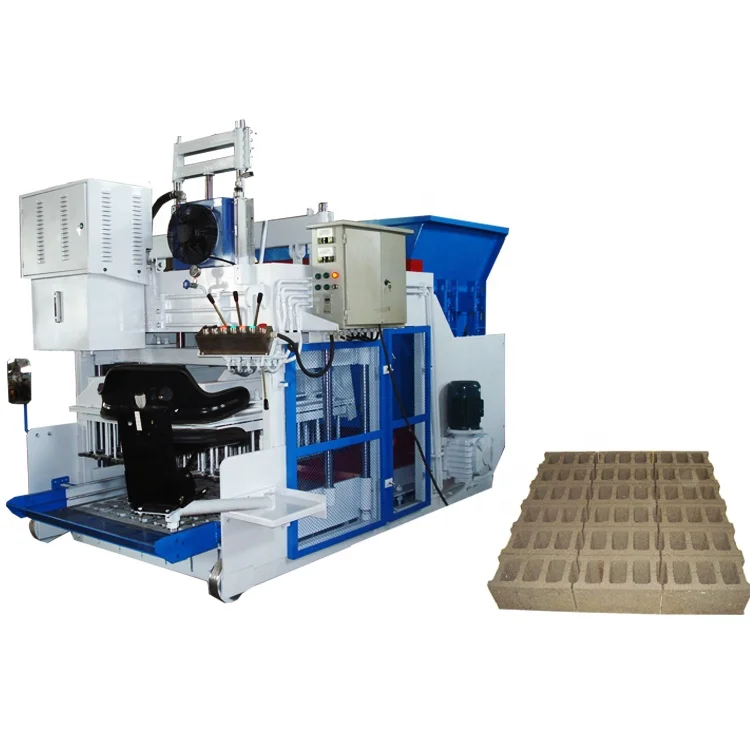
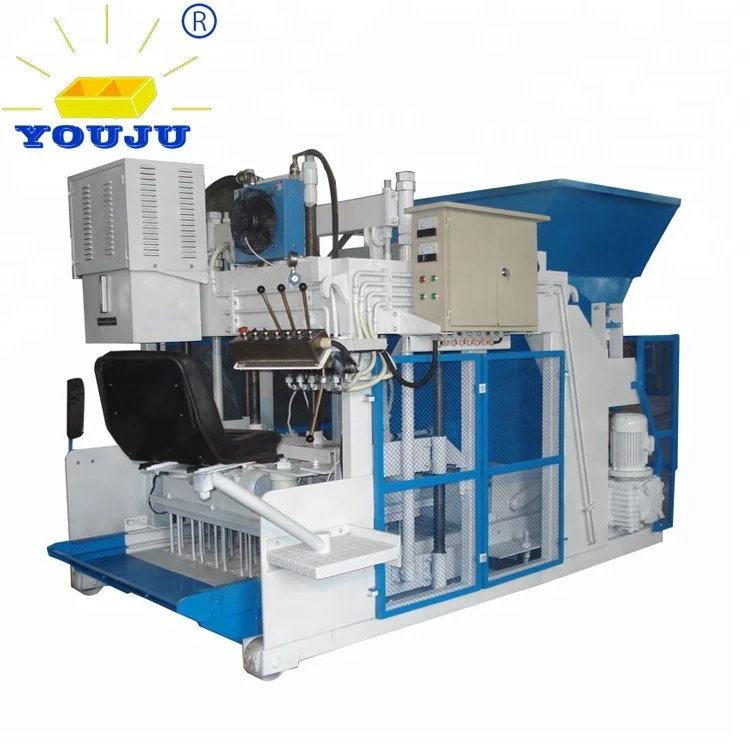 Mobile block machine