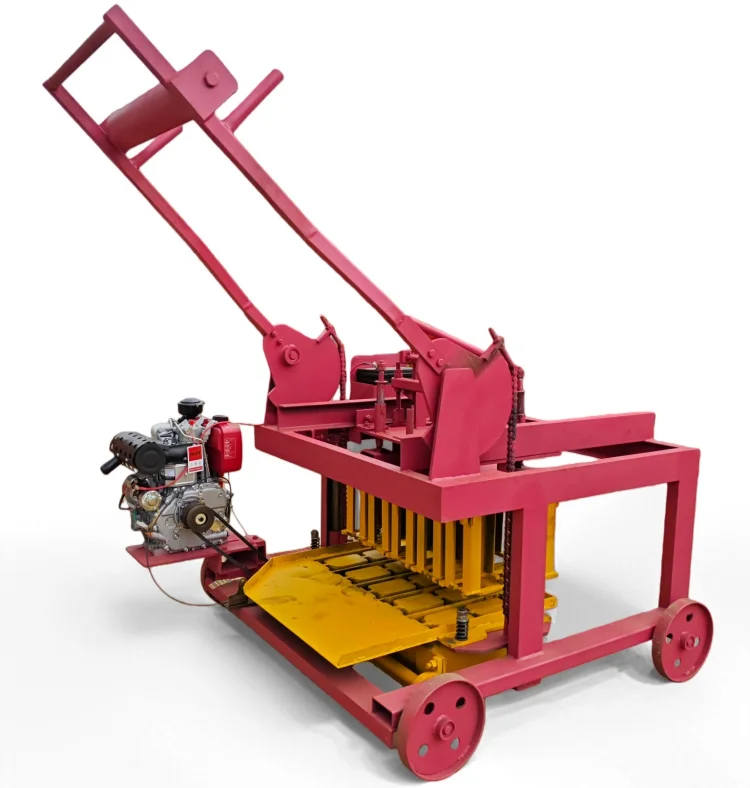
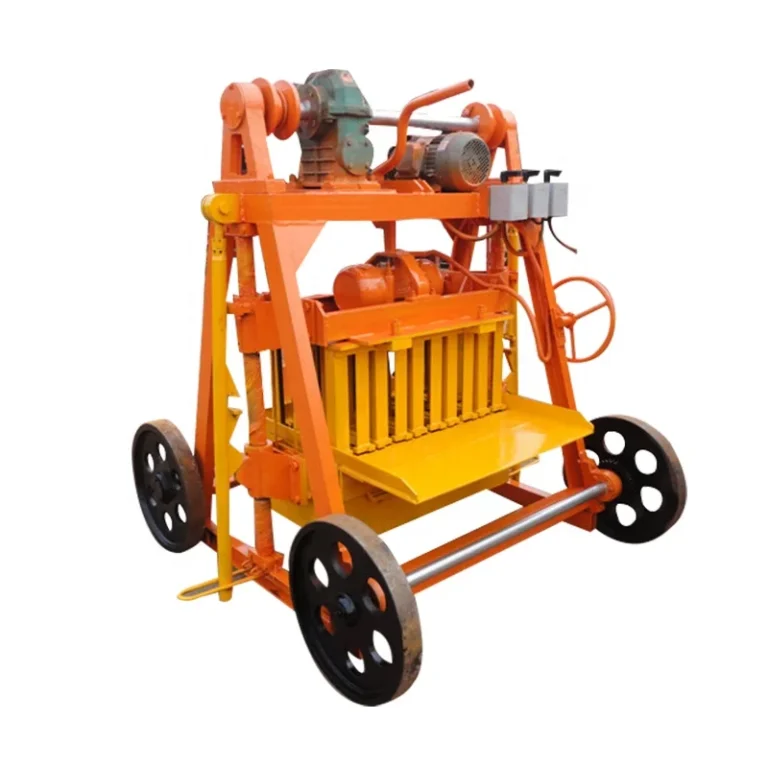
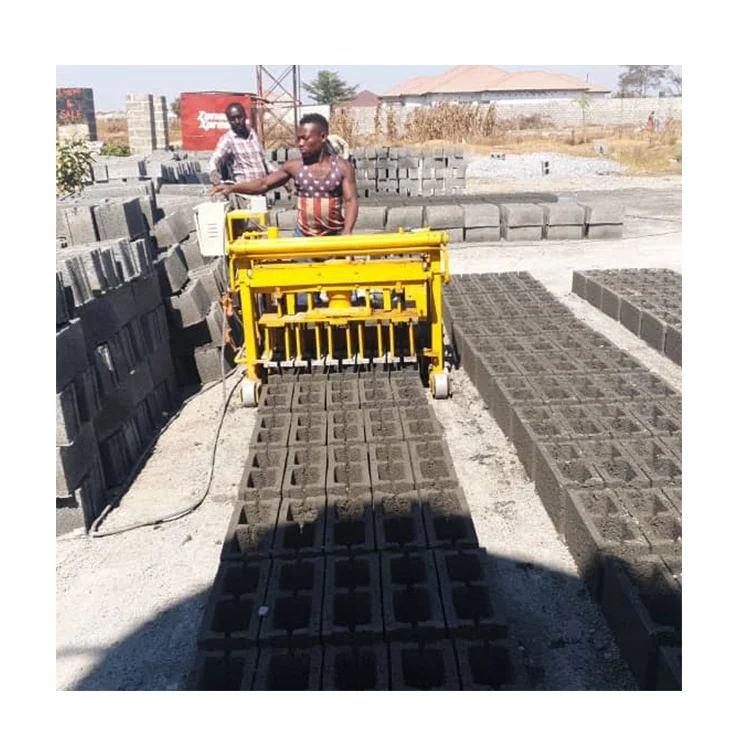
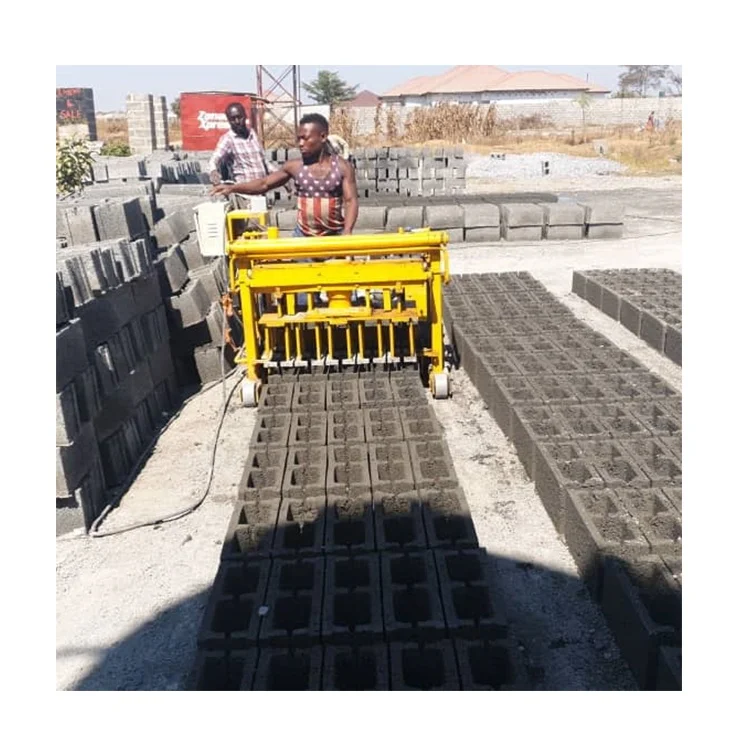
Matched System Design — the QMY18-15 mobile egg laying block machine is specified as one coordinated unit with moulds, power configuration, and PLC language aligned before production starts.
Technical Specifications
| Parameter |
Value |
| Model |
QMY18-15 |
| Product Type |
Mobile Egg Laying Block Making Machine |
| Working Method |
Hydraulic pressure with mechanical vibration |
| Rated Power |
24 kW |
| Voltage & Frequency |
Customized to buyer’s local industrial supply (basis to be confirmed) |
| Control System |
PLC with configurable display language |
| Output Capacity |
approx. 34,000 pcs per shift based on 400×200×200 mm hollow block format |
| Automation Level |
Semi-automatic |
| Pallet Requirement |
None — egg-laying type, blocks placed directly on ground |
| Mould Compatibility |
Interchangeable moulds for hollow, solid, and other cement block formats |
| Assembly State |
Mobile unit for on-site production |
Application Suitability
| Application |
Material or Output |
| Housing project on-site hollow block production |
Crushed stone, river sand, and cement aggregates |
| Infrastructure contractor block supply |
Local aggregate blends with cement binder |
| Entrepreneur block plant startup |
Standard cement-based mixes for solid and hollow formats |
| Remote development project block manufacturing |
Site-sourced raw materials with cement |
What "34,000 Pieces per Shift" Actually Means on Your Ground
Every output figure for this Mobile Egg Laying Block Machine manufacturer assumes the 400×200×200 mm hollow block format — change the block size and the number changes with it.
I once watched a contractor in West Africa take a quoted shift capacity at face value, order a mobile unit, and then run 150 mm solid blocks all day. His daily count came in well below what he had budgeted for. The machine was not at fault; the format assumption simply was not discussed before the order. That conversation is now a fixed step in how I scope any QMY18-15 inquiry. Capacity calculations must name the block format, the mix design, and the curing conditions [NEED_CITE: capacity calculation methods for concrete block machinery].

Where the Mobile Tier Sits in the Full Machine Range
The QMY18-15 occupies the entry point for buyers who need block production without committing to a fixed plant. Semi-automatic lines add pallet handling, mixers, and stacking stations; fully automatic plants introduce batching plants, curing racks, and cubing systems. This mobile egg laying block machine removes that infrastructure entirely — blocks are laid on the ground and the machine moves forward after each cycle. For a first-time buyer or a contractor with a single project, that difference in capital outlay is the deciding factor.
Ground Preparation That Buyers Overlook Until Day One
Because the QMY18-15 lays blocks directly on the ground, the surface condition becomes part of the production system. Uneven or soft ground causes tilted blocks, broken corners, and inconsistent bottom faces. A compacted, level strip of gravel or hardened earth running the length of the production area is the minimum requirement. I have seen crews spend the first two days of a project regrading their production lane because no one discussed ground prep during the inquiry stage [NEED_CITE: ground preparation standards for egg laying block production]. The machine performs consistently once the surface is right, but "right" must be defined before the first mould is installed.
Reading the Specs That Actually Matter on Site
The 24 kW rated power rating tells you whether a standard project-site generator can run the QMY18-15 or whether you need a dedicated supply — confirm voltage and frequency before the generator is rented. The PLC control system handles cycle timing and vibration duration, but the display language must be set to match the operators who will actually run the machine; a control panel in the wrong language slows every mould change and fault diagnosis. The hydraulic working method applies pressure during each cycle to compact the mix, and the vibration frequency must suit the aggregate gradation in your specific mix. Coarse volcanic scoria, for example, demands different vibration parameters than fine river sand, and the PLC allows adjustment within the machine’s operating range.
The Cost of Skipping Configuration Details
When voltage and frequency are not confirmed in writing before production, the machine arrives with a motor wound for the wrong supply. The result is tripped breakers, burned windings, or a machine that simply will not start — and weeks of delay while replacement components ship. When the PLC language does not match the crew, operators bypass the control system and run cycles manually, losing the consistency the automation was meant to deliver. These are not rare failures [NEED_CITE: common commissioning delays in exported industrial machinery]. They are configuration oversights that a two-page confirmation document prevents entirely.
Why Buyers Place Repeat Orders Here
Block machinery is the single focus of this operation, which means the QMY18-15 is not assembled from unrelated supplier components and then badged. Mould design starts from the block formats the buyer’s market actually sells, not from a catalogue of standard shapes. Configuration is set against the buyer’s local aggregate and mix design, so the vibration and hydraulic pressure are matched to the material that will actually feed the machine. Automation level is selectable, allowing a buyer to begin with the semi-automatic mobile unit and move to a fixed line later. Installation support and operator training are included so the first production run happens with someone on site who has seen this exact machine start up before.
Documentation & Verification
- Line layout and capacity calculation stating the 400×200×200 mm hollow block format assumed
- Machine specification sheet with confirmed voltage, frequency, and PLC language
- Mould drawing and format list matched to buyer’s target block dimensions
- Factory test record documenting cycle performance before dispatch
- Hydraulic and electrical schematic for on-site maintenance reference
- Packing photographs and customs documentation support for shipment
Installation, Commissioning & Support
- Compacted and level ground strip required for egg-laying operation across the full production lane
- 24 kW power supply with dedicated circuit; confirm voltage and frequency before generator procurement
- Machine delivered as a single mobile unit requiring no fixed foundation or structural assembly
- On-site commissioning with PLC parameter tuning to match local aggregate and mix proportions
- Operator training covering mould change procedure, cycle adjustment, and daily maintenance checks
- Wear parts and mould replacement list supplied with first order for planned inventory
Starting the Conversation on the Right Foot
Before quoting the QMY18-15, I need to know which block formats your local market buys, what aggregate you can source near the project site, and what voltage and frequency your site supply delivers. Share the daily output target tied to a specific block size, the available curing area dimensions, and the preferred PLC display language. With those details, the configuration proposal can carry a capacity figure that holds up once the machine is running on your ground.
Frequently Asked Questions
Q: How is the 34,000 pcs per shift capacity calculated for the QMY18-15?
A: That figure is based on continuous production of 400×200×200 mm hollow blocks under standard cycle conditions. Smaller solid blocks or different formats change the output count per cycle and per shift. A capacity calculation tied to your specific block format is provided with every proposal so the number reflects your actual production plan.
Q: What ground surface does the egg-laying operation require?
A: The QMY18-15 places blocks directly on the ground, so a compacted, level surface of gravel or hardened earth is required across the production lane. Soft or uneven ground causes tilted blocks and broken edges. Ground preparation specifications are included in the documentation package before the machine ships.
Q: How do I confirm voltage, frequency, and PLC language before shipment?
A: Voltage and frequency are confirmed in writing during the proposal stage and again before production starts. PLC display language is set to your operator preference and verified during the factory test. All three parameters appear on the final specification sheet you approve before dispatch.
Q: Which block formats can the QMY18-15 produce and how long does a mould change take?
A: The machine produces hollow blocks, solid blocks, and other cement-based formats depending on the mould installed. Moulds are designed to your local market dimensions. Change procedure is covered during operator training so your crew can handle format switches without external support on site.

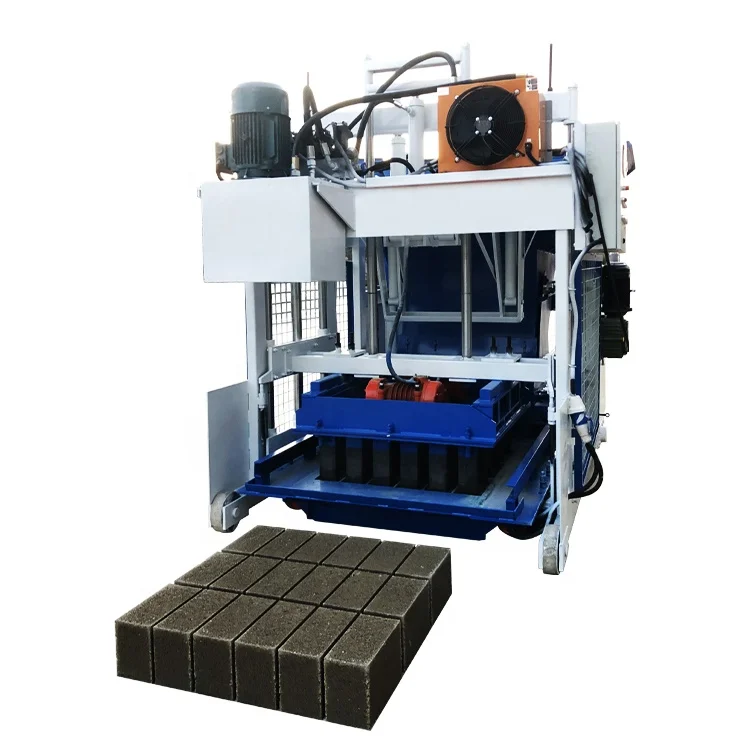
 Mobile block machine