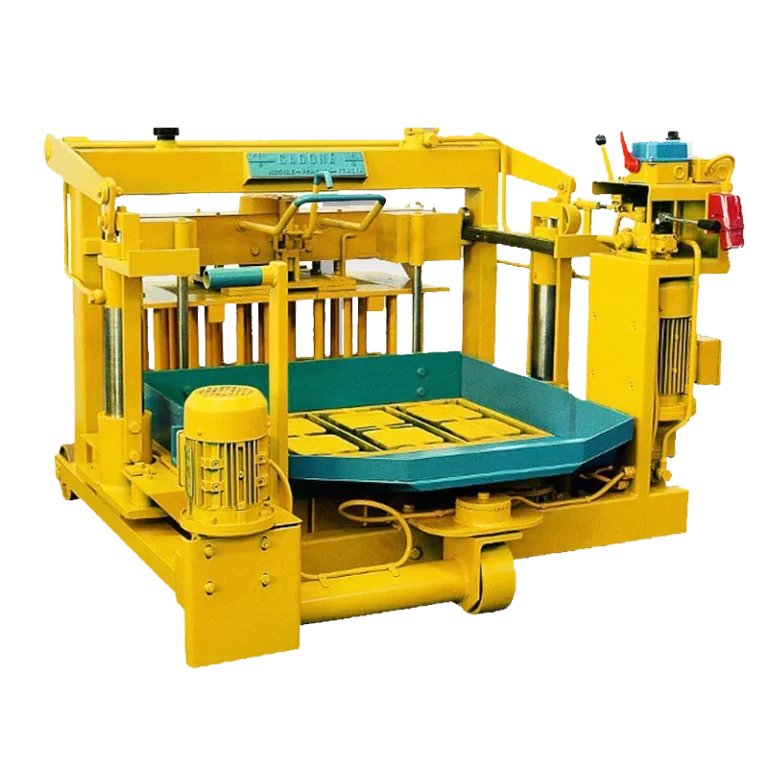
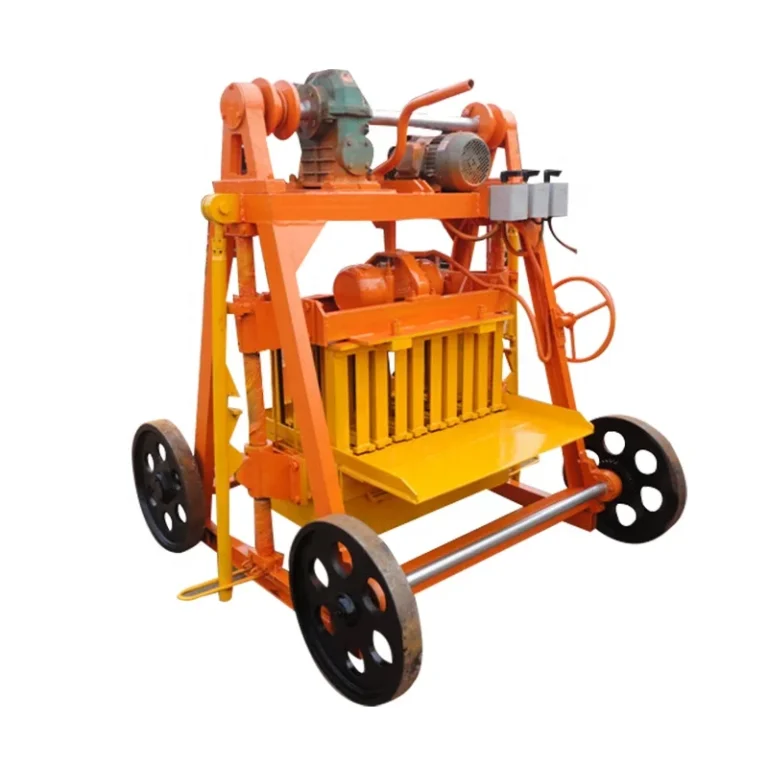
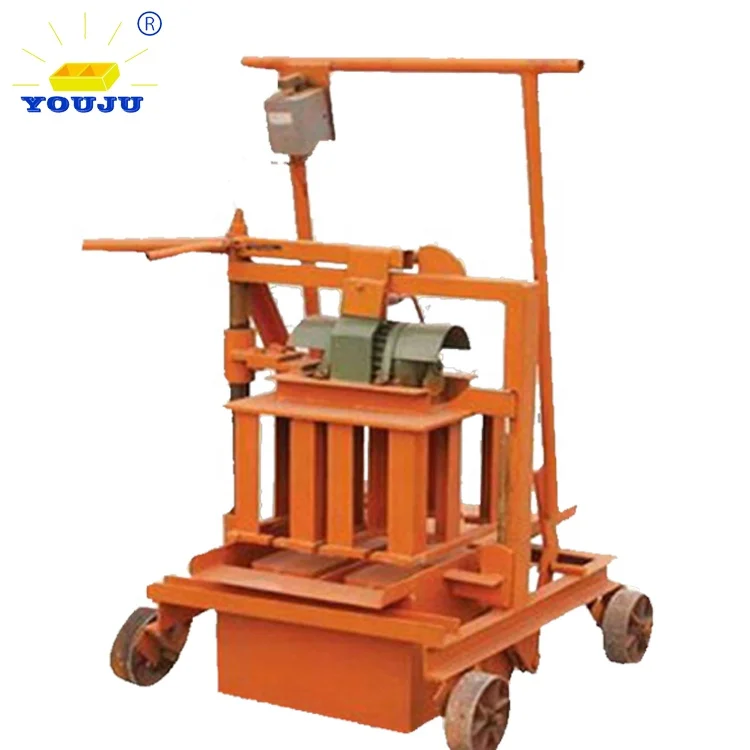
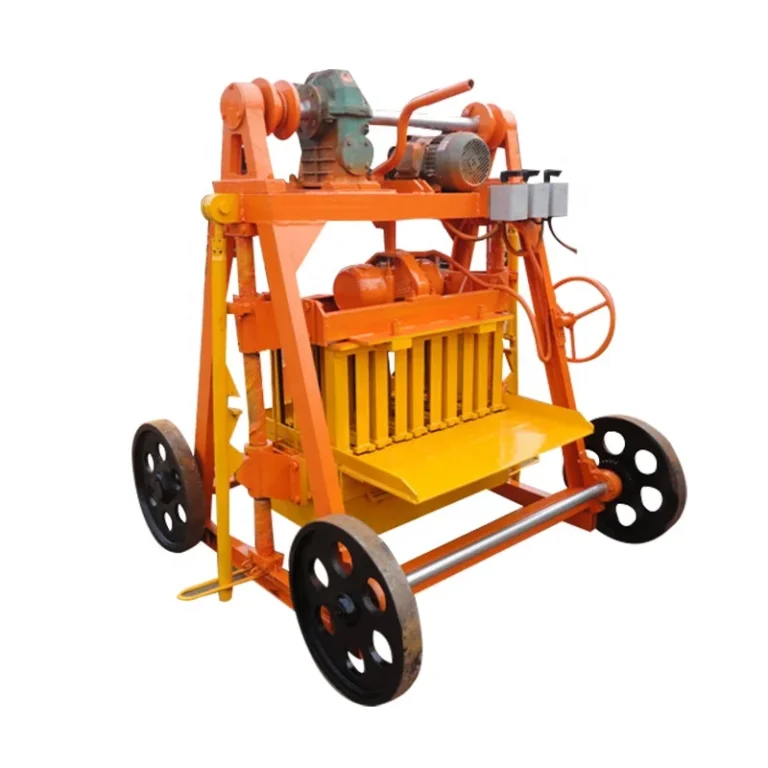
Matched System Configuration — The QMY10-15 mobile block machine is specified alongside its mixer, pallet requirements and mould formats as one coordinated production unit, not a collection of separate purchases.
Technical Specifications
| Parameter |
Value |
| Product Type |
Mobile Hydraulic Concrete Block Making Machine |
| Model |
QMY10-15 |
| Mould Capacity |
10 pcs/mold |
| Molding Cycle |
10s – 15s |
| Total Power |
16 kW |
| Daily Output Capacity |
11,000 pcs/day (basis to be confirmed by block format and material) |
| Vibration System |
Dual vibration motors |
| Hydraulic System |
Controls upper and lower demoulding, equipped with heat dissipator |
| Mobility |
Electric walking, hydraulic steering |
| Pallet Requirement |
No pallets needed (egg-laying type) |
| Basic Equipment Included |
QMY10-15 Host Machine, JS7500 Concrete Mixer, Dump Truck |
| Optional Equipment |
PL1200 Batching Machine, Cement Silo, Screw Conveyor, Loader |
Application Suitability
| Application |
Material or Output |
| On-site hollow block production |
Crushed stone, sand, and cement mixes laid directly on the ground |
| Solid block manufacturing for housing projects |
Local aggregate and cement, cured in open-air yard space |
| Paving block production for remote sites |
Interlocking or rectangular format depending on installed mould |
| First block plant for new entrepreneurs |
Low-footprint operation without fixed factory infrastructure |
| Contractor self-production at project sites |
Continuous egg-laying output across a prepared concrete floor |
What "11,000 Pieces per Day" Actually Means for a Mobile Block Machine
Capacity only holds true when the block format, mix design, and curing conditions are defined together.
Many buyers receive a daily output figure for a mobile block machine without knowing which block size was used to calculate it. A 10-cavity mould producing 150mm hollow blocks cycles differently than one producing 60mm paving blocks. The sand available in your region may require a different compaction force, altering the realistic cycle time [NEED_CITE: aggregate grading impact on block compaction cycle times]. When the capacity is quoted without these variables, the machine arrives and the daily count falls short of what was planned.

Where the QMY10-15 Sits in the Full Machine Range
This model occupies the mobile and egg-laying tier within a broader range that extends from small workshop presses to high-capacity fully automatic lines. A mobile block machine manufacturer offering a complete range allows buyers to see exactly where their investment level and output requirement land before narrowing down. The QMY10-15 is positioned for medium-scale on-site work where fixed plant infrastructure is not viable or not yet justified.
Pallet-Free Operation and What It Removes from Your Budget
The egg-laying design of this mobile block machine means blocks are deposited directly onto the ground as the machine moves forward. This eliminates the entire pallet investment — no wooden or bamboo pallets to purchase, no pallet return system to staff, and no pallet storage area to allocate. For a contractor working on a remote project site or an entrepreneur launching a first plant, removing pallet logistics simplifies the operation considerably [NEED_CITE: pallet cost and replacement frequency in egg-laying block production].
Vibration, Pressure, and the Mix You Actually Have
The dual vibration motors and hydraulic demoulding system work together to compact the concrete mix into the mould cavity. The effectiveness of this compaction depends entirely on whether the vibration force and hydraulic pressure are matched to your local aggregate. A mix with high clay content in the sand will not compact the same way as a clean crushed stone mix, and block strength will vary accordingly. The hydraulic heat dissipator keeps the system stable during continuous operation across a full shift, preventing pressure drop as oil temperature rises.
The Hidden Cost of Specifying Without Your Local Material
When a mobile block machine is configured against a catalogue default rather than your actual sand and aggregate, the consequences appear within the first week of production. Blocks crack during handling because the compaction was insufficient for your mix density. The mould wears faster because abrasive local stone was not factored into the liner specification. Buyers end up changing their material source to match the machine, rather than the machine being set up for the material they can actually source [NEED_CITE: block failure rates linked to unmatched vibration and aggregate properties].
Why Procurement Here Differs from Catalogue Ordering
Block machinery is the single focus here, so the QMY10-15 is not sold as a standalone press but specified alongside its JS7500 mixer, optional batching unit, and the mould formats your market actually buys. Configuration is set against your real mix design and target block format rather than a generic brochure table. The automation level is selectable — starting with this mobile unit does not close the door on moving to a stationary semi-automatic line later, and mould formats can carry across. Installation support includes operator training on your specific material behaviour, and mould and wear part supply continues after commissioning.
Documentation & Verification
- Line layout showing QMY10-15 placement within the full mobile-to-automatic range
- Capacity calculation sheet stating the exact block format and mix used for the output figure
- Mould drawing and format list confirming cavity count per block type
- Voltage and control language confirmation document before production begins
- Factory test record run on a mix matching your local aggregate where samples are provided
Installation, Commissioning & Support
- Prepared concrete floor required as the egg-laying surface, level within tolerance for consistent block height
- 16 kW total power demand verified against your site supply before dispatch
- Machine arrives with electric walking and hydraulic steering functional after basic assembly
- First production run supervised with cycle time adjusted to your actual mix behaviour
- Mould change procedure trained on-site so format switching fits within a normal shift
- Wear parts and hydraulic seal list provided with recommended replacement intervals
What to Share Before Requesting a Quotation
To size the QMY10-15 correctly within the range, share the block formats your market sells most, the daily volume you need to hit, and the type of sand and aggregate available locally. Include your site voltage and frequency, and whether a prepared concrete floor already exists or needs to be poured. If you have an existing mixer or loader, mention it so the optional equipment list can be adjusted.
Frequently Asked Questions
Q: Where does the QMY10-15 sit in your output tier range compared to semi-automatic and automatic machines?
A: The QMY10-15 is in the mobile egg-laying tier, below stationary semi-automatic and fully automatic lines in both output and investment. It suits buyers who need on-site production without fixed plant infrastructure. Buyers planning higher daily volumes or multiple block formats typically move to the semi-automatic tier, where pallet-based systems allow faster cycle times and automated stacking.
Q: What block format was assumed in the 11,000 pcs/day capacity figure?
A: The source does not state which block format, wall thickness, or mix design was used to calculate that daily output. We provide a capacity sheet stating the exact format assumed — whether 150mm hollow, solid, or paving — so you can compare it against your actual product mix before committing.
Q: If I start with this mobile machine, can I upgrade to a stationary plant later using the same moulds?
A: Mould formats and cavity designs can often carry across to stationary lines within the range, though the mounting interface must be confirmed for the specific stationary model. Starting mobile lets you establish your market and block formats first, then scale to a fixed plant with pallet handling and automatic stacking when volume justifies the investment.
Q: What plant footprint and curing area does a mobile egg-laying operation require?
A: An egg-laying machine deposits blocks directly on the ground as it moves, so the curing area is essentially a large flat concrete floor. The required area depends on your daily output and the curing duration your block strength specification demands. We calculate the floor space needed based on your target format and local climate conditions.

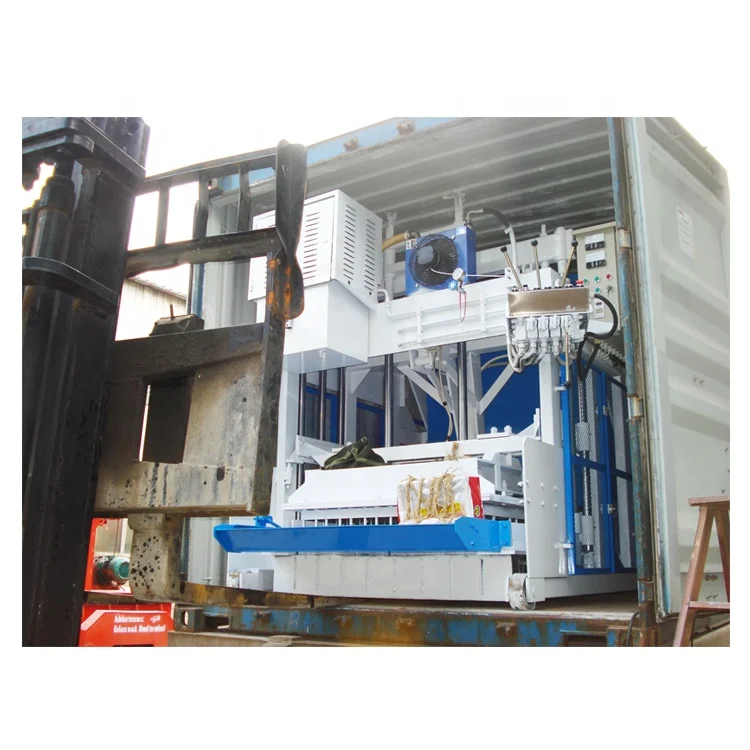
 Mobile block machine