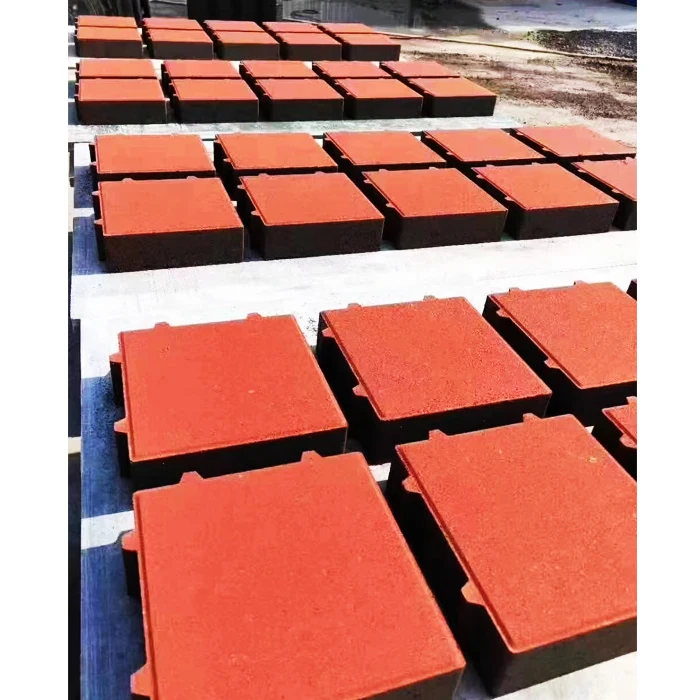
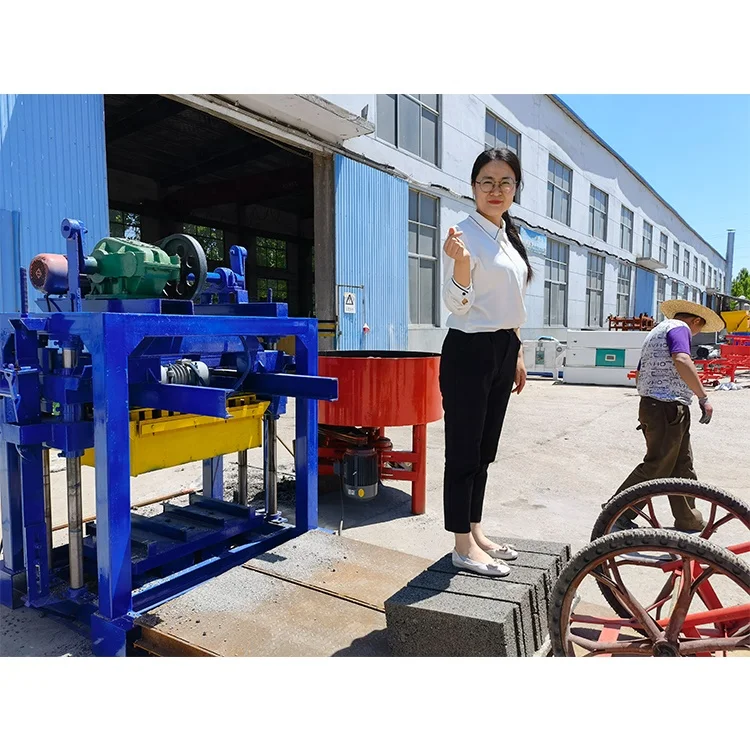
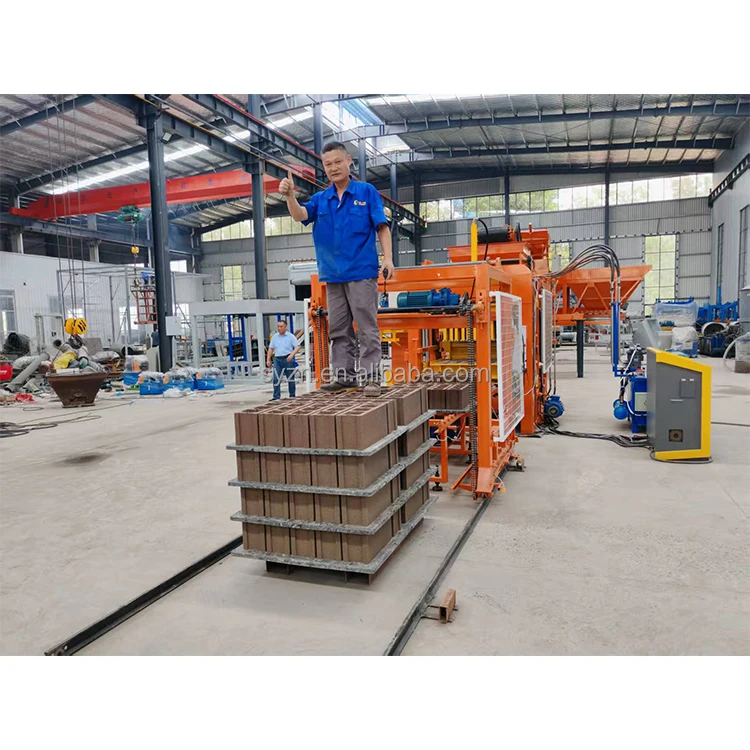
Configuration matched to mix design — the LY2-10 is set against your actual clay and soil profile rather than a default factory standard.
Technical Specifications
| Parameter |
Value |
| Model |
LY2-10 |
| Product Type |
Clay Interlocking Brick Making Machine |
| Machine Power |
7.5 kW |
| Molding Cycle |
10 s |
| Output Capacity |
6000 pcs/8hours (basis not stated in source — confirm block format / material / thickness) |
| Raw Material Compatibility |
Clay, soil, earth, mud, concrete, cement, fly ash |
| Overall Dimensions |
1300×1800×2400 mm |
| Automation Level |
Semi-automatic |
| Bricks per Mould |
1 |
| Mould Format Options |
300×150×100 mm / 250×125×75 mm / 230×220×115 mm |
| Assembly State |
Stationary |
Application Suitability
| Application |
Material or Output |
| On-site interlocking brick production for housing projects |
Clay and soil mixed with cement stabiliser |
| Small-plant compressed earth brick manufacturing |
Local earth, mud and fly ash blends |
| First block plant for entrepreneurs |
Soil-cement interlocking formats |
| Contractor producing bricks on development sites |
Earth and crushed aggregate mixes |
What "6000 Pieces per Shift" Actually Means for Your Site
Daily output depends entirely on which interlocking format you run and how your local clay behaves under pressure.
Capacity figures on a clay interlocking brick making machine for sale often arrive without the mould size or material assumption behind them. I once sized a machine for a West African project assuming standard laterite, only to find the site soil carried a high sand fraction that cut actual output well below the quoted number. The press was cycling fine, but the bricks were crumbling at the edges and the operator had to slow the feed rate. After we adjusted pressure and vibration settings, output stabilised, but the lesson stuck: a capacity number without context is just a starting point for negotiation. [NEED_CITE: soil composition effects on compressed earth brick strength and cycle consistency]

Where the LY2-10 Sits in the Machine Range
The LY2-10 occupies the semi-automatic tier for clay interlocking brick making machine for sale buyers who need a lower entry investment and a compact plant footprint. It sits below fully automatic lines that handle pallet feeding, stacking and cubing without operator intervention, and above mobile egg-laying units that produce directly on a concrete floor. For a first-time plant operator or a contractor producing on a project site, this tier keeps capital outlay manageable while still delivering consistent interlocking profiles through hydraulic compression.
Matching the Press to Your Interlocking Profile
Three mould formats are available — 300×150×100 mm, 250×125×75 mm and 230×220×115 mm — each producing one brick per stroke on a 10-second cycle. The choice of format affects not only the wall thickness and structural application of the finished brick but also the daily throughput, since larger formats consume more raw material per stroke and may require longer compaction dwell depending on your clay plasticity. Custom interlocking profiles can be designed from buyer drawings when the local market calls for a non-standard locking geometry. [NEED_CITE: interlocking brick geometry standards for load-bearing and non-load-bearing walls]
How Pressure and Vibration Shape Brick Density
With a 7.5 kW motor driving the hydraulic and vibration systems, the LY2-10 relies on the balance between compaction force and vibration frequency to achieve uniform density across the brick body. Too much vibration relative to pressure leaves a loosely bonded core; too little vibration prevents the clay-cement mix from settling fully into the mould corners, producing bricks with rounded edges that will not interlock properly. The 1300×1800×2400 mm frame keeps the press stationary and stable during each 10-second stroke, which matters when you are running high-clay mixes that need consistent force application across the full mould face. The semi-automatic operation means the operator controls the feed and removal sequence, giving room to adjust timing when switching between a moist clay blend and a drier fly ash mix.
What Happens When Configuration Is Skipped
When a clay interlocking brick making machine for sale ships without confirming the buyer’s soil type and target format, the problems surface within the first week of production. Bricks crack during curing because the moisture content was wrong for the pressure applied. Moulds wear prematurely because the local aggregate is more abrasive than the factory test material assumed. Pallet sizes ordered separately do not match the curing rack spacing already built on site, forcing double-handling. These are not warranty issues — they are configuration gaps that delay commissioning and erode the output the buyer planned around. [NEED_CITE: common causes of compressed earth brick failure in tropical and arid climates]
Why Buyers Source This Tier Here
Block machinery is a single focus, so the LY2-10 press, its moulds, pallets and any supporting handling equipment are specified as one matched system rather than assembled from unrelated suppliers. Configuration is set against your actual mix design, local aggregate and target interlocking format — not pulled from a catalogue default. Mould design and supply cover the formats your market sells, with custom drawings available when standard profiles do not match local building codes. Automation level is selectable, meaning a buyer can start with the LY2-10 in semi-automatic mode and move to a higher tier as demand grows. Installation and commissioning support includes operator training so the crew understands how to read mix consistency and adjust cycle timing.
Documentation & Verification
- Line layout and capacity calculation stating the interlocking format assumed for the 6000 pcs/8h figure
- Machine specification sheet confirming voltage, frequency and control language for your destination market
- Mould drawing and format list covering the three interlocking profiles or your custom design
- Factory test record on your specified clay or soil mix before dispatch
- Packing photographs and customs documentation support for container loading
Installation, Commissioning & Support
- Stationary frame at 1300×1800×2400 mm requires a level concrete pad with anchor bolt provisions
- 7.5 kW motor demands a dedicated circuit matching your site voltage and frequency confirmed before order
- Semi-automatic sequence means the operator trains on feed timing and mould release during on-site commissioning
- Mould change procedure covered in training so format switches do not consume a full shift
- Wear parts list provided with initial spare mould liners and hydraulic seals matched to your production volume
Before You Request a Quote
To size the LY2-10 correctly, share your target interlocking brick format, the clay or soil type available on your site, and the daily output you need to meet project deadlines. Confirm the voltage and frequency at your location, along with the preferred control display language. If you have existing curing racks or pallets, provide their dimensions so the press configuration aligns with your handling setup.
Frequently Asked Questions
Q: How is the 6000 pcs/8h capacity verified and which block format does it assume?
A: That figure appears in the source data without a stated block format or material basis. Before quotation, we confirm which of the three mould sizes you will run and test your actual clay mix to calculate realistic daily output per format. The capacity calculation sheet provided with the proposal states the assumed format, mix and cycle time.
Q: Where does the LY2-10 sit compared to automatic and mobile tiers in the Shiyue range?
A: It occupies the semi-automatic stationary tier, below fully automatic lines with integrated pallet feeding and stacking, and above mobile egg-laying units. Buyers choose it for lower initial investment and a compact footprint while still producing consistent interlocking profiles through hydraulic compression.
Q: What voltage, frequency and control language are confirmed before dispatch?
A: These are confirmed during the proposal stage based on your destination market. The machine specification sheet lists the agreed voltage, frequency and display language so there are no delays during commissioning on site. [NEED_CITE: industrial voltage and frequency standards across African and Southeast Asian markets]
Q: Which mould formats are included and can custom interlocking profiles be added?
A: The standard offering covers 300×150×100 mm, 250×125×75 mm and 230×220×115 mm. Custom interlocking profiles can be designed from your drawings when local building standards or market preferences require a non-standard locking geometry or brick dimension.

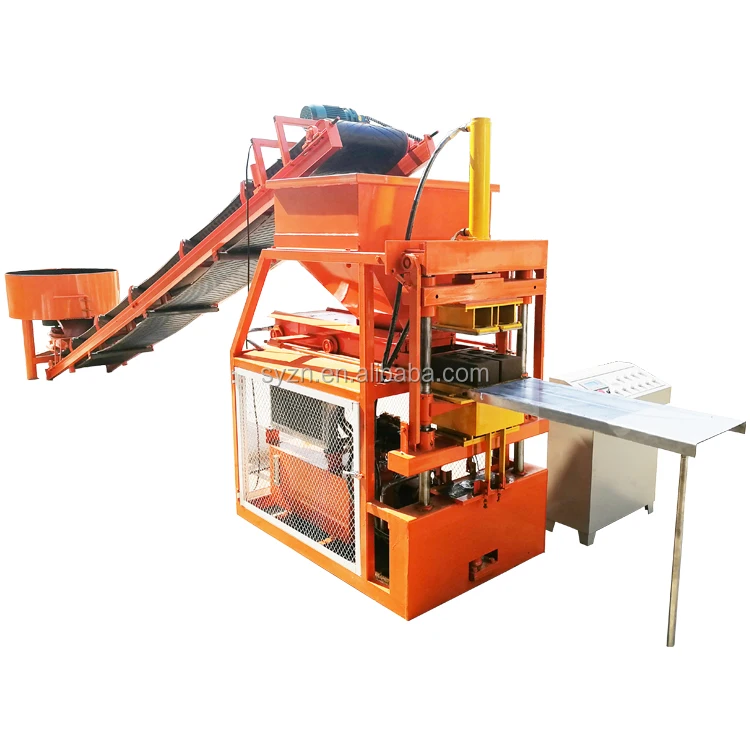
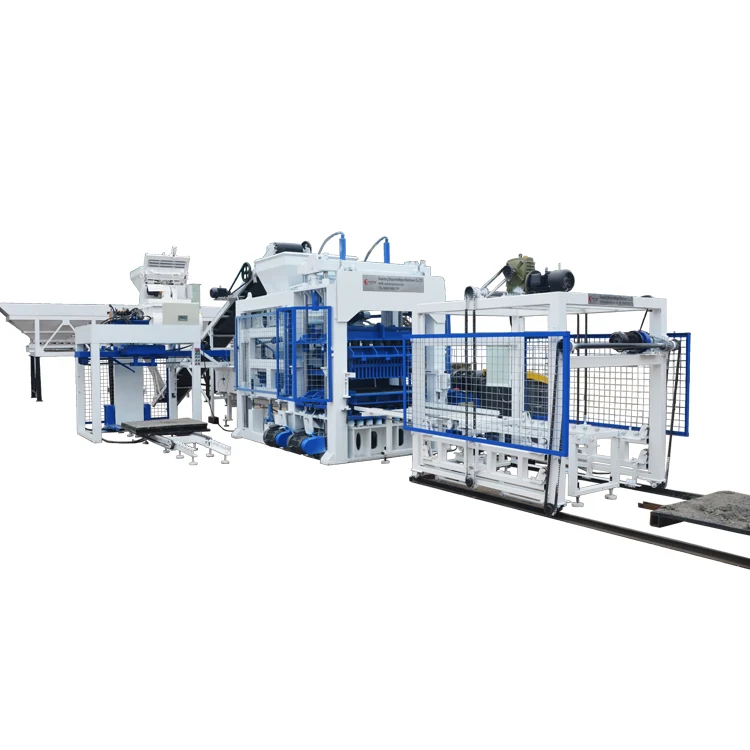 High quality block machine