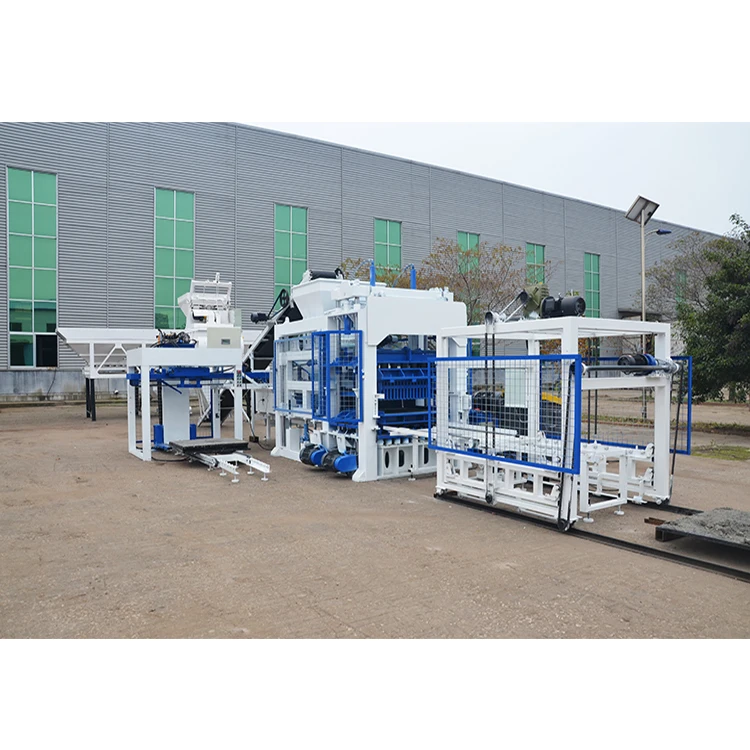
Matched System Design — The QT10-15 is engineered so the press, mould, pallet, and handling equipment are specified as one coordinated unit rather than sourced separately, ensuring cycle times align across every station.
Technical Specifications
| Parameter |
Value |
| Model |
QT10-15 |
| Product Type |
Concrete Block Making Machine |
| Vibration Mode |
Vertical station mode resonance, automatic FM-AM |
| Control System |
PLC control cabinet |
| Hydraulic System |
Independent integrated hydraulic station |
| Mould Change |
Simple replacement for multi-function production |
| Output (Hollow Block 400×200×200mm) |
1800–2400 pcs/hour (14400–19200 pcs/8hr, 10 pcs/mould, 15–20s cycle) |
| Output (Hollow Block 400×150×200mm) |
2160–2880 pcs/hour (17280–23040 pcs/8hr, 12 pcs/mould, 15–20s cycle) |
| Output (Solid Brick 240×115×53mm) |
8928–11160 pcs/hour (71424–89280 pcs/8hr, 62 pcs/mould, 15–20s cycle) |
| Output (Paving Block 200×100×60mm) |
5184–6480 pcs/hour (41472–51840 pcs/8hr, 27 pcs/mould, 20–25s cycle) |
| Output (Paving Block 225×112.5×60mm) |
4032–5040 pcs/hour (32256–40320 pcs/8hr, 24 pcs/mould, 20–25s cycle) |
| Cycle Time |
15–25s (basis not stated in source — confirm block format and material) |
| Line Components |
Pallet feed machine, block making machine, storage hopper, conveyor, hydraulic unit, PLC cabinet |
| Rated Power |
(source value not stated — verify against manufacturer catalog) |
| Voltage & Frequency |
(source value not stated — verify against manufacturer catalog) |
| Overall Dimensions |
(source value not stated — verify against manufacturer catalog) |
| Warranty |
1 year for the whole machine (excluding spare parts) |
Application Suitability
| Application |
Material or Output |
| Hollow block production for commercial and residential builds |
Crushed stone, sand, cement, fly ash blends |
| Solid brick manufacturing for load-bearing walls |
Local aggregate with cement binder |
| Paving block and interlocking paver production |
High-density concrete mixes with fine aggregate |
| On-site block production for housing and development projects |
Site-sourced aggregate matched to mix design |
| Concrete product plants adding new block formats |
Existing raw material streams with custom mould adaptation |
What "Cycles Per Hour" Never Tells You About a QT10-15 Block Making Machine Manufacturer
Output numbers mean nothing unless the block format and cycle time are stated alongside them.
When a QT10-15 block making machine manufacturer quotes capacity in cycles per hour without naming the exact block format, buyers routinely discover their real daily output sits well below expectation. A hollow block and a thin paving block use different mould cavity counts and different cycle windows. I have watched contractors plan entire production schedules around a single headline figure, only to find the machine spends most of a shift running formats that yield far fewer pieces per cycle. The capacity table above ties every number to a specific block dimension, mould cavity count, and cycle range so there is no guesswork [NEED_CITE: block format and cycle time disclosure standards for concrete machinery].

Mapping the QT10-15 Against the Full Machine Range
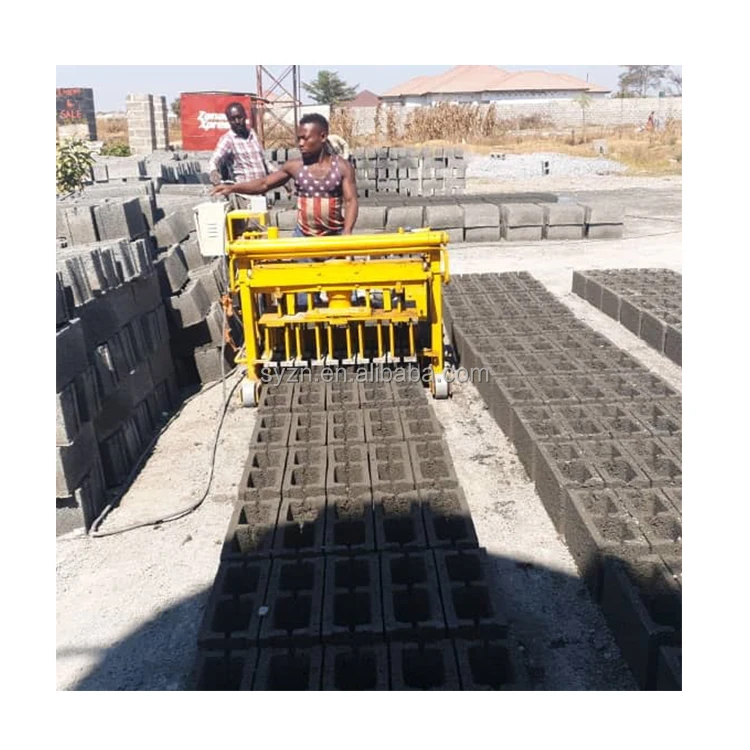
The QT10-15 sits in the high-capacity automatic tier of the block machine range. It is positioned above semi-automatic workshop machines and mobile egg-laying units, targeting buyers who need sustained volume across an eight-hour shift. Choosing the right tier starts with honest output data per block format, not a single peak figure pulled from the fastest cycle the press can achieve.
Where This Machine Fits in a Buyer’s Investment Decision
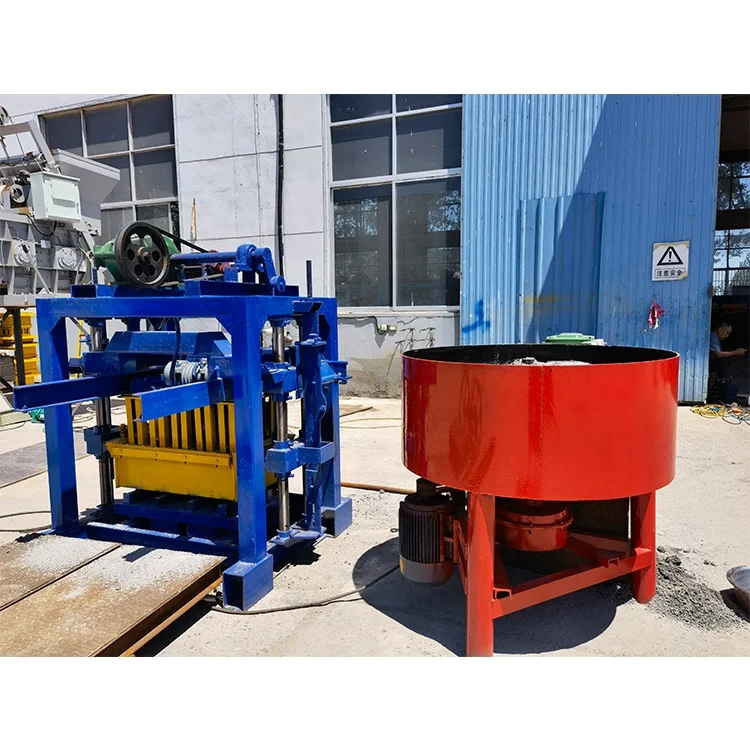
A buyer surveying options for a first or replacement machine needs to understand footprint, upstream material handling, and downstream curing requirements before committing. The QT10-15 demands a dedicated pallet circuit, a curing yard sized to the daily output, and a mixer capable of keeping pace with the press cycle. Skipping any of these stations means the press sits idle waiting for material or pallets [NEED_CITE: block plant layout planning for automatic production lines].
Reading the Specifications That Actually Matter
Vertical station mode resonance with automatic FM-AM modulation keeps vibration consistent whether the press is forming a thick hollow block or a thin paving stone. This matters because uneven vibration produces density variation across the mould face, leading to blocks that crack during curing or fail compressive strength tests. The independent integrated hydraulic station is mounted away from the vibration zone, preventing dust and shock from degrading valve seals and hose fittings over time. Multi-function production through simple mould replacement means a single QT10-15 can cover hollow block, solid brick, and paving block formats without requiring a separate machine for each product line.
The Hidden Cost of Skipping Configuration Checks
When voltage, frequency, and PLC display language are not confirmed before production, the machine arrives and cannot start. I once saw a shipment to a Nordic site where the plant ran on a local frequency standard that did not match the motor specification. The buyer waited weeks for a frequency converter retrofit while the production deadline slipped past. The same risk applies to pallet sizing — if the pallet dimensions do not match the buyer’s existing curing racks and forklift, every pallet must be handled manually, removing the advantage of automatic stacking entirely [NEED_CITE: electrical parameter verification for industrial machinery export].
Why Source the QT10-15 From This Range
The machine, mould, pallet, and handling equipment are specified as one matched system rather than assembled from unrelated suppliers, which eliminates interface mismatches at commissioning. Configuration is set against the buyer’s actual mix design and local aggregate, not a generic catalogue default. Mould design covers the formats the buyer’s market actually sells, including custom drawings when standard cavity layouts do not fit. Automation level is selectable, so a buyer can begin with a semi-automatic pallet circuit and add automatic stacking and cubing as volume grows. Installation support includes operator training so the line reaches stable production without an extended learning curve.
Documentation & Verification
- Line layout and capacity calculation stating the block format assumed for each output tier
- Machine specification sheet covering hydraulic pressure, vibration force, and pallet size
- Mould drawing and format list confirming which block types the quotation includes
- Voltage, frequency, and PLC display language confirmation signed before production
- Factory test record on the buyer’s target block format before dispatch
Installation, Commissioning & Support
- Foundation plan sized to the QT10-15 vibration load and hydraulic station footprint
- Dedicated electrical circuit matched to the confirmed voltage and frequency specification
- Pallet feed and conveyor alignment checked against the press cycle during commissioning
- PLC parameter set loaded with the buyer’s target block format and cycle times
- Operator training covering mould change procedure and daily hydraulic inspection
- Wear parts and mould list provided with recommended reorder intervals
Preparing Your Inquiry
To size the QT10-15 correctly for your line, share the block formats your market demands, the daily volume target for each format, and the raw materials available locally. Confirm your site voltage, frequency, and the language you need on the PLC display so the electrical package is built right the first time. If you already have curing racks or forklifts in place, send their dimensions so the pallet specification matches from day one.
Frequently Asked Questions
Q: How is the QT10-15 capacity calculated, and which block format does each figure assume?
A: Every capacity figure in the specification table is tied to a specific block dimension, mould cavity count, and cycle time range. For example, the hollow block 400×200×200mm output assumes ten pieces per mould at a 15–20 second cycle. This approach prevents the common mismatch where a headline capacity figure assumes a format the buyer never intends to produce.
Q: Where does the QT10-15 sit in the range, and what investment level does it represent?
A: It occupies the high-capacity automatic tier, above semi-automatic workshop machines and mobile egg-laying units. Buyers at this tier typically operate a dedicated block plant with a full pallet circuit and curing yard, targeting sustained volume across standard production shifts rather than occasional on-site runs.
Q: What plant footprint and supporting equipment does the QT10-15 automatic line require?
A: The line includes a pallet feed machine, storage hopper, conveyor, and hydraulic unit alongside the press itself. The curing yard must accommodate the daily pallet output, and the mixer must keep pace with the shortest cycle time to prevent the press from waiting between batches.
Q: Can I start with a semi-automatic configuration and add automation to the QT10-15 later?
A: The automation level is selectable at order and can be expanded afterward. A buyer can begin with manual pallet handling and basic stacking, then integrate automatic pallet feeding, stacking, and cubing modules as production volume justifies the additional stations.
Q: How are voltage, frequency, and control language confirmed to avoid delays after arrival?
A: These parameters are confirmed and signed off before the machine enters production. The motor winding, transformer specification, and PLC display language are all set to the buyer’s site standard, eliminating the need for on-site electrical modifications or frequency converter retrofits during commissioning.

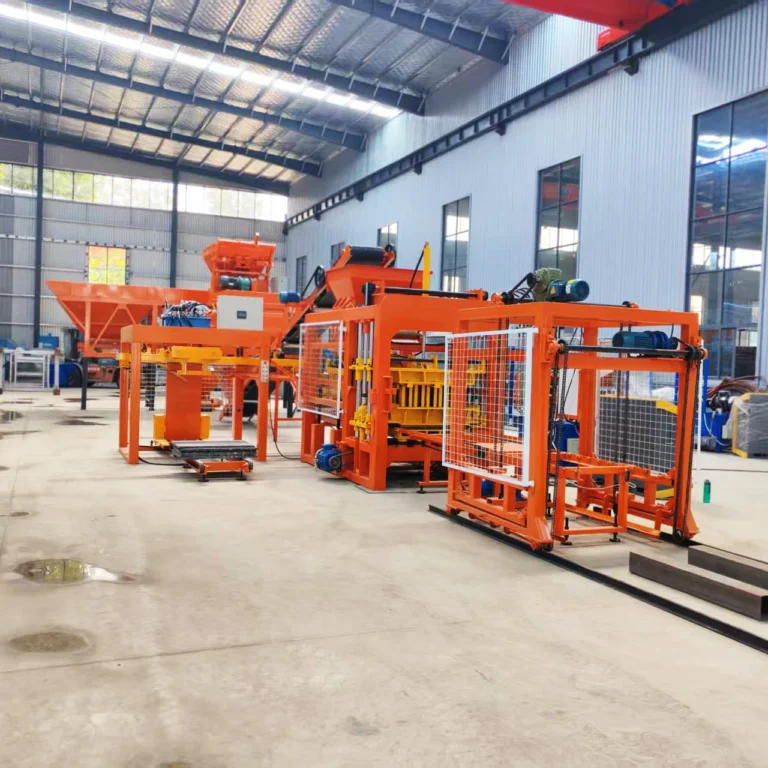 High quality block machine