
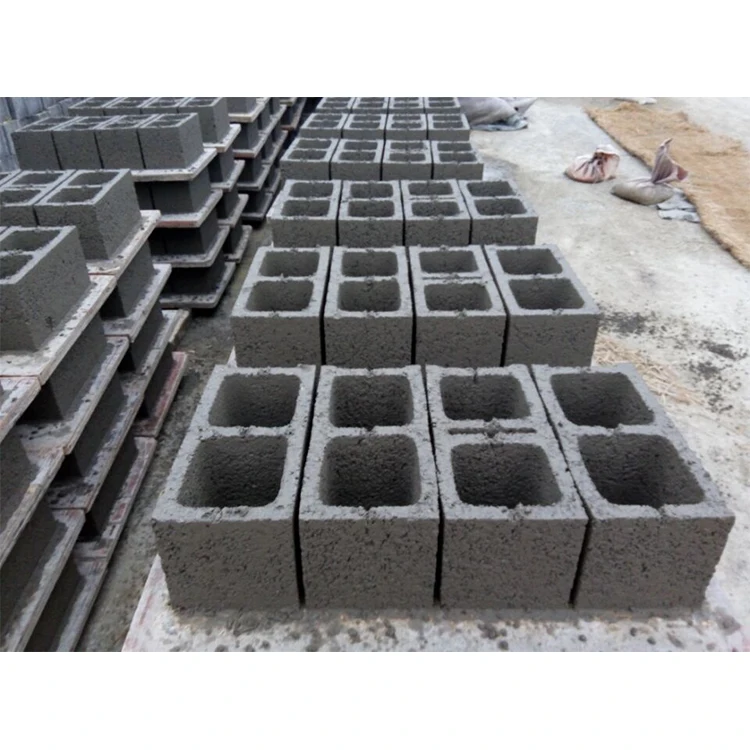
 Automatic block machine
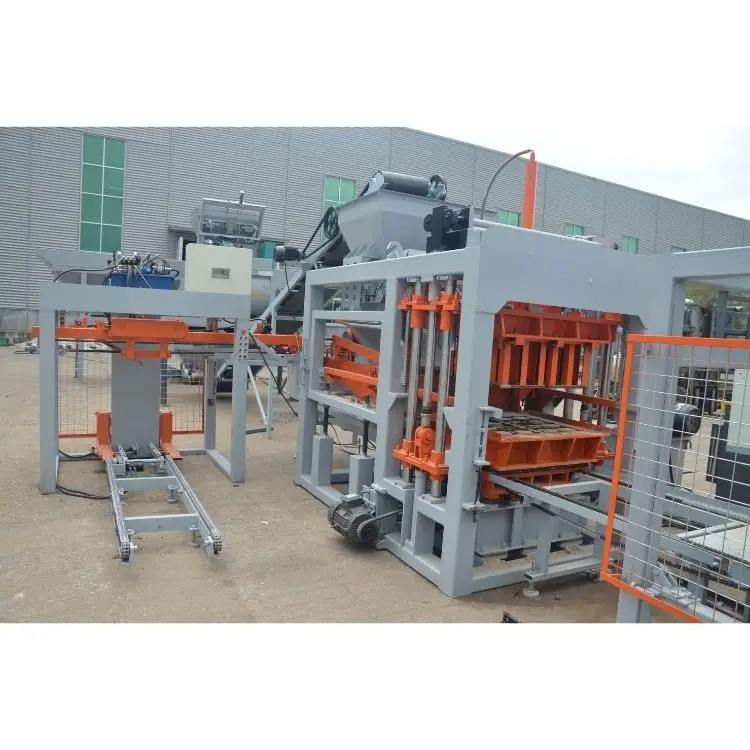 Automatic block machine
Concrete Machinery
Fly Ash Concrete Block Machine QT6-15 | Full Range
<p><strong>QT6-15 Automatic Block Machine, 21 MPa Hydraulic Pressure, 900×700 mm Pallet</strong> — mid-to-high tier in our automatic range, configured for hollow block, paving brick and solid brick production with vibration-plus-hydraulic pressing and 15s–20s cycle time. Line scales from simple mixer-and-stacker to full batching and pallet handling, letting you match automation to investment level. Capacity stated per block format, not a single headline figure — so daily output reflects your actual product mix.</p> <ul> <li><strong>Matched system</strong>: machine, mould, pallet and handling specified together against your local aggregate and target formats, not pulled from separate suppliers.</li> <li><strong>Honest capacity</strong>: every quote includes a calculation sheet stating output per block format with the pallet size and cycle time assumed.</li> <li><strong>Upgrade path</strong>: start semi-automatic and add stacking, cubing or batching later as demand grows.</li> </ul>
CE Certified
European Standards
Ships 15-30 Days
Fast Delivery
108+ Countries
Global Export
After-Sales Support
Training Included
24h Response
Free Technical Consultation
Product Details
Matched System Design — every station from mixer to stacker is specified around the same 900×700 mm pallet and your target block format, not sourced as separate machines hoping to align on site.
Technical Specifications
| Parameter | Value |
|---|---|
| Model | QT6-15 |
| Product Type | Automatic Concrete Block Making Machine |
| Molding Way | Vibration and hydraulic pressing |
| Rated Pressure | 21 MPa |
| Molding Cycle | 15 s – 20 s |
| Pallet Size | 900 × 700 mm |
| Main Machine Weight | 6000 kg |
| Output — Hollow Block 400×200×200 mm | 1440 pcs/h, 11520 pcs/8 h (basis stated in source) |
| Output — Paving Brick 200×100×60 mm | 5040 pcs/h, 40320 pcs/8 h (basis stated in source) |
| Output — Solid Brick 240×115×53 mm | 7680 pcs/h, 61440 pcs/8 h (basis stated in source) |
| Raw Materials | Cement, sand, fly ash, stone powder, slag |
| Block Formats | Hollow block, paving brick, solid brick, curbstones (mould dependent) |
| Simple Line Configuration | JS500 mixer, 8 m conveyor belt, automatic stacker |
| Full Line Options | Cement silo, screw conveyor, cement scale, batching machine, pallet loader, block and pallet separator |
| Motor Voltage | Customizable to local supply |
| Warranty | 1 year (excluding wearing parts) |
| Included with Simple Line | One hollow block mould, two hydraulic trolleys |
Application Suitability
| Application | Material or Output |
|---|---|
| Hollow block production for building contractors | Cement, sand and fly ash blends pressed at 21 MPa |
| Paving brick manufacturing for municipal and commercial projects | Crushed stone and cement mixes, 200×100×60 mm format |
| Solid brick runs for residential construction | Stone powder and slag blends, 240×115×53 mm format |
| On-site block production at housing developments | Local aggregate and cement, mould swapped per phase requirement |
| First block plant for entrepreneurs entering the market | JS500 mixer and 8 m belt as starting line, expanded later |
Why "1440 Pieces per Hour" Needs a Second Question
The cycle figure only matters once you know which block format and which mix design it was measured against.
I have stood beside machines that looked impressive on paper, only to find the quoted output assumed a hollow block while the buyer’s market actually demanded paving bricks. The same automatic block machine for sale that promises one number at the booth delivers a different reality on the factory floor once aggregate size, cement content and vibration frequency all come into play. A 15-second cycle on a 400×200×200 mm hollow block does not translate directly to a 15-second cycle on a dense paving brick. [NEED_CITE: concrete block cycle time variations by format and mix design]
Where the QT6-15 Sits on the Automatic Range
This model occupies the mid-to-high tier of the automatic block machine for sale lineup. Buyers stepping up from semi-automatic or egg-laying machines find the jump in consistency here comes mainly from the vibration-plus-hydraulic combination and the fixed 900×700 mm pallet envelope, which locks in mould geometry across every cycle.
Line Scalability From Simple Start to Full Batching
The simple line pairs the press with a JS500 mixer, an 8 m belt and an automatic stacker — enough to run production without a full plant build-out. When volume grows or format variety widens, the same press accepts a cement silo, screw conveyor, cement scale, batching machine, pallet loader and block-and-pallet separator without structural modification to the main frame. This path lets a first-time plant owner begin with a contained footprint and add stations as orders require. [NEED_CITE: block production line staging and capital allocation]
Reading the Press Parameters That Actually Matter
The 21 MPa rated pressure works together with vibration force to compact the mix into the mould cavity. Higher pressure alone will not produce a strong block if vibration frequency is too low to settle fine aggregate into voids; conversely, strong vibration without enough hydraulic follow-through leaves a block that looks dense on the surface but crumbles at the core. The 15–20 second molding cycle is the window where both forces must overlap fully. Pallet size at 900×700 mm defines every downstream decision — curing rack spacing, forklift tine width, stacking pattern — so confirming that dimension against existing site equipment avoids costly rework after the machine arrives. Motor voltage is customizable, meaning the winding, contactor ratings and PLC supply must all be confirmed against the buyer’s local grid before the control cabinet is wired.
The Cost of Skipping the Mix-Design Conversation
When a machine is configured for a standard sand-cement ratio and the buyer’s local aggregate carries high clay or silt content, the vibration parameters no longer match the material’s flow behavior. Blocks leave the press looking acceptable but fail compression tests days later, forcing the plant to rework or scrap entire pallet loads. The real expense is not the failed batch itself but the two weeks of trial-and-error adjustment that follow while the operator searches for settings the original configuration never anticipated. [NEED_CITE: aggregate clay content effect on concrete block compressive strength]
Why Buyers Place Repeat Orders Here
Block machinery is the sole product focus, so the press, mould, pallet and handling equipment are specified as one matched system rather than assembled from unrelated suppliers. Each configuration is set against the buyer’s actual mix design and local aggregate, not pulled from a catalogue default. Mould design covers the formats the buyer’s market actually sells, including custom drawings when a non-standard kerbstone or interlocking shape is needed. The automation level is selectable — a buyer can start with the simple JS500-and-belt line and add pallet loaders and stackers later without replacing the press. Installation support includes on-site commissioning and operator training so the first production run happens under supervision, not trial and error.
Documentation & Verification
- Line layout and capacity sheet stating output per block format, not a single headline figure
- Machine specification sheet covering pressure, cycle time and pallet dimensions
- Mould drawing and format list confirming compatibility with buyer’s target market
- Hydraulic and electrical schematic for local maintenance team reference
- Voltage and control language confirmation signed before cabinet wiring begins
- Factory test record and packing photographs issued prior to container loading
Installation, Commissioning & Support
- Foundation pad leveled for the 6000 kg main machine weight with anchor bolt template provided
- Dedicated circuit matching confirmed voltage and frequency, separate from general workshop supply
- Top cylinder removed for container loading and re-mounted during on-site assembly
- First-run parameter setting with operator present, covering vibration timing and pressure dwell
- Hydraulic hose and seal inspection schedule aligned with the 21 MPa working pressure
- Mould change procedure practiced on site so format swaps do not consume a full shift
What to Include With Your Inquiry
Send your target block formats with daily volume requirements so the capacity sheet can be built around real numbers rather than catalogue assumptions. Note your local aggregate source and any available material test reports — sand, fly ash or stone powder characteristics shape the vibration and pressure settings. Confirm your site voltage, frequency and preferred PLC display language so the electrical package is built correctly before dispatch.
Frequently Asked Questions
Q: How is daily output verified per block format rather than as a single cycle-hour figure?
A: Each format — hollow block, paving brick, solid brick — has its own cycle time and mould cavity count. The capacity sheet lists output per format based on the stated molding cycle, so buyers compare against the product they actually sell instead of an average that fits none of them.
Q: Where does the QT6-15 sit between semi-automatic and high-capacity automatic lines?
A: It occupies the mid-to-high automatic tier with vibration-plus-hydraulic pressing and an automatic stacker in its simplest configuration. Buyers moving up from manual pallet handling gain consistent cycle timing, while those not yet ready for a full batching plant can start lean and expand.
Q: What plant footprint and curing area does the 900×700 mm pallet size require?
A: The pallet dimension sets curing rack spacing, forklift tine width and stacking pattern. Buyers should measure existing curing space and handling equipment against 900×700 mm before ordering to avoid retrofitting racks or replacing forklifts after the machine arrives.
Q: Which automation level should I start with, and can I add stations later?
A: The simple line — JS500 mixer, 8 m belt, automatic stacker — covers initial production. A cement silo, batching machine, pallet loader and block separator can be added to the same press frame when volume or format variety grows, without replacing the main machine.
Q: What is included in the quotation versus what must be sourced separately?
A: The simple line includes one hollow block mould and two hydraulic trolleys. Pallets, additional moulds, curing racks and the full batching station are optional. Voltage, PLC language and pallet material are confirmed before production to avoid delays at commissioning.
Get a Quote
Request Price for Fly Ash Concrete Block Machine QT6-15 | Full Range
Fill in your requirements and our export manager will respond within 24 hours with pricing, specs and a customized solution.
You May Also Like
Related Products
Automatic block machine
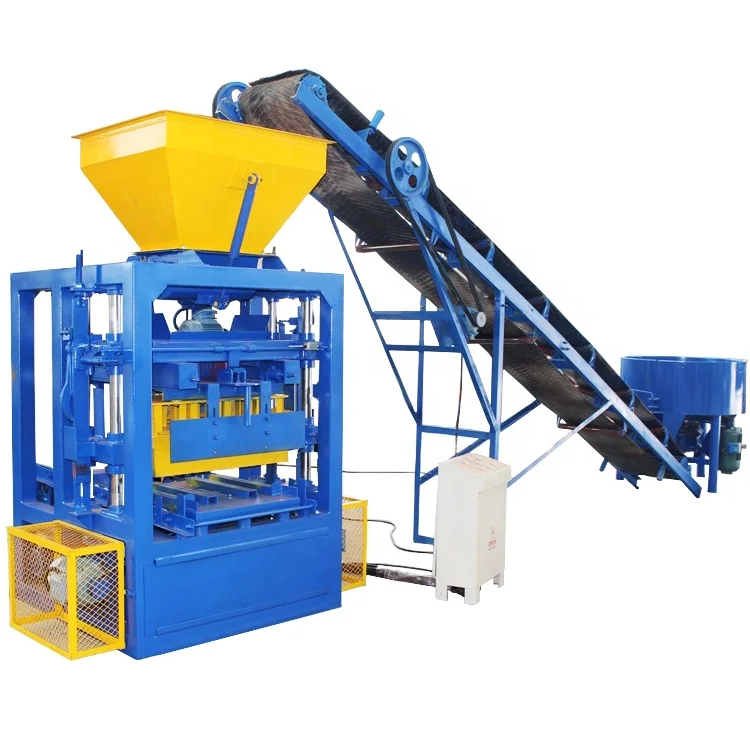 Automatic block machine
QTJ4-24 Semi-Automatic Block Making Machine | Full Range
QTJ4-24 Semi-Automatic Block Making Machine, 35.5 kN Exciting Force, 880×480 mm Pallet — platform vibration...
View Details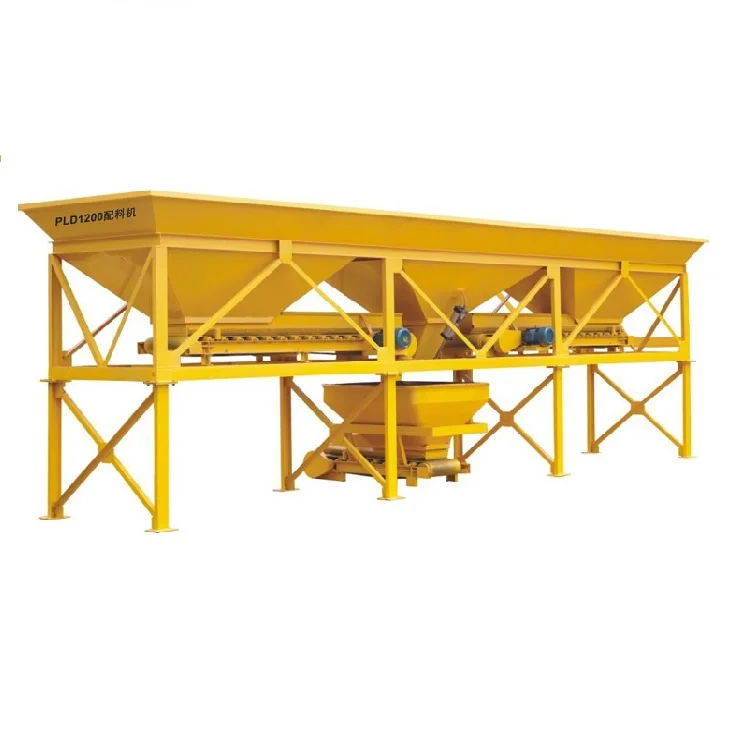 Automatic block machine
PLD1200 Concrete Batching Machine | Full Range Manufacturer
PLD1200 Concrete Batching Machine, 1200L Hopper, ±2% Precision, 4×4kW Drive — specified as the standard...
View Details
Automatic block machine
High Capacity Fly Ash Concrete Block Machine QT6-15 Fully Automatic Block Machine with Hydraulic Pressure Brick Making Machine
Product Description QT6-15 Automatic sidewalks color paving brick making machine line produce different shape and...
View Details
Established Manufacturer · Since 2005
Ready to Start Your Concrete Production Line?
Our 320+ engineers will design a customized solution for your local materials, voltage and site conditions. Get a free layout plan and ROI estimation within 24 hours.
108+ Countries Exported
46,000㎡ Factory
320+ Engineers
24h Response Guaranteed