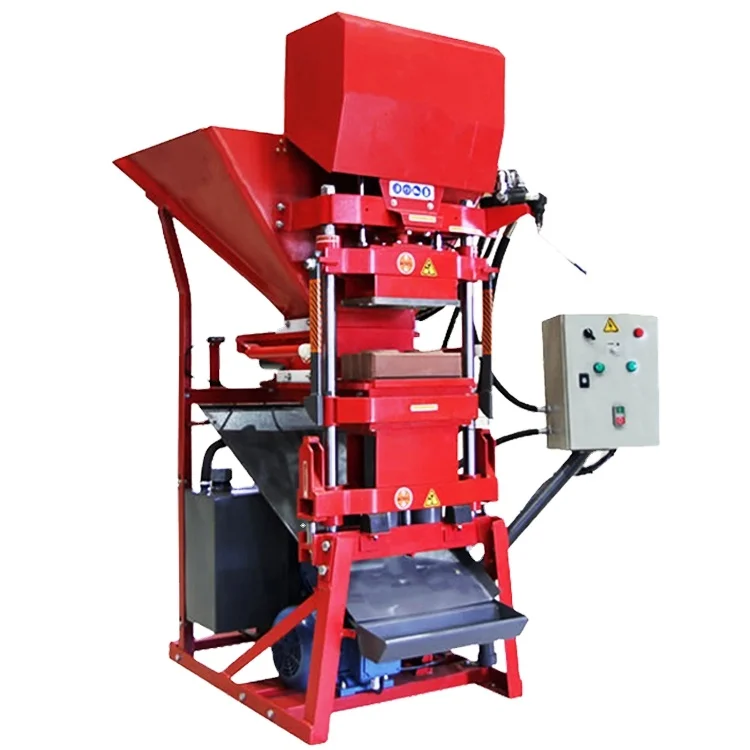
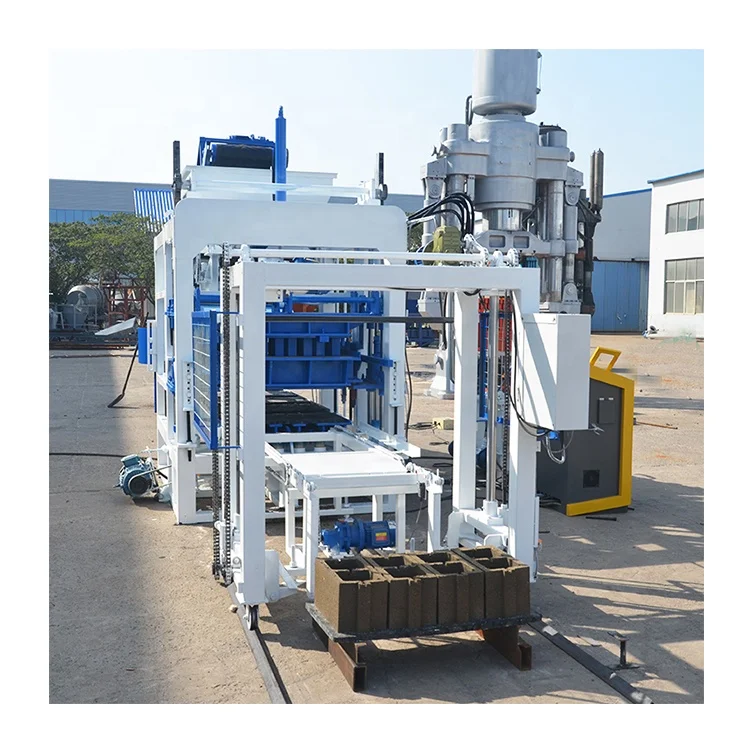
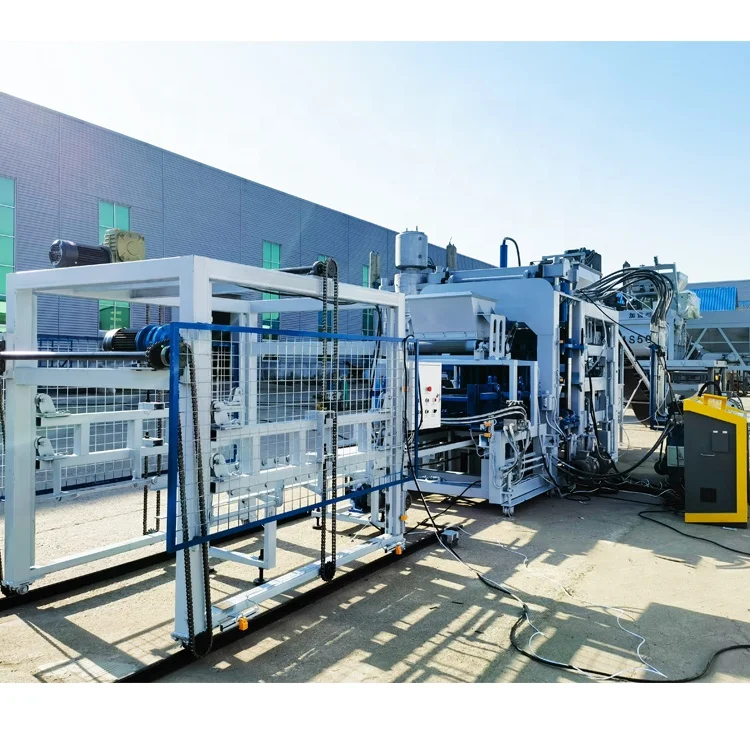
Complete System Match — we configure the ECO 2700 against your local clay properties and target block format before confirming the order, so the machine arrives matched to your actual production conditions rather than a catalogue default.
Technical Specifications
| Parameter |
Value |
| Model |
ECO 2700 |
| Product Type |
Clay Block Making Machine |
| Overall Dimensions (L×W×H) |
1000 × 1000 × 1800 mm |
| Shaping Cycle |
15–20 seconds |
| Rated Power |
5.5 kW |
| Hydraulic Pressure |
16 MPa |
| Net Weight |
1000 kg |
| Voltage & Frequency |
380V, 3-phase, 50Hz (configurable to local supply) |
| Automation Level |
Manual / small-sized operation |
| Warranty |
1 year |
| Certification |
CE |
| Output Capacity |
(basis not stated in source — confirm block format and material before quoting) |
Application Suitability
| Application |
Material or Output |
| Small-scale clay brick production |
Local clay, river clay, or blended earthen mixes |
| On-site block forming for contractors |
Clay-based mixes prepared at the job site |
| Workshop-level building material supply |
Solid clay blocks and small-format bricks |
| First-plant entrepreneur setup |
Low-investment clay block forming with manual pallet handling |
Why the Block Format Question Must Come Before the ECO 2700 Block Making Machine for Sale Discussion
A cycle time only becomes meaningful once you know which block format it produces.
Many buyers discover after delivery that the output quoted during negotiation assumed a small solid brick, while their market actually demands a larger hollow format — and the daily tally drops sharply as a result. With the ECO 2700, the 15–20 second shaping cycle applies to a specific mould and block geometry that must be confirmed before the machine is built. I have walked onto sites where a machine sat idle for weeks simply because the buyer and the seller were counting different products when they agreed on capacity. Getting the format list and per-format cycle data in writing removes this gap [NEED_CITE: capacity calculation standards for block making equipment].

Where the ECO 2700 Sits in the Full Machine Range
The ECO 2700 occupies the entry tier of the Shiyue range, positioned for buyers who need a functioning clay block press without investing in a full automatic line. Its compact footprint and manual pallet handling mean it suits a small workshop or a construction site where space and capital are limited. For buyers surveying options across the range, this model represents the starting point — the unit you choose when daily volume requirements are modest and the priority is getting into production quickly with minimal infrastructure.
What Small-Scale Buyers Should Confirm Before Committing
When a buyer selects a machine at this tier, the surrounding decisions carry outsized weight because there is less automation to absorb errors. The clay mix must be tested against the 16 MPa hydraulic pressure to confirm the block reaches adequate green strength before curing. Pallet size and material need to align with whatever curing space and handling equipment the buyer already operates. Voltage and frequency must match the local grid, since a 380V motor on a 220V supply will not simply underperform — it will fail [NEED_CITE: voltage and frequency standards by export market]. These are the conversations that should happen during the inquiry stage, not after the container arrives.
Reading the Specs That Actually Matter for Clay Forming
The 16 MPa hydraulic pressure is the figure that determines how densely the clay is compressed during each shaping cycle. For clay-based mixes, insufficient pressure produces blocks that crack during drying or fail to meet structural requirements, while excessive pressure can trap moisture and cause splitting. The 15–20 second shaping cycle sets the rhythm of production, but the realistic daily output depends on how quickly operators can load the mix, swap pallets, and move finished blocks to the curing area — all manual tasks at this tier. The 5.5 kW rated power drives the hydraulic pump and vibration system; buyers running on generator power should verify that their unit can sustain the startup surge. The overall dimensions of 1000 × 1000 × 1800 mm and the 1000 kg net weight mean the machine can be positioned with a standard forklift and does not require a reinforced concrete foundation beyond a level slab.
The Hidden Cost of Skipping the Configuration Conversation
I once arrived at a site in Southeast Asia where the customer had ordered a block machine based on a sample capacity figure, only to find that the local river sand carried a high clay-silt content that changed the entire mix behaviour. We spent days adjusting parameters that should have been settled before the machine left the factory. When buyers skip sending raw material samples and skip confirming the exact block format, the consequences compound — inconsistent block strength, extended commissioning, and production targets missed from day one [NEED_CITE: raw material variability impact on block quality]. These are avoidable delays that cost more than the testing step would have taken.
Why Buyers Source This Tier Through Shiyue
Block machinery is our single focus, so the ECO 2700 is specified as part of a matched system — machine, mould, pallet, and handling — rather than assembled from disconnected suppliers. We configure the machine against the buyer’s actual clay mix and target block format, not a generic catalogue entry. Mould design covers the formats the buyer’s market sells, with custom drawings available when standard options do not fit. The automation level is selectable, so a buyer starting with the ECO 2700 can plan an upgrade path to semi-automatic or fully automatic operation as demand grows. Installation and commissioning support includes operator training on-site, and the documentation package travels with the machine so the buyer’s team has every schematic and test record from day one.
Documentation & Verification
- Line layout and capacity calculation stating the block format assumed for the ECO 2700
- Machine specification sheet with confirmed voltage and control language
- Mould drawing and format list showing all compatible block geometries
- Factory test record produced using your clay mix before dispatch
- Packing photographs and customs documentation support for shipment
Installation, Commissioning & Support
- Level concrete slab sufficient for the 1000 × 1000 mm footprint and 1000 kg operating weight
- Dedicated 3-phase circuit matching confirmed voltage and frequency before motor startup
- Machine arrives assembled; mould and hydraulic connections verified during on-site commissioning
- First-run parameter setting against your clay mix with shaping cycle and pressure fine-tuned
- Operator training on mould change, daily maintenance, and hydraulic inspection intervals
- Wear parts list supplied with recommended replacement schedule for seals and mould liners
What to Include in Your ECO 2700 Inquiry
To size the ECO 2700 block making machine for sale accurately to your project, share the block format you intend to produce, your target daily output, and the type of clay or earthen material available locally. Confirm your site’s voltage and frequency, the language you need on controls, and whether you already have pallets and curing racks or need those included. If you can send a sample of your raw material, we will run a forming test and return the results before the quotation is finalised.
Frequently Asked Questions
Q: What block formats can the ECO 2700 produce and what is the realistic daily output per format?
A: The ECO 2700 accepts moulds for solid clay blocks and small-format bricks. Realistic daily output depends on the specific block dimensions, the operator’s pallet handling speed, and the mix preparation setup. We provide a per-format capacity calculation with every proposal so the figure you plan against matches the product you will actually sell.
Q: Can the motor voltage be customized to match my local power supply?
A: Yes. The standard configuration is 380V, 3-phase, 50Hz, but the motor and electrical panel can be built to match your local voltage and frequency. This must be confirmed before production begins so the machine arrives ready to connect without transformers or rewiring.
Q: What is included in the quotation — does it cover moulds, pallets, or only the press?
A: The quotation can cover the press alone or a package including moulds, pallets, and basic handling tools. We clarify the scope during the inquiry stage so there are no missing components when the machine arrives. Pallet size is matched to your curing area and existing forklift.
Q: How does the ECO 2700 compare to semi-automatic and automatic models in the Shiyue range?
A: The ECO 2700 is the entry-tier, manual-operation model designed for low-investment startups. Semi-automatic models add powered pallet feeding and larger output capacity, while automatic models include full stacking and cubing. The range allows buyers to start here and move up as production volume grows.
Q: What is the warranty coverage and how are replacement wear parts supplied?
A: The ECO 2700 carries a one-year warranty covering manufacturing defects. A wear parts list is included with the machine, identifying hydraulic seals, mould liners, and other consumables. Replacement parts are available for order and shipped directly when needed.

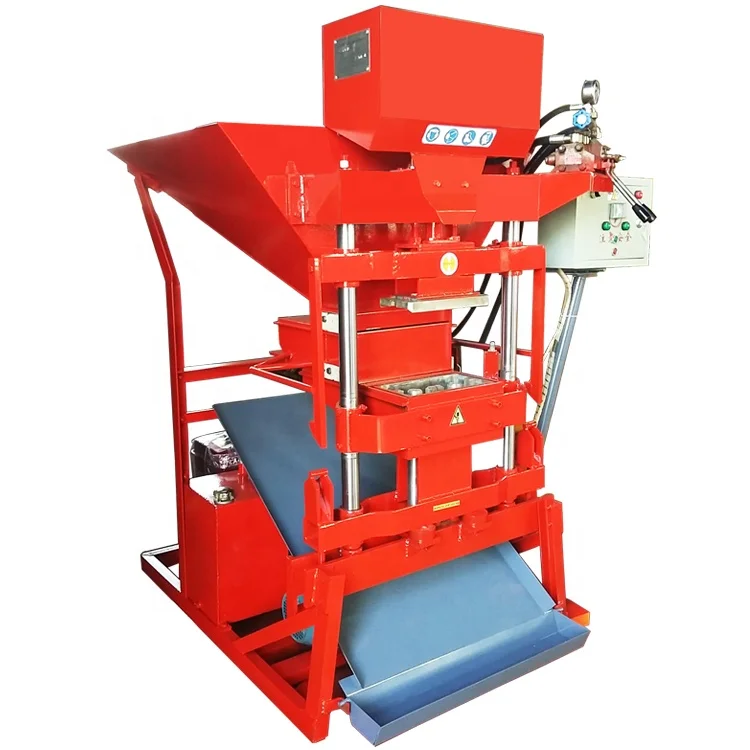
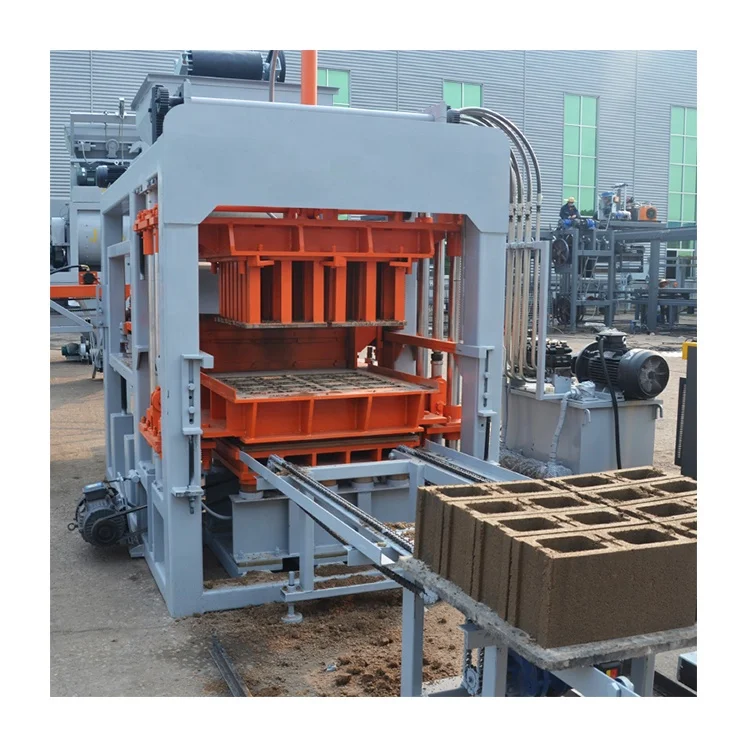 Automatic block machine