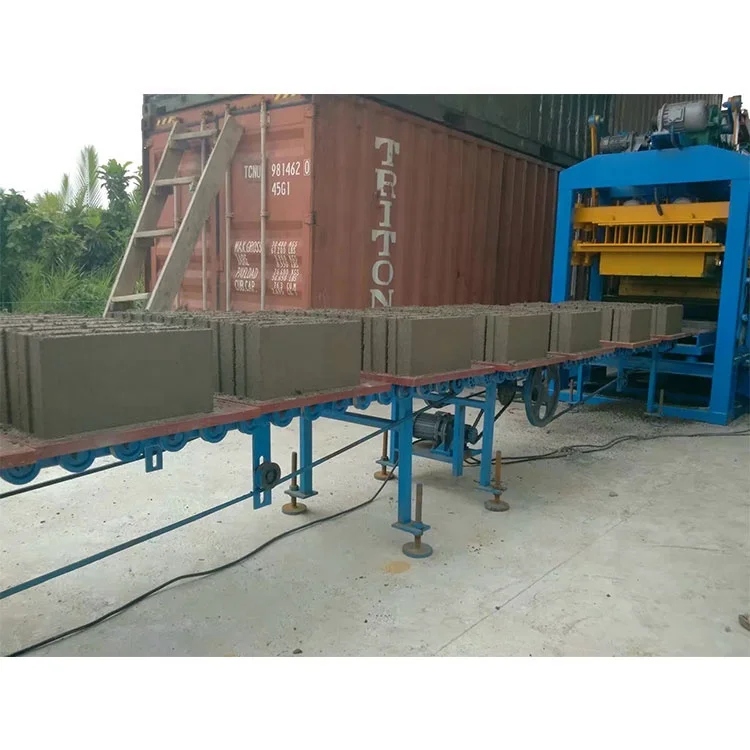
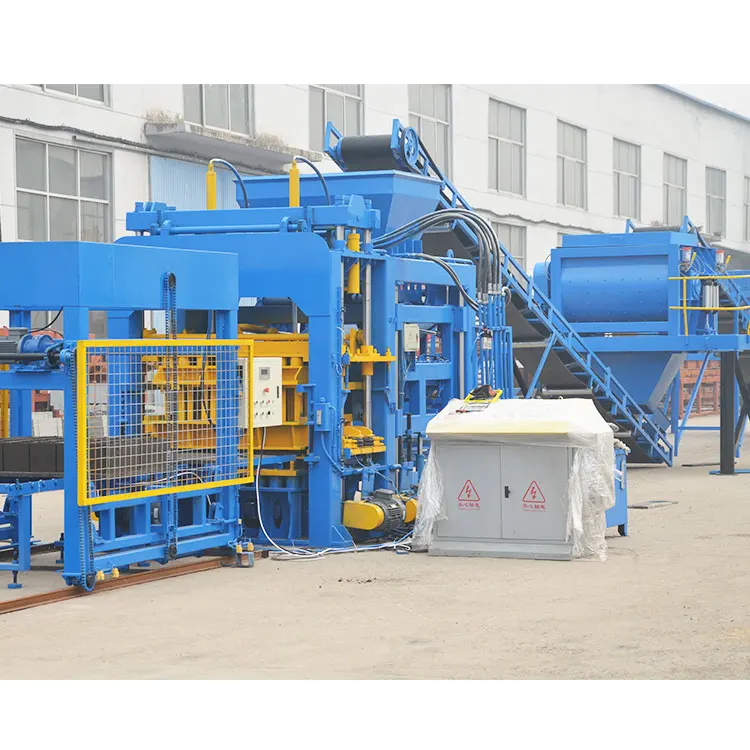
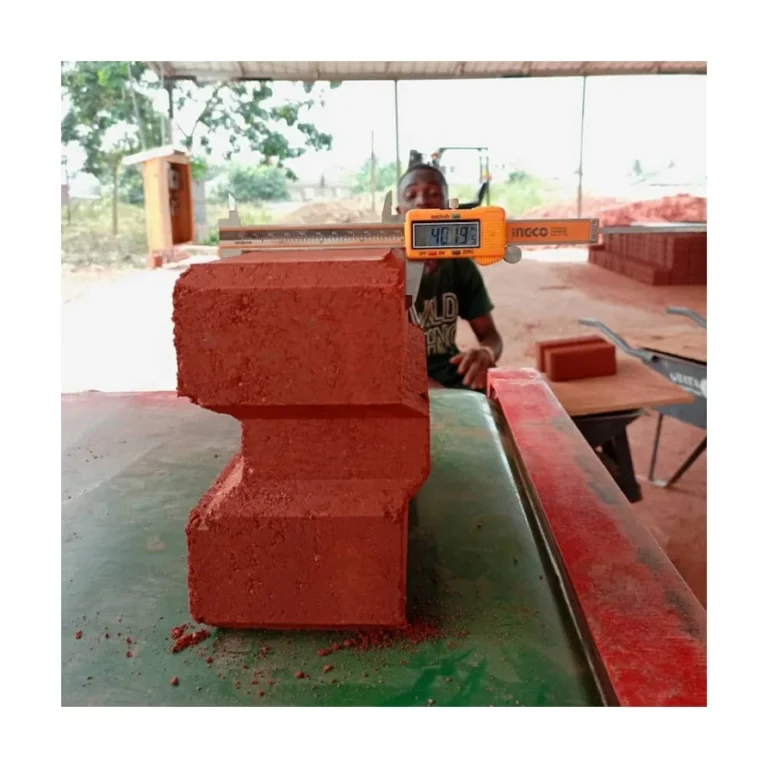
Matched System Design — every QT4-18 component from press to pallet is specified against your local aggregate and block format, not assembled from catalogue defaults.
Technical Specifications
| Parameter |
Value |
| Model |
QT4-18 |
| Product Type |
Semi-Automatic Concrete Block Making Machine |
| Overall Dimensions (L×W×H) |
2500×1750×2200 mm |
| Rated Hydraulic Pressure |
16 MPa |
| Vibration Form |
Platform Vibration |
| Pallet Size |
950×550 mm |
| Molding Cycle |
18–25 s |
| Overall Power |
27.5 kW |
| Control System |
PLC with frequency converter |
| Electrical Components |
Schneider |
| Mould Lifting Mechanism |
Double-sided synchronous gears |
| Material Feeder System |
Hopper, feeding box, feeding platform, conveyor system |
| Pallet Feeder Power |
Hydro-cylinder driven |
| Included Mould |
One hollow mould (additional formats available at extra cost) |
| Assembly State |
On-site installation on cement foundation required |
| Output Capacity |
(basis not stated in source — confirm block format and material) |
| Voltage & Frequency |
Configurable to destination market requirements |
Application Suitability
| Application |
Material or Output |
| Hollow block production |
Crushed stone, sand, cement, water |
| Solid brick manufacturing |
Fly ash, sand, cement blends |
| On-site contractor block making |
Local aggregate with cement binder |
| Start-up block plant entry tier |
Semi-automatic output with manual pallet handling |
What "Cycles per Hour" Does Not Tell You About the QT4-18 Block Machine
The QT4-18 semi-automatic concrete block making machine molding cycle of 18–25 seconds only translates to real daily output when tied to a specific block format, wall thickness, and target curing strength.
When a quotation lists a single hourly figure without naming the block size it assumes, buyers often discover after commissioning that their actual format — perhaps a thicker hollow block or a dense paver — stretches the cycle well beyond the quoted number. I have watched production plans collapse because the capacity figure was built around a lightweight 400×200×200 mm hollow block while the buyer’s market demanded a heavier solid format. The press itself is unchanged; only the math shifts. Always ask which block the cycle time references before comparing machines [NEED_CITE: block format impact on cycle time and daily throughput].

Where the QT4-18 Sits on the Block Machine Range
The full block machine lineup spans mobile egg-laying units at the entry end, semi-automatic presses like the QT4-18 in the middle, and fully automatic lines with stacking and cubing at the top. This semi-automatic concrete block making machine occupies the tier where mechanized molding — hydraulic pressure, vibration, PLC control — meets manual pallet handling and stacking. That balance keeps initial capital outlay moderate while still delivering consistent block density that manual tamping cannot match.
Investment Level and Plant Footprint Compared to Automatic Lines
A fully automatic line demands a larger curing yard, pallet return conveyors, and a cubing station that together multiply the floor space and electrical load. The QT4-18 semi-automatic block machine manufacturer configuration strips those stations away, leaving a press, feeder, and block receiver that fit a smaller workshop. Buyers who are uncertain about long-term volume can start here and add automation stations later, rather than committing to a line they may not fill [NEED_CITE: typical block plant layout options for semi-automatic versus automatic tiers].
Reading the Specifications That Matter on the Shop Floor
The 16 MPa rated hydraulic pressure paired with platform vibration determines how tightly the mix is compacted inside the mould cavity. Higher pressure alone will not produce a strong block if the vibration frequency does not settle the aggregate into a dense matrix first — the two forces must be matched to the specific mix design. The 950×550 mm pallet size dictates how many blocks are formed per cycle and, equally important, whether your existing curing racks and forklift can handle the loaded pallets without modification. The double-sided synchronous gear mould lifting mechanism ensures the mould box rises evenly, preventing the freshly formed block from dragging against the mould walls and chipping its edges. Finally, the PLC with frequency converter lets the operator adjust vibration duration and feeder timing, which becomes critical when switching between a dry concrete mix and a wetter fly-ash blend.
The Cost of Skipping the Configuration Conversation
Ordering a QT4-18 without confirming the target block format, local aggregate type, and available pallet inventory leads to problems that surface only after the foundation is poured. A pallet size mismatched to your curing yard forces workers to restack blocks by hand, erasing the output advantage the press was supposed to deliver. A mould configured for river sand arrives in a region where only crushed volcanic aggregate is economical, producing blocks that crumble under minimal load. Voltage and PLC display language confirmed too late delay commissioning by weeks while transformers and translated manuals are sourced [NEED_CITE: common commissioning delays from unconfirmed voltage and control language].
Why Source the QT4-18 Through This Line
Block machinery is the single focus of this supply operation, so the QT4-18 arrives as a matched system — press, mould, pallet, and feeder — rather than a press paired with third-party peripherals that may not align on cycle timing. Each configuration starts with the buyer’s actual mix design and target block format, meaning the mould cavity dimensions and vibration settings are chosen before production begins. Custom mould drawings are produced to buyer specifications when a non-standard format is needed for a local market. Automation level is selectable: a buyer can begin with this semi-automatic tier and integrate pallet feeders or stackers later without replacing the press. Installation support includes on-site commissioning and operator training so the crew understands cycle adjustment and mould change procedures from the first production run.
Documentation & Verification
- Line layout drawing with capacity calculation tied to your chosen block format
- Machine specification sheet confirming 16 MPa pressure and 950×550 mm pallet size
- Mould drawing and format list for the included hollow mould plus any custom options
- Voltage, frequency, and PLC display language confirmation before production begins
- Factory test record showing cycle time and block dimensions against your target
Installation, Commissioning & Support
- Cement foundation poured to QT4-18 footprint of 2500×1750 mm with anchor bolt plan provided
- Dedicated electrical circuit sized for 27.5 kW overall power with correct voltage and frequency
- Press arrives partially assembled; on-site erection includes feeder, receiver, and pallet feeder alignment
- First-run commissioning covers PLC parameter tuning for 18–25 s cycle with your local aggregate mix
- Operator training addresses mould change procedure using the double-sided synchronous gear lift
- Wear parts list and mould maintenance schedule supplied for ongoing production continuity
What to Include in Your First Inquiry
To receive a configuration proposal that reflects your actual production conditions, share the block formats your market demands, the daily volume you plan to sustain, and the aggregate materials available locally. Include your workshop dimensions so the layout can account for curing yard and pallet circulation space. Specify the voltage, frequency, and preferred PLC display language for your facility to avoid post-arrival electrical modifications.
Frequently Asked Questions
Q: What output can the QT4-18 realistically achieve, and which block format is that based on?
A: The molding cycle ranges from 18 to 25 seconds, but realistic daily output depends entirely on the block format, wall thickness, and mix design in use. A capacity figure only becomes meaningful when tied to a specific block size. Request a layout document that states the assumed format alongside the projected throughput.
Q: Where does this semi-automatic model sit compared to the automatic tier?
A: The QT4-18 provides mechanized molding with hydraulic pressure and PLC control while retaining manual pallet handling and stacking. Automatic lines add pallet feeders, stackers, and cubing stations that raise throughput but also increase capital cost and plant footprint. This tier suits buyers who want consistent block quality without full automation overhead.
Q: What plant footprint and foundation preparation does the QT4-18 require?
A: The press itself measures 2500×1750×2200 mm and requires a level cement foundation with anchor bolts. Beyond the machine footprint, you need space for the material feeder, block receiver conveyor, and a curing area sized to the 950×550 mm pallets. The layout drawing provided with your proposal will detail the full arrangement.
Q: Can I start semi-automatic and upgrade to full automation later?
A: Yes. The QT4-18 press can later be integrated with automatic pallet feeding, stacking, and cubing stations without replacing the core machine. Planning the upgrade path during initial layout ensures floor space and electrical capacity are reserved for future expansion.
Q: Is the 950×550 mm pallet compatible with my existing curing area and forklift?
A: That pallet size works with standard curing racks and mid-range forklifts common in block plants. However, if your facility already uses a different pallet dimension, confirming compatibility early avoids restacking labor or the need to replace existing racks and handling equipment.

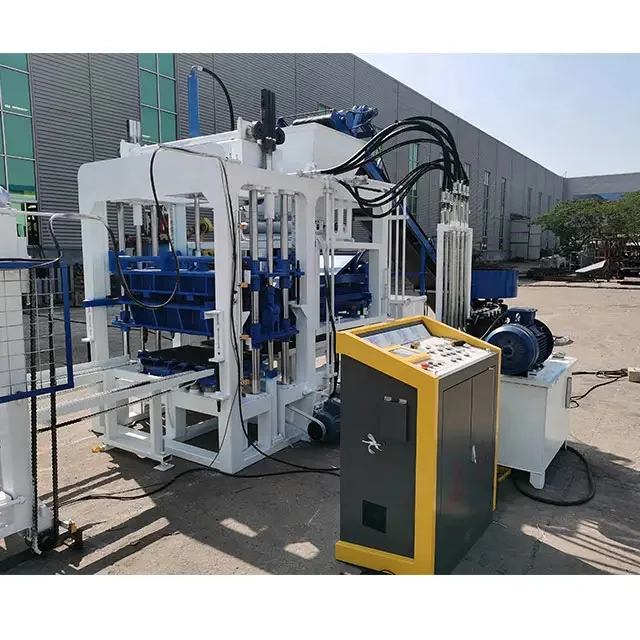
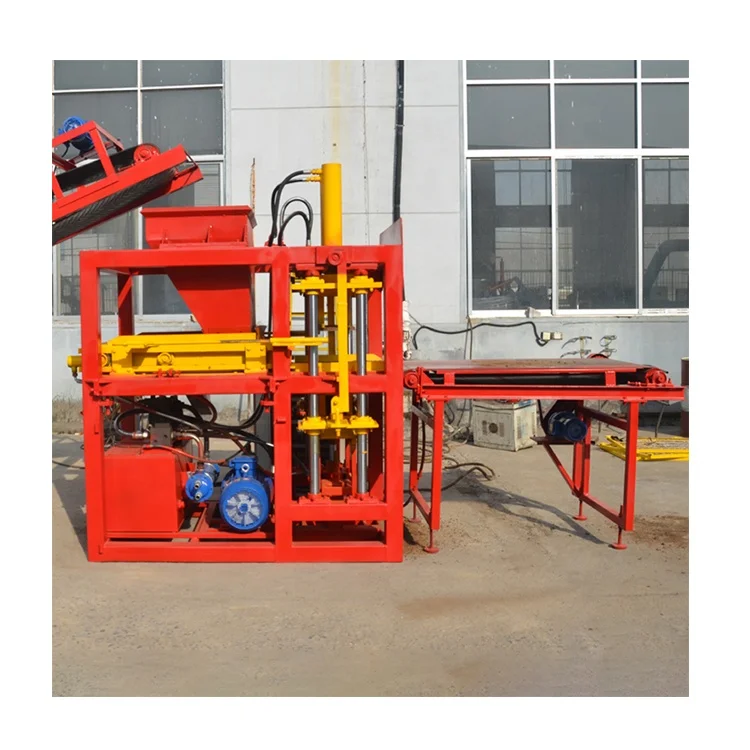 Semi automatic block