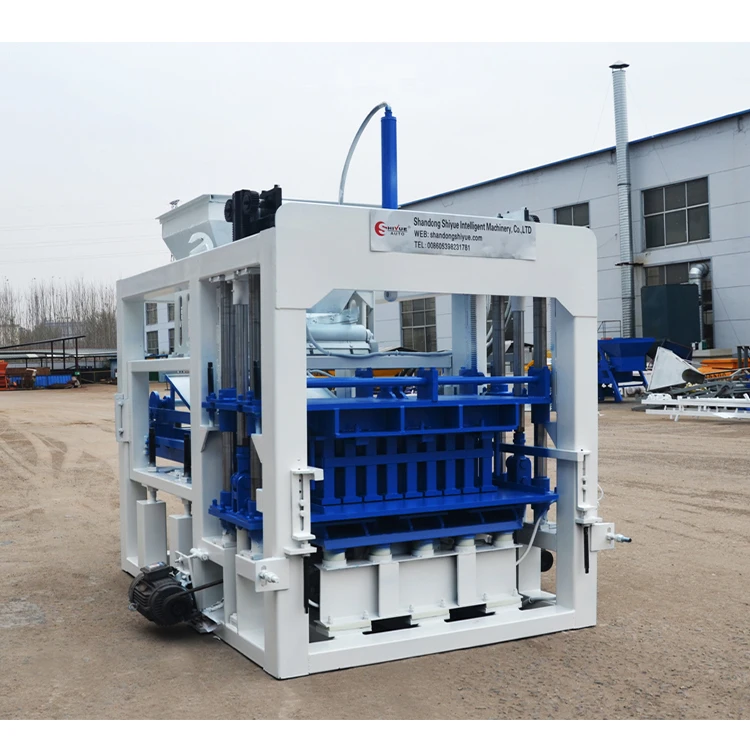
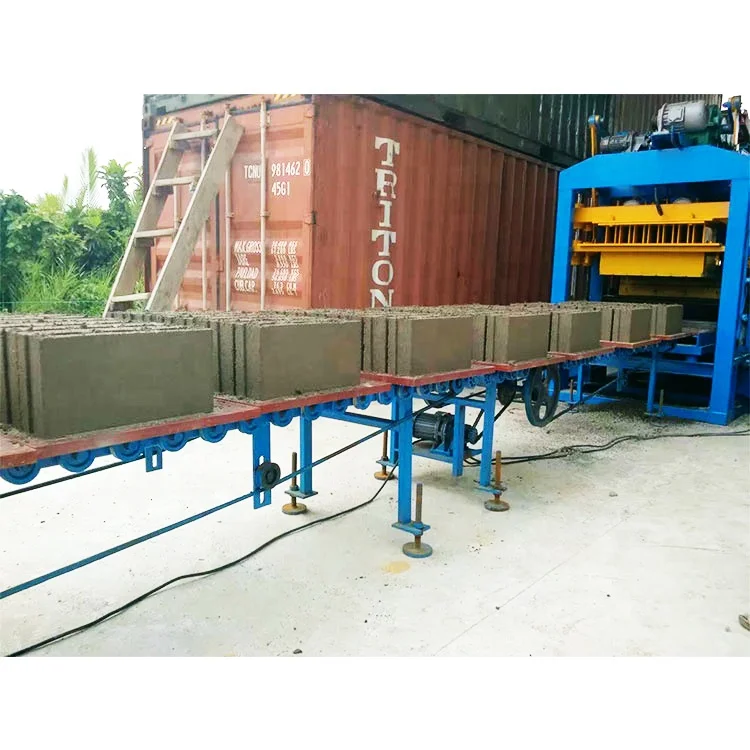
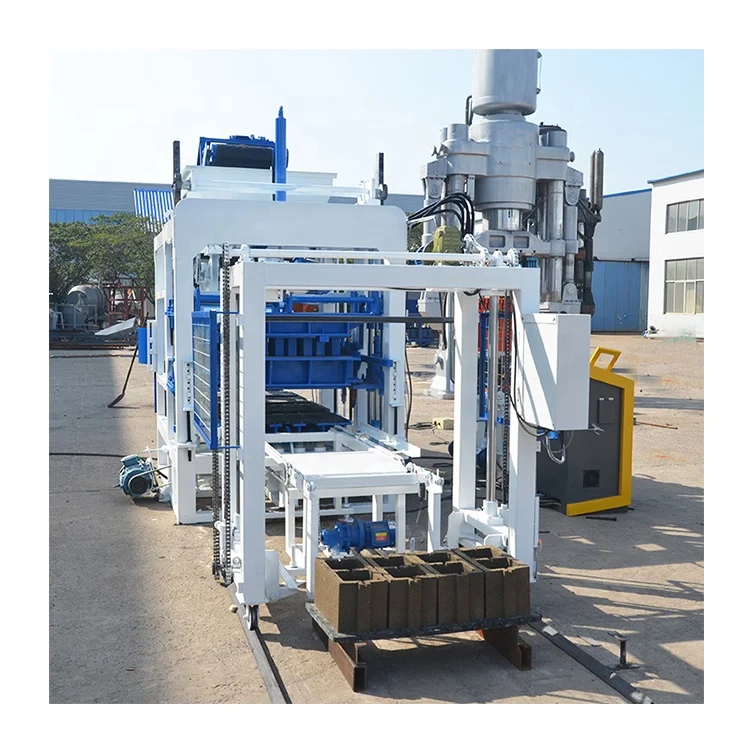
Matched system supply — every machine, mould and pallet is specified as one line from a single source, so the QTJ4-26 block machine for sale arrives configured for your actual product rather than assembled from catalogue defaults.
Technical Specifications
| Parameter |
Value |
| Model |
QTJ4-26 |
| Product Type |
Semi-Automatic Concrete Block Making Machine |
| Overall Dimensions (L×W×H) |
2060×1700×2650 mm |
| Total Mass |
3600 kg |
| Rated Power |
12.75 kW |
| Main Vibration Form |
Platform Vibration |
| Rated Exiting Force |
35.5 kN |
| Vibration Frequency |
4200 r/min |
| Pallet Size |
900×450 mm |
| Molding Cycle |
26 s (basis not stated in source — confirm block format / material / thickness) |
| Demolding Method |
Vibration |
| Recommended Factory Area |
260 m² |
| Raw Material Compatibility |
Crushed stone, sand, cement, dust, fly ash, gravel, slag |
| Control System |
Basis to be confirmed (PLC / relay / manual panel) |
| Voltage & Frequency |
Configurable per destination market |
| Automation Level |
Semi-automatic |
| Warranty |
1 year (whole machine, excluding spare parts) |
Application Suitability
| Application |
Material or Output |
| Small-scale block production plants |
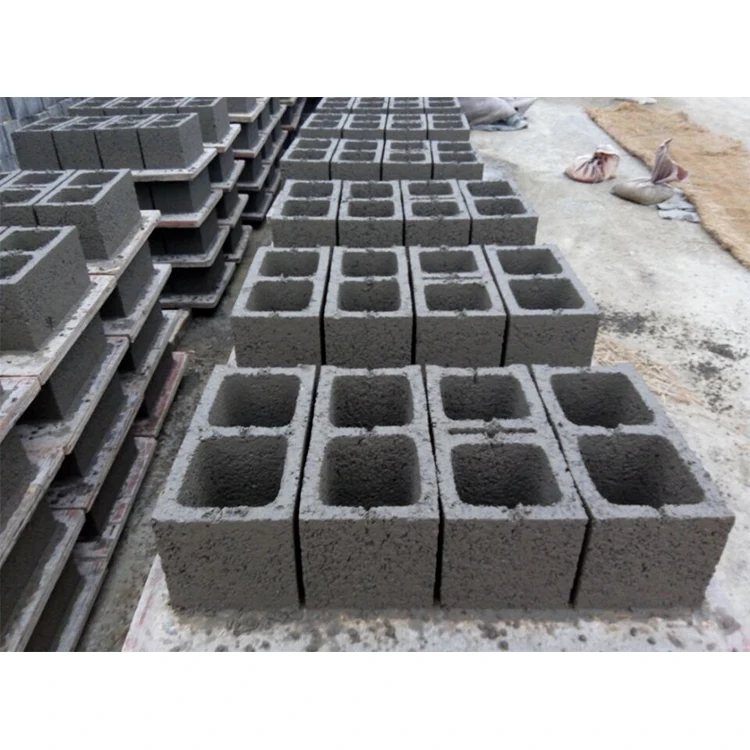
Hollow and solid blocks from crushed stone and cement |
| On-site contractor production |
Pavers and interlocking blocks for housing developments |
| First-time workshop setup |
Curbstone and colored pavers from sand and fly ash |
| Existing producers adding formats |
Interlocking bricks using gravel and slag blends |
What "One Cycle Every 26 Seconds" Actually Means for Your Output
Cycle time only matters when tied to the exact block format you intend to sell.
The QTJ4-26 block machine for sale lists a 26-second molding cycle, but that number shifts depending on whether you are pressing a standard hollow block, a dense paver, or a thin interlocking brick. Suppliers often quote cycles per hour based on their easiest format, leaving buyers to discover the real daily output only after the machine is running [NEED_CITE: block format impact on cycle time and daily throughput]. Matching the machine to your market starts with defining which format drives your revenue, then verifying the cycle against that specific product.

Where the QTJ4-26 Sits in a Full Machine Range
Buyers surveying a first block plant or a replacement unit need to see the tiers before committing capital. The QTJ4-26 occupies the entry tier, suited to workshops with a 260 m² footprint and a 12.75 kW electrical supply. It handles manual pallet feeding and platform vibration demolding, keeping initial investment and operator skill requirements modest. Stepping up the range introduces automatic pallet feeders, hydraulic pressure systems, and PLC-controlled stacking — each addition raising output, labour cost, and floor space in parallel.
Reading the Range Before Narrowing Down
A contractor producing blocks for a single housing project may never need the automatic tier, while a distributor supplying multiple block formats to a regional market will outgrow semi-automatic operation within months. The decision hinges on daily volume targets, the number of mould changes required per shift, and the curing infrastructure already in place [NEED_CITE: automation tier selection criteria for block production plants]. Placing your project on the right tier now prevents an early replacement cycle or an over-specified line that sits underutilized.
Vibration Force, Pallet Size and Power — What the Numbers Mean on the Floor
The 35.5 kN exiting force delivered through platform vibration at 4200 r/min compacts the concrete mix against the mould walls. Insufficient force leaves blocks friable; excessive force on a lean mix cracks edges before demolding. The 900×450 mm pallet must match the curing rack spacing and the forklift tine width already on site, otherwise blocks are restacked by hand before they cure. A 12.75 kW rated power draw means most small workshops can run the QTJ4-26 block machine for sale without a dedicated transformer upgrade, provided voltage and frequency are confirmed before build.
The Hidden Cost of Skipping Configuration Checks
A machine configured for a mix the buyer cannot source locally forces a material change that adds cost to every block produced. Pallet handling, stacking, and curing left out of the quotation shift labour from the machine back to the yard, erasing the throughput the buyer paid for. Voltage and control language confirmed after arrival delay commissioning while the electrical contractor rewires and the operator waits for a translated manual [NEED_CITE: common commissioning delays from unconfirmed voltage and PLC language].
Why Procurement Starts with a Matched System
Block machinery is our single focus, so the machine, mould, pallet and handling equipment are specified as one line rather than assembled from separate suppliers. Configuration is set against your local aggregate and target block format, not a catalogue default. Mould design covers the formats your market actually sells, including custom drawings. The automation level is selectable, letting a buyer start at the QTJ4-26 tier and upgrade later. Installation support includes operator training so the first production run is not a learning exercise on live orders.
Documentation & Verification
- Line layout stating the block format assumed for the 26 s cycle
- Machine spec sheet with voltage, frequency and control language locked to your market
- Pallet specification matched to your curing rack dimensions and forklift
- Mould drawing and format list for the block types your market sells
- Factory test record on your target mix before dispatch
Installation, Commissioning & Support
- 260 m² factory area with level concrete floor rated for 3600 kg static load
- 12.75 kW supply on a dedicated circuit with confirmed voltage and frequency
- Machine arrives assembled; platform vibration calibrated to your mix on site
- Control panel language set before shipment to avoid first-day delays
- Mould change procedure trained using your actual block format drawings
- Wear parts list supplied with first replacement intervals noted
Preparing Your Inquiry
Share the block format and dimensions that drive your sales volume, along with the daily output you need to meet. Confirm the raw materials available locally, the curing area you can allocate, and the electrical supply at the site. If you already operate pallets and forklifts, send those dimensions so the pallet specification aligns from day one.
Frequently Asked Questions
Q: How do I verify real daily output from the 26 s cycle for my target block format?
A: The 26-second cycle is a baseline that shifts with block thickness, mix density and mould design. Provide your target block dimensions and local aggregate type, and a capacity calculation will be prepared stating the exact format assumed, so the daily output figure reflects your product rather than a catalogue block.
Q: Where does the QTJ4-26 sit compared to semi-automatic and automatic tiers?
A: It occupies the entry tier with platform vibration, manual pallet handling and a compact 260 m² footprint. Semi-automatic tiers add powered pallet feeders; automatic tiers introduce PLC control, stacking and cubing. The right tier depends on your daily volume and how many formats you run per shift.
Q: Is the 900×450 mm pallet size compatible with my existing curing racks and forklift?
A: Pallet dimensions must match rack spacing and forklift tine width to avoid manual restacking. Share your current curing rack drawings and forklift model, and the pallet specification will be confirmed or adjusted before the QTJ4-26 block machine for sale enters production.
Q: What voltage and control language will be configured before shipment?
A: Voltage, frequency and control panel language are confirmed during the proposal stage and locked before build. This prevents commissioning delays caused by rewiring or untranslated interfaces once the machine arrives at your site.
Q: What plant footprint and utility connections does this machine require?
A: The QTJ4-26 needs approximately 260 m² including mixing, pressing and pallet staging areas. A dedicated circuit delivering 12.75 kW at your local voltage and frequency is required. Floor loading must support 3600 kg plus dynamic vibration loads.

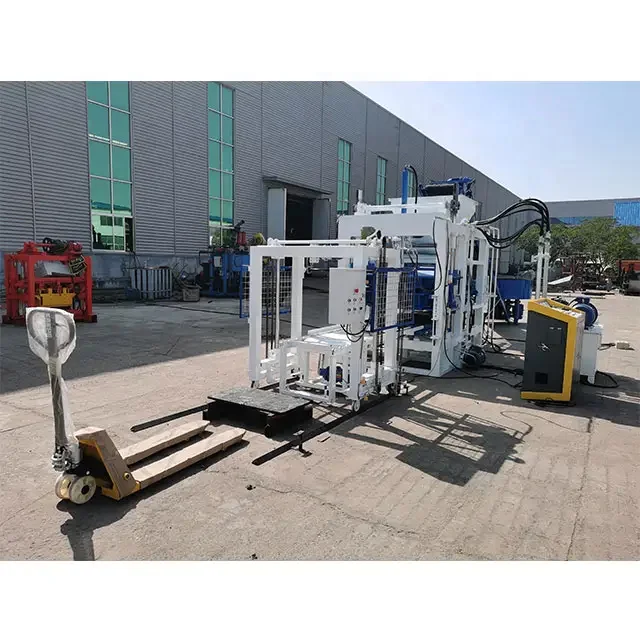 Automatic block machine