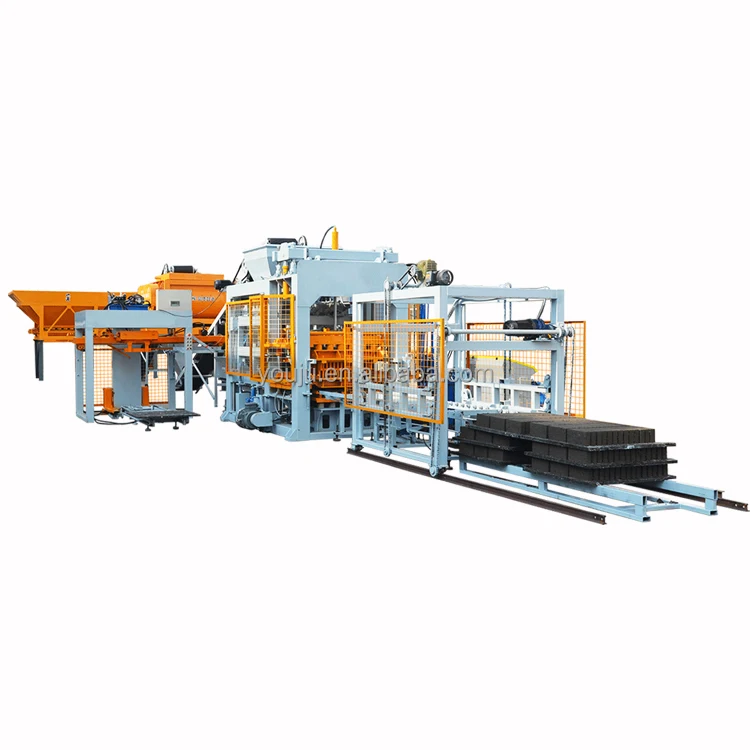
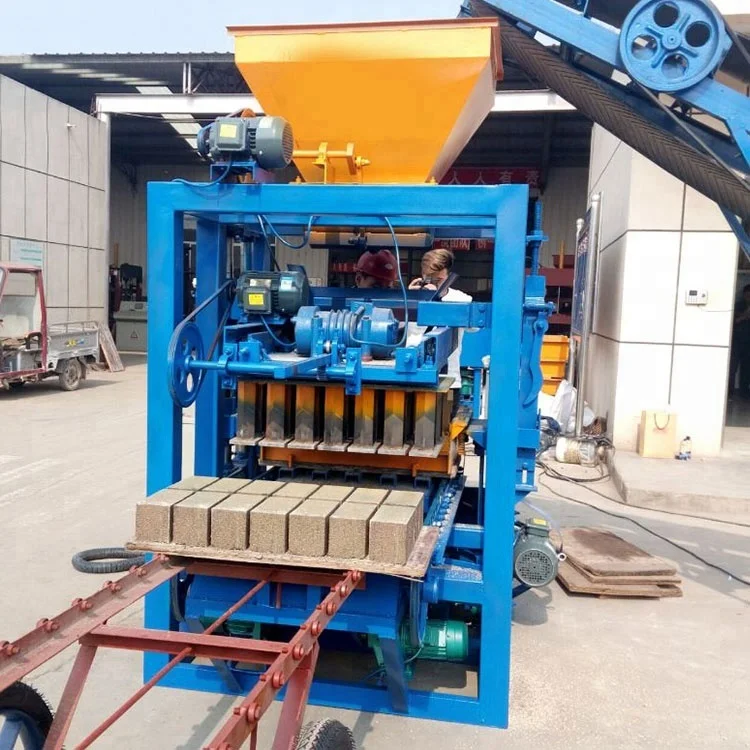
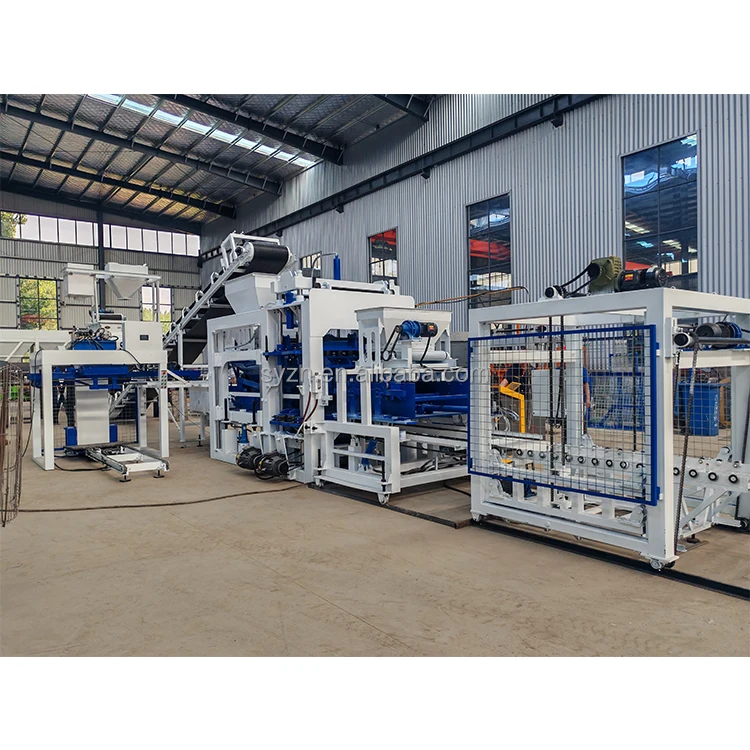
Matched System Sizing — every QT8-15 quotation specifies the block format, pallet, and handling gear as one calculated line rather than a standalone press
Technical Specifications
| Parameter |
Value |
| Model |
QT8-15 |
| Product Type |
Hydraulic Concrete Block Making Machine |
| Overall Dimensions (L×W×H) |
8300×1860×3000 mm |
| Rated Hydraulic Pressure |
21 MPa |
| Main Vibration Form |
Platform Vibration |
| Vibration Frequency |
2800–4500 r/min |
| Vibration Force |
45 kN |
| Pallet Size |
950×900 mm |
| Molding Cycle |
15–20 s (basis not stated in source — confirm block format / material / thickness) |
| Overall Power |
55.5 kW |
| Total Mass |
8 T |
| Demolding Method |
Hydraulic |
| Recommended Factory Area |
300 m² |
| Raw Materials |
Crushed stone, sand, cement, dust, fly ash, gravel, slag |
| Applied Products |
Concrete blocks, hollow/solid blocks, pavers, interlocking blocks, curbstone, colored pavers |
| Control System |
PLC (configuration to be confirmed) |
| Voltage & Frequency |
Configurable (verify against target market) |
| Warranty |
1 year (whole machine, excluding spare parts) |
| Loading |
1×40HQ container (basic equipment) |
Application Suitability
| Application |
Material or Output |
| Standard hollow block production |
Crushed stone, sand, cement blends |
| Solid load-bearing block manufacturing |
Gravel, fly ash, cement mixes |
| Interlocking paving block runs |
Fine aggregate with colored face mix |
| Road kerbstone and curb production |
High-strength concrete with slag or dust |
| Porous and permeable paver lines |
Open-graded aggregate, cement binder |
Where Does "Cycles Per Hour" Leave Out the Block Format?
Output claims mean little until tied to a specific block size and mix design.
Catalogs frequently quote the QT8-15 in cycles per minute or pieces per shift without stating whether that figure assumes a standard 400×200×200 mm hollow block, a thin paver, or a tall kerbstone. When the actual format differs, real daily output falls noticeably short of expectation. I once saw a buyer in West Africa plan an entire project timeline around a quoted daily figure, only to discover on arrival that the number assumed a block format his market did not purchase [NEED_CITE: block format assumptions in capacity quotations]. Sizing a hydraulic concrete block making machine manufacturer offer against your real product list, not a generic benchmark, prevents this mismatch from reaching your site.

How the QT8-15 Fits the Full Shiyue Range
The QT8-15 occupies the mid-to-high tier of the Shiyue lineup, positioned between the smaller semi-automatic workshop machines and the large fully automatic lines. For buyers surveying options, this model represents a step up in pallet size and vibration force without requiring the footprint of a high-capacity plant. Choosing where to sit on this range determines not only the press itself but the supporting feeders, stackers, and curing rack systems that follow.
Positioning Before You Price
Before narrowing down, a buyer should map the intended daily output, the block formats the local market actually sells, and the available site area against each tier in the range. The QT8-15 and its 300 m² recommended factory area suit operations that have outgrown mobile egg-laying machines but are not yet ready for a continuous automatic cubing line. Understanding this placement helps avoid over-investing in automation that the project volume cannot justify, or under-investing and facing a bottleneck within the first year [NEED_CITE: plant capacity planning for concrete block production].
Reading the Specs That Shape Daily Output
The 21 MPa rated hydraulic pressure working together with 45 kN platform vibration determines the green density of every block leaving the mould. Higher compaction yields stronger blocks but demands a mix design that flows correctly under that force; a dry mix suited to a lower-pressure machine may not fill the mould evenly here. The 950×900 mm pallet size sets the maximum mould footprint and must match the curing racks and forklifts already on site. The 55.5 kW overall power rating covers the press, feeder, and basic handling stations running as one system, so a buyer planning additional conveyors should confirm electrical headroom. Vibration frequency adjustable between 2800 and 4500 r/min allows tuning for different aggregate gradations — coarser crushed stone generally needs the lower end of that band, while fine sand and fly ash blends respond better at higher frequency.
The Cost of Skipping the Line-Level View
Treating the press as an isolated purchase leaves gaps that surface during commissioning. If the pallet feeder cannot match the 15–20 s molding cycle, the press sits idle between strokes and the quoted output disappears. If the mixer delivers inconsistent moisture, vibration force alone cannot rescue block density. Buyers who source the press, mixer, and stacker from separate suppliers often discover that the interfaces — electrical signals, pallet dimensions, conveyor heights — were never coordinated [NEED_CITE: integration challenges in multi-supplier block lines].
Why Source the QT8-15 Through Shiyue
Block machinery is the single focus here, so the press, mould, pallet, and handling gear are specified as one matched system. Configuration starts from the buyer’s actual mix design and local aggregate rather than a default catalog setting. Mould design covers the formats the local market sells, with custom drawings available when standard options do not match. The automation level is selectable, meaning a buyer can begin with semi-automatic pallet handling and add stacking or cubing modules as volume grows. Installation includes on-site commissioning and operator training so the line runs correctly from the first production shift.
Documentation & Verification
- Line layout and capacity calculation stating the block format assumed for every output figure
- Machine specification sheet confirming voltage, frequency, and PLC display language before production
- Mould drawing and format list matched to the 950×900 mm pallet and target block range
- Hydraulic and electrical schematics for local maintenance teams
- Factory test record and packing photographs reviewed before container loading
Installation, Commissioning & Support
- Foundation plan sized for the 8 T total mass and 8300 mm machine length
- Dedicated power circuit confirmed for the 55.5 kW overall load at the buyer’s local voltage
- Equipment dismantled for 1×40HQ loading, reassembled and leveled on site
- Mould fitted, vibration frequency tuned to the buyer’s aggregate during first production run
- Operator training covers PLC navigation, mould change procedure, and daily lubrication points
- Wear parts list with hydraulic seals and mould liners identified for first reorder
What to Prepare Before Requesting a Quote
To position the QT8-15 correctly within the range, share the target block formats and dimensions your market requires, the daily volume you plan to sustain, and the raw materials available locally including aggregate type and cement grade. Note the voltage and frequency at your site, the PLC display language your operators need, and whether existing curing racks or forklifts constrain the pallet size. If you are comparing tiers, mention the site area and headroom you can allocate.
Frequently Asked Questions
Q: Where does the QT8-15 sit in the full Shiyue block machine range?
A: It occupies the mid-to-high tier, above small semi-automatic workshop machines and below the large fully automatic lines. The 950×900 mm pallet and 45 kN vibration force suit buyers who need consistent output across several block formats but do not yet require continuous automatic cubing. It bridges the gap between startup-scale equipment and high-capacity plant installations.
Q: How do I verify real daily output for the block format I actually sell?
A: Request a capacity calculation document that states the specific block format, dimensions, and mix design assumed for every output figure. A cycle time of 15–20 s produces very different daily totals for a hollow block versus a thin paver. The quotation should reflect your format, not a generic catalog benchmark.
Q: What plant footprint should I expect at the QT8-15 tier?
A: The recommended factory area is approximately 300 m² for the press and basic handling stations. Add space for raw material storage, curing racks, and finished block yard. Compared to a mobile egg-laying machine that needs only an open slab, the QT8-15 requires a covered building with a prepared foundation, but far less room than a fully automatic cubing line.
Q: Can I start semi-automatic and add automation later?
A: Yes. The QT8-15 configuration allows starting with manual pallet handling and basic feeding, then adding automatic stacking or cubing modules as volume grows. The PLC and mechanical interfaces are designed to accept these additions without replacing the core press, protecting your initial investment while leaving room to scale.
Q: What supporting equipment is included versus sourced separately?
A: The quotation scope varies by configuration. Typically the press, mould, and pallets are included, while the mixer, batcher, and advanced stacker may be line items to confirm. Always check whether raw material feeding, pallet circulation, and curing rack handling appear in the document or are listed as buyer-supplied.

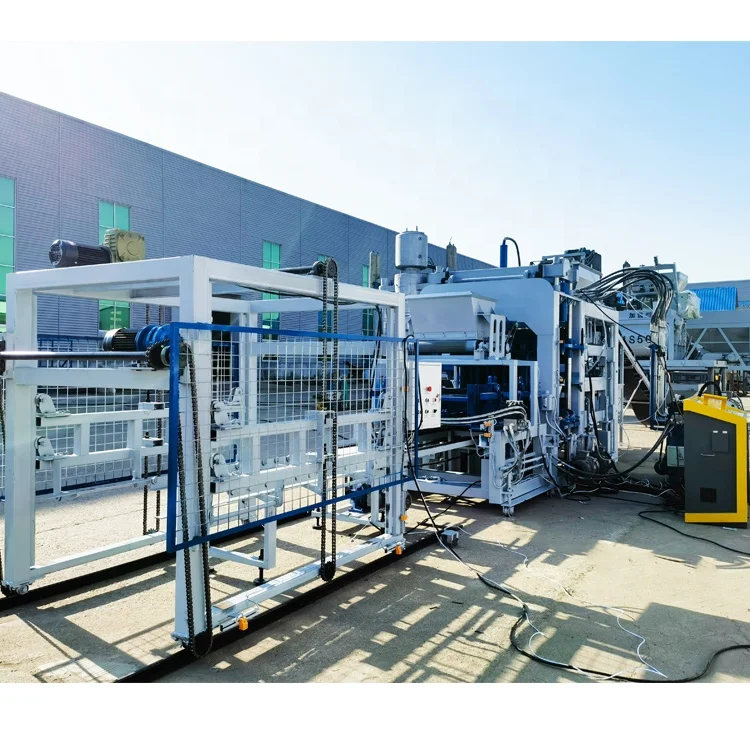
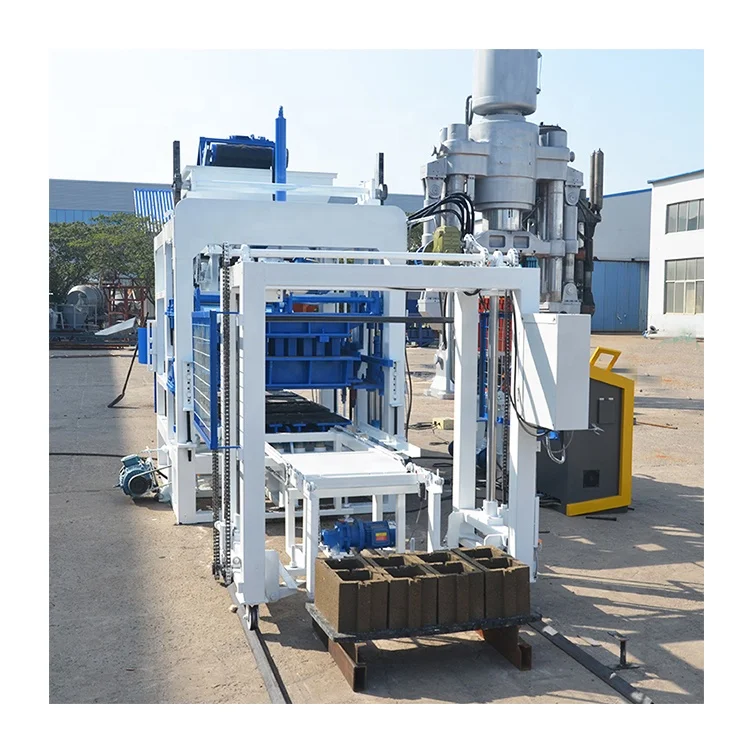 Automatic block machine