Integrated System Approach — Block machinery as a single focus, so the QT7-15 QT7-15 automatic block machine manufacturer and its mould, pallet and handling equipment are specified as one matched system rather than assembled from separate suppliers, eliminating the mismatched component failures that plague multi-vendor lines.
Technical Specifications
| Parameter |
Value |
| Model |
QT7-15 |
| Product Type |
Full Automatic Concrete Block Making Machine |
| Pallet Size |
1150×700 mm |
| Vibration Force |
100 kN |
| Vibration Frequency |
0-60 Hz |
| Vibration Form |
Platform Vibration |
| Overall Power |
45 kW |
| Total Mass |
8 T |
| Demolding Method |
Hydraulic |
| Control System |
PLC with touch screen interactive interface |
| Automation Level |
Full Automatic |
| Molding Cycle (Hollow block) |
15-20 s (basis not stated in source — confirm block format / material / thickness) |
| Molding Cycle (Paving brick) |
20-25 s |
| Output Capacity (400×200×200 mm hollow block) |
1260-1680 pcs/h, 10080-13440 pcs/8 hr |
| Output Capacity (400×150×200 mm hollow block) |
1440-1920 pcs/h, 11520-15360 pcs/8 hr |
| Output Capacity (200×100×60 mm paving brick) |
3888-4860 pcs/h, 31104-38880 pcs/8 hr |
| Component Composition |
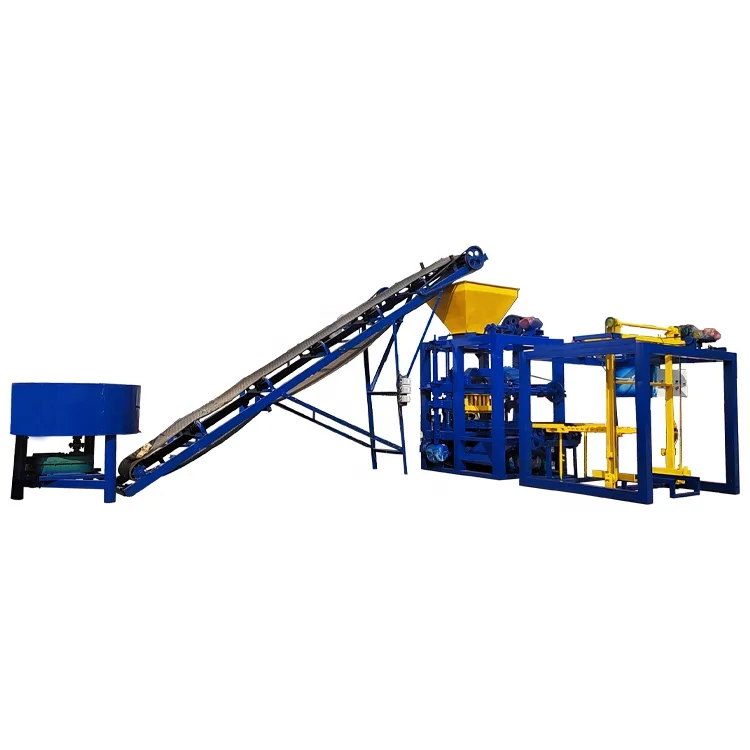
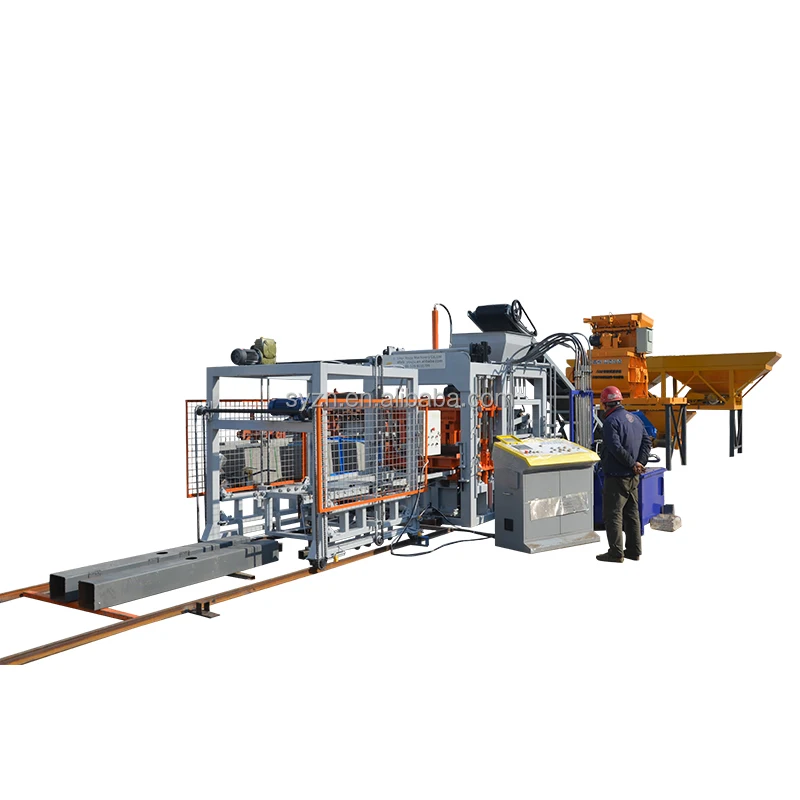
Pallet feed machine, block making machine, storage hopper, conveyor, hydraulic unit, PLC control cabinet |
Application Suitability
| Application |
Material or Output |
| Hollow block production (400×200×200 mm) |
Crushed stone, cement, sand, water mix |
| Hollow block production (400×150×200 mm) |
Lightweight aggregate or standard concrete mix |
| Rectangular paving brick (200×100×60 mm) |
High-density concrete for interlocking pavement |
| Multi-cellular and standard bricks |
Cement-based mixtures with local aggregate |
| On-site construction block production |
Housing project contractors producing locally |
| Concrete product range expansion |
Manufacturers adding hollow block and paver formats |
What "1260 Pieces Per Hour" Actually Means for Your Plant
The QT7-15 QT7-15 automatic block machine manufacturer delivers 1260-1680 hollow blocks per hour only when running 400×200×200 mm format — switch to paving bricks and the cycle time extends to 20-25 seconds.
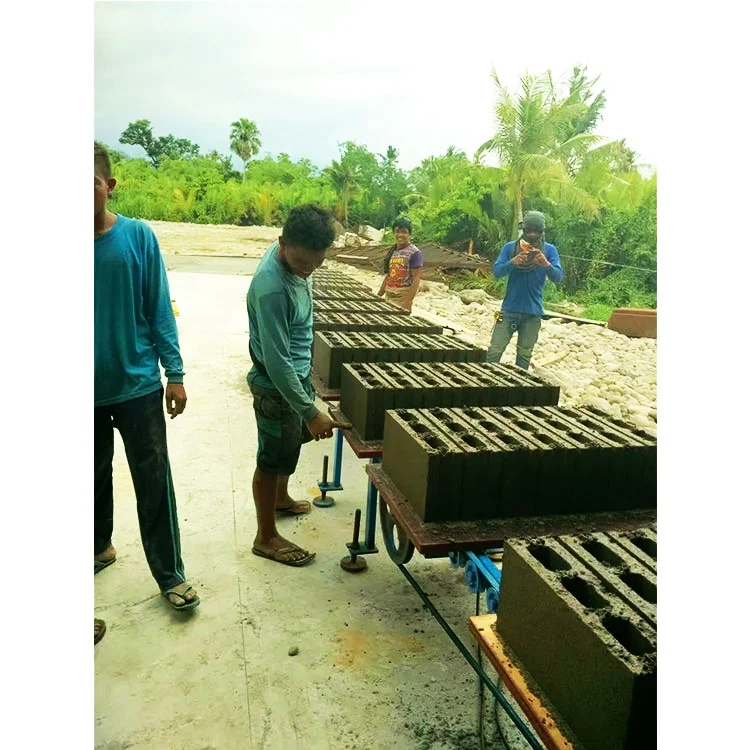
I’ve watched buyers commit to machines based on peak cycle numbers that assumed a single block format. The reality on site: you’re running hollow blocks in the morning, pavers after lunch, and the quoted output drops by half. One contractor in the Philippines ordered equipment rated for high throughput, only to discover the figure assumed solid blocks his market didn’t buy. The daily tally fell far short of the business plan, and the curing area sat half-empty while the press waited on pallets. [NEED_CITE: capacity calculation assumptions in block machinery quotations]

Placing the QT7-15 Within Your Production Tier Options
Buyers evaluating their first block plant or replacing aging equipment need to know where this QT7-15 automatic block machine manufacturer sits on the investment spectrum. The full automatic tier occupies the middle-to-upper ground: higher output than semi-automatic models that require manual pallet handling, yet more compact than high-capacity lines with separate curing rack systems and automatic cubing. The 1150×700 mm pallet size positions it for medium-format production, suitable for contractors who need hollow blocks and pavers without dedicating an entire warehouse to curing space.
Matching Automation Level to Your Labour Situation
The full automatic configuration removes the operator from pallet feeding, block ejection and basic stacking decisions. In markets where skilled press operators are scarce or where labour costs have risen sharply, this matters more than raw cycle speed. The PLC control with touch screen interface stores process parameters, meaning a less experienced operator can run consistent batches after initial commissioning. Semi-automatic alternatives demand more hands on the floor but reduce the initial investment, making them viable where labour remains affordable and operator experience is available locally. [NEED_CITE: automation adoption trends in Southeast Asian block production]
Understanding the Vibration and Pressure Combination
The 100 kN vibration force working with adjustable frequency from 0-60 Hz determines how densely the concrete mix compacts within the mould cavity. Platform vibration transmits energy through the pallet into the mix, consolidating aggregate particles before hydraulic pressure completes the demolding sequence. For hollow blocks, insufficient vibration leaves weak corners and porous walls; for paving bricks, the higher density requirement means the full vibration range must be available. The 45 kW overall power supports both the vibration motors and hydraulic pump simultaneously, preventing the power dips that cause inconsistent block dimensions when the press cycles.
The Hidden Cost of Unmatched Pallet and Curing Specifications
Pallet size chosen without regard to the curing area and forklift the buyer already has creates downstream bottlenecks. I’ve seen plants where the 1150×700 mm pallets arrived but the existing forklift forks were spaced for 1000×600 mm boards, requiring new equipment or manual handling that negated the automation advantage. Curing rack spacing must match pallet dimensions exactly; otherwise, you’re stacking blocks by hand or leaving gaps that waste floor space. Voltage and PLC language confirmation delays commissioning — one installation sat idle for weeks because the control display defaulted to a language the operators couldn’t read. [NEED_CITE: common commissioning delays in exported block machinery]
Why This Supplier Configuration Approach Differs
Block machinery as a single focus means the QT7-15 automatic block machine manufacturer arrives with mould, pallet and handling specified as one matched system. Configuration is set against the buyer’s actual mix design, local aggregate and target block format rather than a catalogue default. Mould design covers the formats the buyer’s market actually sells, with custom drawings available for non-standard dimensions. Automation level remains selectable, allowing a buyer to start with the full automatic tier and understand where future expansion connects. Installation includes operator training so the PLC parameters and mould change procedures transfer to your team before the commissioning engineer departs.
Documentation & Verification
- Line layout and capacity calculation stating the block format assumed for each output tier
- Machine specification sheet with pallet size, vibration force, cycle time and total power confirmed per model
- Mould drawing and format list matching the buyer’s target market product dimensions
- Voltage, frequency and PLC display language confirmation documented before production release
- Factory test record on buyer’s specified block format before dispatch
- Hydraulic and electrical schematic for local maintenance team reference
Installation, Commissioning & Support
- Foundation requirements based on 8 T total mass and vibration isolation needs for the 100 kN platform system
- Electrical supply verification for 45 kW overall power demand with dedicated circuit for vibration motors
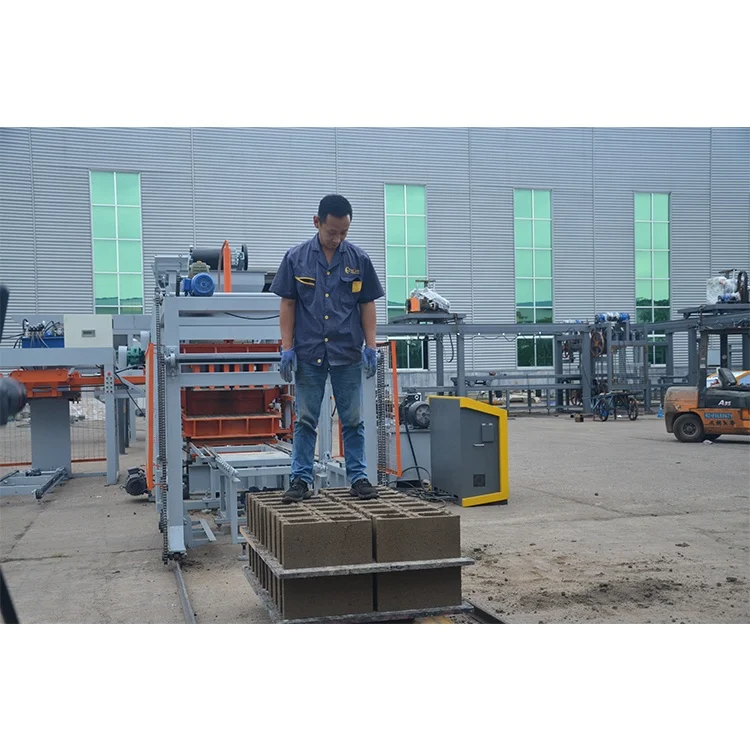
- Component arrival in dismantled state with pallet feed, press and hydraulic unit requiring on-site assembly
- PLC parameter setup and touch screen language configuration during commissioning to match operator requirements
- Mould change procedure training covering hydraulic release and format switching for multiple block types
- Wear parts list for hydraulic seals and vibration components with recommended local sourcing options
Information Needed for Accurate Configuration
Provide your target block formats with exact dimensions, daily output requirement per format, local aggregate type and source, available curing area dimensions, and existing voltage supply specifications. Confirm the PLC display language your operators need and whether you have forklifts sized for 1150×700 mm pallets. This information allows the QT7-15 automatic block machine manufacturer proposal to state realistic capacity per format rather than peak cycle assumptions.
Frequently Asked Questions
Q: How does the QT7-15 automatic tier compare to semi-automatic and mobile machines?
A: The full automatic configuration handles pallet feeding and block ejection without operator intervention, delivering higher consistent output than semi-automatic models that require manual pallet handling. Mobile machines produce blocks on-site without a fixed plant but at lower volume. The QT7-15 sits between these tiers, suitable for established plants needing format flexibility and daily volumes in the 10,000+ hollow block range.
Q: What block formats can the QT7-15 produce with realistic daily output?
A: The machine produces 400×200×200 mm hollow blocks at 10080-13440 per 8-hour shift, 400×150×200 mm hollow blocks at 11520-15360 per shift, and 200×100×60 mm paving bricks at 31104-38880 per shift. Cycle times vary by format, so switching products mid-shift affects total daily tally. Mould availability and change time determine how many formats you run per day.
Q: What plant footprint and curing area does this machine require?
A: The 1150×700 mm pallet size determines curing rack spacing and floor area needed for blocks awaiting strength development. Total plant footprint includes raw material storage, the press itself, pallet return system and curing zone. Confirm your existing forklift dimensions match the pallet size before ordering to avoid manual handling bottlenecks.
Q: Can I start with the QT7-15 and add automation or formats later?
A: The automation level allows starting with the full automatic tier and understanding where future expansion connects. Additional moulds for new block formats can be designed to buyer drawings and integrated with the existing PLC program. Hydraulic and vibration systems accommodate multiple mould sizes within the pallet dimension constraint.
Q: What voltage and PLC language options are available?
A: Voltage and frequency must be confirmed before production to match local supply standards. The PLC touch screen interface supports multiple language options for operator familiarity. Confirming these specifications upfront prevents commissioning delays where the control display defaults to an unreadable language or the electrical supply cannot support the 45 kW demand.

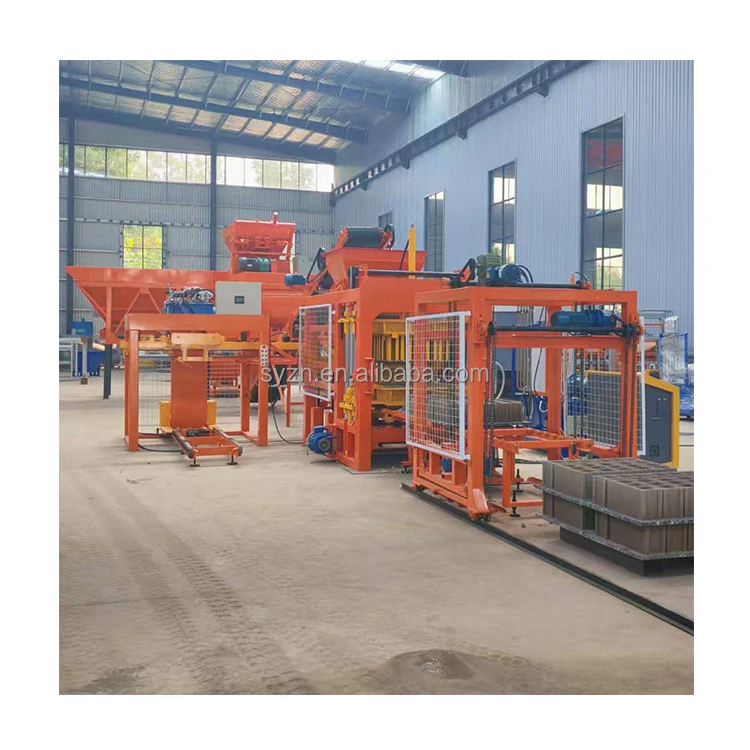 High quality block machine