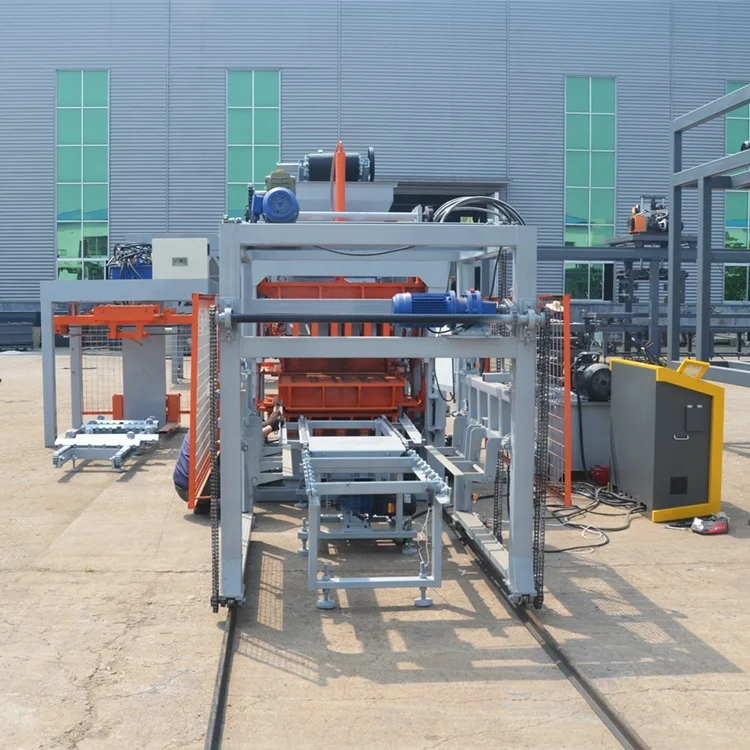
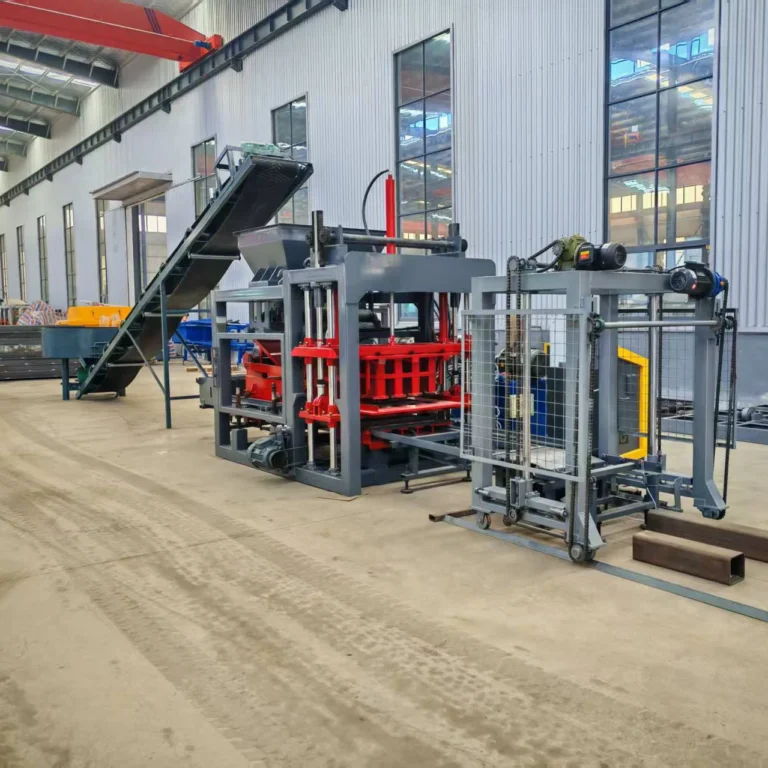
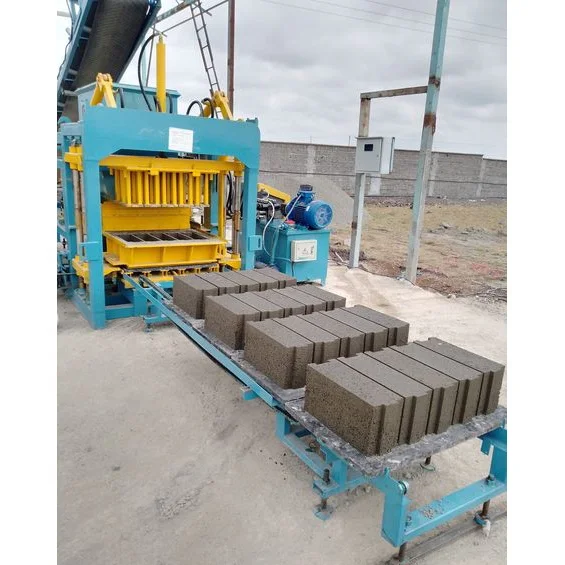
Matched System Design — Every QT6-15 hydraulic block machine shipment leaves our Linyi factory with the pallet size, mould format, and handling stations specified together, not sourced separately and forced to fit on arrival.
Technical Specifications
| Parameter |
Value |
| Model |
QT6-15 |
| Product Type |
Hydraulic Block Making Machine |
| Overall Dimensions (L×W×H) |
8200×1700×2950 mm |
| Total Mass |
7 T |
| Overall Power |
37 kW |
| Vibration Force |
45 kN |
| Vibration Frequency |
0–60 Hz (adjustable) |
| Vibration Form |
Platform Vibration |
| Moulding Mode |
Load automatically, vibration moulding |
| Demolding Method |
Hydraulic |
| Pallet Size |
880×850 mm |
| Molding Cycle |
15–20 s (basis not stated in source — confirm block format / material / thickness) |
| Factory Area |
1200 m² |
| Control System |
PLC (Programmable Controller) with touch screen |
| Output Capacity (Hollow block 400×200×200 mm) |
1080–1440 pcs/hour, 8640–11520 pcs/8hr |
| Output Capacity (Hollow block 400×150×200 mm) |
1440–1920 pcs/hour, 11520–15360 pcs/8hr |
| Output Capacity (Solid brick 240×115×53 mm) |
5760–7680 pcs/hour, 46080–61440 pcs/8hr |
| Output Capacity (Rectangular brick 200×100×60 mm) |
2160–2880 pcs/hour (cycle 20–25 s), 17280–23040 pcs/8hr |
| Output Capacity (Zigzag brick 225×112.5×60 mm) |
2160–2880 pcs/hour (cycle 20–25 s), 17280–23040 pcs/8hr |
| Block Compressive Strength |
More than 15 MPa |
| Raw Material Adaptability |
Waste ash, slag, and various aggregates |
| Automation Level |
Full automatic (PLC controlled, intelligent electronic control) |
| Fault Diagnosis |
Integrated in PLC system |
| Hydraulic Station |
Independent integrated type |
| Voltage & Frequency |
Configurable to buyer site (confirm before order) |
| PLC Language Options |
Configurable (confirm before order) |
| Warranty |
1 year for the whole machine (excluding spare parts) |
| Standards |
CE (specific certification for this model to be confirmed) |
Application Suitability
| Application |
Material or Output |
| Hollow block production for masonry walls |
Crushed stone, cement, sand, and fly ash blends targeting 400×200×200 mm or 400×150×200 mm formats |
| Solid brick manufacturing for load-bearing structures |
Cement and fine aggregate mixes forming 240×115×53 mm standard bricks |
| Paving brick production for walkways and driveways |
Coarse aggregate and cement combinations for 200×100×60 mm rectangular or 225×112.5×60 mm zigzag formats |
| On-site block making for housing projects |
Local aggregates, waste ash, and slag processed into hollow blocks at the construction location |
| Format expansion for existing concrete product plants |
Quick mould change capability allowing producers to add new brick or paver formats to their current range |
What "15 Seconds per Cycle" Actually Means for Your Daily Output
Cycle time only matters when tied to a specific block format and the mould installed on the press.
I spent years commissioning block lines across Southeast Asia, and the most common argument on site was about output numbers that never materialized. A supplier quotes a cycle time of 15 to 20 seconds, and the buyer does the math: divide 3600 by 15, multiply by the number of blocks per mould, and project a shift output that looks impressive on paper. Then the machine arrives, the first mould gets installed, and the real cycle stretches because the mix design needs longer vibration, or the pallet indexing adds seconds nobody accounted for. [NEED_CITE: block cycle time variables including mix consistency and pallet indexing delay]
The QT6-15 hydraulic block machine manufacturer documentation we issue lists output per format — hollow block at 400×200×200 mm yields 1080 to 1440 pieces per hour, while a 400×150×200 mm hollow block pushes that to 1440 to 1920 pieces per hour — so the buyer can see exactly which block size each capacity figure assumes.
Where the QT6-15 Sits Across the Full Shiyue Range
The Shiyue lineup spans mobile egg-laying machines at the entry level, semi-automatic static presses for smaller plants, and fully automatic lines with stacking and cubing at the upper end. The QT6-15 occupies the mid-to-upper tier of the fully automatic segment, meaning it pairs the PLC-controlled press with automatic pallet feeding, vibration moulding, and hydraulic demolding as one integrated system. Buyers stepping up from a semi-automatic press find the transition manageable because the control logic and mould interface follow the same conventions used on the smaller machines in the range.
Automation Tiers and How They Connect to Your Plant Layout
Choosing an automation level is not simply about the press itself — it is about every station around it. A fully automatic QT6-15 line includes raw material feeding, mixing, pallet circulation, and output handling, and each station must keep pace with the press cycle so the machine is never left waiting for a pallet or a fresh batch. [NEED_CITE: block production line station synchronization and bottleneck analysis] When a buyer later decides to add automatic stacking and cubing, the PLC architecture on the QT6-15 already accommodates those modules, so the upgrade is an extension of existing control logic rather than a full rewiring exercise.
Reading the Numbers That Define Moulding Performance
The 45 kN vibration force and adjustable 0–60 Hz frequency on the QT6-15 are not standalone figures — they work together with the hydraulic demolding pressure to determine block density and surface finish. A higher frequency with moderate force suits thin pavers where surface texture matters, while lower frequency with sustained force produces denser hollow blocks for structural use. The 880×850 mm pallet size dictates the maximum mould footprint and must align with the curing racks and forklifts already in the buyer’s yard; specifying a pallet that does not match existing handling equipment creates a bottleneck the press itself cannot solve. The 37 kW overall power draw determines the dedicated circuit and transformer capacity the site must provide before installation day. Independent integrated hydraulic station placement keeps the valve bank and pump isolated from platform vibration, reducing hose fatigue and seal wear over extended production runs.
The Downtime Cost of Skipping Voltage Confirmation Before Shipment
I once watched a container arrive in the Philippines carrying a fully automatic line configured for 380V/50Hz. The site supply was 440V/60Hz. The moment the main breaker closed, the PLC power module and the variable frequency drive board failed simultaneously. Three weeks of air-freight lead time for replacement boards, a crew of masons standing idle, and a project contractor calling me every morning before dawn. [NEED_CITE: industrial equipment voltage mismatch failure modes in export markets] That single oversight cost more than the entire electrical panel was worth. Now every QT6-15 order goes through a written voltage and frequency confirmation step, cross-checked against a photo of the buyer’s actual distribution board, before the wiring harness is cut.
Why Buyers Source This Machine Through Shiyue
Block machinery is our single focus, which means the QT6-15 press, its moulds, pallets, and handling equipment are specified as one matched system rather than assembled from separate suppliers who never spoke to each other. Configuration starts from the buyer’s actual mix design, local aggregate, and target block format — not a catalogue default that assumes a material the buyer cannot source. Mould design covers every format the buyer’s market demands, including custom drawings when a standard mould does not exist. Automation level is selectable, so a buyer can commission the QT6-15 in semi-automatic mode and upgrade pallet handling and stacking as volume grows. Installation support includes on-site commissioning and operator training, ensuring the crew understands cycle parameters and mould change procedure from the first shift.
Documentation & Verification
- Line layout drawing showing each station footprint and pallet circulation path for the QT6-15 configuration
- Capacity calculation sheet stating the exact block format and cycle assumption behind each output figure
- Mould drawing and format list confirming cavity count and brick dimensions before production
- Voltage, frequency, and PLC display language confirmation sheet signed off before wiring begins
- Factory test record with photographs documenting the QT6-15 running on the buyer’s specified block format
- Packing photographs and customs documentation support for container loading verification
Installation, Commissioning & Support
- Foundation plan referencing the 8200×1700 mm footprint and 7 T mass for reinforced slab design
- Dedicated 37 kW circuit specification with breaker rating matched to the confirmed voltage and frequency
- Dismantling and reassembly sequence for container loading and on-site reconstruction of the QT6-15
- PLC parameter setup covering cycle timing, vibration frequency, and hydraulic pressure for the first mould installed
- Operator training on mould change procedure, pallet loading, and fault diagnosis via the touch screen interface
- Wear parts and mould inventory list identifying items to stock before the first scheduled replacement
What to Include with Your Inquiry
Send us your target block formats with dimensions, the daily output you need per format, and the local aggregate and cement types available at your site. Include a photo of your main distribution board showing voltage and frequency, along with the pallet dimensions your existing curing racks and forklifts can handle. If you already operate upstream mixing or downstream stacking equipment, tell us the make and model so we can confirm integration points before quoting the QT6-15 hydraulic block machine line.
Frequently Asked Questions
Q: How is the QT6-15 daily output calculated, and which block format does each figure assume?
A: Every output figure in our specification sheet is tied to a named block format and its corresponding moulding cycle. Hollow block 400×200×200 mm is rated at 1080–1440 pieces per hour, while solid brick 240×115×53 mm reaches 5760–7680 pieces per hour. We state the assumption openly so you can compare against your actual product mix instead of relying on a single headline number.
Q: Where does the QT6-15 sit compared to semi-automatic and higher-tier automatic models?
A: The QT6-15 is positioned in the mid-to-upper tier of the fully automatic range, above semi-automatic presses and below the highest-capacity lines. It delivers full PLC control with automatic pallet feeding and hydraulic demolding. Buyers can start with this model and add stacking or cubing modules later without replacing the core press or control system.
Q: What plant footprint does the QT6-15 line require including curing and stacking space?
A: The press itself operates within an 8200×1700 mm footprint, but the complete line including raw material feeding, mixer, pallet circulation, and curing rack area typically needs around 1200 m². The exact layout depends on your block format, curing method, and whether stacking is manual or automatic. We provide a scaled line drawing with every proposal.
Q: Can I start semi-automatic and upgrade to full automatic stacking later?
A: Yes. The QT6-15 PLC architecture supports modular additions. You can commission the line with manual pallet handling and output stacking, then add automatic stacker and cubing stations as your volume justifies the investment. The control system accommodates these upgrades without requiring a complete PLC replacement.
Q: What voltage, frequency, and PLC language options are available for my market?
A: Voltage and frequency are configured to match your site supply before production begins, and PLC display language is set to your preference. We require written confirmation and a photo of your distribution board to verify these details, preventing the commissioning delays that occur when electrical specifications are assumed rather than confirmed.

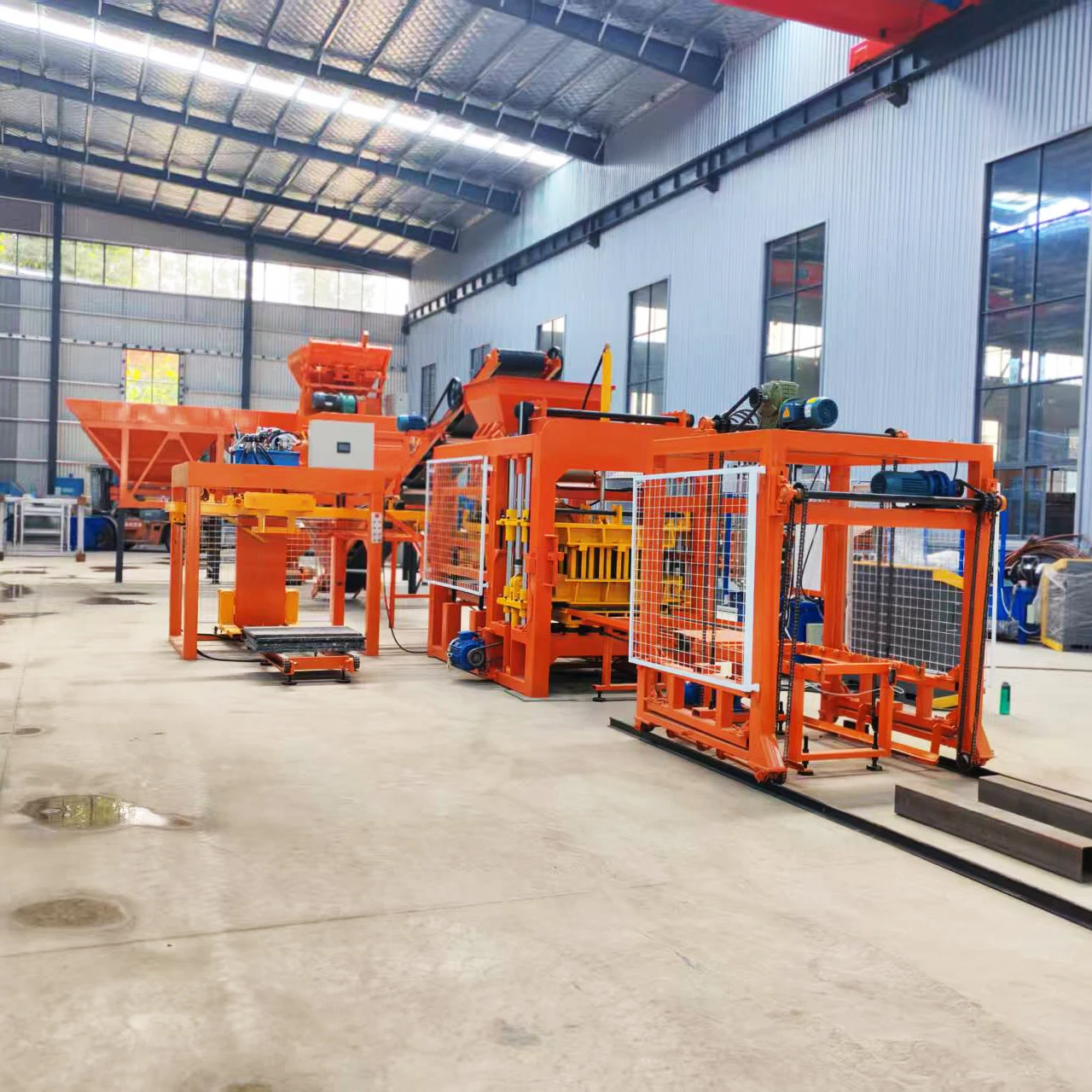
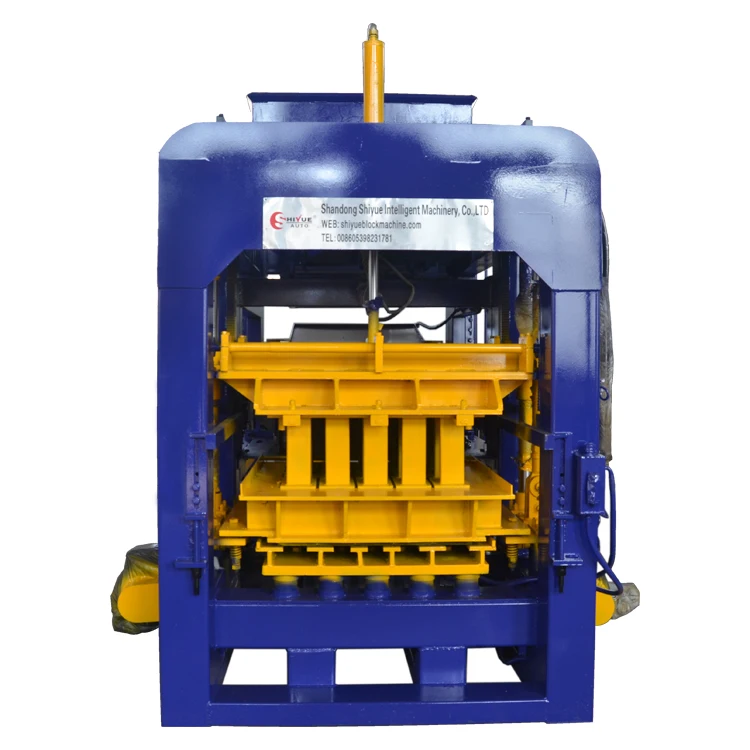 High quality block machine