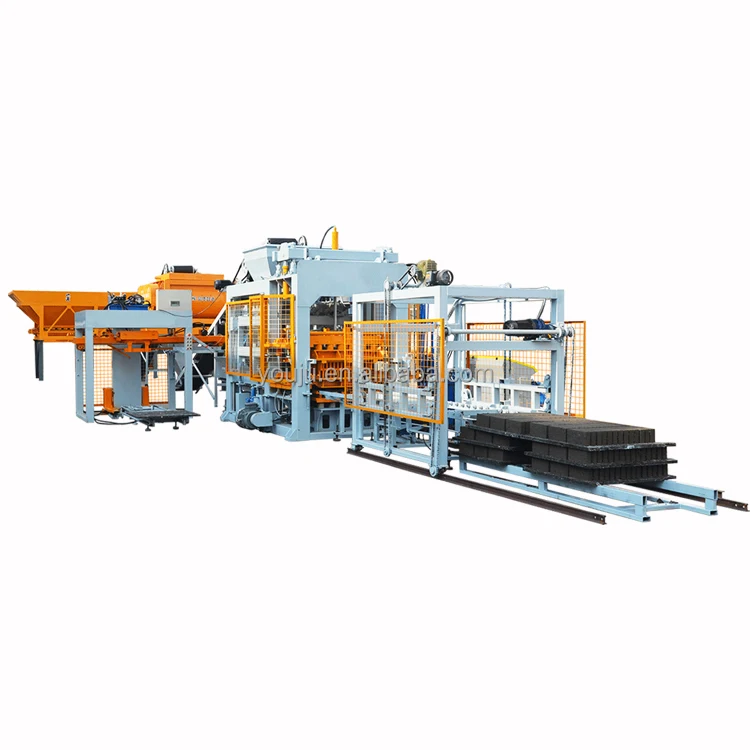
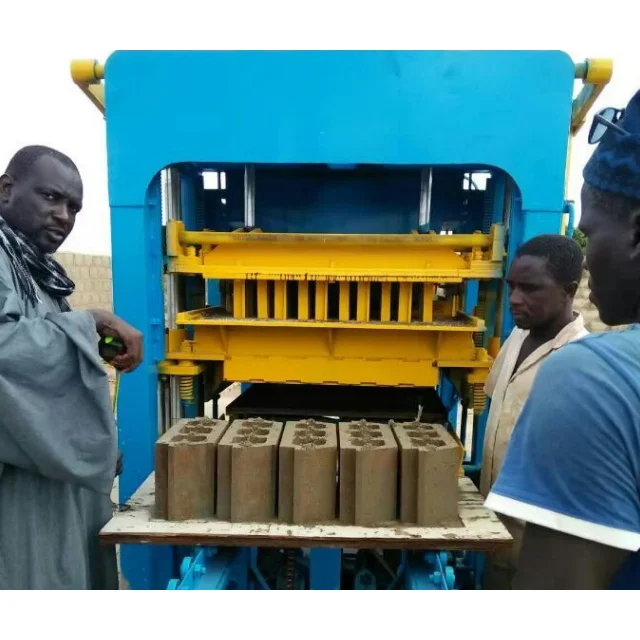
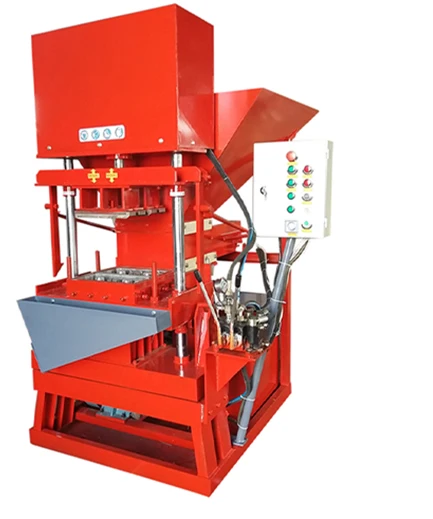
Matched System Design — The QT6-15 block machine, pallet, and handling equipment are specified as one integrated line, so vibration force, hydraulic pressure, and curing logistics align before the first block is produced.
Technical Specifications
| Parameter |
Value |
| Model |
QT6-15 |
| Product Type |
Automatic Concrete Block Making Machine |
| Molding Way |
Vibration and hydraulic pressing |
| Rated Pressure |
21 MPa |
| Molding Cycle |
15 s – 20 s |
| Pallet Size |
900 × 700 mm |
| Main Machine Weight |
6000 kg |
| Output — Hollow Block 400×200×200 mm |
6 pcs/pallet, 1440 pcs/h, 11520 pcs/8h |
| Output — Paving Brick 200×100×60 mm |
21 pcs/pallet, 5040 pcs/h, 40320 pcs/8h |
| Output — Solid Brick 240×115×53 mm |
32 pcs/pallet, 7680 pcs/h, 61440 pcs/8h |
| Raw Materials |
Cement, sand, fly ash, stone powder, slag |
| Block Formats |
Hollow block, paving brick, solid brick, interlocking brick, curbstone |
| Automation Level |
Configurable from simple line to full automatic |
| Voltage |
Customized to buyer’s local voltage (basis to be confirmed) |
| Control System |
PLC (brand and language to be confirmed) |
| Warranty |
1 year (excluding wearing parts) |
| Assembly State |
Top cylinder removed for container loading |
Application Suitability
| Application |
Material or Output |
| Block and paver production plants |
Hollow blocks, paving bricks, solid bricks on 900×700 mm pallets |
| On-site construction production |
Interlocking bricks and curbstones from local sand and cement |
| Concrete product manufacturers |
Format expansion via mould change — fly ash and stone powder mixes |
| First-time block plant entrepreneurs |
Entry-level automatic line producing solid bricks for housing projects |
| Development and housing contractors |
Local hollow block production using site-available slag and aggregate |
Why Quoted Capacity Numbers Mislead Buyers
Every output figure here is tied to a specific block format and pallet load, so you can calculate real shift totals before committing.
I once watched a buyer in West Africa discover on arrival that his "high-output" line was rated on a paving brick he did not even sell. His actual hollow block format ran at less than half the quoted rate, and the project deadline slipped by weeks. The concrete block making machine manufacturer you choose should state capacity per format — not a single headline number [NEED_CITE: common capacity quoting practices in block machinery tend to omit format assumptions]. When vibration force and hydraulic pressure are not matched to your local aggregate and mix design, blocks crack or fail compression tests, and no cycle speed will save you.

Where the QT6-15 Sits in the Complete Range
This model occupies the mid-tier of our automatic block machine lineup, bridging the gap between semi-automatic workshop machines and high-capacity fully automatic lines. Buyers who have outgrown manual pallet handling but are not yet ready for a full batching and cubing system find the QT6-15 a practical starting point. The 900×700 mm pallet size places it above entry-level mobile machines while keeping the plant footprint manageable for a first or replacement installation.
Scalable Automation from Simple to Full Line
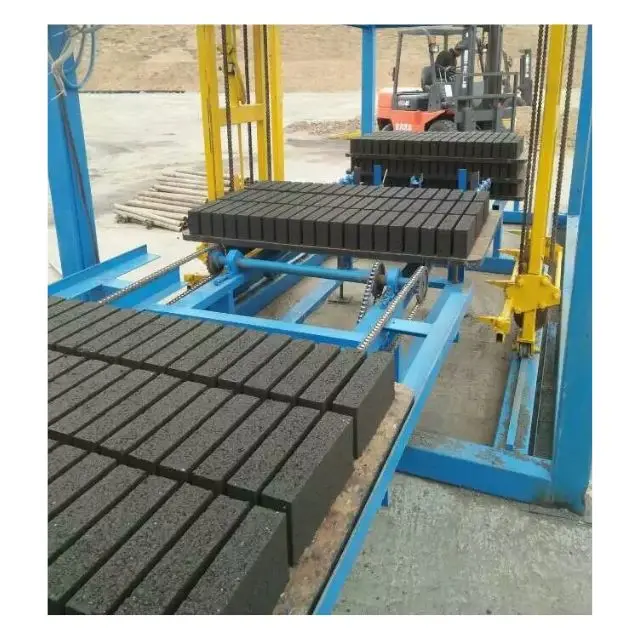
The concrete block making machine manufacturer configures each QT6-15 line around what the buyer actually needs on day one. A simple setup pairs the press with a mixer, belt conveyor, and manual stacker. As demand grows, the same press accepts a cement silo, screw conveyor, cement scale, batching machine, pallet loader, and block-and-pallet separator without replacing the main frame [NEED_CITE: typical upgrade paths for mid-tier block production lines]. This staged approach keeps initial investment controlled while leaving the upgrade path open.
Reading the Specs That Actually Matter on Site
The 21 MPa rated pressure works together with the vibration system to compact the mix into consistent density — too little pressure and hollow block walls crumble at the edges, too much and the mould wears prematurely. The 15–20 second molding cycle is a range, not a fixed number: denser mixes with higher stone powder content will push toward the upper end, while lighter fly ash blends cycle faster. The 6000 kg main machine weight provides the mass needed to absorb vibration without transmitting shock into the foundation, which matters when the curing area sits adjacent to the press. Pallet size 900×700 mm must be checked against your existing forklift forks and curing rack spacing — a mismatch here causes daily handling delays that no automation can fix.
What Happens When the Pallet and Voltage Are Assumed
Buyers who skip pallet specification end up with boards that warp under curing heat or do not fit the racks already welded in their yard. Voltage and frequency left unconfirmed mean the PLC display arrives in a language the operator cannot read, and the motor rewinding delay pushes commissioning back by days. These are not minor oversights — they cancel out the format flexibility and automation level you paid for [NEED_CITE: voltage and frequency standards by export market for industrial block machinery].
Why Buyers Source the QT6-15 from Shiyue
Shiyue focuses exclusively on block machinery, so the press, mould, pallet, and handling equipment are specified as one matched system rather than assembled from separate suppliers. Every QT6-15 configuration is set against your actual mix design and local aggregate, not pulled from a catalogue default. Mould design covers the formats your market sells, including custom drawings if your region demands a non-standard interlocking profile. The automation level is selectable — start semi-automatic and add batching or stacking later without swapping the press. Installation support includes on-site commissioning and operator training so the first production run meets strength targets.
Documentation & Verification
- Line layout showing capacity per block format for the QT6-15
- Mould drawing and format list confirming exact block dimensions
- Pallet specification matched to your curing rack and forklift
- Voltage and PLC display language confirmation before production
- Factory test record on your mix design and target block format
- Packing photographs and customs documentation for the QT6-15 shipment
Installation, Commissioning & Support
- Foundation must support the 6000 kg main machine plus dynamic vibration loads
- Top cylinder removed for container loading and reassembled on site
- Voltage and frequency confirmed in writing before the QT6-15 enters production
- PLC display language set to your operator’s working language before dispatch
- Operator training covers mould change procedure and cycle adjustment per format
- Wear parts list provided with recommended reorder intervals for hydraulic seals
What to Include in Your Inquiry
Send your target block formats, expected daily output, and the raw materials available locally — including aggregate type and moisture content. Confirm your site voltage, frequency, and preferred PLC display language so the QT6-15 electrical package is built correctly. Share your existing curing area dimensions and forklift specifications so the 900×700 mm pallet configuration is verified against your handling setup before the order enters production.
Frequently Asked Questions
Q: How is the output capacity verified and what block format does each figure assume?
A: Each capacity figure on the QT6-15 is stated per block format — hollow block 400×200×200 mm at 1440 pcs/h, paving brick 200×100×60 mm at 5040 pcs/h, and solid brick 240×115×53 mm at 7680 pcs/h. These assume standard cycle times and do not account for pallet loading delays or mix variations that shift the cycle toward 20 seconds.
Q: Where does the QT6-15 sit in the range and how do I choose the right tier?
A: The QT6-15 sits in the mid-tier automatic range, above semi-automatic workshop machines and below high-capacity fully automatic lines. It suits buyers who need automatic cycling but may start with a simpler line configuration and add batching or stacking later as production volume justifies the investment.
Q: What voltage and frequency options are available, and is the PLC display language configurable?
A: Voltage and frequency are customized to your local supply — you must confirm these before production begins. The PLC display language is also configurable. Leaving either unconfirmed delays commissioning and may require motor rewinding or control reprogramming on site.
Q: Can I start with a simple line configuration and upgrade to full automation later?
A: Yes. The QT6-15 press accepts a simple mixer-conveyor-stacker setup initially and can later integrate a cement silo, batching machine, pallet loader, and block-and-pallet separator without replacing the main machine frame, protecting your initial investment.

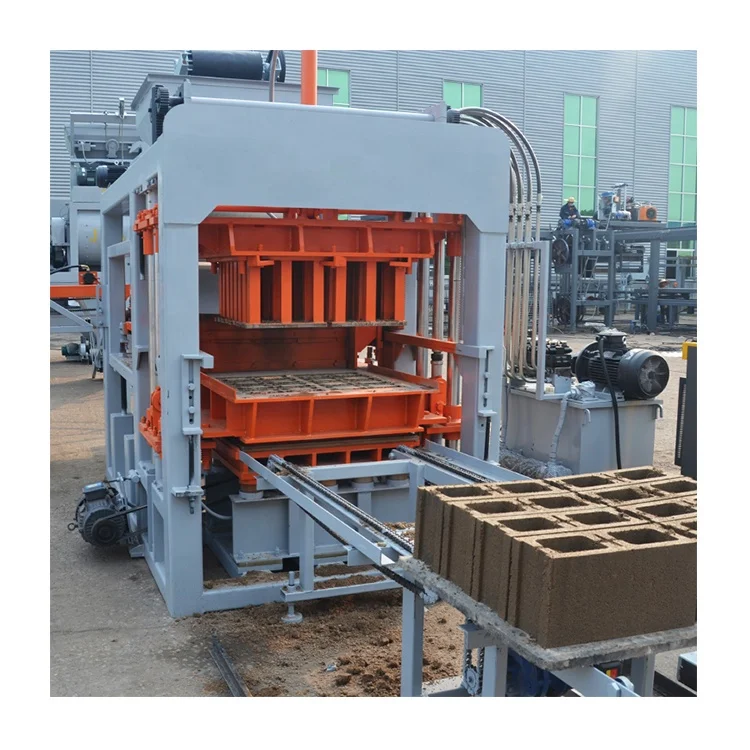
 Semi automatic block