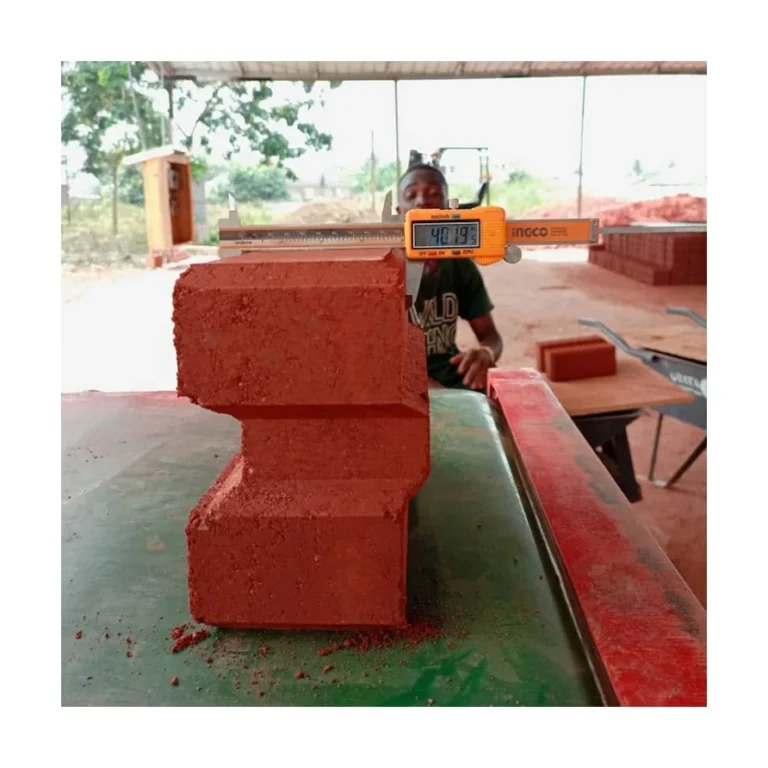
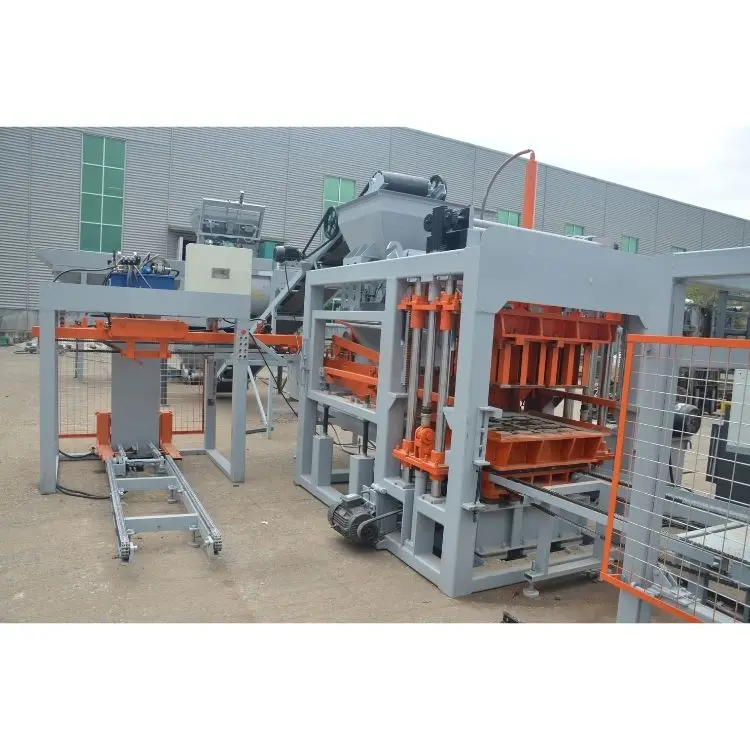
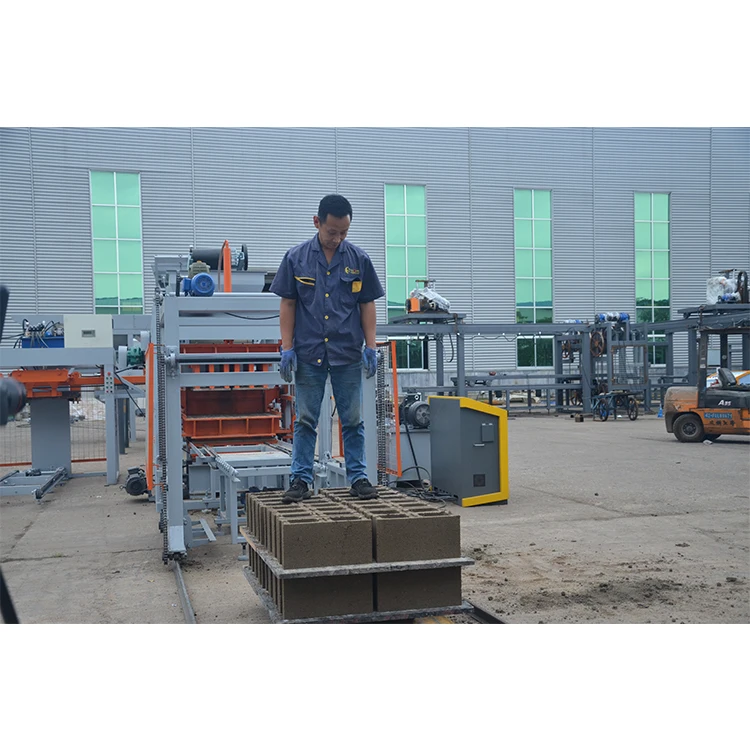
Matched System Design — the QT4-18 block machine, mixer, conveyor, and handling gear are specified together against your local aggregate, not sourced as separate catalogue items.
Technical Specifications
| Parameter |
Value |
| Model |
QT4-18 |
| Product Type |
Automatic Concrete Block Making Machine |
| Overall Dimensions (L×W×H) |
2500×1750×2200mm |
| Rated Hydraulic Pressure |
16 MPa |
| Vibration Form |
Platform Vibration |
| Pallet Size |
950×550mm |
| Molding Cycle |
18–25s |
| Overall Power |
27.5 kW |
| Control System |
PLC with frequency converter |
| Electrical Components |
Schneider brand |
| Mold Lifting Mechanism |
Double-sided sync gears |
| Automation Level |
Automatic (manual pallet handling options available) |
| Included Supporting Equipment |
JQ500 concrete mixer, 8m belt conveyor, stacker, block gripper, trolley, extra molds, concrete batching plant |
| Output Capacity |
Basis to be confirmed per block format and material |
Application Suitability
| Application |
Material or Output |
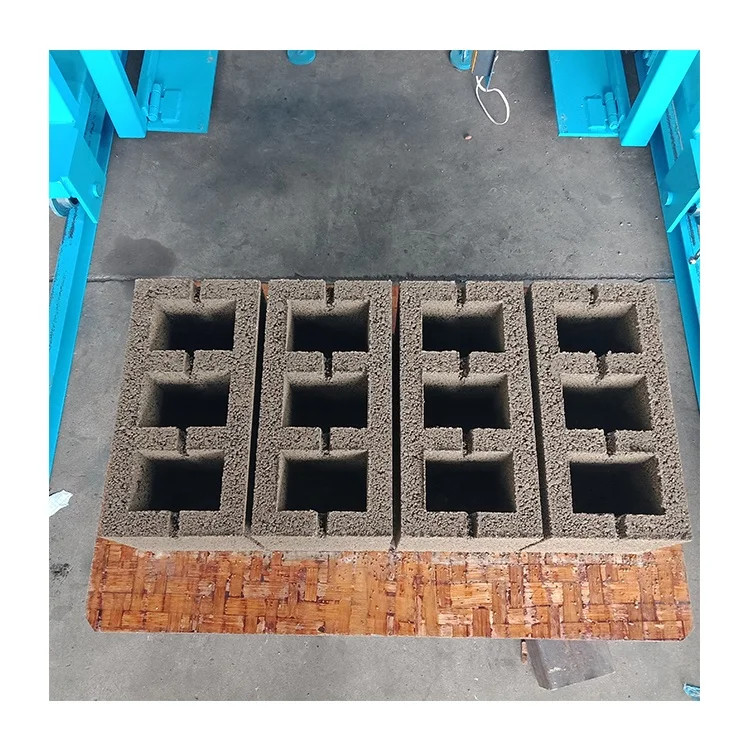
| Hollow block production for residential walls |
Crushed stone, cement, sand, water |
| Solid block manufacturing for load-bearing structures |
Dense aggregate blends with cement binder |
| Paving block production for walkways and yards |
Fine aggregate mixes with pigment options |
| On-site block making for housing projects |
Locally sourced gravel and cement |
| First block plant setup for entrepreneurs |
Standard concrete masonry unit raw materials |
What "Automatic" Really Means When You’re Quoting Capacity
Cycle time figures only matter when tied to the exact block format your market actually orders.
I remember a project in Tunisia where the signed contract listed a daily output based on the catalogue. When the QT4-18 arrived, the local aggregate had a higher clay content than the sample we tested. Vibration force and hydraulic pressure were no longer matched to the mix, and density dropped. Real daily output fell noticeably short of the original figure. That kind of gap between quoted capacity and what actually comes off the pallet is something I now treat as a configuration problem, not a machine problem. Buyers evaluating an automatic block making machine manufacturer need to see output stated per block format — hollow, solid, or paving — because each one changes the mold weight, vibration duration, and cycle timing. [NEED_CITE: aggregate gradation and its effect on concrete block density]

Where the QT4-18 Sits in the Full Machine Range
The QT4-18 occupies the mid-tier of our automatic block machine lineup. It targets buyers who have outgrown a semi-automatic or mobile setup but do not yet need the footprint and capital of a high-capacity fully automatic line. The PLC with frequency converter gives one-person operation for the press cycle, while pallet handling can remain manual or move to automated stacking depending on the configuration chosen at order stage.
How Supporting Equipment Defines the Real Throughput
A block press does not produce blocks alone. The JQ500 mixer must deliver a consistent batch before the next cycle starts, and the 8m belt conveyor must feed the hopper at a rate that prevents the press from waiting idle. The stacker and block gripper handle the wet output so the operator is not forced into manual lifting during every cycle. When these stations are matched, the 18–25 second molding cycle is achievable across a standard shift. When they are not, the press sits idle and the rated cycle time becomes theoretical. [NEED_CITE: production line balancing principles in concrete block manufacturing]
Reading the Specs That Matter on the Shop Floor
The 16 MPa rated hydraulic pressure works together with platform vibration to compact the concrete mix inside the mold cavity. Higher pressure alone will not produce a strong block if the vibration frequency does not fluidize the mix first; both forces must be matched to the aggregate size and cement ratio. The 950×550mm pallet size determines how many blocks fit on the curing rack, which in turn dictates how much floor space the curing area requires. Double-sided sync gears on the mold lifting mechanism keep the mold box level during every raise and lower, reducing uneven wear on mold liners. The 27.5 kW total power draw tells the electrician what dedicated circuit and breaker rating to prepare before the machine arrives.
The Cost of Specifying Without Testing the Mix
When the pallet size is selected without checking the curing racks the buyer already owns, pallets pile up on the floor because they do not fit the existing rack slots. When voltage and frequency are assumed rather than confirmed, the PLC display shows the wrong language and the motor runs hot on an incompatible supply. These problems are not machine defects — they are specification gaps that surface on commissioning day, delaying first production and eroding trust with the local contractor waiting for blocks. [NEED_CITE: electrical compatibility standards for industrial machinery by country]
Why Buyers Specify Through Shiyue
Block machinery is the single focus of this manufacturer, so the QT4-18 press, mold, pallet, and handling stations are designed as one matched system. The configuration is built around the buyer’s actual mix design and local aggregate rather than pulled from a default catalogue page. Molds can be supplied for the specific block formats the buyer’s market sells, with custom drawings accepted for non-standard shapes. Automation level is selectable at order, meaning a buyer can start with manual pallet handling and move to automatic stacking later. Installation includes on-site commissioning with operator training, so the crew knows the mold change procedure and daily maintenance routine before the first production run.
Documentation & Verification
- Line layout drawing showing QT4-18 footprint with mixer and conveyor placement
- Capacity calculation sheet stating block format assumed for each output figure
- Mold drawing and format list confirming dimensions match your market demand
- PLC language and voltage confirmation document signed before production starts
- Factory test record on your specified mix before the machine is crated
- Packing photographs showing dismantling and container loading arrangement
Installation, Commissioning & Support
- 2500×1750mm footprint requires a level concrete slab with anchor bolt provisions
- 27.5 kW total draw needs a dedicated three-phase circuit with correctly rated breaker
- Machine dismantles into press, mixer, and conveyor sections for standard container loading
- On-site assembly includes belt tensioning, hydraulic line connection, and PLC parameter setting
- Operator training covers the manual mold change procedure and sync gear inspection routine
- Wear parts list identifies mold liners, hydraulic seals, and vibration motor bearings
Before You Request a Quote
Tell us the block format your market orders most — hollow, solid, or paving — along with the wall thickness and facing requirement. Share your local aggregate source and whether you have a material test report. Confirm the voltage and frequency at your site, the language your operator will need on the PLC display, and the curing floor space you have available so the pallet size is matched correctly.
Frequently Asked Questions
Q: How is output capacity calculated and which block format is assumed?
A: We calculate capacity based on the molding cycle range of 18–25 seconds applied to a specific block format and pallet layout. The capacity document states the exact format — hollow, solid, or paving — and the pallet count per cycle. Without that basis, a single output number is misleading. We confirm the format before locking the proposal.
Q: What automation level does the QT4-18 offer compared to other tiers?
A: The QT4-18 runs the press cycle automatically through PLC with frequency converter control. Pallet handling can remain manual or be configured with automatic stacking depending on the buyer’s investment level. This positions it between a fully manual semi-automatic machine and a high-capacity line with complete automatic cubing and rack handling.
Q: Which voltage and frequency configurations are available?
A: Voltage and frequency are confirmed during the quotation stage to match the buyer’s local grid standard. The Schneider electrical components support a range of industrial supply configurations. The PLC display language is also confirmed before production so the operator sees instructions in a familiar language at first startup.
Q: What supporting equipment comes with the QT4-18 and what is separate?
A: The package includes the JQ500 mixer, 8m belt conveyor, stacker, block gripper, trolley, and extra customizable molds. The concrete batching plant is also listed in the scope. Pallets themselves and curing rack systems are specified separately based on your existing curing area dimensions and forklift capacity.
Q: Where does the QT4-18 sit in the full range and when should a buyer step up?
A: The QT4-18 serves small to medium block plants stepping up from semi-automatic production. Buyers who need higher daily volumes across multiple block formats and have the curing floor space for automatic rack handling should consider stepping up to a higher-tier automatic line in the range.

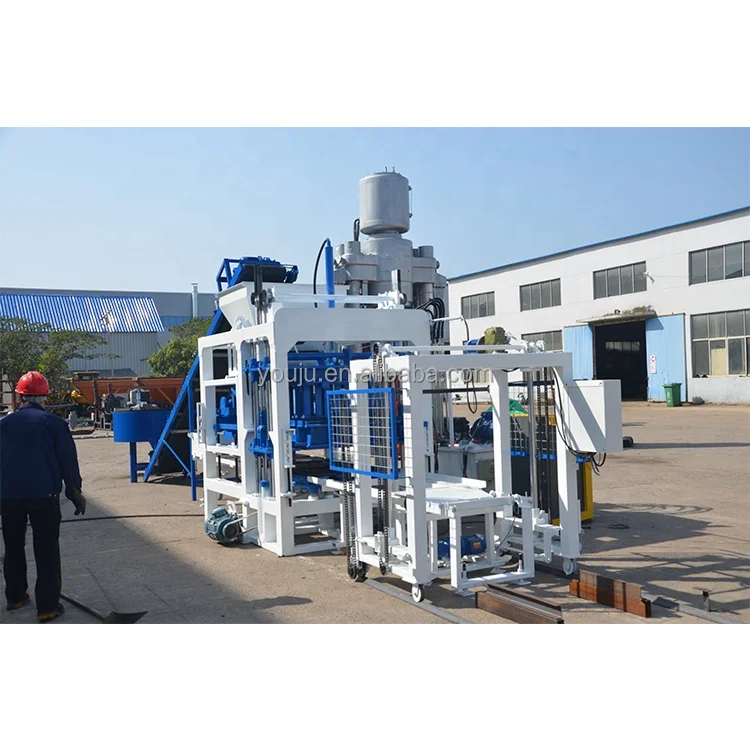
 Semi automatic block