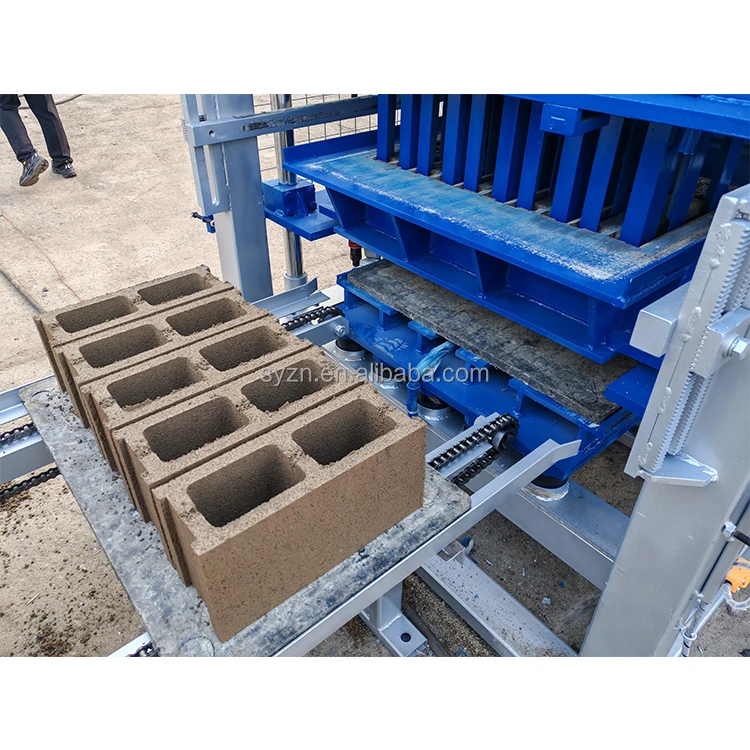
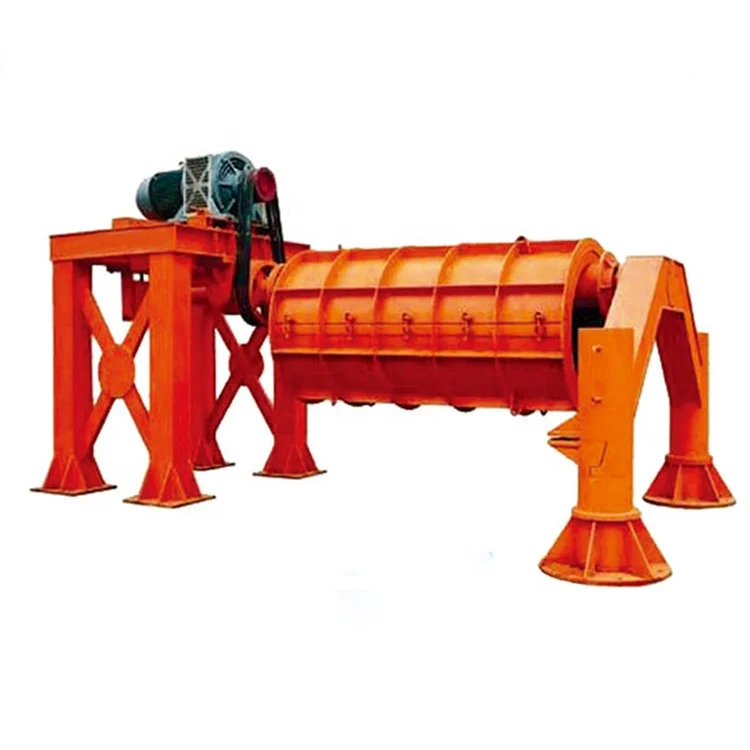
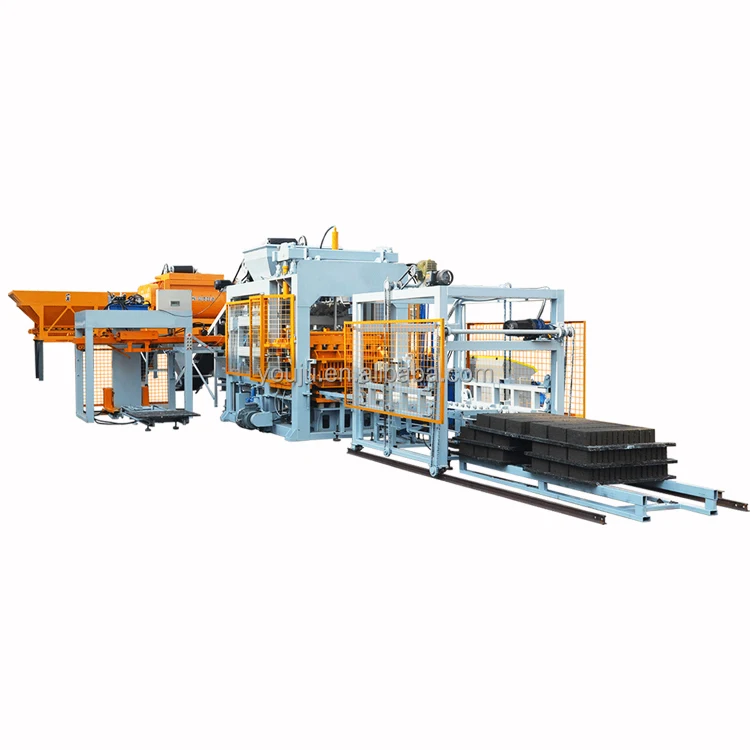
Single Focus Machinery — we specify the block machine, moulds, pallets, and handling equipment as one matched system for the QT12-15 rather than assembling components from separate suppliers.
Technical Specifications
| Parameter |
Value |
| Product Type |
Automatic Concrete Block Making Machine |
| Model |
QT12-15 |
| Machine Structure |
Gantry frame type, super steel, shock resistant |
| Overall Dimensions (L×W×H) |
9350 x 2520 x 2950 mm |
| Total Weight |
12000 kg |
| Total Installed Power |
50.7 kW |
| Molding Method |
Mechanical hydraulic synthesis, vibration and press |
| Rated Hydraulic Pressure |
21 MPa |
| Main Vibration Form |
Platform vibration |
| Vibration Frequency Range |
2800–4500 r/min |
| Vibration Acceleration |
15–20 g |
| Exciting Force |
120 kN |
| Forming Height Range |
50–200 mm |
| Pallet Size |
1350 x 850 mm |
| Molding Cycle Time |
15–25 s |
| Feeding System |
Net wave swing type, driving type storage (0.4 m³ hopper, 0.31 m³ feeder) |
| Mould Construction |
Cartridge type welding, manganese steel (carburized and quenched) |
| Control System |
PLC controlled |
| Output: 390×190×190 mm Hollow Block |
12 pcs/mould, 13,700–17,200 pcs/day (8h basis) |
| Output: 240×115×90 mm Porous Block |
35 pcs/mould, 40,300–50,400 pcs/day (8h basis) |
| Output: 240×115×53 mm Standard Block |
62 pcs/mould, 105,000–119,000 pcs/day (8h basis) |
| Recommended Supporting Line |
PL1200 batching machine, JS500/JS750 mixer, 8 m conveyor, stacker |
Application Suitability
| Application Scenario |
Typical Material / Output |
| High-volume hollow block plant |
Cement, sand, crushed stone aggregate; 13,700+ hollow blocks per 8-hour shift |
| Paving block and kerbstone yard |
Pigmented concrete mixes on 1350 x 850 mm pallets |
| Porous and interlocking brick production |
Fly ash blends and fine aggregate; up to 50,400 porous bricks per 8-hour shift |
| Contractor-run on-site block facility |
Standard solid blocks for housing and infrastructure projects |
| Format expansion on existing plant |
Quick mould change between hollow, solid, paving, and interlocking formats |
Where "Cycles per Hour" Hides the Real Story on an automatic block machine manufacturer’s Quotation
Capacity only means something when you know exactly which block format the number was measured against.
Many quotations list a single cycles-per-hour figure and leave the buyer to multiply it by their chosen block size. The QT12-15 block machine for sale runs a 15 to 25 second molding cycle, but a 390×190×190 mm hollow block demands the longer end of that range because the core box must be filled and compacted in multiple vibration phases. Switch the mould to a 240×115×53 mm standard solid brick and the same press completes the cycle noticeably faster. When a buyer plans a 15,000-piece hollow block day around a cycle time measured on solid bricks, the shortfall appears on the first shift [NEED_CITE: block cycle time variance by format].

Positioning the QT12-15 Within the Full Machine Range
The QT12-15 occupies the high-capacity tier of our automatic block machine manufacturer portfolio, designed for plants that need sustained output across long production runs. Below it sits the semi-automatic range for smaller workshops where pallet handling is still done manually, and further down are mobile egg-laying machines for on-site production without a fixed curing yard. Choosing the right tier depends on your daily volume target, the curing area you can dedicate, and whether you plan to add full stacking automation now or later.
Matching the Line Around the Press
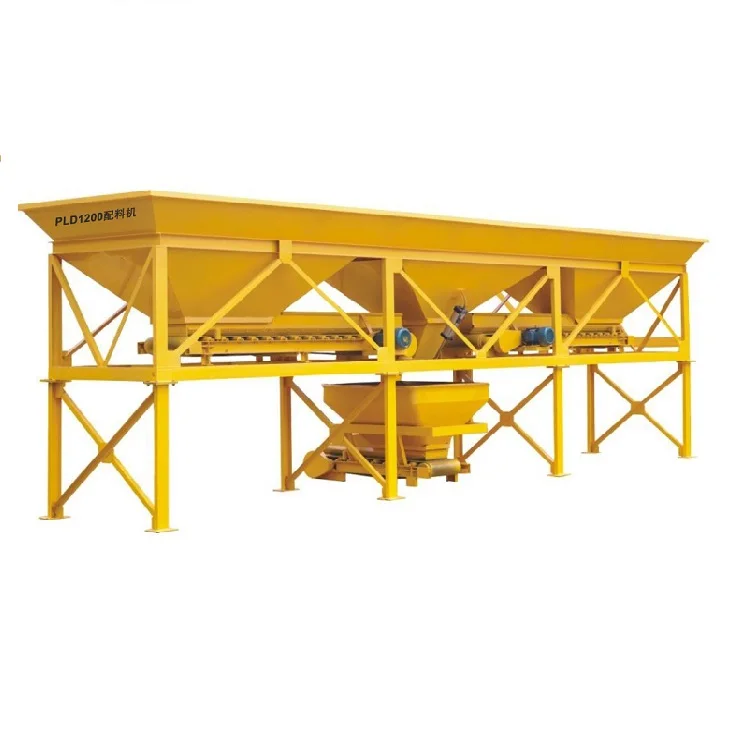
The press itself is only one station. A PL1200 batching machine and a JS500 or JS750 mixer must deliver material fast enough so the QT12-15 is never waiting on an empty hopper. The 8-meter conveyor bridges the mixer discharge to the machine’s 0.4 m³ storage hopper, and the net wave swing feeder meters concrete into the mould cavity in a controlled sweep. If any upstream station is undersized, the 50.7 kW press sits idle and the quoted daily output becomes theoretical [NEED_CITE: line balancing in block production plants].
Reading the Numbers That Actually Matter
The 21 MPa rated hydraulic pressure works together with the 120 kN platform vibration to compact the mix. Higher vibration acceleration — here 15 to 20 g — drives fine particles into voids, while hydraulic pressure locks the compacted shape before the block leaves the mould. The result is a compressive strength above 15 MPa when the mix design is matched to local aggregate. Pallet size is equally critical: the 1350 x 850 mm dimension must align with the curing racks and forklifts already in your yard, otherwise you face a second capital outlay before the first block is sold.
The Cost of Overlooking Configuration Details
Buyers who confirm the press but skip the pallet and handling specification often discover on arrival that blocks must be stacked by hand, adding labour that erases the automation advantage they paid for. Voltage and frequency left unconfirmed can stall commissioning for weeks while a replacement motor or transformer is shipped. Moulds specified without a sample of the buyer’s local aggregate lead to cycle times that stretch far beyond the quoted range, cutting daily output and triggering penalty clauses on supply contracts [NEED_CITE: aggregate variability impact on block cycle time].
Why Source This Machine Through a Single-Focus Supplier
Block machinery is our only product line, so the QT12-15 is quoted as a complete system: press, moulds, pallets, batching, mixing, and stacking specified together. Machine configuration is set against the buyer’s actual mix design and local aggregate rather than a catalogue default. Moulds are built in-house for the formats the buyer’s market sells, including custom drawings when a regional brick size does not match standard mould plates. Automation level is selectable, allowing a buyer to begin with semi-automatic pallet handling and add a full stacker and cuber as volume grows. Installation support includes operator training on the specific PLC language and control interface confirmed before shipment.
Documentation & Verification
- Line layout and capacity calculation stating the block format assumed for each output figure
- Machine specification sheet with hydraulic and electrical schematics for the QT12-15
- Mould drawing and format list with cycle time recorded per block type
- Voltage, frequency, and PLC display language confirmation signed before production
- Factory test record and packing photographs provided prior to container loading
- CE declaration included where applicable to the destination market
Installation, Commissioning & Support
- Foundation plan sized for the 12,000 kg gantry frame and dynamic vibration loads
- Dedicated power circuit rated for the 50.7 kW total draw at confirmed voltage and frequency
- Machine arrives dismantled for container loading; reassembly sequence provided in the manual
- First-run commissioning covers PLC parameter tuning for the buyer’s specific mix and block format
- Operator training on mould change procedure, vibration frequency adjustment, and daily maintenance checks
- Wear parts and spare mould list supplied with part numbers for reorder
What We Need to Configure Your Line
To size the QT12-15 and its supporting equipment accurately, share the block formats your market sells, the daily volume you need for each, and a two-kilogram sample of your local aggregate. Tell us your available curing area dimensions and the forklift pallet size you already use. Confirm the site voltage, frequency, and the PLC display language your operators will read. If you have an existing batching or mixing station, provide its model and throughput so we can match the upstream feed rate.
Frequently Asked Questions
Q: How is the daily capacity of the QT12-15 calculated and which block format does each figure assume?
A: Each output figure in the specification table is measured over an eight-hour shift and tied to a specific block dimension. The hollow block figure assumes 390×190×190 mm, the porous block figure assumes 240×115×90 mm, and the standard brick figure assumes 240×115×53 mm. Cycle time varies between formats, so we always state the format alongside the capacity.
Q: What plant footprint does a complete QT12-15 line require including supporting equipment?
A: The press alone measures roughly 9.3 by 2.5 meters, but the full line includes a PL1200 batching machine, JS500 or JS750 mixer, 8-meter conveyor, pallet return system, and stacking area. A typical layout needs a building or yard long enough for material flow from aggregate storage through to the curing racks.
Q: Where does the QT12-15 sit compared to semi-automatic and mobile block machines?
A: It occupies the high-capacity automatic tier, suited to plants producing over 10,000 hollow blocks daily. Semi-automatic machines serve smaller workshops with lower investment and manual pallet handling. Mobile egg-laying machines produce blocks directly on a concrete floor without pallets, ideal for project sites with short production runs.
Q: Can I start semi-automatic and upgrade the QT12-15 line later?
A: Yes. The machine frame, hydraulic system, and PLC platform remain the same. A buyer can begin with manual pallet feeding and hand stacking, then add automatic pallet feeding, a stacker, and a cuber as production volume justifies the additional investment.
Q: What voltage and control language options are confirmed before shipment?
A: Voltage and frequency are set to match your site supply — common configurations include 380V/50Hz and 440V/60Hz. The PLC display language is confirmed during the order stage so operators can read prompts and fault codes in their working language from the first day of production.

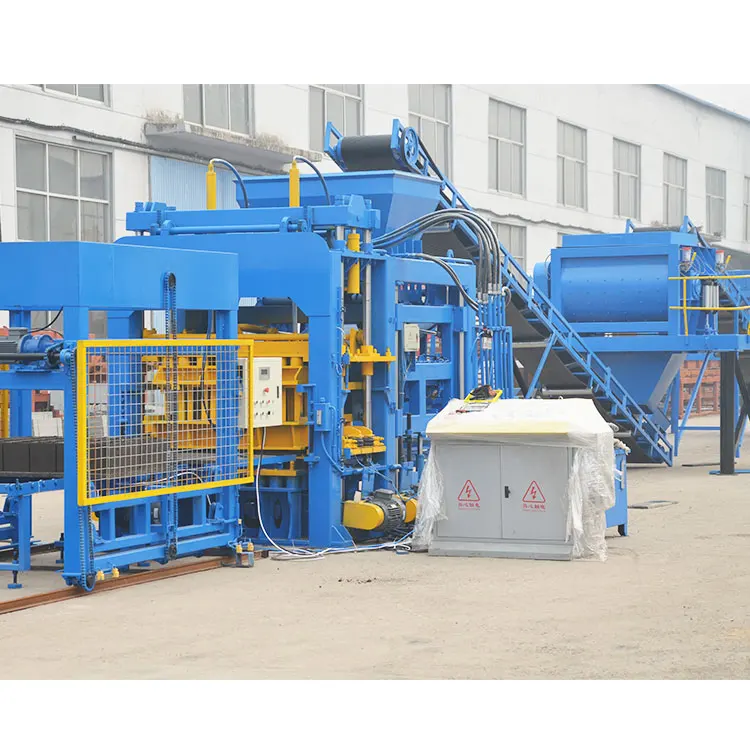
 Automatic block machine