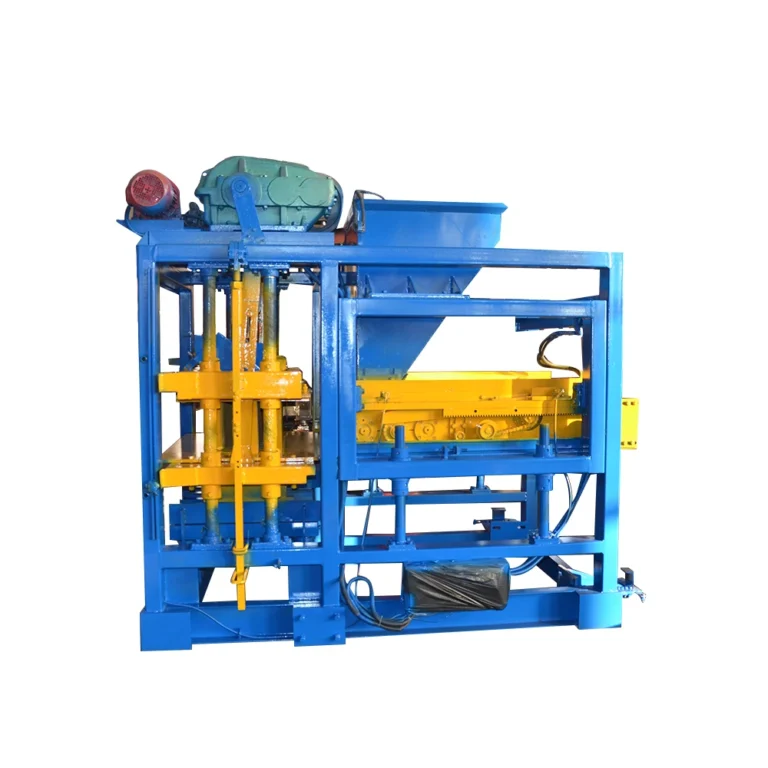
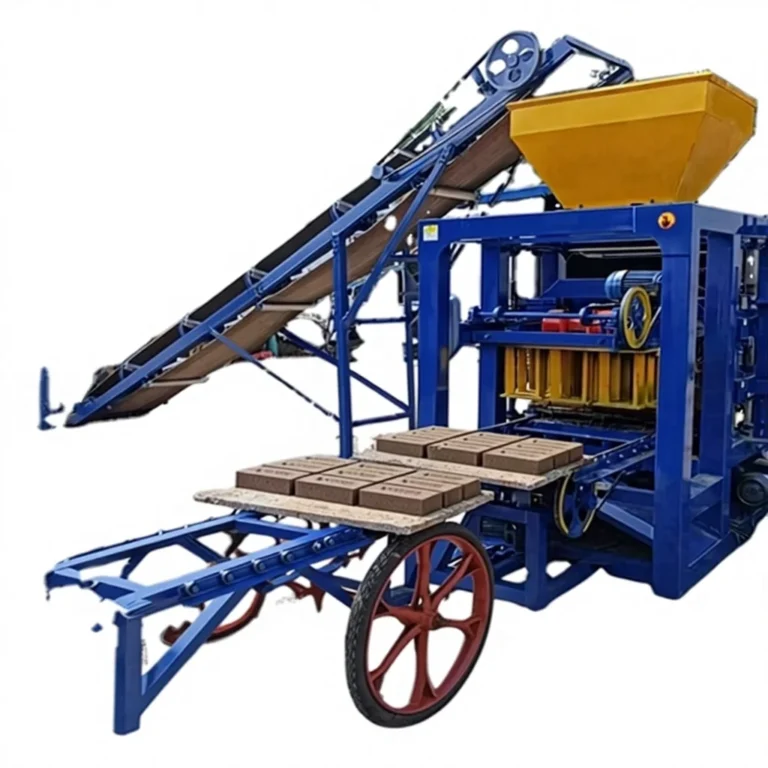
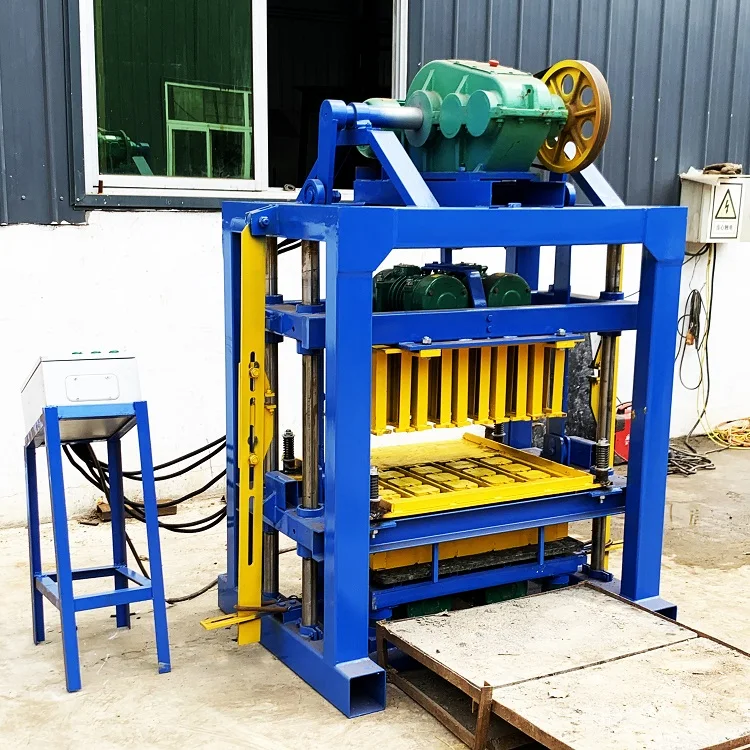
Complete system matching — the QT10-15 is specified as one integrated line of press, mould, pallet and handling, so every output figure you see is calculated against the exact block format and cycle time rather than a generic brochure claim.
Technical Specifications
| Parameter |
Value |
| Model |
QT10-15 |
| Product Type |
Stationary Fully Automatic Hydraulic Concrete Block Making Machine |
| Control System |
PLC control cabinet |
| Hydraulic System |
Independent integrated hydraulic station |
| Vibration Mode |
Vertical station mode resonance with automatic FM-AM |
| Mould Change System |
Quick replacement (multi-function with one machine) |
| Components Included |
Pallet feed machine, block making machine, storage hopper, conveyor, hydraulic unit, PLC control cabinet |
| Output (400×200×200mm hollow block) |
1,800–2,400 pcs/hour (15–20s cycle) |
| Output (400×150×200mm hollow block) |
2,160–2,880 pcs/hour (15–20s cycle) |
| Output (240×115×53mm solid brick) |
8,928–11,160 pcs/hour (15–20s cycle) |
| Output (200×100×60mm paving block) |
5,184–6,480 pcs/hour (20–25s cycle) |
| Mould Qty per Cycle (400×200×200mm) |
10 pcs |
| Mould Qty per Cycle (200×100×60mm) |
27 pcs |
| Automation Level |
Fully automatic |
| Assembly State |
Stationary (fixed plant) |
| Warranty |
1 year for whole machine (excluding spare parts) |
| Rated Power / Voltage / Pallet Size |
To be confirmed per buyer’s site conditions |
Application Suitability
| Application |
Material or Output |
| High-volume hollow block production |
Crushed stone, cement, and sand mixes for structural walling |
| Solid facing and common brick |
Fine aggregate blends requiring dense compaction |
| Interlocking and paving blocks |
Pigmented concrete mixes for pedestrian and vehicular surfaces |
| Kerbstone and porous brick |
Coarse aggregate with specific permeability requirements |
| On-site production for housing projects |
Locally sourced quarry dust and river sand blends |
What "2,400 Pieces per Hour" Actually Means for Your Plant
Capacity is meaningless unless it names the block size, cycle time, and mould cavity count behind the number.
Suppliers often quote the highest possible cycle rate and leave the buyer to discover, six weeks after arrival, that their target format runs noticeably slower. I have seen plant owners plan an entire curing yard around a brochure figure that assumed a thin paving block, only to find their primary product — a heavy 200mm hollow block — demanded longer vibration and a different hydraulic sequence. The QT10-15 fully automatic block machine manufacturer documentation ties every output claim to a specific format, so the 1,800–2,400 pcs/hour figure applies explicitly to a 400×200×200mm hollow block at 15–20 seconds per cycle with 10 cavities. [NEED_CITE: capacity calculation standards in block making machinery quotations]
Placing the QT10-15 Within the Full Stationary Range
The QT10-15 fully automatic block machine manufacturer offering sits in the high-capacity tier of the stationary line, designed for plants that need continuous output across multiple block formats. Below it, semi-automatic models reduce initial investment but rely on manual pallet handling, which caps realistic daily throughput and increases labour dependency. Above it, larger presses exist but demand substantially bigger curing yards and heavier pallets. For a buyer surveying options for a first or replacement machine, understanding this placement helps avoid over-investing in capacity the site cannot support or under-investing in a press that becomes a bottleneck within the first year.
How Automation Level Changes the Line Layout
Choosing a fully automatic configuration means the pallet feed machine, storage hopper, and conveyor operate as a continuous loop managed by the PLC control cabinet. The operator monitors rather than handles, which reduces pallet damage and keeps cycle timing consistent. [NEED_CITE: PLC-controlled batching and its effect on block density variation] If your plant currently runs semi-automatic and you plan to upgrade later, specifying the QT10-15 with upgrade-ready pallet handling means the press does not need replacing — only the feeding and stacking stations expand. This modular path is a core reason buyers survey the complete range before committing to a single tier.
Why Vibration and Hydraulic Pressure Must Match Your Mix
The independent integrated hydraulic station is isolated from the host vibration, which prevents seal wear from the high-frequency resonance used during compaction. Vertical station mode resonance with automatic FM-AM tuning adjusts vibration frequency and amplitude to the mould load, meaning a hollow block with thin webs receives a different energy profile than a solid paving block. If your local aggregate has a high fines content or unusual moisture retention, the default factory settings may not compact the mix to full strength, so confirming your mix design before the machine leaves the workshop is essential.

The Cost of Ignoring Pallet Size Before You Order
Pallets are the interface between the press and the curing yard. If the pallet size is chosen without checking your existing forklift fork dimensions or curing rack spacing, the entire downstream handling process becomes manual. I once worked with a buyer whose curing racks were built for a different pallet standard; the new machine produced perfectly, but every single rack had to be rebuilt before commissioning could finish. Confirming pallet specification against your site before production avoids this silent cost. [NEED_CITE: pallet and curing rack dimensional compatibility in block plants]
Why Buyers Start Here Before Narrowing Down
Block machinery is our single focus, so the QT10-15 is never quoted as a standalone press. The mould, pallet, feeding conveyor, and hydraulic unit are specified together against your actual block format and target daily volume. Capacity calculations state the exact block format assumed, so you can compare tiers honestly. Mould design covers the formats your market actually sells, including custom drawings if your region requires a non-standard interlocking profile. Automation is selectable — you can start semi-automatic and add stacking later without replacing the press. Installation support includes operator training on the specific PLC language and voltage your site runs.
Documentation & Verification
- Line layout and capacity calculation stating the block format and cycle time assumed for each output tier
- Machine specification sheet with confirmed voltage, frequency, and PLC display language before production begins
- Mould drawing and format list showing every block type the press can produce with its specific cavity count
- Factory test record and packing photographs provided before the container is sealed
- Hydraulic and electrical schematic for local maintenance teams
- CE declaration documentation where applicable to the destination market
Installation, Commissioning & Support
- Foundation plan showing load points for the stationary press and hydraulic station placement
- Voltage and frequency confirmed on the PLC cabinet before dispatch to match local supply
- Quick mould-change system demonstrated on-site so operators can switch formats within a single shift
- Pallet feed machine calibrated to the exact pallet size and weight specified for your curing yard
- Wear parts and mould list supplied so first replacements are on hand before production ramps up
- Operator training covering PLC fault codes, hydraulic pressure adjustment, and vibration tuning
What to Include in Your First Inquiry
To give you a configuration that matches your plant, share the block formats your market sells, the daily volume you need for each, and the raw materials available locally. We also need your site voltage, frequency, and preferred PLC display language. If you have existing pallets or curing racks, send the dimensions so the handling equipment matches from the first day.
Frequently Asked Questions
Q: How do I verify real daily output when capacity is quoted in cycles per hour?
A: Real output depends on the block format, cycle time, and number of mould cavities per press stroke. We provide a capacity calculation document that names the exact block size — for example, 400×200×200mm hollow block at 15–20 seconds with 10 cavities yielding 1,800–2,400 pieces per hour — so your expectation matches what the line delivers on day one.
Q: Where does the QT10-15 sit compared to semi-automatic and mobile machines?
A: It occupies the high-capacity stationary tier, suited for plants that need continuous multi-format production with PLC-managed feeding and pallet handling. Semi-automatic models lower initial investment but cap throughput, while mobile egg-laying machines suit on-site work without a fixed curing yard. We help you place your project on this range before narrowing the configuration.
Q: What voltage, frequency, and PLC language options are confirmed before dispatch?
A: These are confirmed during the sales process before production starts. The PLC control cabinet is set to your site’s voltage and frequency, and the display language is matched to your operators. This prevents commissioning delays that commonly occur when electrical standards are assumed rather than specified in advance.
Q: How are mould, pallet, and handling equipment specified as one system?
A: The mould is designed around the block format your market sells, the pallet size is matched to your curing yard and forklift, and the feeding conveyor and stacker are timed to the press cycle. This means no station is faster or slower than the next, and the press is never left waiting for a pallet or a mix batch.
Q: What installation and training support comes with the machine?
A: Our team assists with foundation planning, first-start commissioning, and operator training on the PLC interface, hydraulic pressure settings, and vibration tuning. We also supply a wear parts and mould list so you can stock replacements before the first scheduled change, keeping production running without unplanned stops.

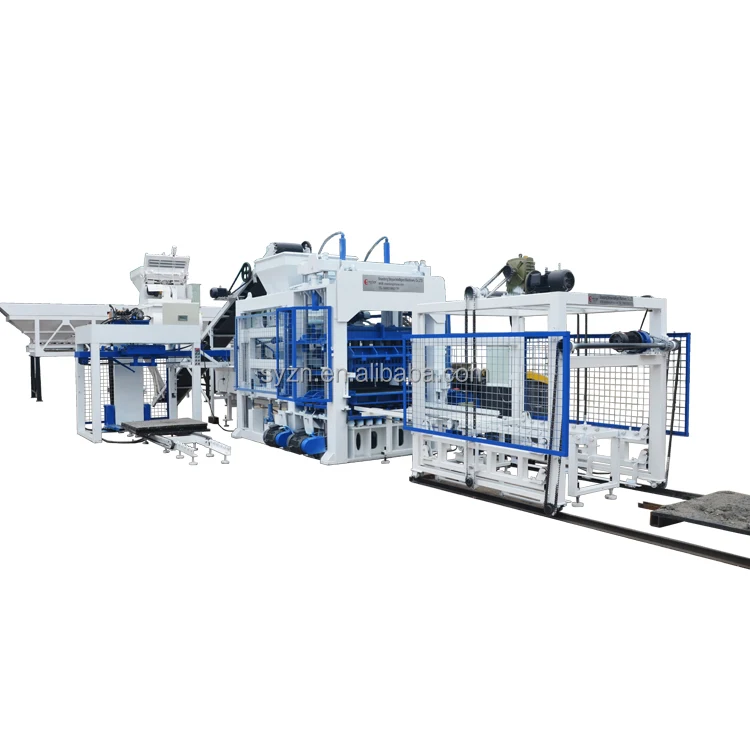
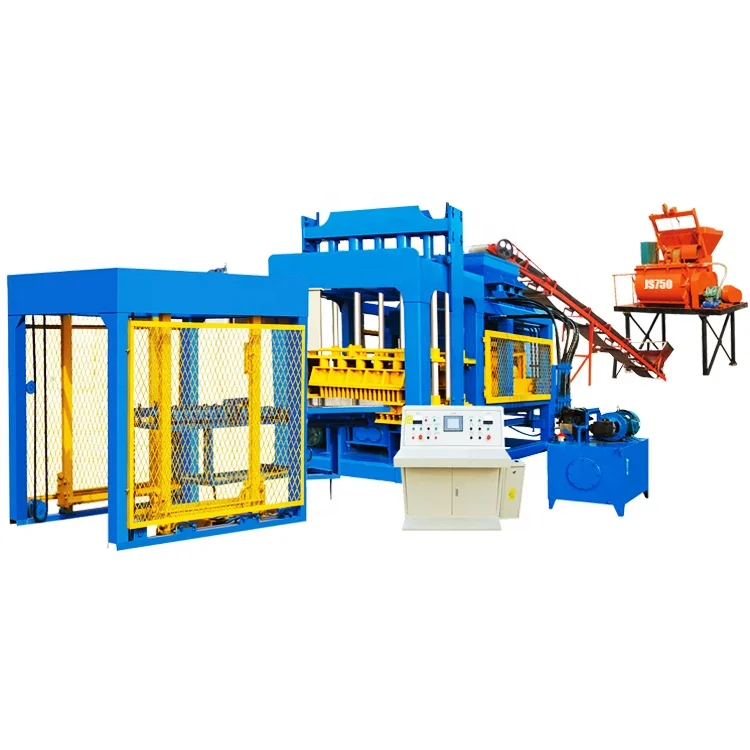 Stationary block machine