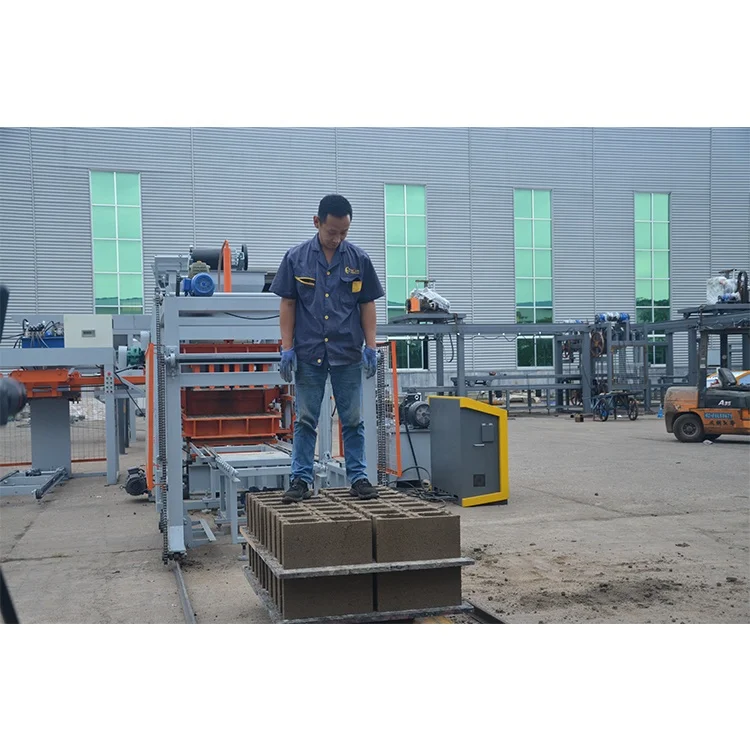
QT10-15 Block Moulding Machine for Hollow Block – Manufacturer
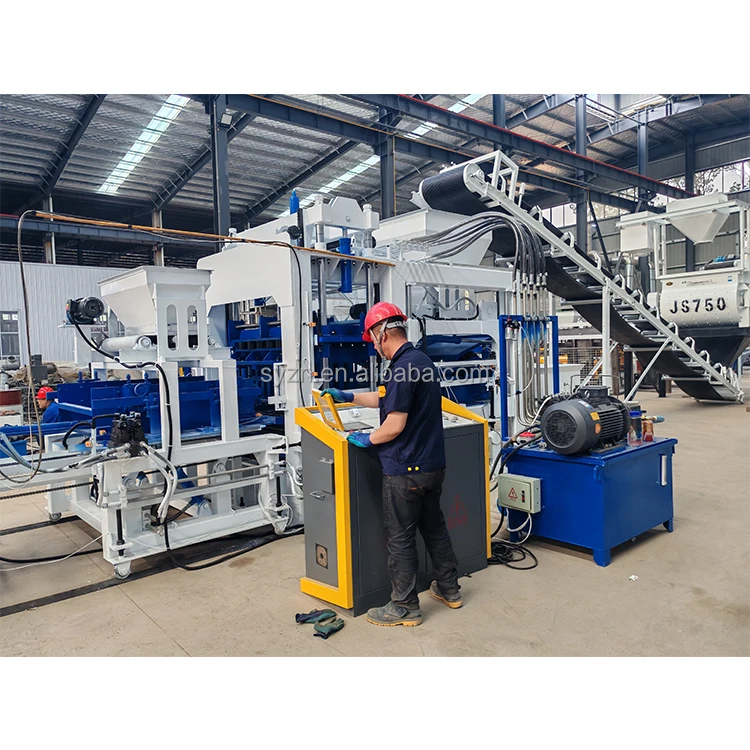
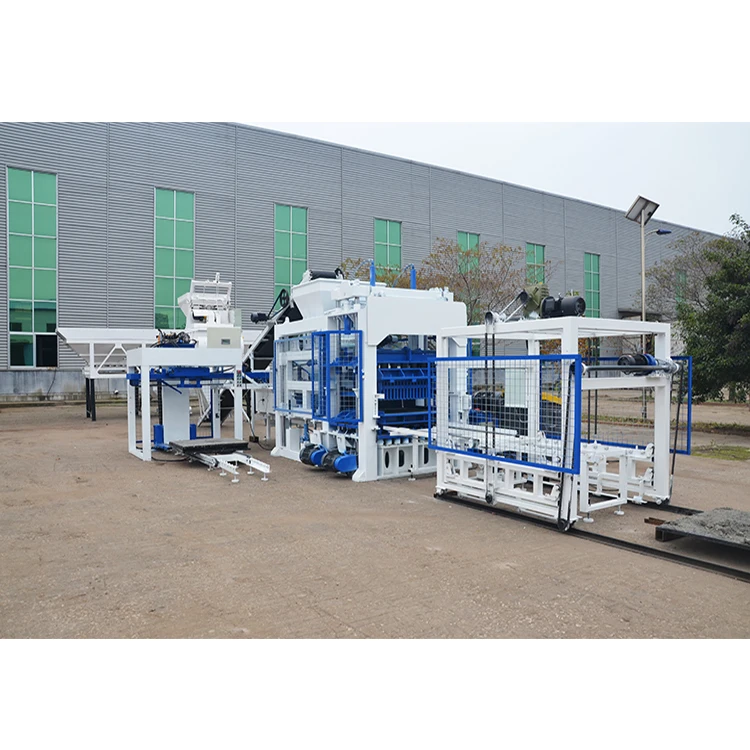
Matched Line Configuration — Every component from the pallet feeder to the hydraulic station is specified as a single system, so the QT10-15 block making machine for sale operates without bottleneck mismatches between stations.
Technical Specifications
| Parameter |
Value |
| Model |
QT10-15 |
| Product Type |
Hydraulic Block Making Machine |
| Control System |
PLC control cabinet |
| Hydraulic System |
Independent integrated hydraulic station |
| Vibration Mode |
Vertical station mode resonance with automatic FM-AM |
| Components Included |
Pallet feed machine, block making machine, storage hopper, conveyor, hydraulic unit, PLC control cabinet |
| Output Capacity (Hollow Block) |
1800-2400 pcs/hour (basis: 400x200x200mm, 10 pcs/mould, 15-20s cycle time) |
| Output Capacity (Hollow Block) |
2160-2880 pcs/hour (basis: 400x150x200mm, 12 pcs/mould, 15-20s cycle time) |
| Output Capacity (Solid Brick) |
8928-11160 pcs/hour (basis: 240x115x53mm, 62 pcs/mould, 15-20s cycle time) |
| Output Capacity (Paving Block) |
5184-6480 pcs/hour (basis: 200x100x60mm, 27 pcs/mould, 20-25s cycle time) |
| Output Capacity (Paving Block) |
4032-5040 pcs/hour (basis: 225×112.5x60mm, 24 pcs/mould, 20-25s cycle time) |
| Mould Change |
Simple replacement for multi-format production |
| Warranty |
1 year for whole machine (excluding spare parts) |
Application Suitability
| Application |
Material or Output Scenario |
| Hollow Block Production |
Standard 400x200x200mm and 400x150x200mm formats using crushed stone, sand, and cement mixes for structural and partition walls. |
| Solid Brick Manufacturing |
High-volume 240x115x53mm standard brick runs for housing and infrastructure projects where dense, load-bearing units are required. |
| Paving Block & Paver Production |
Interlocking and standard paving formats (200x100x60mm or 225×112.5x60mm) using finer aggregate blends for driveways, walkways, and municipal areas. |
| Multi-cellular Brick Output |
Lighter-weight cellular formats where the vertical vibration system compacts aerated or lightweight aggregate mixes without collapse. |
| On-site Project Manufacturing |
Development contractors producing building materials locally to reduce logistics costs and maintain a steady supply for large-scale housing developments. |
Why "Cycle Time" Means Nothing Without the Block Format
Every capacity figure for the QT10-15 block making machine for sale is tied to a specific mould size and a measured cycle range, not a single optimistic peak.
I once walked into a plant where the owner was furious because the machine he bought was rated for a certain hourly output, but his actual production was barely half of that number. The problem was not the machine itself; it was the quotation. The supplier had quoted the cycle time for a small solid brick but the buyer was running large hollow blocks that required a longer press and vibration sequence. When buyers compare machines based on a single headline number, they are often comparing different block formats without realizing it. This is why the QT10-15 capacity is broken down by format: a 400x200x200mm hollow block runs at a different pace than a 200x100x60mm paver, and the cycle time shifts depending on the density and compaction your local aggregate demands [NEED_CITE: block format impact on cycle time in hydraulic press operations].

Placing the QT10-15 Within the Automatic Tier
The QT10-15 sits in the upper-mid automatic range of the Shiyue lineup, designed for plants that have moved beyond manual pallet handling and need sustained output across multiple formats. It bridges the gap between smaller semi-automatic workshops and the highest-capacity fully automatic lines that require extensive floor space and infrastructure. For a buyer surveying options for a first serious plant or replacing an underperforming unit, this model represents a tier where the press, pallet feeder, conveyor, and hydraulic station are matched to work in sequence rather than sourced as standalone components that may not synchronize properly.
Where the Range Sits on Investment and Footprint
Machines in this tier require a dedicated curing area and consistent raw material supply to justify the automation level. The investment moves beyond a single press to encompass the entire material flow, from the storage hopper feeding the mixer to the conveyor moving freshly pressed blocks toward the curing zone. Buyers at this stage are typically weighing whether to start with a semi-automatic configuration and upgrade later, or commit to the full PLC-controlled sequence now. The QT10-15 block making machine for sale is positioned for those who need the throughput of an automatic line but may still be scaling their curing and stacking operations to match [NEED_CITE: plant scaling considerations for automatic block production].
How Vibration and Hydraulic Pressure Work Together
The vertical station mode resonance with automatic FM-AM is not simply about shaking the mix harder; it controls how the vibration frequency adapts to different mould weights and fill depths. When producing a dense paving block, the system adjusts to deliver sustained compaction force, while a taller hollow block requires a different resonance pattern to settle the mix evenly into the deeper cavities without segregation. The independent integrated hydraulic station is physically isolated from the main vibration and dust generated at the press, which protects the valves and seals from the two primary causes of hydraulic failure in block plants. This separation means the hydraulic pressure applied during the final squeeze remains consistent cycle after cycle, directly influencing block density and edge definition. The PLC control cabinet coordinates the pallet feed, press cycle, and conveyor output as a single timed sequence, so the press is never left waiting for a pallet or blocked by a full conveyor.
What Happens When Stations Are Not Matched
When a plant assembles its line from separate suppliers, the most common failure is a timing mismatch between the pallet feeder and the press cycle. If the pallet feeder is slightly slower than the press, the machine sits idle for a fraction of a cycle that accumulates into significant lost output over a shift. Conversely, if the conveyor clears blocks faster than the curing area can absorb them, freshly pressed units pile up and get damaged before the cement has set. These bottlenecks are invisible in a catalogue specification sheet and only become apparent during the first week of production. Specifying the press, pallet feed, conveyor, and hydraulic station as one matched system eliminates these gaps because the timing is calibrated before the equipment leaves the factory [NEED_CITE: production line synchronization and throughput loss].
Why Sourcing from a Matched-System Supplier Matters
Block machinery as a single focus means the QT10-15 is not a generic press adapted from another product line; the mould, pallet, and handling equipment are specified against the buyer’s actual block format and local aggregate. The configuration process starts with the target output and the specific formats the buyer’s market sells, not a catalogue default that may not match regional demand. Mould design covers the formats required, including custom drawings when a buyer needs a non-standard dimension for a specific project. The automation level is selectable, allowing a plant to begin with semi-automatic pallet handling and move to automatic stacking as volume justifies the investment. Installation and commissioning include operator training on the PLC interface and mould changeover procedure, so the crew is producing saleable blocks from the first shift rather than spending weeks on trial runs.
Documentation & Verification
- Line layout and capacity calculation stating the exact block format and cycle time assumed for each output figure.
- Machine specification sheet covering hydraulic pressure ratings, vibration force, pallet dimensions, and PLC control details.
- Mould drawing and format list confirming which block sizes are included and which require custom engineering.
- Voltage, frequency, and PLC display language confirmation documented before production begins.
- Factory test record showing the machine running on a mix design similar to the buyer’s local aggregate.
Installation, Commissioning & Support
- Foundation plan detailing the load-bearing requirements for the hydraulic station and vibration isolation.
- Dedicated power circuit specifications matching the confirmed voltage and frequency for the PLC cabinet and hydraulic pump.
- Pallet size and material confirmation against the buyer’s existing curing rack dimensions and forklift capacity.
- On-site mould changeover training so the crew can switch between hollow block and paver formats within a standard shift.
- Wear parts list identifying hydraulic seals, vibration springs, and mould liners with recommended replacement intervals.
What We Need to Move Forward
To give you an accurate line layout and capacity calculation, we need to know the specific block formats your market currently demands and the daily output target for each. Share a sample or analysis of your local raw materials — particularly the aggregate type and any clay or silt content — so the vibration and hydraulic parameters can be set before the machine is built. Confirm your site voltage, frequency, and preferred PLC display language to avoid any delay during commissioning, and let us know the dimensions of your curing area and the forklift capacity you have available so the pallet specification aligns with your existing handling setup.
Frequently Asked Questions
Q: How is the hourly capacity verified, and what happens when I switch block formats?
A: Each capacity figure is measured with a specific mould installed and a set cycle time range. When you switch from a 400x200x200mm hollow block to a 200x100x60mm paver, the cycle time typically increases due to the different compaction requirements, and the pieces per mould changes. The output per hour will shift accordingly, which is why we provide a capacity table per format rather than a single headline number.
Q: Can I start with semi-automatic operation and add full automation later?
A: The QT10-15 is designed with an upgrade path. You can begin with manual or semi-automatic pallet handling and stacking, then add automatic pallet feeding, stacking, and cubing systems as your production volume and curing capacity grow. The PLC control cabinet is specified to accommodate these additions without replacing the core controller.
Q: What pallet size does this machine require, and should I use bamboo or steel?
A: The pallet size is determined by the mould configuration and must match your curing rack dimensions and forklift capacity. Bamboo pallets are lighter and work well in many setups, but steel pallets offer longer service life in high-frequency automatic lines. The choice depends on your curing environment, handling equipment, and budget, all of which we confirm during the specification stage.
Q: How long does a mould change take, and can I get custom block dimensions?
A: The mould replacement system is designed for changeover within a shift, not consuming an entire day. Custom mould designs are available for non-standard block dimensions; we work from your drawings or develop the format based on your market requirements, providing the mould drawing for approval before manufacturing begins.

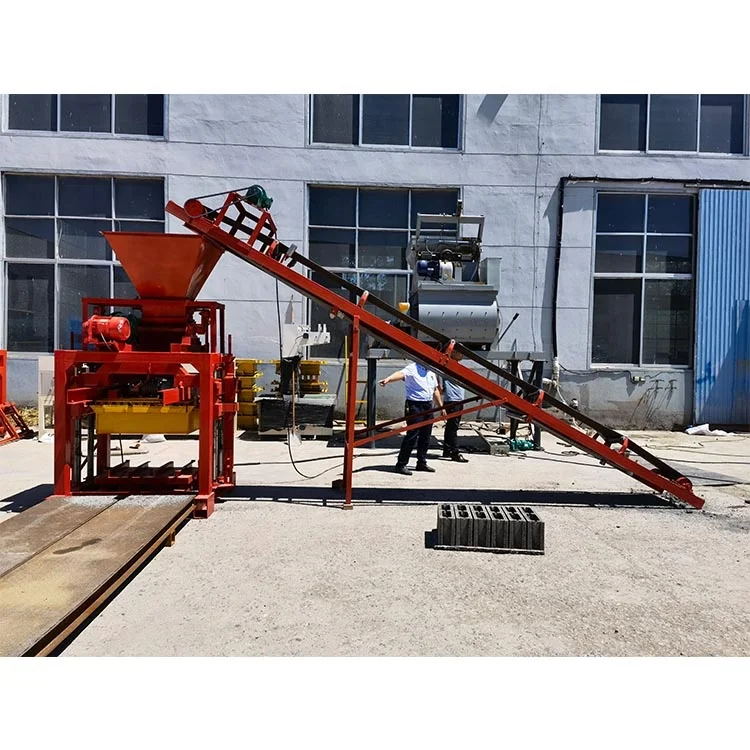 High quality block machine