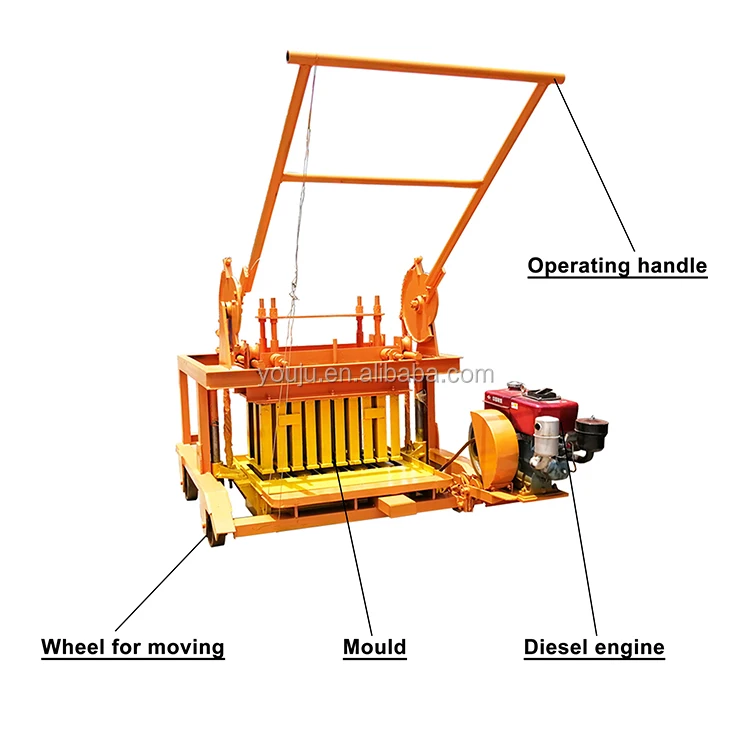
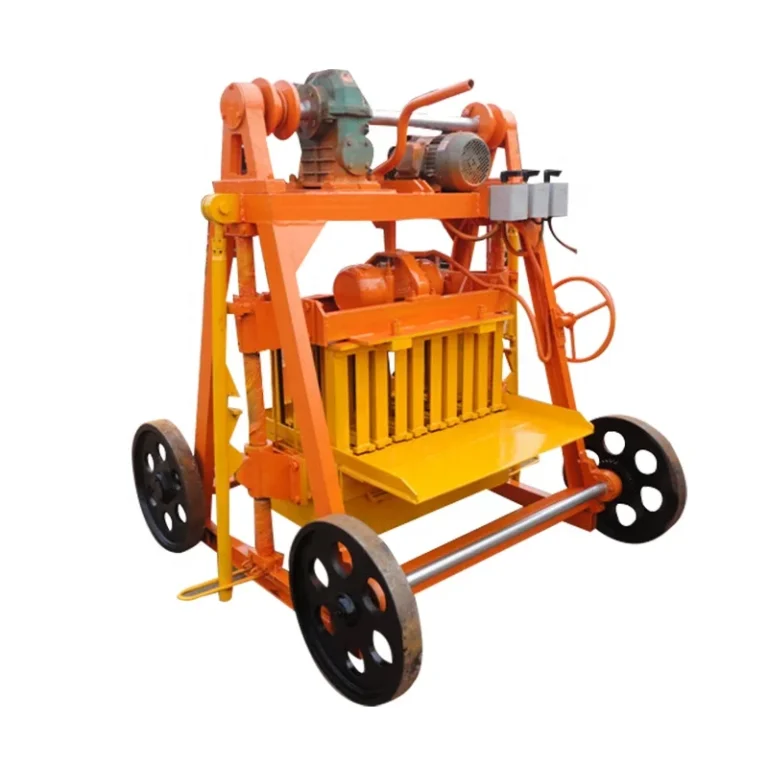
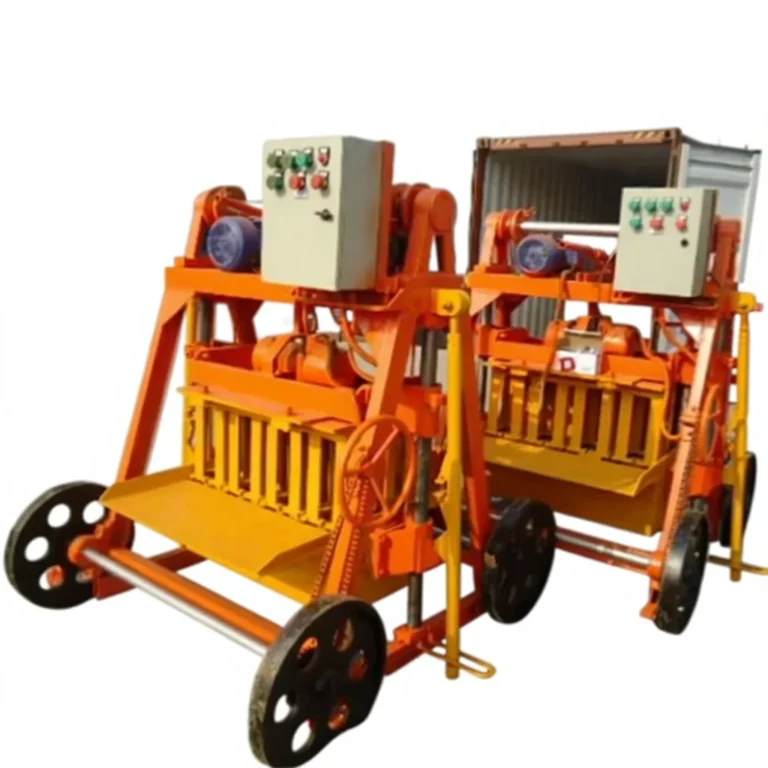
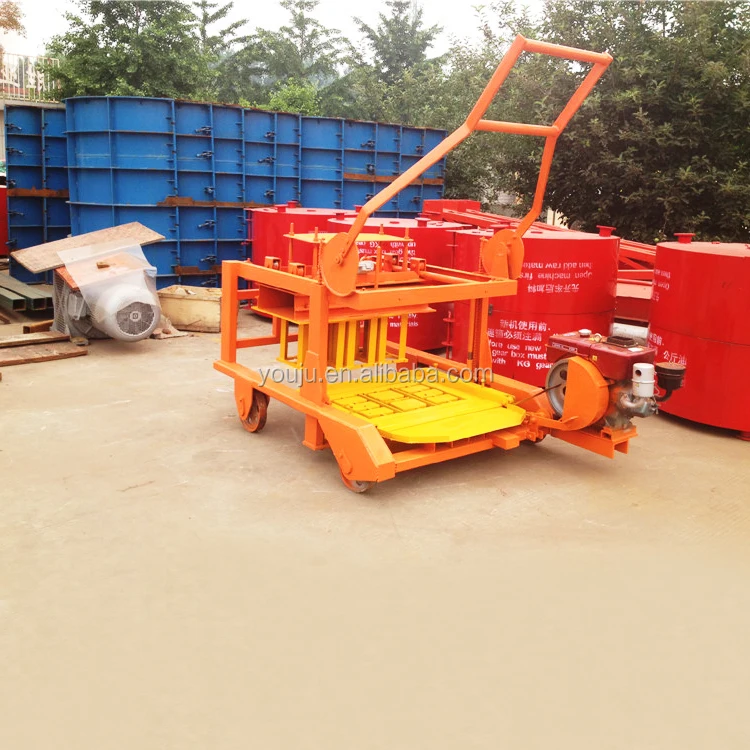
Single-Focus Block Machinery Expertise — The QMY4-30 is configured against the buyer’s actual mix design, local aggregate, and target block format rather than a catalogue default, ensuring the machine, mould, and handling are specified as one matched system.
Technical Specifications
| Parameter |
Value |
| Model |
QMY4-30 |
| Product Type |
Mobile Egg-Laying Concrete Block Making Machine |
| Overall Dimensions (L×W×H) |
1300 x 1500 x 1000 mm |
| Net Weight |
950kgs-1000kgs |
| Hydraulic Method |
Mold Vibration |
| Vibration Force |
28.6 kN |
| Vibration Frequency |
4500 r/min |
| Total Power |
5.95 kW |
| Molding Cycle |
30 s |
| Output Capacity |
3000 pcs/day (basis not stated in source — confirm block format / material / thickness) |
| Transmission |
Hydraulic transmission with manual operation handle |
| Movement |
Mobile (forward, backward, corner) |
Application Suitability
| Application |
Material or Output |
| On-site Housing Project Block Production |
Hollow and solid blocks from concrete, sand, and cement |
| Remote Rural Production (Mountainous, Desert) |
Solid blocks from stone dust and river sand |
| Construction Waste Recycling Operations |
Interlocking bricks from crushed construction waste and slag |
| Individual Owner On-Demand Making |
Paving blocks and kerbstones from fly ash and lime |
Why "3,000 Blocks a Day" Can Derail a Project Schedule
A capacity figure quoted in cycles per hour means nothing unless you know which block format it assumes.
I have seen contractors in remote areas order mobile units based on a sample brochure, only to find that when they switch from a small solid block to a larger hollow format needed for the actual build, the daily output drops significantly. The QMY4-30 Mobile Block Machine manufacturer specifications list a 30-second molding cycle, but that cycle time changes depending on the material and the block thickness. If your project deadline relies on a specific daily volume, the block format must be confirmed before the machine leaves the factory [NEED_CITE: impact of block size on cycle time in mobile production].

Placing the QMY4-30 Within the Mobile and Semi-Automatic Range
This model sits at the entry tier of mobile production. It is designed for buyers who need to produce blocks directly on a project site without the infrastructure investment of a fixed plant. For a contractor working on a housing development where transporting finished blocks over poor roads is a bottleneck, the mobile egg-laying design allows the machine to move forward, backward, and corner, laying blocks directly onto the ground. This eliminates the need for pallet conveyors and curing racks that a semi-automatic line would require.
The Footprint and Investment Reality for First-Time Buyers
For an entrepreneur setting up a first block production operation, the QMY4-30 offers a low barrier to entry. The machine footprint is minimal, and the manual hydraulic transmission keeps the initial capital outlay lower than automated alternatives. However, this tier requires manual labor for feeding the mixer and moving the machine between production runs. It is a deliberate trade-off: lower automation means lower upfront cost, but the buyer must plan for the labor required to keep the machine fed and moving.
How Vibration Force and Molding Cycle Determine Block Density
The 28.6 kN vibration force at 4500 r/min is matched to the mold vibration system, which is critical for compacting the concrete mix in a mobile environment where the ground may not be perfectly level. The 30-second molding cycle positions this machine at a small-workshop output tier. If the vibration force is not matched to the buyer’s local aggregate—such as heavier stone dust versus lighter river sand—the block strength will be inconsistent [NEED_CITE: vibration force matching to aggregate density]. The hydraulic pressure and vibration must work together to achieve the density required for structural hollow blocks.
The Cost of Ignoring Voltage and Control Language Specifications
A common failure point for imported mobile block machines is the electrical specification. If the voltage, frequency, and control language are not confirmed before production, the machine may arrive at the site and cannot be commissioned. A motor wired for a different frequency will run at the wrong speed, altering the vibration frequency and potentially damaging the gearbox. This delay can push a project timeline back by weeks while replacement parts are shipped.
Why Configuration Must Match the Local Aggregate
The QMY4-30 is compatible with a wide range of raw materials, including construction waste, fly ash, river sand, and stone nitrate. However, the machine must be configured for the specific mix the buyer can source locally. A machine set up for a fine sand mix will struggle with the larger aggregate size found in crushed stone dust, leading to poor compaction and weak blocks. We configure the vibration and hydraulic settings against the buyer’s actual material sample, not a catalogue default.
Documentation & Verification
- Line layout and capacity calculation stating the exact block format assumed for the daily output.
- Voltage, frequency, and control language confirmation document signed before production begins.
- Mould drawing and format list showing available block sizes and cycle times per format.
- Factory test record provided before shipment with packing photographs for verification.
Installation, Commissioning & Support
- Site preparation requires a level concrete floor area larger than the 1300 x 1500 mm machine footprint for maneuvering.
- Electrical connection must match the confirmed voltage and frequency for the 5.95 kW total power draw.
- On-site commissioning includes setting the hydraulic pressure and vibration force to the local mix design.
- Operator training covers manual operation handle use, mould change procedures, and daily maintenance checks.
- Spare parts list provided with the first shipment, including hydraulic seals and vibration motor bearings.
Starting the Conversation
To determine if the QMY4-30 is the right tier for your operation, please provide the specific block formats you intend to produce, your target daily output per format, and a sample of your local raw materials. We also need to confirm the local voltage and frequency standards at your project site to ensure the machine can be commissioned upon arrival.
Frequently Asked Questions
Q: What block format is the 3,000 pcs/day figure based on?
A: The capacity figure of 3,000 pieces per day is listed in the source data, but the specific block format, material, and thickness are not stated. Output varies significantly between small solid blocks and larger hollow blocks. We provide a capacity calculation document that states the exact format assumed for your specific project requirements before you commit to the purchase.
Q: How does the QMY4-30 compare to semi-automatic lines?
A: The QMY4-30 is a mobile egg-laying machine at the entry investment tier, requiring no pallets or fixed curing racks. Semi-automatic lines offer higher output and less manual labor but require a larger plant footprint, pallet investment, and fixed infrastructure. The choice depends on your project scale and whether you need to move production between different sites.
Q: Can the machine be configured for local voltage and frequency?
A: Yes. Voltage and frequency must be confirmed before production begins. A mismatch in electrical specifications will prevent commissioning and can damage the 5.95 kW motor and vibration system. We require a signed confirmation of your site’s electrical standards to ensure the machine is built to the correct specification.
Q: What raw materials can the QMY4-30 process?
A: The machine is compatible with concrete, sand, cement, fly ash, lime, construction waste, and various local aggregates. However, the vibration force and hydraulic pressure must be adjusted to match the specific density and particle size of your local material to ensure consistent block strength.
Q: How long does a mould change take on this mobile unit?
A: Mould change times vary depending on the operator’s experience and the specific block format being swapped. On a manual hydraulic unit like the QMY4-30, the changeover requires manual labor and can take a portion of a shift if not planned correctly. We provide mould drawings and operation manuals to help streamline this process.

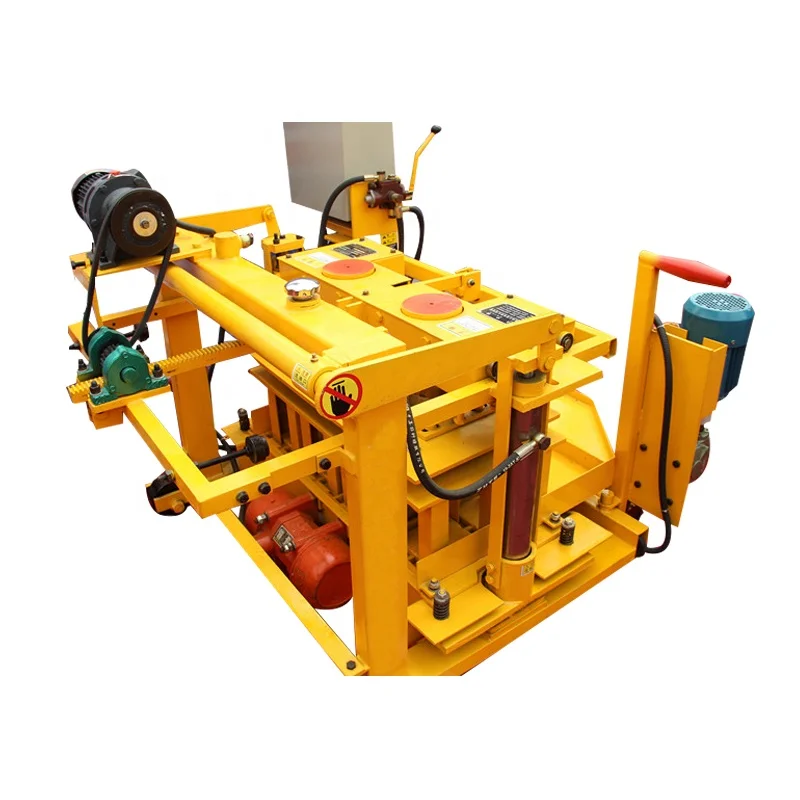
 Mobile block machine