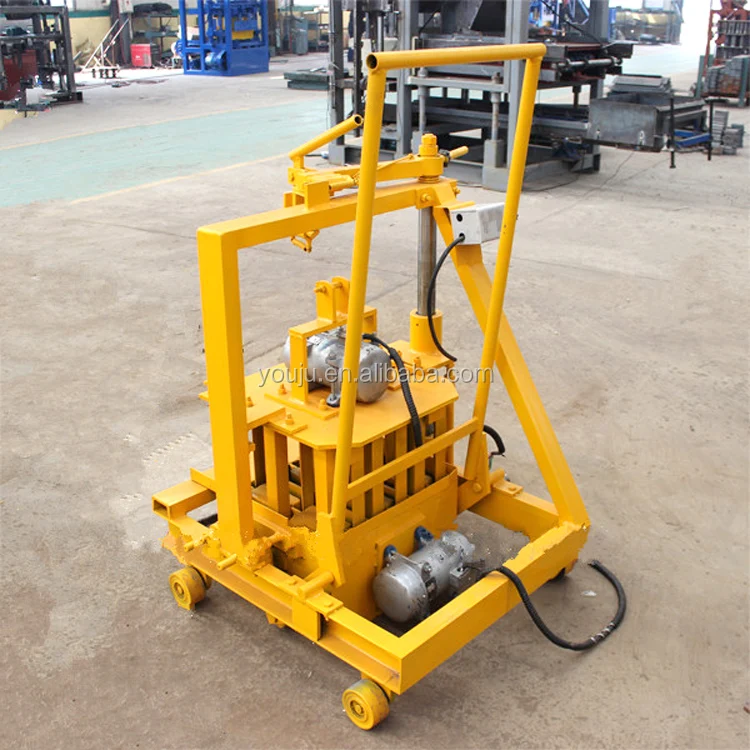
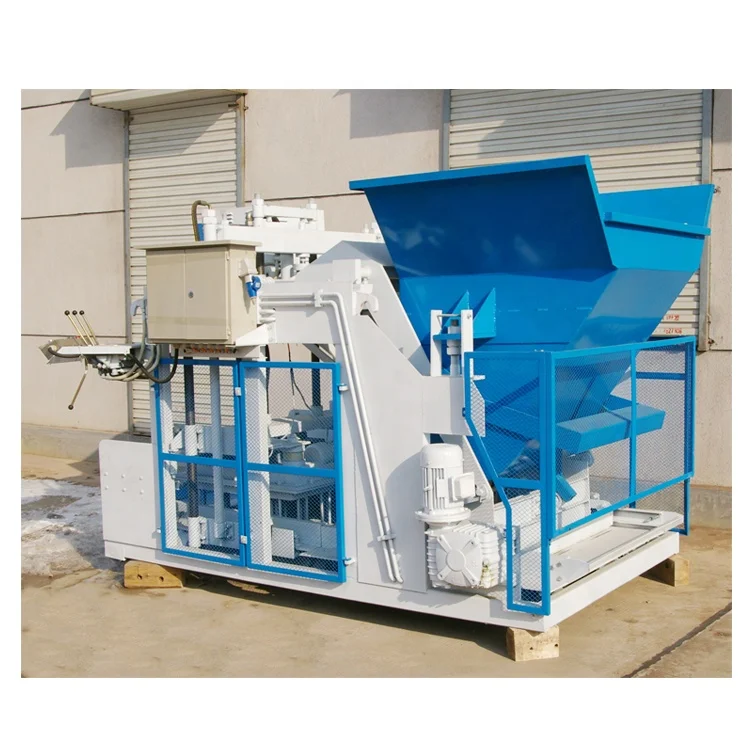
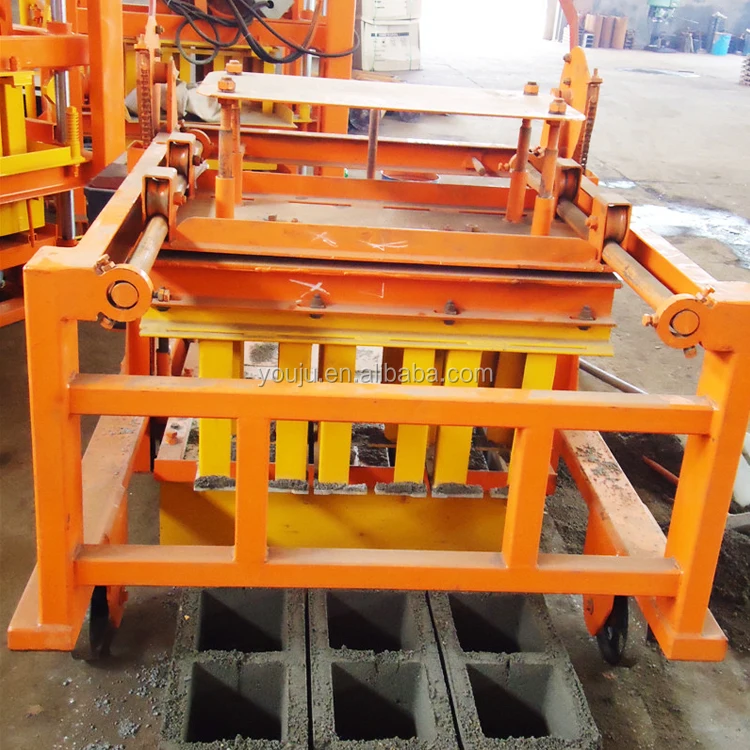
Matched System Configuration — we size the QMY12-15 egg laying concrete block making machine against your actual mix design and local aggregate, not a catalogue default, so daily output matches the block format you intend to sell.
Technical Specifications
| Parameter |
Value |
| Model |
QMY12-15 |
| Product Type |
Egg Laying Concrete Block Making Machine |
| Overall Dimensions (L×W×H) |
3250×2100×2300 mm |
| Net Weight |
4500-4600 kg |
| Rated Power |
16 kW |
| Pressure Type |
Hydraulic |
| Vibration System |
Twice-vibration of molding core |
| Moulding Cycle |
10-15 s |
| Motor Brand |
Siemens |
| Pallet Requirement |
No pallet required (egg-laying type) |
| Workers Required |
2-3 |
| Automation Level |
Automatic |
| Output Capacity (400×200×200 mm hollow block) |
12 pcs/mould, 23040 pcs/day (8 hours) |
| Output Capacity (400×150×200 mm block) |
14 pcs/mould, 2680 pcs/day (8 hours) (source value — verify against manufacturer catalog) |
| Output Capacity (400×100×200 mm block) |
122 pcs/mould, 42240 pcs/day (8 hours) (source value — verify against manufacturer catalog) |
| Standards |
ISO9001:2008, SGS, CE |
Application Suitability
| Application |
Material or Output |
| On-site hollow block production for building contractors |
Crushed stone, sand, cement, water — no fixed plant required |
| Entrepreneur-led first block plant with limited land |
Standard concrete masonry units laid directly on compacted ground |
| Supplementary mobile production alongside a fixed line |
Solid block and hollow block formats moved between curing yards |
| Remote housing project block supply |
Locally sourced aggregate with cement binder, cured in open air |
What "23040 Pieces per Day" Actually Means for Your Site
Capacity is only meaningful when tied to the exact block format, mould count, and cycle time assumed.
Many egg laying concrete block making machine manufacturers quote a single daily figure without revealing the format behind it. Buyers then discover their primary product — often a 150 mm solid block rather than a 200 mm hollow block — yields a fraction of the advertised volume. I have watched contractors plan an entire project schedule around a headline number, only to face delays once the real per-format output becomes clear. Asking for a format-by-format breakdown before signing a purchase order prevents that mismatch [NEED_CITE: capacity calculation standards for mobile block machines].

Where the QMY12-15 Sits Across the Output Range
The QMY12-15 occupies the upper tier of our mobile egg-laying lineup. Buyers comparing options should understand that stepping from a smaller mobile unit to this model means more mould cavities per cycle and a higher vibration force rating, which together lift output for the same block format. Semi-automatic stationary machines may offer comparable numbers but require pallets, a curing rack system, and a dedicated foundation. This egg laying concrete block making machine manufacturer positions the QMY12-15 for buyers who want substantial volume while keeping the option to move production between sites.
Pallet-Free Operation and What It Removes from Your Cost Sheet
Egg-laying design means the machine lays blocks directly on the ground and drives forward, leaving rows of freshly pressed units behind. No pallets are needed, so there is no pallet purchase, no pallet return conveyor, and no pallet storage yard. For contractors working on a project site with limited space, that simplification is often the deciding factor. The trade-off is a requirement for flat, compacted ground and a curing area large enough to hold a full day’s output before blocks are moved [NEED_CITE: ground preparation requirements for egg-laying block machines].
Reading the Specs That Shape Block Density
The twice-vibration molding core system delivers two distinct vibration phases within each 10-15 second cycle. The first phase settles the concrete mix into the mould cavity, while the second phase compacts it under hydraulic pressure. Together they determine the final block density and compressive strength. A 16 kW rated power supply must be matched with the correct voltage and frequency at your site; an undersized generator will cause the vibration motor to stall mid-cycle, producing weak blocks that fail drop tests. The Siemens motor specified here is chosen for continuous duty under that vibration load, but its nameplate voltage must still match your supply [NEED_CITE: IEC voltage and frequency standards for industrial motors].
The Hidden Cost of Skipping the Mix-Design Conversation
If the machine arrives configured for a clean washed sand that you cannot source locally, and your available river sand carries a high clay content, the vibration force and frequency may no longer produce adequate compaction. Daily output drops because blocks crack during curing or fail strength tests, forcing rework. I once saw a buyer lose weeks of production before we remotely adjusted vibration parameters to suit their actual aggregate. Confirming mix design and local material before the machine is built avoids that costly post-delivery correction [NEED_CITE: effect of aggregate clay content on concrete block strength].
Why Buyers Source This Range From Shiyue
Block machinery is our single focus, so the QMY12-15 is specified as one matched system — machine, mould, and ground curing logistics — rather than assembled from separate suppliers. We set configuration against your actual mix design and target block format instead of shipping a catalogue default. Mould design covers the formats your local market sells, and custom drawings are available when standard sizes do not fit. Automation level is selectable, letting you start with the automatic egg-laying mode and add handling stations later. Installation support includes operator training on your own site conditions.
Documentation & Verification
- Line layout showing curing yard area required for the QMY12-15 daily output per format
- Machine specification sheet confirming hydraulic pressure rating and vibration force values
- Mould drawing and format list covering every block size the QMY12-15 can produce
- Voltage, frequency, and PLC display language confirmation signed before production begins
- Factory test record run on the block format you will produce most often
Installation, Commissioning & Support
- Ground must be level within tolerance across a curing area sized for 3250 mm machine length plus block rows
- Dedicated 16 kW power circuit with voltage and frequency matching the Siemens motor nameplate
- Machine ships as a single assembled unit; on-site setup involves hydraulic line connection and vibration calibration
- First production run includes cycle timing adjustment to match your concrete mix and target block density
- Operator training covers mould change procedure and twice-vibration parameter settings
- Wear parts list identifies hydraulic seals and vibration springs with recommended replacement intervals
What We Need to Quote Accurately
Send us the block formats your market demands, the daily volume you plan to sustain, and the type of aggregate you can source locally. Include your site voltage and frequency so the motor and control panel are built to match. If you already operate a fixed block line, tell us which formats you want the mobile unit to supplement.
Frequently Asked Questions
Q: How is daily output calculated for each block format, and what cycle time is assumed?
A: We base each figure on the mould cavity count for that format and a 10-15 second moulding cycle, multiplied across an eight-hour shift. The 23040 pieces per day figure assumes 400×200×200 mm hollow blocks at 12 pieces per mould. Other formats carry different cavity counts, so we provide a per-format table with every quotation.
Q: Where does the QMY12-15 sit in the range compared to semi-automatic and fully automatic models?
A: It sits at the higher-output end of our mobile egg-laying tier. Semi-automatic stationary machines may match or exceed its volume but require pallets and a fixed foundation. Fully automatic lines add stacking and cubing. The QMY12-15 suits buyers who prioritize mobility and pallet-free operation over full automation.
Q: What site conditions does an egg-laying machine require?
A: You need flat, compacted ground with enough space for a full day’s block output to cure undisturbed. A three-phase power supply matching the 16 kW rated power is essential. Adequate water access for concrete mixing and block curing must also be within reach of the production area.
Q: Can the automation level be upgraded later, and what does that involve?
A: Yes. The QMY12-15 can later be integrated with a stationary line that adds pallet-based handling, automatic stacking, and cubing. The upgrade path typically involves adding a separate press and conveyor system while keeping the mobile unit for supplementary on-site production.

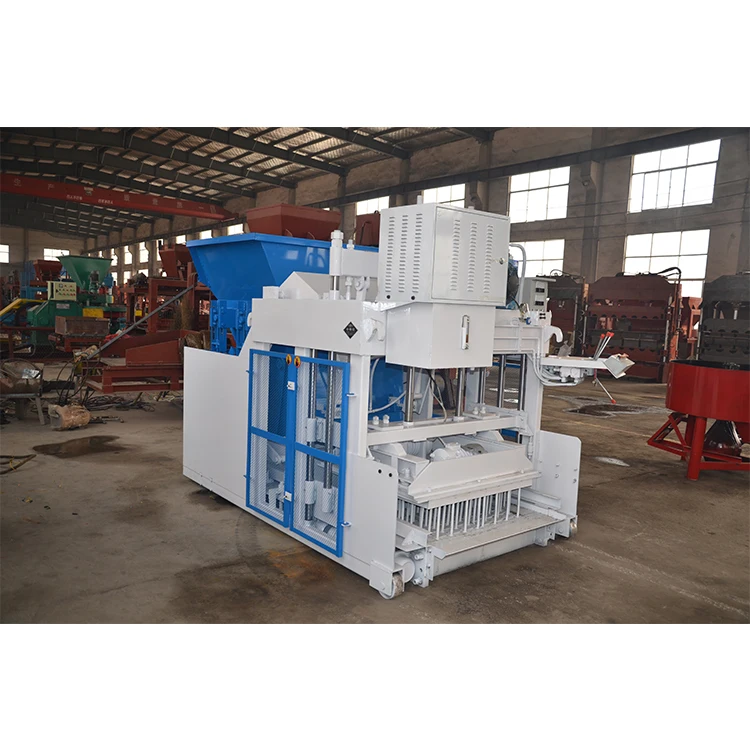
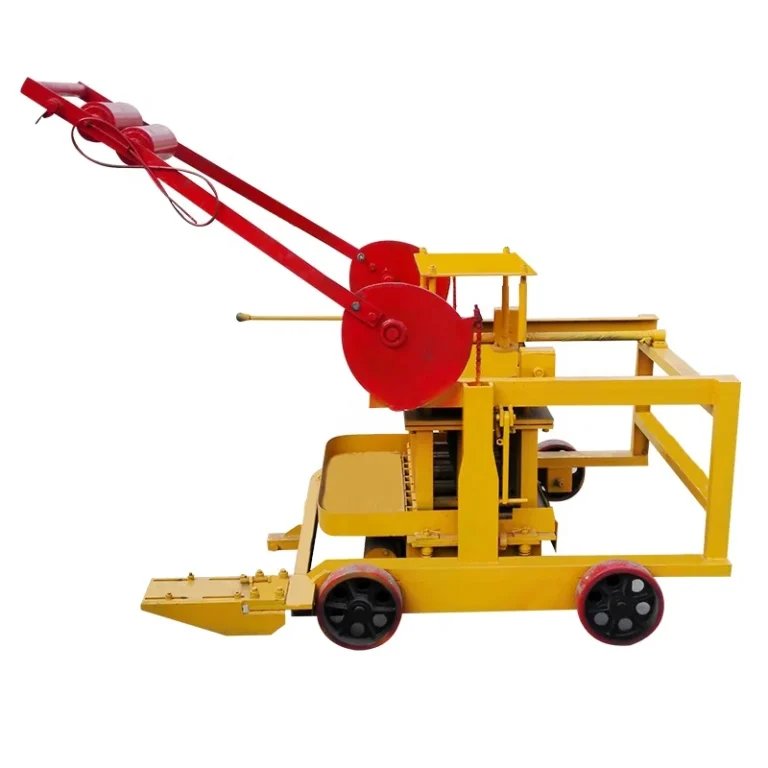 Mobile block machine