
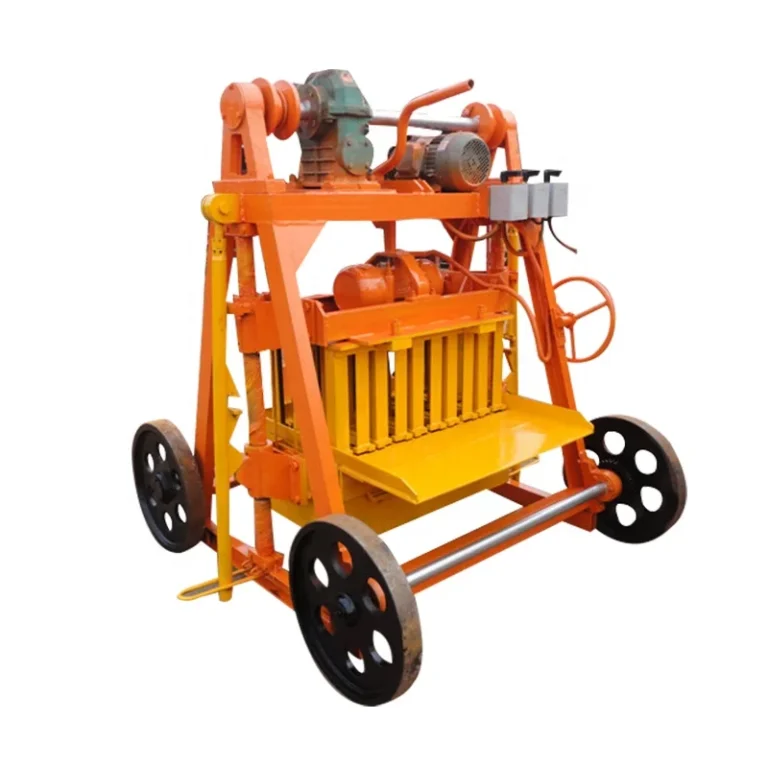
 Mobile block machine
SKIP: no source title,
QMJ4-45 Mobile Egg Laying Block Machine, 6 kW, 2400 r/m Vibration — designed for on-site...
View Details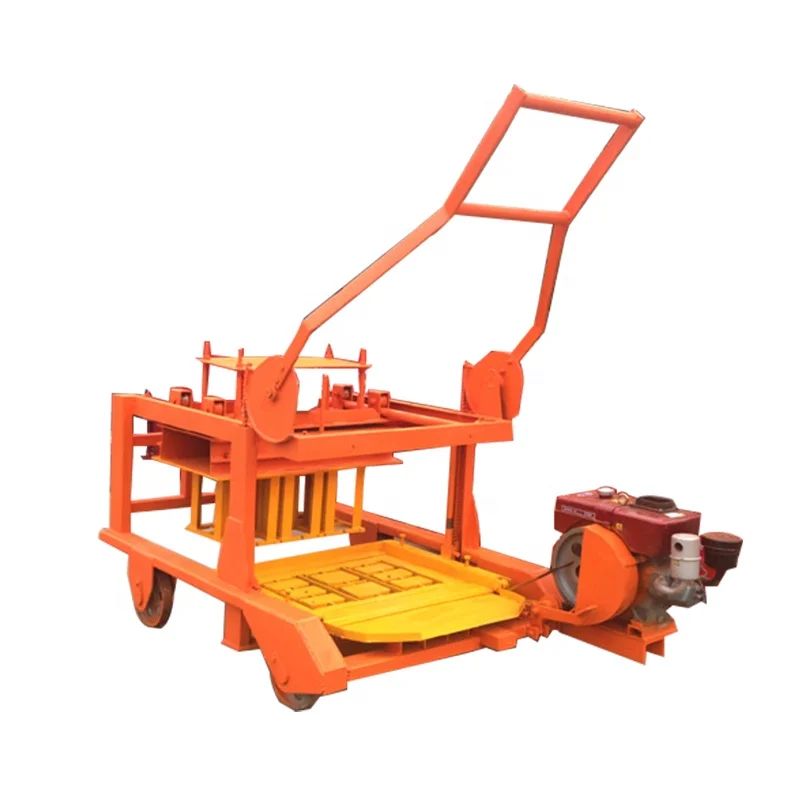 Mobile block machine
<p><strong>QMR4-45 Mobile Diesel Engine Concrete Block Making Machine, 28.6 KN Vibration, 30s Molding Cycle</strong> — positioned at the entry point of our complete block machine range for buyers needing on-site production without a fixed plant. This diesel-powered unit eliminates grid dependency, making it suited for remote project sites, hilly terrain, and first-time plant setups. Vibration force and excitation frequency should be evaluated against your local aggregate and target block format before confirming configuration.</p> <ul> <li>Compact footprint (1300 × 1500 × 1000 mm) keeps site preparation minimal</li> <li>Supports interlock, paver, and hollow block formats via mould change</li> <li>Manual handle operation with no PLC or electrical system required</li> </ul>
Single Focus Engineering — we configure the QMR4-45 mobile block machine, its mould and pallet as one matched system rather than sourcing them from separate suppliers.
| Parameter | Value |
|---|---|
| Model | QMR4-45 |
| Product Type | Mobile Diesel Engine Concrete Block Making Machine |
| Overall Dimensions (L×W×H) | 1300 x 1500 x 1000 mm |
| Net Weight | 950 kgs – 1000 kgs |
| Total Power Source | Diesel engine (rated kW basis to be confirmed) |
| Vibration Force (Exciting Power) | 28.6 KN |
| Excitation Frequency | 4500 r/min |
| Hydraulic Method | Mold Vibration |
| Mould Format | Interlock / Paver / Hollow Block (multiple formats supported) |
| Molding Cycle | 30 s (basis not stated in source — confirm block format / material / thickness) |
| Output Capacity | 3000 pcs/day (8 hours) (basis not stated in source — confirm block format / material / thickness) |
| Automation Level | Manual / Semi-automatic (handle-operated mould movement and material feeding) |
| Stacking Method | Manual (no automatic stacking integrated) |
| Raw Material Compatibility | Concrete, sand, cement, fly ash, lime, stone dust, construction waste, slag, mine tailings, river sand, coal gangue |
| Control System | Manual handle / mechanical operation |
| Voltage & Frequency | Not applicable (diesel engine powered) |
| Assembly State | Integrated mobile unit |
| Application | Material or Output |
|---|---|
| On-site block production | Interlocking bricks and pavers using local river sand and cement |
| Remote or off-grid construction | Hollow blocks produced without grid electricity dependency |
| Housing and development projects | Solid blocks made from stone dust, fly ash and lime |
| Small-scale entrepreneur block plant | Pavers and kerbstones from crushed stone and construction waste |
| Mountainous or desert site production | Concrete masonry units mixed with local aggregate and slag |
A daily capacity figure is only meaningful when tied to a specific block format, mix design and working shift.
Catalogue capacity is frequently quoted as a single headline number. In practice, a 30-second cycle time produces a different hourly count when pressing a 150 mm hollow block versus a thin paver. From workshop experience, buyers who take the headline output at face value often find real production falls noticeably short once mould changeover, material batching and manual stacking are factored in. Confirming the block format you intend to sell and the specific raw material available locally is the necessary first step [NEED_CITE: concrete block output variation by format and mix design]. This mobile block machine manufacturer approach ensures the quoted cycle and daily total correspond to your actual product.
The QMR4-45 occupies the entry tier of the full block machine lineup, designed for buyers who need production capability directly on a job site without investing in fixed plant infrastructure. As a diesel engine mobile concrete block making machine for sale, it removes the requirement for a three-phase electrical supply, making it the logical starting point for remote projects or entrepreneurs testing market demand before committing to a stationary line.
Manual mould movement and hand-fed material mean the operator controls the pace of every cycle. This works well for project-scale volumes but becomes a constraint when daily demand grows beyond what one operator can sustain over a shift. At that point, a semi-automatic stationary press with powered pallet feeding and a mixer system begins to justify its larger footprint and higher investment. Understanding where this mobile diesel unit sits on the capacity ladder helps buyers avoid both under-investing and over-specifying for their current output requirement [NEED_CITE: block plant capacity planning tiers].
The 28.6 KN vibration force operating at 4500 r/min compacts the concrete mix inside the mould cavity. On a machine of this weight class — under one tonne — the downward pressure comes partly from the fra*ration frequency with adequate force produces denser blocks, which directly affects compressive strength. However, the relationship depends heavily on the aggregate grading and moisture content of the mix; a coarse, dry mix responds differently than a fine sand blend. Matching excitation frequency to the available raw material is where block consistency is won or lost.
When a mobile block machine arrives configured for a standard mix but the local sand contains high clay or silt content, the vibration energy dissipates before fully compacting the block. The result is weak edges, crumbling corners and blocks that fail a basic drop test. Rectifying this after delivery means adjusting both the mix proportions and potentially the vibration settings, which costs production days on a project running to a deadline. A simple raw material sample sent before dispatch can prevent this entire sequence [NEED_CITE: aggregate quality impact on concrete block strength].
Shandong Shiyue Intelligent Machinery focuses exclusively on block machines, their moulds, pallets and handling equipment, which means every QMR4-45 configuration is specified as a complete working unit rather than a press sold in isolation. The mould is matched to the vibration characteristics of the frame, and the pallet dimensions are selected with the buyer’s available curing area in mind. Configuration decisions account for the local aggregate and target block format rather than defaulting to a catalogue standard, and documentation covers the full specification from hydraulic schematic to factory test record.
To position the right configuration, share your target block format and dimensions, the type of sand or aggregate available at your site, and the daily output you need to sustain your project schedule. If you already have a curing yard or existing material stockpile, noting those details helps confirm pallet size and raw material feed arrangement. This information lets the proposal reflect realistic cycle times rather than generic catalogue figures.
Q: How is the daily output of the QMR4-45 verified, and what does it depend on?
A: Output capacity varies with the block format being pressed, the molding cycle for that specific thickness, and the efficiency of manual material feeding and stacking. A hollow block and an interlocking paver produce different piece counts from the same 30-second baseline cycle. Verification requires confirming your target block size, local mix design and shift length before quoting a realistic daily total.
Q: How should I configure this machine for my local sand and aggregate?
A: Local aggregate grading, silt content and moisture levels directly affect how vibration compacts the mix. Sending a raw material sample before dispatch allows vibration force and excitation frequency to be evaluated against your actual materials. This ensures the blocks achieve adequate compressive strength without requiring trial-and-error adjustments after the machine arrives on site.
Q: What site preparation does the QMR4-45 require before production starts?
A: The machine needs a firm, level working surface larger than its 1300 x 1500 mm footprint, plus adjacent space for material batching, block curing and finished product storage. No fixed foundation or three-phase electrical connection is necessary because the diesel engine provides all power. Planning the curing area layout in advance prevents workflow bottlenecks once production begins.
Q: When should a buyer consider moving beyond this mobile tier?
A: If daily block demand consistently exceeds what a single operator can manage through manual feeding and stacking over an eight-hour shift, a semi-automatic stationary line becomes worth evaluating. The transition point depends on your market volume, available labour and whether the project site will remain fixed long enough to justify permanent plant infrastructure and a larger initial investment.
Fill in your requirements and our export manager will respond within 24 hours with pricing, specs and a customized solution.
Mobile block machine
QMJ4-45 Mobile Egg Laying Block Machine, 6 kW, 2400 r/m Vibration — designed for on-site...
View Details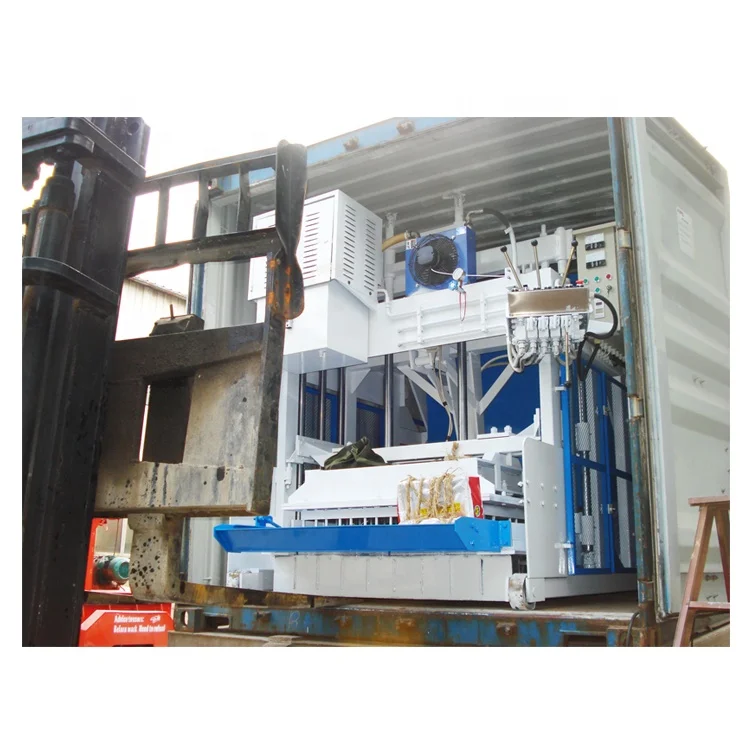 Mobile block machine
Products Description Molding10 pcs/moldMolding Cycle10s-15sTotal Power16 KWCapacity11000pcs/day(8 hours)Basic EquipmentQMY10-15 Host Machine. JS7500 Concrete Mixer. Dump...
View Details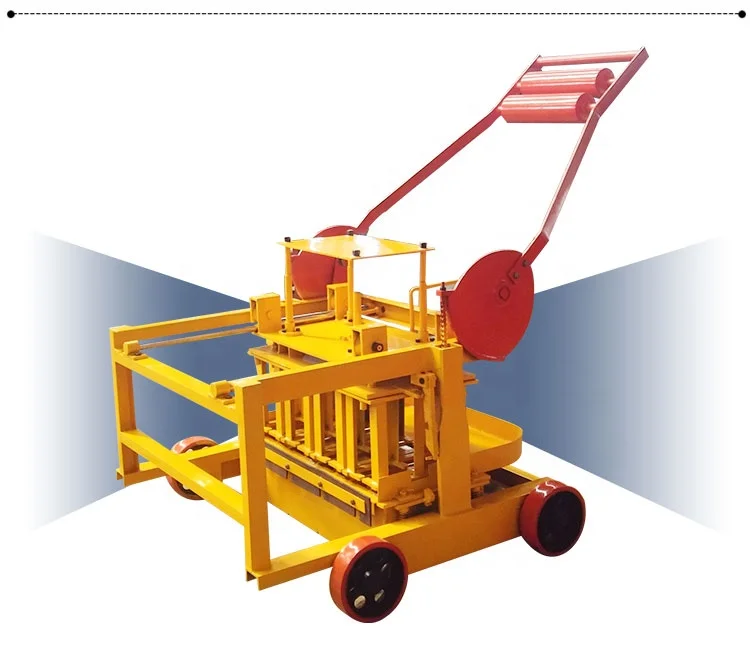 Mobile block machine
QMR4-45 Mobile Egg-Laying Block Machine, 6 kW / Diesel, No Pallet — produces hollow blocks...
View Details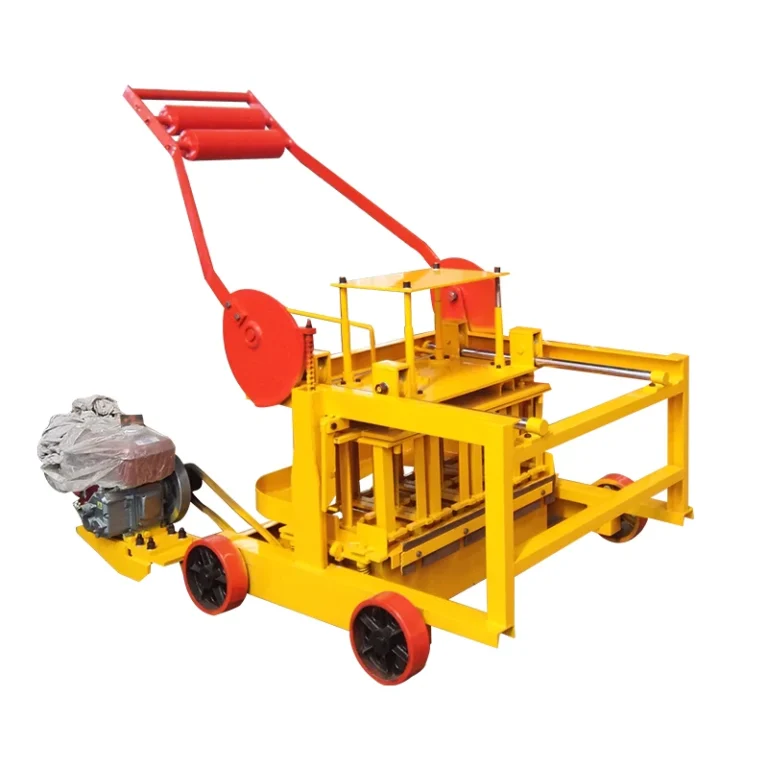 Mobile block machine
Products Detail Main technical parameters Productivity Block and Mold Sample Optional Parts Company Profile
View DetailsOur 320+ engineers will design a customized solution for your local materials, voltage and site conditions. Get a free layout plan and ROI estimation within 24 hours.