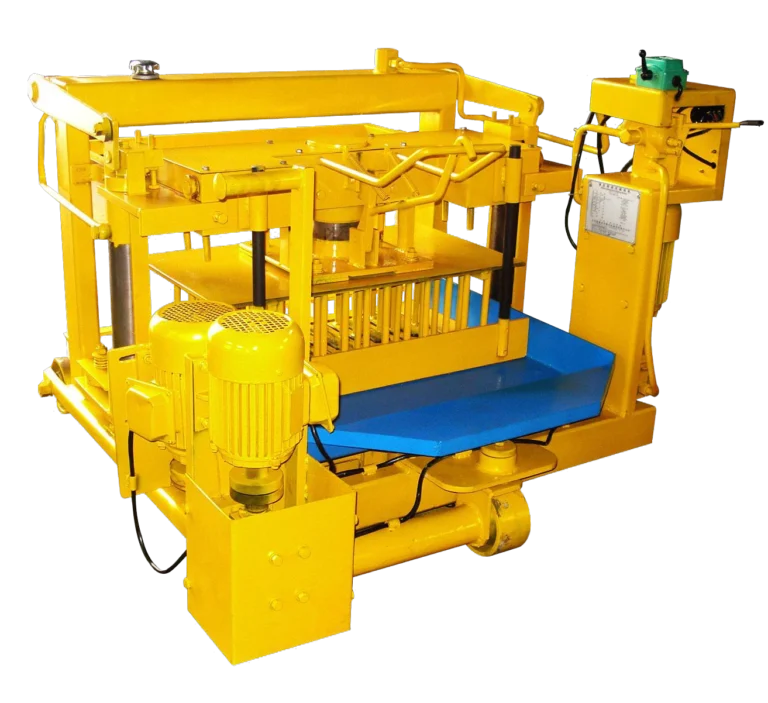
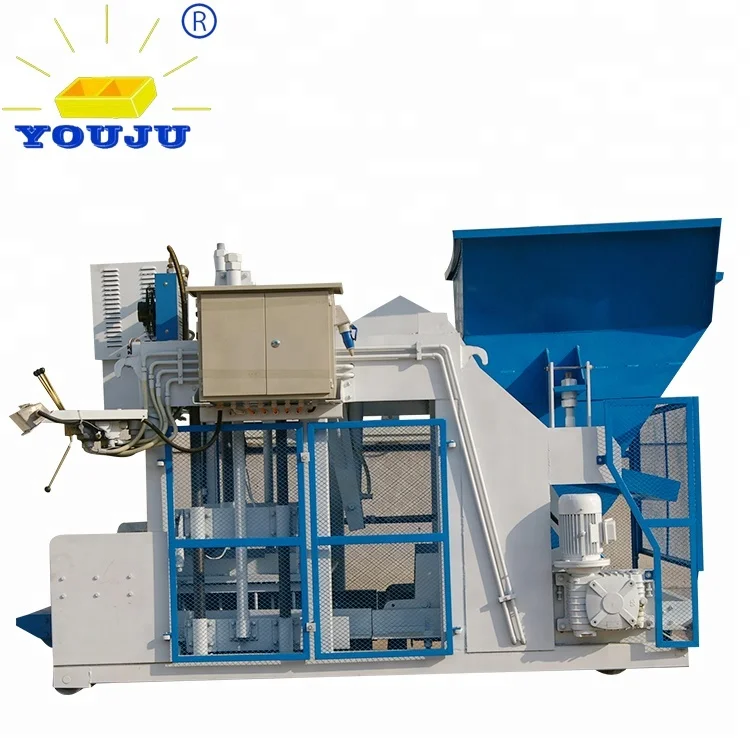
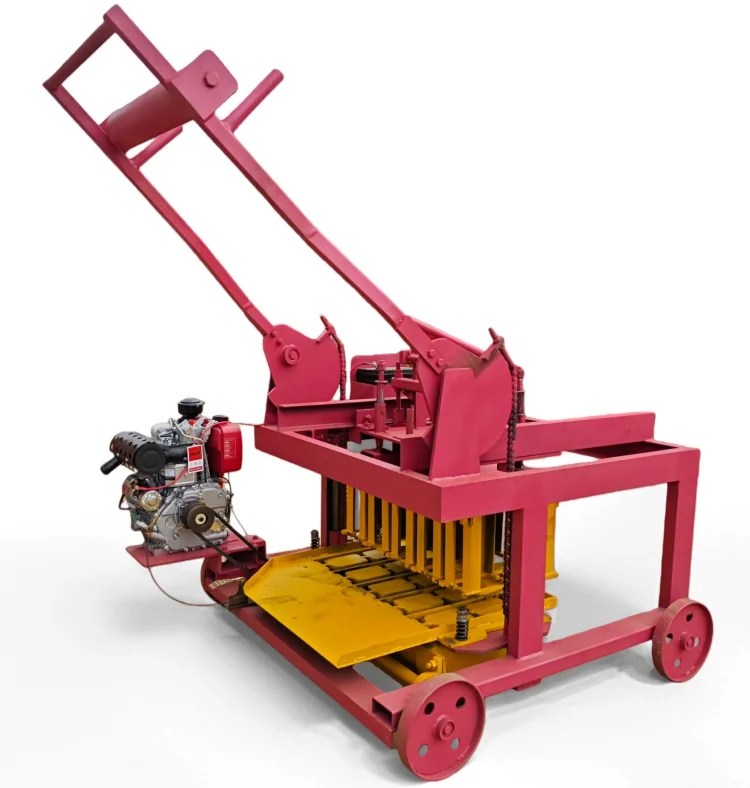
Matched System Supply — Shiyue configures the QMY12-15 mobile egg laying block machine, its moulds, and handling requirements as a single package rather than sourcing components separately, reducing on-site integration issues.
Technical Specifications
| Parameter |
Value |
| Model |
QMY12-15 |
| Product Type |
Mobile Egg Laying Block Making Machine |
| Overall Dimensions (L×W×H) |
3250×2100×2300 mm |
| Total Mass |
4200 kg |
| Total Power |
16 kW |
| Hydraulic System Pressure |
16–20 MPa |
| Excitation Frequency |
3200 Hz |
| Vibration Mode |
Three-dimensional mold vibration |
| Molding Cycle |
10–15 s (basis not stated in source) |
| Mould Output per Cycle |
12 pcs/mold (400×200×200 mm hollow block) |
| Output Capacity (400×200×200 mm) |
2,880 pcs/h, 23,000 pcs/8h (based on 15–20 s cycle) |
| Output Capacity (400×150×200 mm) |
3,360 pcs/h, 36,880 pcs/8h (based on 15–20 s cycle) |
| Output Capacity (400×100×200 mm) |
5,280 pcs/h, 42,240 pcs/8h (based on 15–20 s cycle) |
| Block Compressive Strength |
≥15 MPa |
| Demold / Turning Method |
Hydraulic |
| Moving Method |
Automatic movement with hydraulic steering |
| Control System |
Computer automatic control (PLC specifics not stated) |
| Pallet Requirement |
Not applicable (egg-laying / pallet-free) |
| Warranty |
1 year for whole machine (excluding spare parts) |
Application Suitability
| Application |
Material or Output |
| On-site hollow block production for housing projects |
Fly ash, cinder, river sand, gravel, cement |
| Paving brick and kerbstone manufacturing for infrastructure |
Crushed stone, coal gangue, industrial waste residue |
| Remote development site block supply |
Local aggregate mixed with cement, eliminating pallet logistics |
| Entrepreneurial first-entry block plant |
Various formats via mould change on a single mobile unit |
Why Voltage Verification Dictates Mobile Block Machine Viability
Confirming local voltage and frequency prevents multi-week commissioning delays that stall project timelines.
When a mobile block machine manufacturer ships equipment without verifying the destination’s power grid, the result is often a machine sitting idle while replacement motors are sourced internationally. I have seen site generators in remote development projects unable to supply the startup surge required by hydraulic systems, forcing contractors to rent larger temporary power units. The QMY12-15 draws 16 kW total power, a figure that must be cross-referenced against available three-phase supply before the machine leaves the factory [NEED_CITE: voltage and frequency standards by export market].

Positioning the QMY12-15 Within the Mobile Range
The QMY12-15 occupies the high-capacity tier of mobile egg-laying equipment, designed for contractors who need substantial daily output without investing in fixed-plant infrastructure. This mobile block machine manufacturer offers the unit with automatic movement and hydraulic steering, allowing continuous production across a prepared concrete floor. The three-dimensional mold vibration system operates at 3200 Hz, delivering the compaction force necessary for structural hollow blocks.
Understanding Egg-Laying Operation Without Pallets
Egg-laying machines deposit freshly formed blocks directly onto the ground, eliminating the recurring cost and storage space that pallet-based systems demand. The hydraulic demold and turning mechanisms ensure blocks maintain their shape during release, while the machine advances to the next position automatically. This approach suits project sites where curing space is abundant but pallet logistics would create bottlenecks [NEED_CITE: comparative logistics requirements for pallet versus pallet-free block production].
Interpreting Hydraulic Pressure and Vibration Specifications
The 16–20 MPa hydraulic system pressure works in tandem with the 3200 Hz excitation frequency to achieve block compressive strength ratings of 15 MPa or higher. In mobile block production, insufficient hydraulic pressure leads to poorly compacted blocks that crumble during handling, while excessive vibration without adequate pressure causes surface cracking. The three-dimensional mold vibration addresses all faces of the block simultaneously, reducing density variations that appear when vibration is applied from only one direction. The 10–15 second molding cycle assumes specific material moisture content and aggregate gradation that must be validated against local raw material sources before finalizing capacity expectations.
The Hidden Cost of Unconfirmed Block Format Assumptions
Quoted output figures mean little when the underlying block format differs from what a contractor actually sells in their local market. A machine rated for 23,000 hollow blocks per eight-hour shift may deliver far fewer if the buyer’s market demands thicker-walled blocks requiring longer compaction cycles. Mould change capability exists on paper, but if the hydraulic system lacks quick-release fittings, format switching consumes hours of production time [NEED_CITE: typical mould change duration across mobile block machine classes].
Why Procurement Through This Mobile Block Machine Manufacturer Differs
Shiyue treats block machinery as a single focus rather than one product line among many, meaning the QMY12-15 arrives with moulds and hydraulic specifications matched to the buyer’s target format. Configuration decisions reference the buyer’s actual mix design and local aggregate availability instead of defaulting to catalogue standards. Mould design extends to custom formats based on buyer drawings, addressing markets where standard hollow block dimensions do not match local building codes. The automation level remains selectable, allowing buyers to begin with semi-automatic mobile operation and transition to fixed-plant systems later. Installation support includes operator training focused on the specific control language confirmed before shipment.
Documentation & Verification
- Line layout and capacity calculation stating the block format assumed for each output figure
- Machine specification sheet confirming hydraulic pressure, vibration frequency, and total power
- Mould drawing and format list matching the buyer’s local market demand
- Voltage and control language confirmation document before production begins
- Factory test record on the buyer’s specified block format before dispatch
Installation, Commissioning & Support
- Site preparation requires level concrete floor with adequate curing area for 4200 kg machine movement
- Power supply must accommodate 16 kW total draw with dedicated circuit protection
- Machine arrives assembled; hydraulic steering and movement systems require on-site functional verification
- First production run validates molding cycle against local material moisture and aggregate size
- Operator training covers PLC interface in confirmed language plus hydraulic system maintenance intervals
- Wear parts list identifies mould surfaces and hydraulic seals requiring periodic replacement
Information Needed for Accurate Quotation
Provide the specific hollow block dimensions your market requires, along with daily output targets based on your project timeline. Share your available raw materials and their typical moisture content so we can assess compatibility with the QMY12-15’s hydraulic and vibration settings. Confirm your site’s three-phase voltage, frequency, and preferred control display language to avoid commissioning delays upon arrival.
Frequently Asked Questions
Q: How is the QMY12-15 output capacity calculated per block format?
A: Output figures are derived from the mould cavity count multiplied by achievable cycles per hour, with the QMY12-15 producing 12 pieces per cycle for 400×200×200 mm hollow blocks. The stated 15–20 second cycle assumes specific material conditions; actual throughput varies with aggregate size, moisture content, and operator rhythm during continuous production runs.
Q: Where does this mobile machine sit compared to semi-automatic and automatic tiers?
A: The QMY12-15 represents the high-capacity mobile option, requiring no fixed plant infrastructure or pallet inventory. Semi-automatic systems add pallet handling and stationary presses for higher consistency, while fully automatic lines incorporate stacking and cubing. Mobile units suit project-based production; fixed plants serve continuous commercial supply operations.
Q: What voltage and control language options are confirmed before shipment?
A: The buyer specifies local three-phase voltage, frequency, and preferred PLC display language during the quotation stage. These parameters are documented and verified before production begins, ensuring the 16 kW motor configuration and control interface match site conditions upon arrival.
Q: Can the QMY12-15 be upgraded to a fixed-plant system later?
A: The mobile machine operates as a standalone entry point for on-site production. Buyers who later require pallet-based systems with automatic stacking typically transition to semi-automatic or automatic stationary presses rather than converting the egg-laying unit, though mould compatibility may carry forward depending on format requirements.
Q: What mould formats are included, and how long does a change take?
A: The QMY12-15 supports various hollow block dimensions including 400×200×200, 400×150×200, and 400×100×200 mm formats through mould replacement. Mould change duration depends on hydraulic quick-release fittings and operator familiarity; the specification sheet details the procedure, but exact timing should be confirmed based on your planned format rotation frequency.

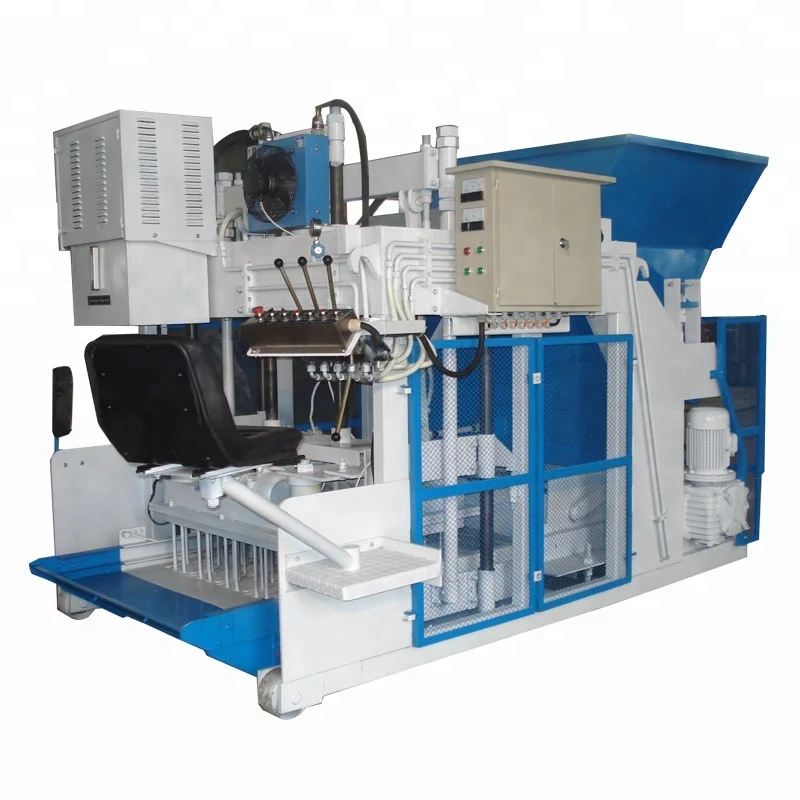
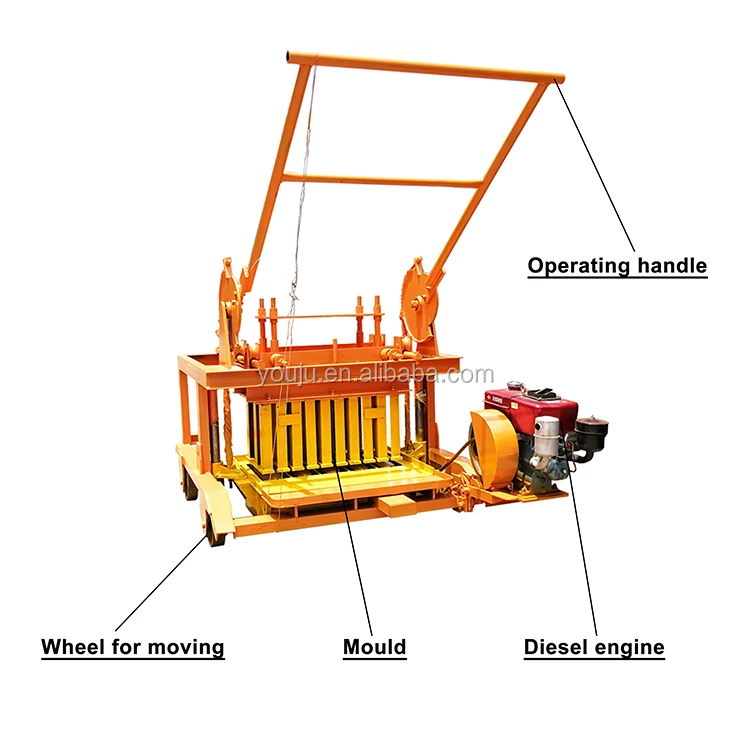 Mobile block machine