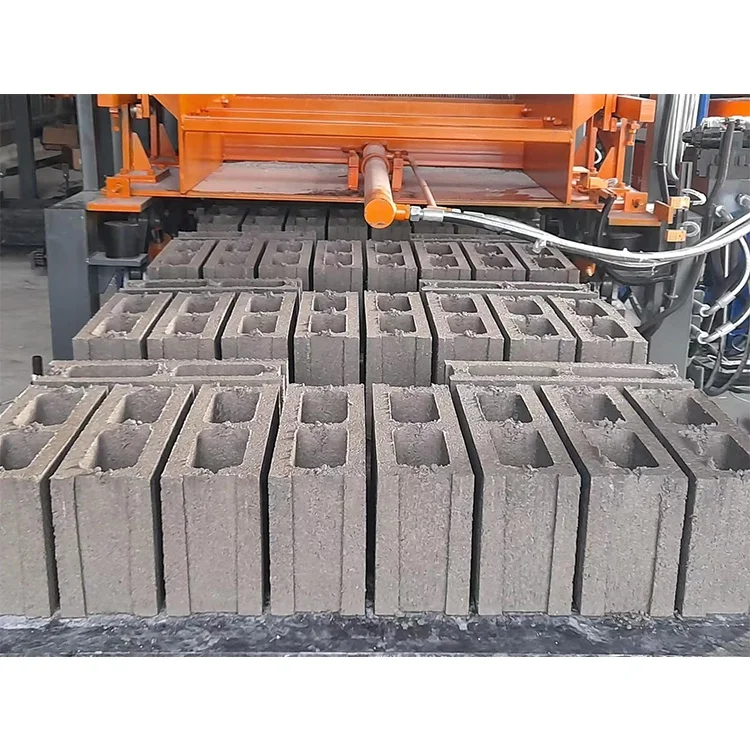
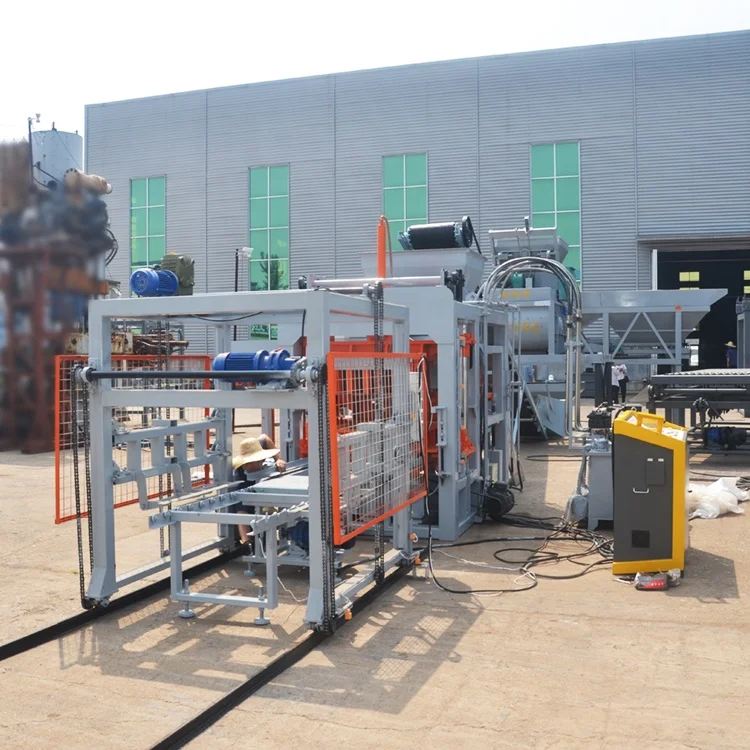
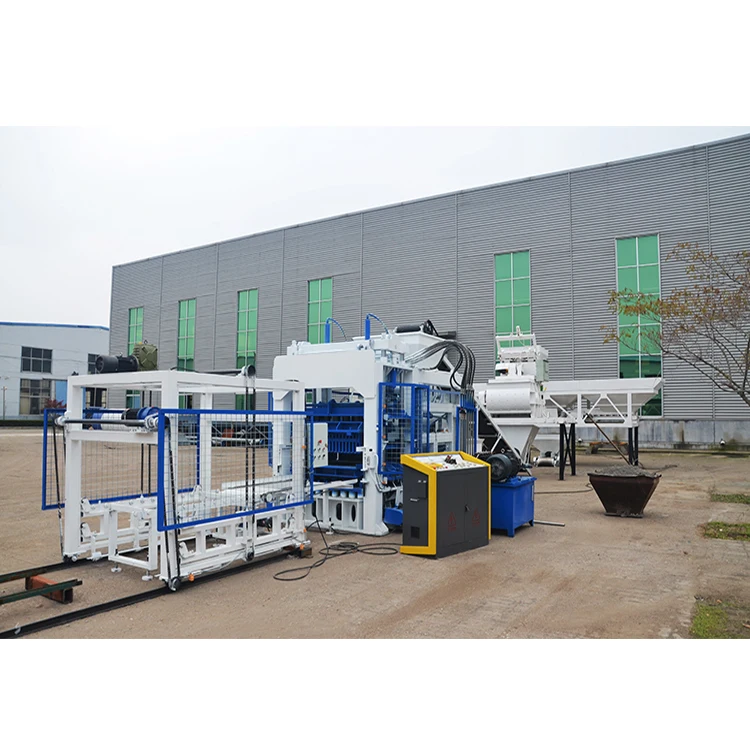
Matched System Design — hydraulic pressure, mould, and diesel powerplant are specified together so the M7MI produces interlocking blocks on sites with no grid and no fixed plant.
Technical Specifications
| Parameter |
Value |
| Model |
M7MI |
| Product Type |
Hydraulic Clay Interlocking Block Making Machine |
| Engine Type |
Diesel Engine |
| Hydraulic Pressure |
16 MPa |
| Molding Cycle |
15–20 s |
| Output Capacity |
1600 pcs/8 hr based on 300×150×100 mm interlocking block, 1 pc/mould, 20 s cycle |
| Overall Dimensions (L×W×H) |
3200×1100×1500 mm |
| Total Mass |
1100 kg |
| Mould Format |
Interlocking block (multiple formats by changing moulds) |
| Raw Material Compatibility |
Clay, soil, concrete |
| Power Source |
Diesel |
| Rated Power |
7.5 kW |
Application Suitability
| Application |
Material or Output |
| Housing project on-site wall construction |
Locally sourced clay or soil interlocking bricks |
| Rural construction without grid electricity |
Diesel-powered interlocking block production |
| Small-scale block supply business |
Concrete or soil interlocking pavers and wall units |
| Contractor-led development projects |
Mortarless interlocking wall blocks produced at the build site |
Why Quoted Output Rarely Survives the First Week on Site
The number on the nameplate only holds true when the block format, material, and cycle time are all stated together.
Buyers routinely receive a capacity figure that assumes a specific interlocking block size and an ideal clay mix, then discover their local soil or their chosen wall format produces noticeably fewer units per shift. On projects I have supervised in West Africa, a soil with higher sand content than the factory sample forced the crew to slow the cycle just to keep the interlock edges intact. The mobile interlocking clay block machine manufacturer you choose should confirm throughput against your actual block profile and raw material, not a catalogue default [NEED_CITE: field output verification standards for mobile block presses].

Where the M7MI Sits in the Full Range
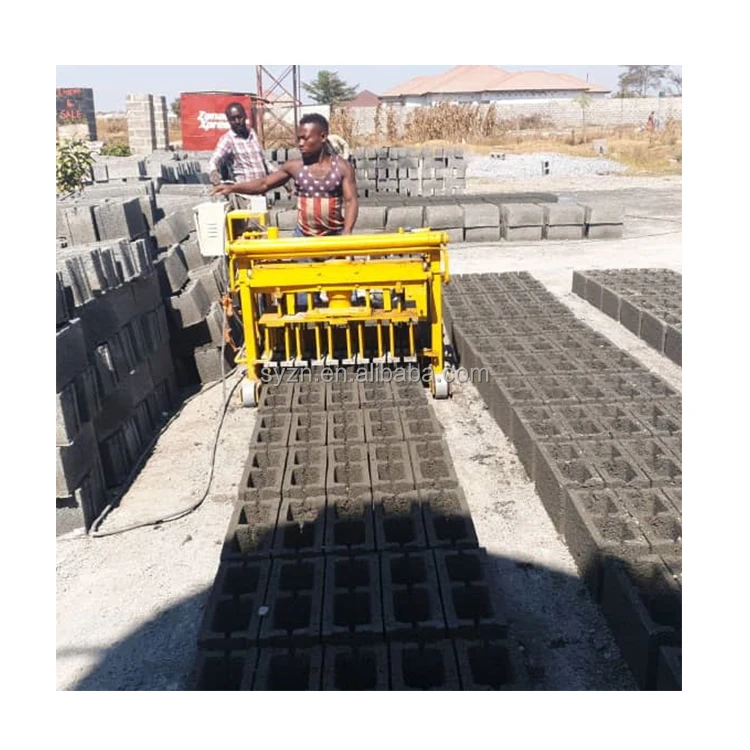
The M7MI occupies the mobile and egg-laying tier of the Shiyue block machinery line. It is designed for buyers who need interlocking block production without investing in a fixed batching plant, curing yard, or grid connection. For contractors working on a housing development where the building footprint changes week to week, this machine moves with the work face. Higher tiers in the range — semi-automatic stationary presses and fully automatic lines with pallet handling and cubing — assume a permanent plant layout and reliable three-phase power.
Diesel Power and the Off-Grid Reality
A diesel engine removes the single largest infrastructure precondition for block production: a stable electrical supply. In rural development zones and early-stage construction sites, grid power may be months away or subject to daily outages. The M7MI carries its own prime mover, so block pressing begins the day the machine is offloaded. This mobile interlocking clay block machine manufacturer specifies the engine to match the hydraulic pump demand, avoiding the underpowered drives that cause pressure drops mid-cycle [NEED_CITE: diesel engine sizing for hydraulic block presses].
Pressure, Cycle, and Block Density
The 16 MPa hydraulic pressure is what compacts the clay or soil into an interlocking block with sufficient green strength to be handled and stacked immediately after ejection. A 15–20 second moulding cycle gives the operator time to position the machine, charge the mould, press, and release — a rhythm that balances throughput against the need for consistent interlock geometry. Lower pressure would produce blocks that chip at the tongue-and-groove edges; a faster cycle would shorten compaction time and reduce density. These two parameters are matched to each other and to the mould cavity volume.
When the Wrong Configuration Reaches the Site
A mobile press configured for a clay mix the buyer cannot source locally forces a material substitution that changes moisture behaviour and compaction response. I have seen crews add extra water to compensate for a sandy soil, only to produce blocks that slump before the interlock profile sets. Pallet and handling assumptions also matter: if the buyer expects automatic ejection onto a conveyor but the machine is configured for manual offload, labour planning for the shift falls apart [NEED_CITE: raw material mismatch in mobile block production].
Why Buyers Source This Range Here
Block machinery is the sole focus of Shiyue, so the press, mould, and handling are specified as one system rather than assembled from separate suppliers. The M7MI configuration is set against the buyer’s local clay or soil characteristics, not a generic setting. Mould design covers the interlocking profiles the buyer’s market actually demands, including custom drawings. The automation level is selectable, so a buyer can begin with manual offload and move to assisted handling later. Installation and commissioning include operator training on the actual material the crew will feed into the hopper.
Documentation & Verification
- Capacity calculation stating the interlocking block format and cycle time assumed
- Machine specification sheet with hydraulic pressure and moulding cycle confirmed
- Mould drawing and format list for the interlocking profiles your market sells
- Factory test record run on a representative clay or soil sample before dispatch
- Operation and maintenance manual covering diesel engine and hydraulic system service intervals
Installation, Commissioning & Support
- Level compacted ground required; the 3200×1100 mm footprint needs no fixed foundation
- Diesel fuel supply and hydraulic oil grade confirmed before first engine start
- Machine arrives assembled; wheels and tow bar fitted for on-site repositioning
- Commissioning includes hydraulic pressure setting and moulding cycle timing on your soil
- Operator training covers mould change procedure and daily hydraulic system checks
- Wear parts list identifies seal kits and mould liners for first reorder planning
What to Include in Your Inquiry
To size the M7MI correctly, share the interlocking block format your market sells, the daily output you need on an eight-hour shift, and the type of clay or soil available at the project site. Confirm whether grid power exists or will exist during the project, as an electric motor option may suit a permanent yard. State the language preference for any control labels and documentation [NEED_CITE: export documentation language requirements for construction machinery].
Frequently Asked Questions
Q: How is daily output verified, and which interlocking block format does the quoted figure assume?
A: The tabulated output of 1600 pieces per eight-hour shift is based on a 300×150×100 mm interlocking block, one piece per mould, at a 20-second cycle. If your market sells a different format, the cycle time and pieces-per-mould change, so we recalculate throughput against your specific block drawing before quotation.
Q: Can the diesel engine be replaced or supplemented with an electric motor for sites with grid power?
A: Yes, an electric motor option is available for locations where three-phase power is stable. The hydraulic pump and pressure rating remain identical, so block density and cycle time do not change. Confirming voltage and frequency before production avoids commissioning delays on arrival.
Q: What interlocking profiles are available, and how long does a mould change take on-site?
A: Multiple interlocking profiles are produced by swapping moulds on the same press. Mould drawings are confirmed against your market requirements before build. On-site changeover involves unbolting the mould box, lifting out the old insert, seating the new one, and re-securing — a task the operator learns during commissioning training.
Q: Where does the M7MI sit in the full machine range relative to semi-automatic and automatic tiers?
A: The M7MI is the mobile tier, built for on-site production without a fixed plant. Semi-automatic machines assume a stationary layout with manual pallet handling, while automatic lines add pallet feeding, stacking, and cubing. Buyers choose the tier based on site mobility needs, available power, and the level of handling automation their labour plan supports.

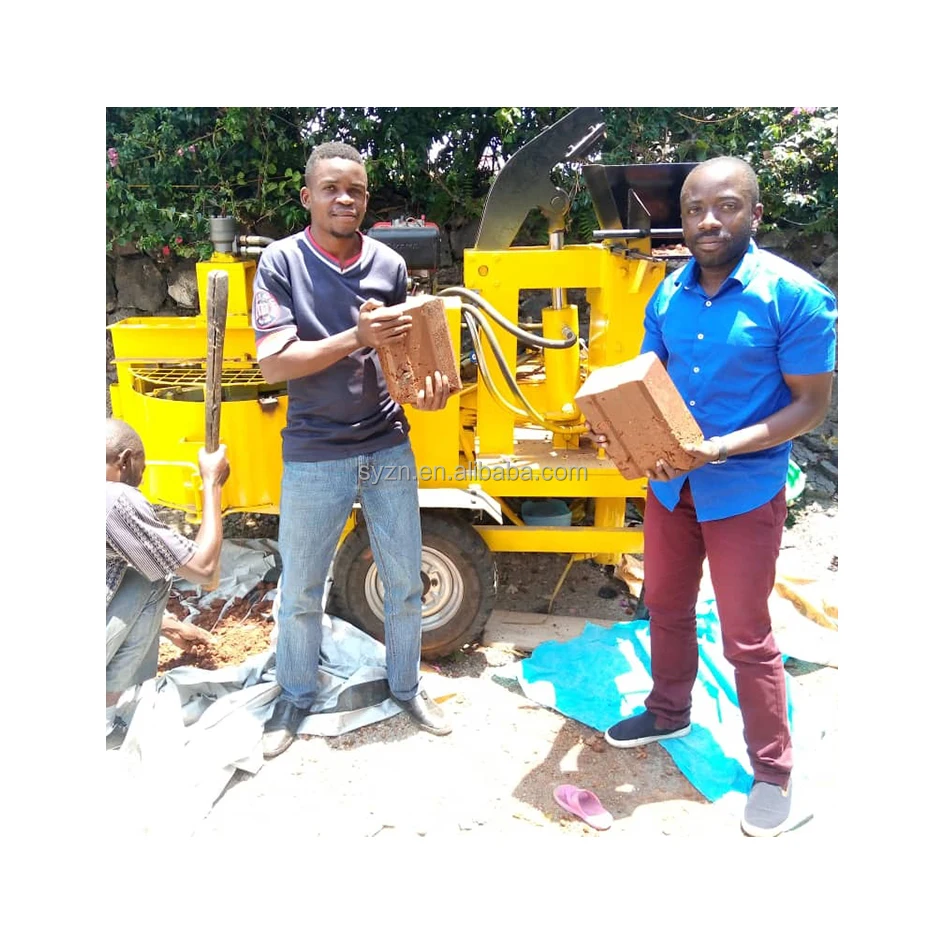
 High quality block machine