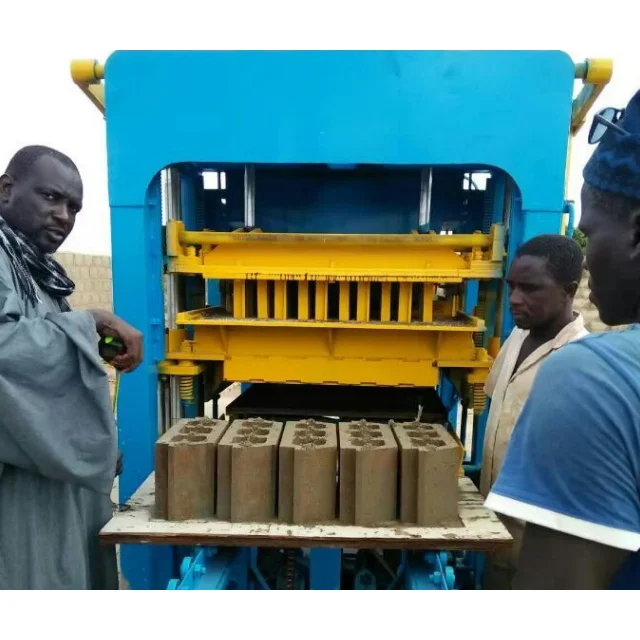
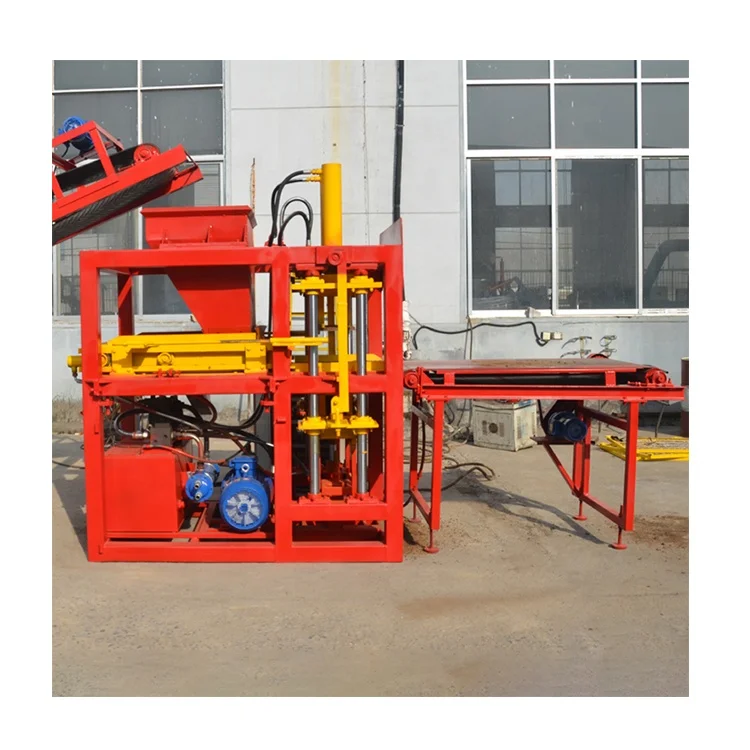
Block machinery as a single focus — the QT4-18 automatic block making machine is specified as one matched system of press, mould, pallet and handling, not assembled from separate suppliers, so you can place it correctly within the full range before committing capital.
Technical Specifications
| Parameter |
Value |
| Model |
QT4-18 |
| Product Type |
Automatic Concrete Block Making Machine |
| Overall Dimensions (L×W×H) |
2500×1750×2200 mm |
| Rated Pressure |
16 MPa |
| Vibration Form |
Platform Vibration |
| Pallet Size |
950×550 mm |
| Molding Cycle |
18–25 s (basis to be confirmed with target block format) |
| Overall Power |
27.5 kW |
| Control System |
PLC with frequency converter |
| Electrical Components |
Schneider |
| Mould Lifting Mechanism |
Double-sided sync gears |
| Material Feeding System |
Hopper, feeding box, feeding platform, conveyor system |
| Pallet Loader Actuation |
Hydro-cylinder |
| Block Receiver |
Chassis, transport system, idlers, motor + reducer + triangular belt |
| Support Equipment Options |
JQ500 concrete mixer, 8 m or 6 m belt conveyor, stacker, block gripper, extra moulds, trolley, concrete batching plant |
| Voltage & Frequency |
Configurable to target market standard (basis to be confirmed) |
| PLC Display Language |
Configurable (basis to be confirmed) |
| Assembly State |
Requires on-site foundation pouring per installation layout drawing |
| Mould Change Procedure |
Manual, multi-step with block conveyor and small forklift |
Application Suitability
| Application |
Material or Output |
| Hollow block production |
Crushed stone, cement, sand, fly ash mixes |
| Solid block production |
Dense aggregate and cement blends |
| Paving block production |
Fine aggregate, cement, pigment layers |
What "18–25 Seconds per Cycle" Leaves Out for the QT4-18
Cycle time means nothing without the block format it assumes.
I have watched buyers sign off on an automatic block making machine manufacturer quotation showing a fast cycle, only to find the daily tally on site falls well short once the actual hollow block or paver format is loaded into the press. The QT4-18 molding cycle of 18–25 seconds is a mechanical figure measured under specific conditions; the block format, mix design and local aggregate all shift that number [NEED_CITE: concrete block cycle time dependence on format and mix]. Before comparing tiers in the range, confirm which exact block the cycle was measured against.

Where the QT4-18 Sits in the Full Machine Range
The QT4-18 occupies the mid-tier of the automatic block making machine manufacturer lineup, sitting above mobile egg-laying units and below high-capacity automatic lines that add full stacking and cubing. Buyers setting up a first block plant often land here because the 27.5 kW overall power and 950×550 mm pallet size keep the plant footprint and electrical demand manageable while still delivering PLC-controlled consistency. The frequency converter allows single-operator console control, which matters when skilled labour is scarce on a new site.
Comparing Semi-Automatic and Automatic Tiers Before You Decide
Semi-automatic machines in the range shift pallet handling and stacking to manual labour, lowering the initial investment but raising the headcount on the production floor. The QT4-18 introduces a hydro-cylinder pallet loader and a motorised block receiver, removing the heaviest manual steps without requiring the full automatic stacking and cubing system of the upper tiers [NEED_CITE: automation level selection for concrete block plants]. This makes it a practical entry point for entrepreneurs who plan to add automation modules later as market volume grows.
Reading the Core Specifications for Real Output
The 16 MPa rated hydraulic pressure and platform vibration work together: pressure compacts the mix while vibration settles aggregate into the mould cavity, and the resulting block density depends on both being matched to your local mix design. The double-sided sync gear mould lifting mechanism keeps the mould aligned during each lift, reducing uneven wear that leads to out-of-tolerance blocks over time. A pallet size of 950×550 mm must be cross-checked against the curing racks and forklifts already on your site; ordering pallets that do not fit existing curing infrastructure is a common and expensive oversight. The Schneider electrical components and PLC with frequency converter give the operator precise control over vibration duration and feeding speed, which directly affects block-to-block consistency across a shift.
The Hidden Cost of Skipping Configuration Checks
When voltage, frequency and PLC display language are left unconfirmed before production, the machine arrives on site and sits idle while panels are rewired or operators struggle with an interface they cannot read [NEED_CITE: voltage and frequency standards by export market]. A mould change that should take minutes stretches into most of a shift if the format list was never matched to the blocks your local market actually sells. Pallet handling and stacking left out of the quotation means output piles up on the floor waiting for manual labour, erasing the cycle time advantage you paid for.
Why Buyers Source the QT4-18 Through This Range
Block machinery is the single focus here, so the QT4-18 press, moulds, pallets and handling equipment are specified as one matched system rather than assembled from unrelated suppliers. Configuration is set against your actual mix design and local aggregate, not pulled from a catalogue default. Mould design covers the formats your market sells, with custom drawings available when standard options do not match. The automation level is selectable, so you can start with the QT4-18 semi-automatic setup and add stacking or cubing modules as volume justifies the investment. Installation support includes operator training on the PLC console and mould change procedure so the first production run is not a learning exercise on live orders.
Documentation & Verification
- Line layout and capacity calculation stating the block format assumed for the QT4-18 cycle time
- Machine specification sheet covering the 16 MPa pressure, 27.5 kW power and pallet dimensions
- Mould drawing and format list matched to your local hollow block, solid block and paver demand
- Voltage, frequency and PLC display language confirmation record before production begins
- Factory test record and packing photographs of the QT4-18 prior to container loading
Installation, Commissioning & Support
- On-site foundation pouring per the QT4-18 installation layout drawing before the 2500×1750×2200 mm frame is positioned
- Dedicated electrical circuit sized for the 27.5 kW overall power at the confirmed voltage and frequency
- Machine arrives dismantled for container shipment and is reassembled on the prepared foundation
- First commissioning run verifies PLC language, frequency converter settings and mould alignment on your block format
- Operator training covers the manual mould change procedure using the block conveyor and small forklift
- Wear parts list and mould maintenance schedule provided for the 950×550 mm pallet and double-sided sync gear mechanism
What We Need from You to Narrow Down the Range
Share the exact block formats your market sells, the target daily output per format, and the raw materials available locally so the capacity calculation reflects real conditions rather than a catalogue figure. Confirm your site voltage, frequency and preferred PLC display language so the QT4-18 electrical package is built correctly before it leaves the factory. Let us know the curing area dimensions and forklift capacity already on site so the pallet specification does not create a bottleneck downstream.
Frequently Asked Questions
Q: How do I verify realistic daily output for the QT4-18 on my block format?
A: Request a capacity calculation that names the exact block format, dimensions and mix design used to derive the cycle time. The 18–25 second molding cycle is a mechanical baseline; actual daily output shifts with hollow block versus paver geometry, local aggregate grading and curing logistics. A credible automatic block making machine manufacturer will state the assumed format alongside every output figure.
Q: Where does the QT4-18 fit compared to semi-automatic and higher tiers?
A: The QT4-18 sits in the mid-tier, adding PLC control, a hydro-cylinder pallet loader and a motorised block receiver above semi-automatic models while stopping short of the full automatic stacking and cubing found on higher-capacity lines. This makes it suitable for first-time plant owners who want consistency without the full investment, with an upgrade path available later.
Q: How are voltage, frequency and PLC language confirmed for my market?
A: These are confirmed during the quotation stage before production begins. You provide your site voltage, frequency and preferred display language, and the electrical package is built to match. Skipping this step is one of the most common causes of commissioning delays once the machine arrives on site.
Q: What plant footprint and foundation does the QT4-18 require?
A: The machine frame measures 2500×1750×2200 mm and requires a poured concrete foundation per the installation layout drawing. Total plant footprint depends on the supporting equipment selected — mixer, belt conveyor length, curing rack area and pallet storage — all of which should be plotted in the line layout before ground is broken.

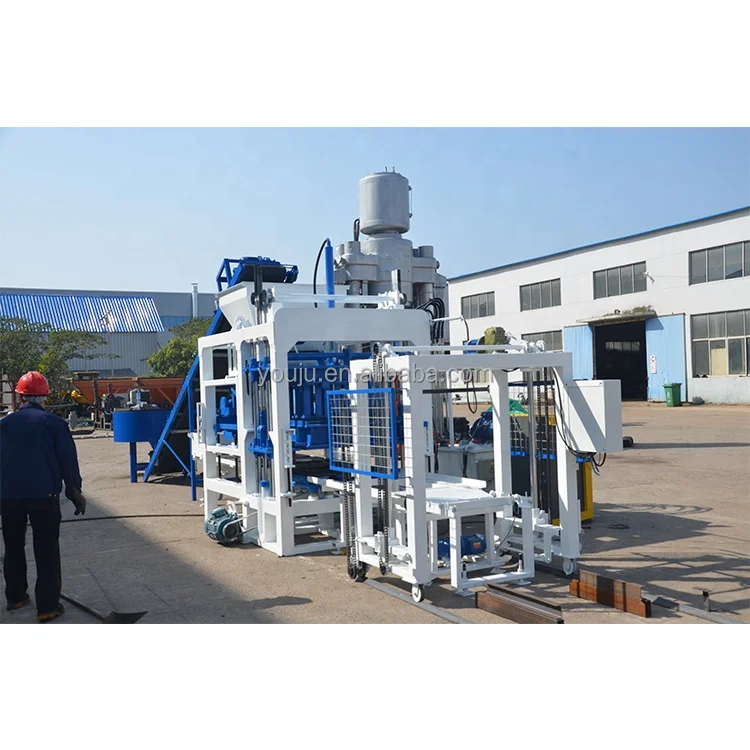
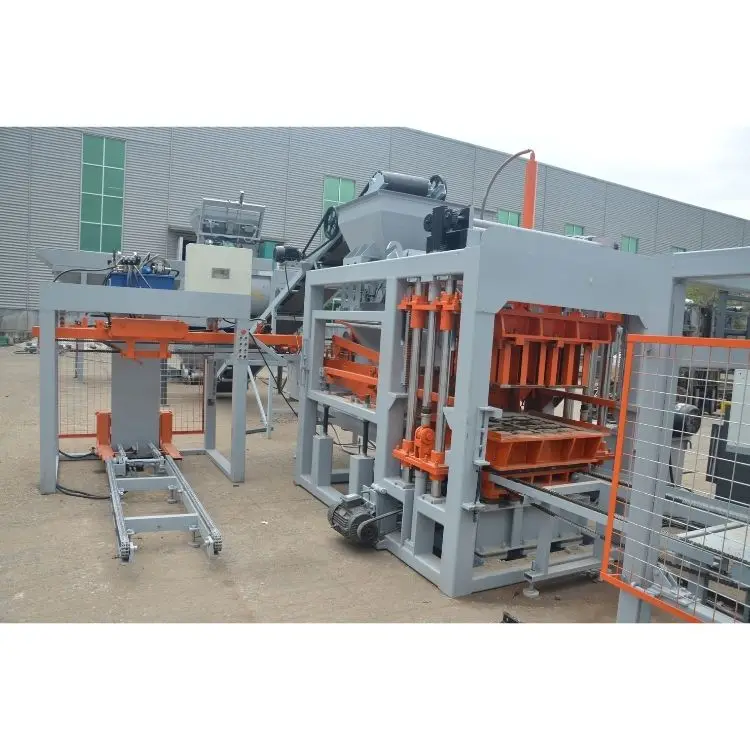 Semi automatic block