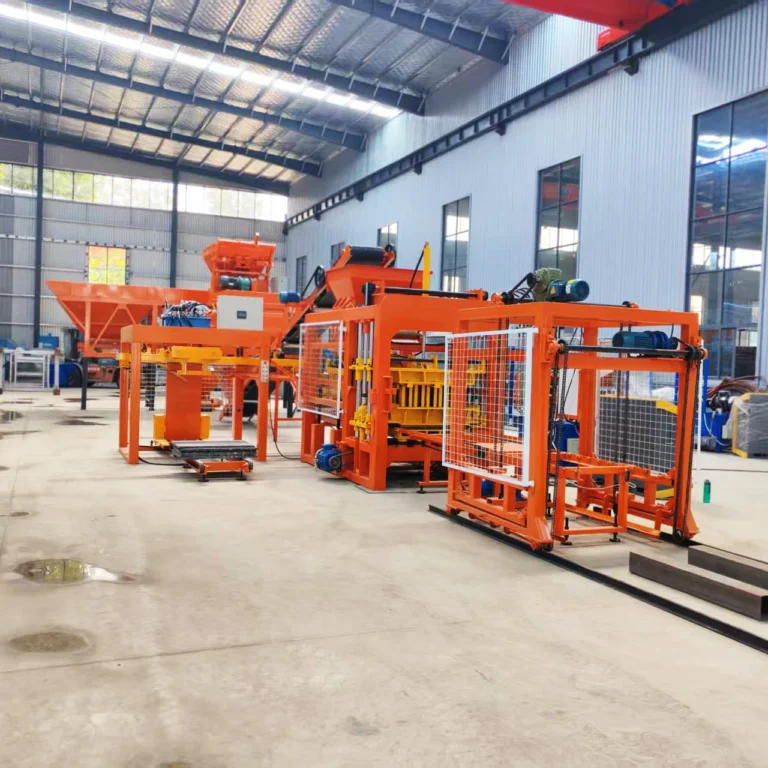
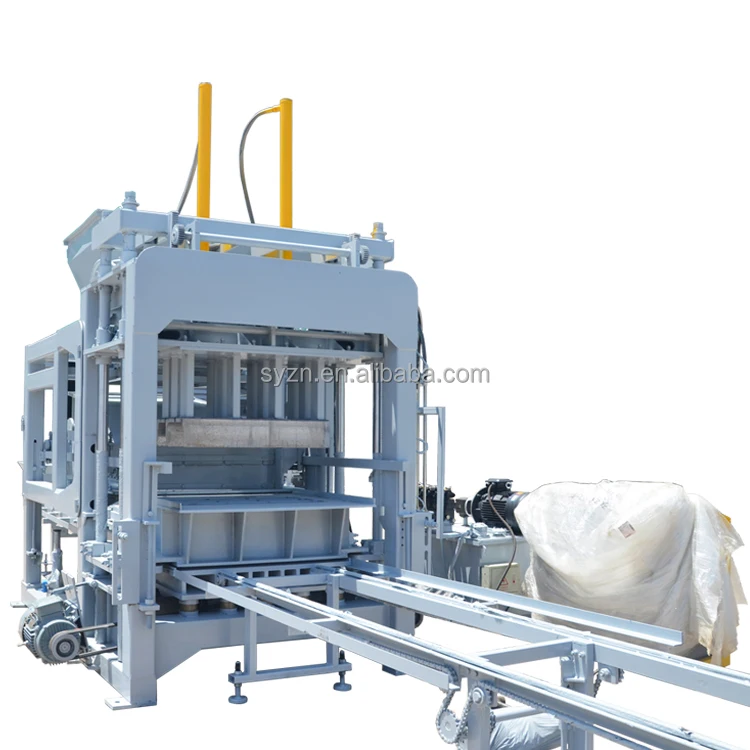
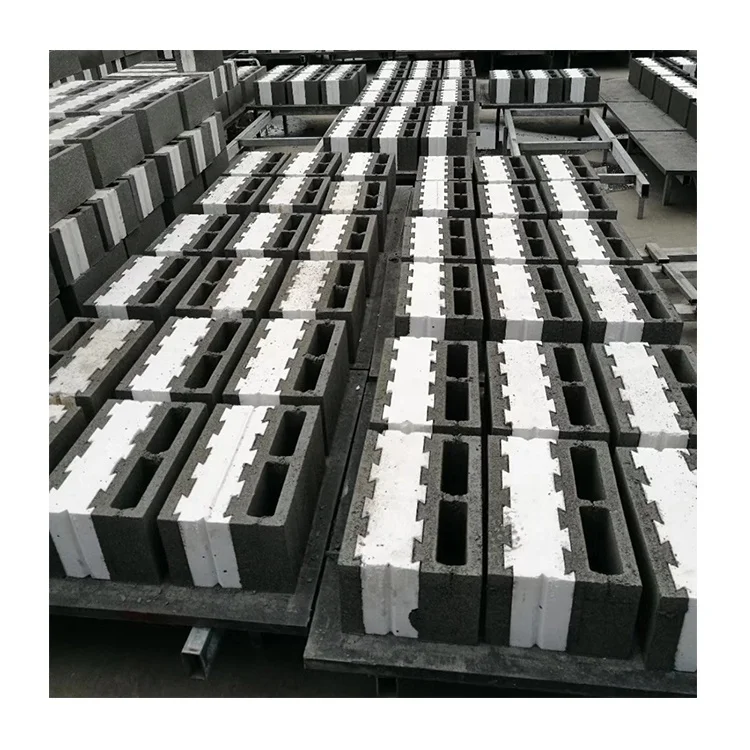
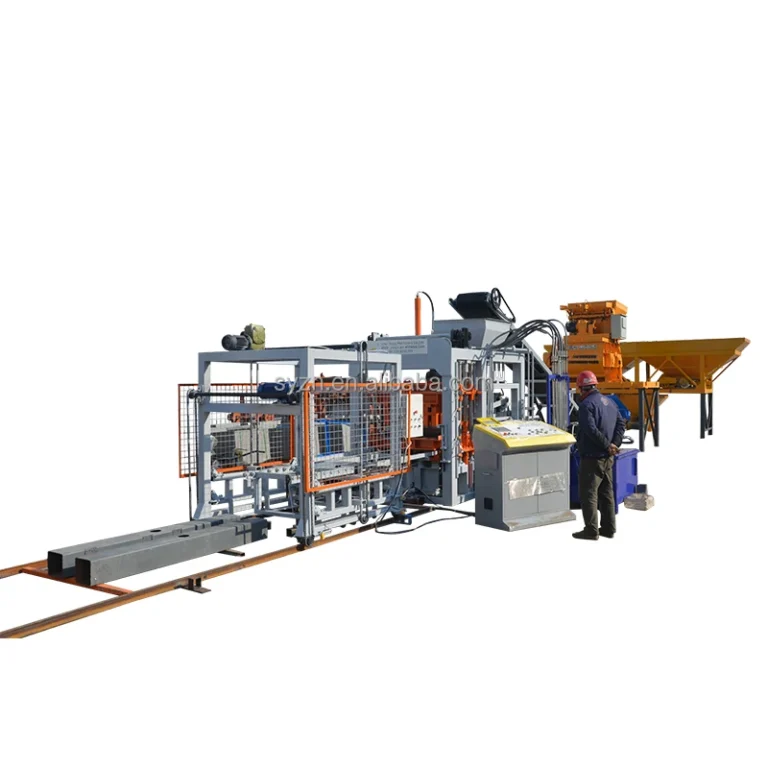
Matched System Sizing — Every QT12-15 line is configured around the buyer’s target block format, local aggregate and curing layout before the quotation is issued, so the press, mould, pallet and handling equipment perform as one rated unit.
Technical Specifications
| Parameter |
Value |
| Model |
QT12-15 |
| Product Type |
Hydraulic Concrete Block Making Machine |
| Rated Power |
62 kW |
| Vibration Type |
Table vibration |
| Vibration Force |
120 kN |
| Pallet Size |
1300 × 900 mm |
| Moulding Cycle |
15–30 seconds (basis not stated in source — confirm block format and material) |
| Voltage & Frequency |
Customized to buyer’s local industrial supply |
| Control System |
Available with PLC or MCC control (basis to be confirmed) |
| Mould Configuration |
Customized to required block formats |
| CE Declaration |
Available where applicable |
Application Suitability
| Application |
Material or Output |
| Hollow block production for load-bearing walls |
Concrete with cement, sand and crushed stone aggregate |
| Solid block manufacturing for structural masonry |
Dense cement-based mix with local aggregate |
| Paving block and interlocking brick runs |
High-density concrete mixes requiring full compaction |
| Kerbstone and slope protection brick forming |
Heavy-format concrete products on standard pallets |
| Porous brick production for permeable surfaces |
Open-graded aggregate mix with controlled binder ratio |
Why the Quoted Cycle Time Rarely Matches Your Floor Output
Buyers compare QT12-15 hydraulic block making machine manufacturer quotes side by side and see cycle times listed as a single range, with no mention of which block format that number assumes. A 15-second cycle on a thin paving tile is not the same machine hour as a 30-second cycle on a 200 mm hollow block. The difference in daily output between the two formats can be substantial, yet the quoted figure looks identical on paper [NEED_CITE: block format impact on actual daily throughput]. When a plant is planned around the optimistic number and the buyer’s market actually sells hollow blocks, the shortfall appears only after the machine is running and commitments to contractors are already in place.

Placing the QT12-15 in the Full Machine Range
The QT12-15 occupies the high-capacity tier of the automatic block machine range, sitting above the semi-automatic models that suit smaller plants with limited capital and the mobile egg-laying machines used for on-site production without a fixed curing area. For a buyer surveying options, this is the tier where a dedicated production hall, pallet return system and curing rack handling become part of the standard line rather than optional extras.
What Separates This Tier from the Machines Below It
At this output level the press must be matched with a pallet feeding system and stacking arrangement that can keep pace, otherwise the machine spends part of each cycle waiting for the next pallet to arrive [NEED_CITE: pallet handling bottleneck in high-output block lines]. The vibration force and hydraulic pressure ratings are sized for formats that demand higher compaction, including load-bearing hollow blocks and thick kerbstones. Buyers stepping up from a semi-automatic tier will find that the automation level here removes manual pallet handling from the operator’s workload, shifting their role to monitoring and mould changeovers.
Reading the Specification Sheet Beyond the Headline Numbers
The 120 kN vibration force works together with the hydraulic pressure to determine the density and strength of the finished block. If the local aggregate contains a high clay fraction, the mix absorbs vibration differently, and the pressure setting must be adjusted to compensate — a parameter the buyer should confirm during the configuration stage, not after arrival. The 1300 × 900 mm pallet size defines how many blocks are formed per cycle, but it also determines whether the cured pallets fit the buyer’s existing forklift tines and curing rack spacing. The 62 kW rated power draw requires a dedicated circuit with adequate capacity, and the voltage and frequency must be confirmed in writing before production begins so the motor and control panel match the site supply [NEED_CITE: industrial voltage and frequency standards by export market].
The Cost of Skipping the Configuration Conversation
When a QT12-15 hydraulic block making machine manufacturer ships a unit set to a catalogue default rather than the buyer’s actual mix and target format, the problems surface in sequence. Block strength fails the local standard on the first test batch, forcing a reformulation that delays the project. The pallet size does not match the curing racks already on site, requiring a separate rack purchase or manual restacking. Voltage arrives wrong for the local grid, and the control panel display shows in a language the operators cannot read, adding weeks before commissioning is complete [NEED_CITE: common commissioning delays from unconfirmed electrical specifications].
Why Source This Machine Through a Single-Responsibility Line
The machine, mould, pallet and handling equipment are specified as one matched system, so cycle times and capacities are calculated together rather than assembled from separate suppliers who each quote their own component in isolation. Configuration is set against the buyer’s actual mix design and local aggregate, not a generic catalogue setting. Mould design covers the specific formats the buyer’s market demands, including custom drawings where standard moulds do not apply. Automation level is selectable, allowing a buyer to start with semi-automatic pallet handling and add automatic stacking later as volume grows. Installation includes operator training on the specific mix and formats that will run on the line.
Documentation & Verification
- Line layout drawing with capacity calculation stated per block format
- Machine specification sheet confirming vibration force and hydraulic pressure as a matched set
- Mould drawing and format list with cycle time noted for each individual product
- Voltage, frequency and PLC display language confirmation document before production
- Factory test record run on the buyer’s target block format before dispatch
- CE declaration provided where applicable to destination market requirements
Installation, Commissioning & Support
- Foundation plan sized to the 62 kW vibration load and overall footprint of the QT12-15
- Electrical supply specification confirming voltage, frequency and dedicated circuit rating
- Machine dismantling schedule for container loading and on-site reassembly sequence
- First-run parameter adjustment against the buyer’s local aggregate and mix design
- Operator training covering mould change procedure and daily maintenance points
- Wear parts and mould inventory list with recommended reorder intervals
What to Include in Your Inquiry
Send the target block formats with dimensions, the daily output requirement, and a description of the available raw materials including aggregate type and any known clay or moisture content. Include the site voltage and frequency, the control language preference, and the curing area dimensions so the pallet size and handling layout can be matched from the first proposal.
Frequently Asked Questions
Q: How is the output capacity of the QT12-15 verified before purchase?
A: The capacity calculation is provided in the line layout document and states which block format each output figure assumes. Rather than quoting a single cycles-per-hour number, the proposal breaks down cycle time and daily throughput for every format the buyer plans to produce, so the real floor output matches the planning figure.
Q: Where does the QT12-15 sit compared to semi-automatic and mobile options?
A: It is positioned at the high-capacity end of the automatic range. Semi-automatic models suit smaller plants with manual pallet handling, and mobile machines handle on-site production without a fixed curing area. The QT12-15 tier requires a dedicated production hall with pallet return and stacking systems as part of the standard line.
Q: Can the voltage and control language be set for my local market?
A: Voltage and frequency are customized to the buyer’s local industrial supply and confirmed in writing before production starts. The control panel display language is specified at the same stage so operators can read the interface from the first day of commissioning without waiting for a software update.
Q: How is the 1300 × 900 mm pallet size matched to my curing setup?
A: The pallet size is evaluated against the buyer’s existing curing rack spacing and forklift tine width during the proposal stage. If the standard size does not match the current handling equipment, an alternative pallet dimension is considered so that cured pallets move from press to rack to dispatch without manual restacking.
Q: What mould formats can the QT12-15 run and how long does a change take?
A: The machine accepts moulds for hollow blocks, solid blocks, paving blocks, kerbstones, interlocking bricks and porous bricks. Each format has its own cycle time listed in the specification. Mould change time depends on the quick-release system selected and is confirmed per configuration in the proposal.

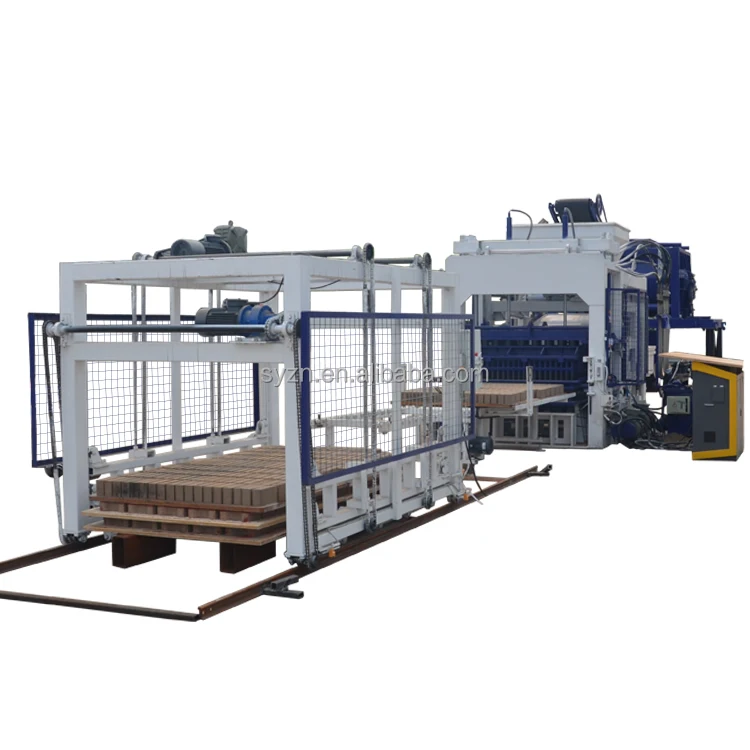
 High quality block machine