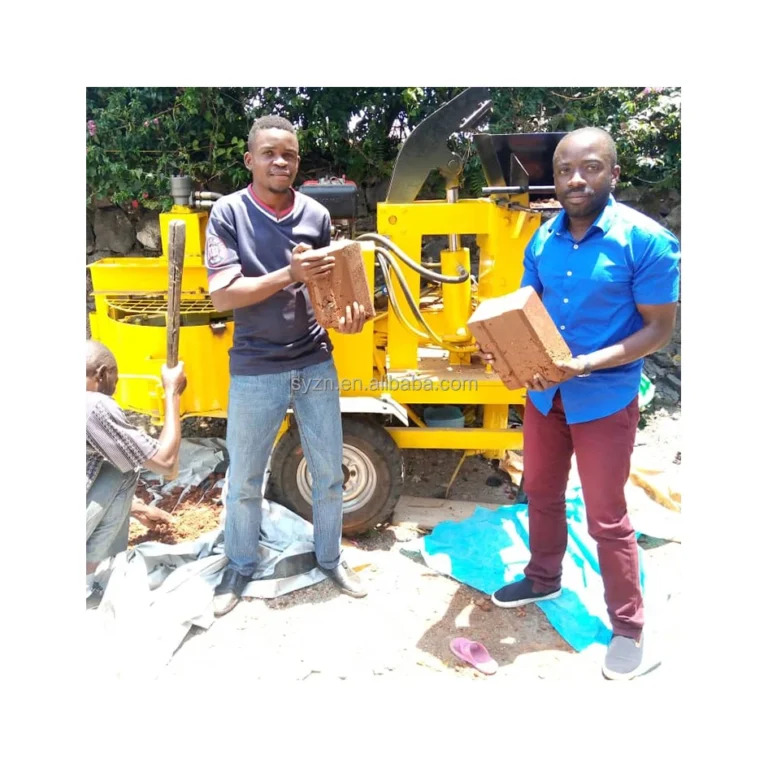
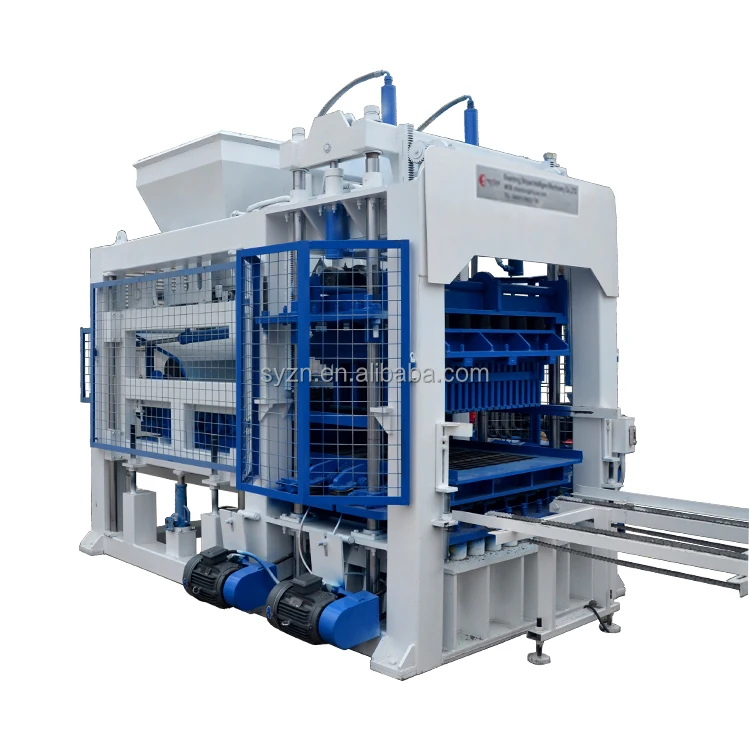
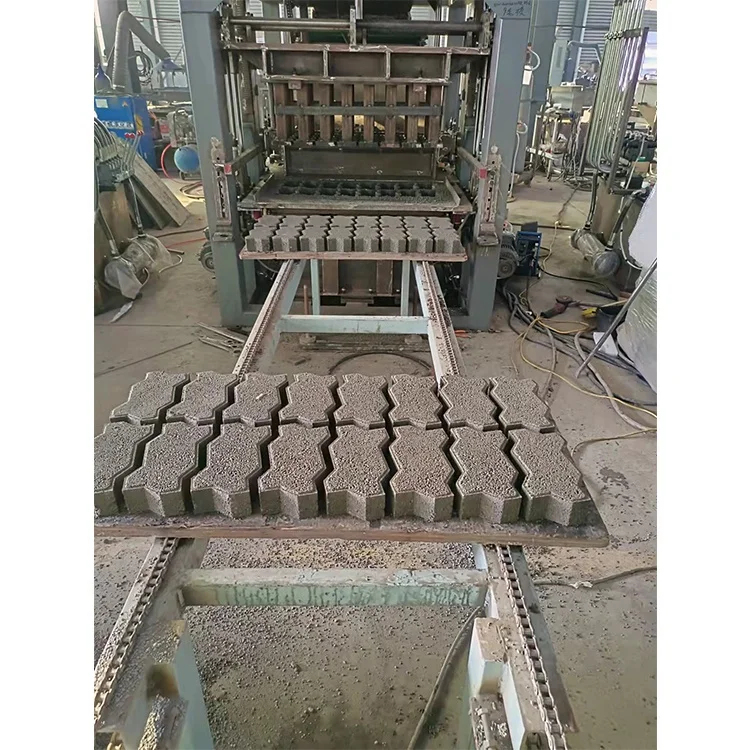
Complete System Match — the QT10-15 block making machine, its moulds, pallets, and handling equipment are specified together as one production line rather than sourced from separate suppliers.
Technical Specifications
| Parameter |
Value |
| Model |
QT10-15 |
| Product Type |
Automatic Hydraulic Block Making Machine |
| Vibration Acceleration |
20g |
| Vibration Technology |
Dynamic and static table with frequency conversion, four-axis vibration |
| Excitation Force Distribution |
Powerful synchronization frame with forced synchronization gear shaft |
| Feeding System |
Press-in arch breaker with 360° rotation |
| Cloth Platform |
Replaceable wear-resistant plate |
| Vibration Damping |
Flexible reduction on pressure head, adjustable pressure air bag on mold box |
| Mould Compatibility |
Hollow blocks, porous bricks, pavement bricks, slope protection bricks |
| Automation Level |
Automatic |
| Control System |
Frequency conversion control (PLC brand and language basis to be confirmed) |
| Output Capacity |
Varies by block format (basis to be confirmed per mould) |
| Pallet Size |
Dimensions and material basis to be confirmed |
| Hydraulic Pressure |
Rating basis to be confirmed |
| Voltage & Frequency |
Configurable per target market (basis to be confirmed) |
Application Suitability
| Application |
Material or Output |
| Hollow wall block production |
Fly ash, crushed stone, sand, and cement blends |
| Porous brick manufacturing |
Lightweight aggregate mixes with controlled moisture |
| Pavement brick production |
High-density concrete with fine aggregate gradation |
| Slope protection brick forming |
Coarse aggregate mixes requiring deep mould penetration |
| Multi-format plant operation |
Single press with mould change across masonry formats |
What "High Output" Leaves Out When No Block Format Is Named
A capacity figure means nothing unless it states which block size was running when that number was recorded.
I spent years on workshop floors before moving into technical sales, and one pattern repeats across every region I cover. A buyer receives a proposal quoting thousands of pieces per shift, signs off on the QT10-15 block making machine manufacturer deal, and then watches daily production fall short once the line starts running their actual hollow block format. The gap is rarely a machine fault. The quoted figure assumed a small solid paver, while the buyer’s market moves 400×200×200 mm hollow blocks at a completely different cycle. Every capacity claim must name the format, the mould, and the mix it was measured on [NEED_CITE: block format assumptions in capacity quotations].

Placing the QT10-15 Within the Full Machine Range
The QT10-15 sits in the high-output tier of the automatic line, designed for buyers who need continuous production volumes that semi-automatic or mobile units cannot sustain. Its four-axis vibration and 20g acceleration differentiate it from lower-tier presses that rely on simpler excitation methods. For a buyer comparing options across the range, the distinction comes down to daily volume requirements and the automation level the plant can support from day one. The QT10-15 block making machine manufacturer configuration allows a buyer to begin with semi-automatic pallet handling and add automatic stacking later as the operation scales.
Where Frequency Conversion Changes the Forming Cycle
Frequency conversion on the vibration table lets the operator dial the excitation profile to match the mix design in real time, rather than running a fixed amplitude regardless of what the hopper is feeding. On a fly ash blend that tends to segregate, lowering the frequency during the initial fill phase and ramping up during compaction produces denser blocks with fewer surface voids. The dynamic and static table combination delivers force from both directions, shortening the compaction window per cycle. This is where the QT10-15 earns its position in a high-capacity plant [NEED_CITE: frequency conversion effects on concrete compaction density].
Reading the Spec Sheet Against Your Local Aggregate
Vibration acceleration and hydraulic pressure only produce consistent block strength when they are matched to the aggregate gradation and cement ratio actually available at the plant site. A specification written around washed river sand will not translate directly to a region where only crushed volcanic tuff is economical. The press-in arch breaker with 360° rotation addresses material flow variation, but the mould cavity fill pattern still depends on particle size distribution. Before production begins, the QT10-15 block making machine manufacturer should receive a sample of the buyer’s local aggregate and target mix so that vibration timing and pressure settings are calibrated to that specific recipe. The replaceable wear-resistant plate on the cloth platform absorbs the abrasion from coarse aggregate, reducing unplanned stoppages for platform replacement.
When Pallet Size Decides Whether the Line Actually Runs
A pallet dimension chosen without regard to the curing racks and forklifts already on site turns an automatic line into a manual bottleneck. If the QT10-15 pallet does not match the curing rack slot width, every block must be re-stacked by hand before it enters the curing area. Similarly, a pallet material too light for the forklift clamp causes cracked pallets within weeks. These mismatches do not appear in the machine quotation because pallet specification is sometimes treated as an accessory afterthought rather than a core line parameter [NEED_CITE: pallet and curing rack compatibility in block plants].
Why the Full Machine Range Exists for This Decision
The QT10-15 is configured as part of a matched system where the press, mould, pallet, and handling equipment are specified against the buyer’s actual block formats and site conditions. Mould design covers the formats the buyer’s market moves, including custom drawings when standard formats do not apply. Automation level is selectable, so a plant can start with manual pallet handling and upgrade to automatic stacking and cubing without replacing the press. Installation support includes operator training on the specific control language and voltage confirmed before shipment. Documentation — from line layout with per-format capacity calculations to factory test records — is prepared against the buyer’s confirmed configuration, not a catalogue default.
Documentation & Verification
- Line layout showing capacity calculated per confirmed block format
- Machine specification sheet with voltage, frequency, and PLC language locked before production
- Mould drawing and format list covering every block the buyer’s market sells
- Factory test record run on the buyer’s confirmed mix and mould set
- Packing photographs and customs documentation prepared per shipment destination
Installation, Commissioning & Support
- Foundation plan sized to the QT10-15 vibration load and dynamic table footprint
- Dedicated power circuit matching confirmed voltage and frequency for the frequency conversion drive
- Machine dismantling and container loading plan with reassembly sequence documented
- First-run calibration of vibration acceleration and hydraulic pressure on site aggregate
- Operator training on PLC display language and mould change procedure
- Wear parts list covering the replaceable cloth platform plate and vibration damping components
What to Prepare Before Requesting a Quotation
A clear proposal starts with the block formats your market actually buys and the daily volume you need for each. Provide a sample or lab report of your local aggregate, your cement source, and any admixtures you plan to use. Confirm your site voltage, frequency, and the control language your operators read. If you already have curing racks, forklifts, or upstream mixers in place, share their specifications so the QT10-15 block making machine manufacturer can match pallet size and line feed rate to your existing equipment.
Frequently Asked Questions
Q: How is output verified, and what block format does each capacity figure assume?
A: Every output figure in the quotation states the exact block format, mould cavity count, and cycle time it was measured on. The QT10-15 capacity table lists each format separately — hollow block, paver, porous brick — so the buyer sees real daily volume for the product they actually sell, not a single inflated number based on the smallest solid block.
Q: What voltage, frequency, and PLC language options are confirmed before shipment?
A: Voltage and frequency are configured to match the buyer’s local grid standard and confirmed in writing before production begins. The PLC display language is set to the operator’s preferred language. The QT10-15 block making machine manufacturer locks these parameters during the order confirmation stage to prevent commissioning delays after arrival.
Q: Which block formats and mould sizes are available for the QT10-15?
A: The press supports hollow blocks, porous bricks, pavement bricks, slope protection bricks, and custom formats drawn to buyer specifications. Mould compatibility is multi-purpose, so a single QT10-15 can produce the full range a plant needs. Mould change time and format switching are confirmed during the proposal stage based on the buyer’s product plan.
Q: How does the QT10-15 fit within the full machine range compared to semi-automatic options?
A: The QT10-15 occupies the high-output automatic tier, suited for buyers planning large-scale continuous production. Semi-automatic and mobile machines in the range serve smaller plants or on-site contractors who need lower investment and flexible relocation. The QT10-15 block making machine manufacturer offers an upgrade path from semi-automatic to full automation without replacing the press core.

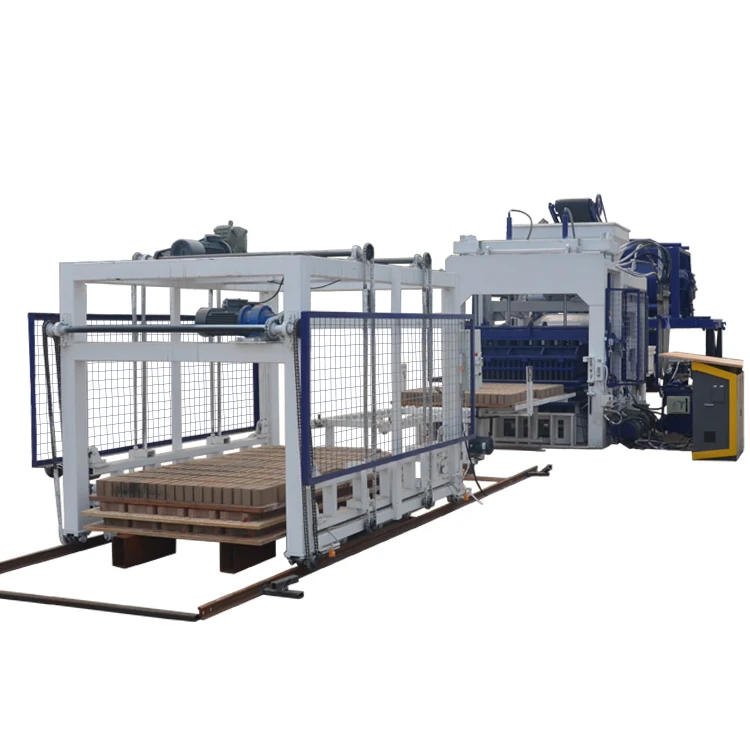
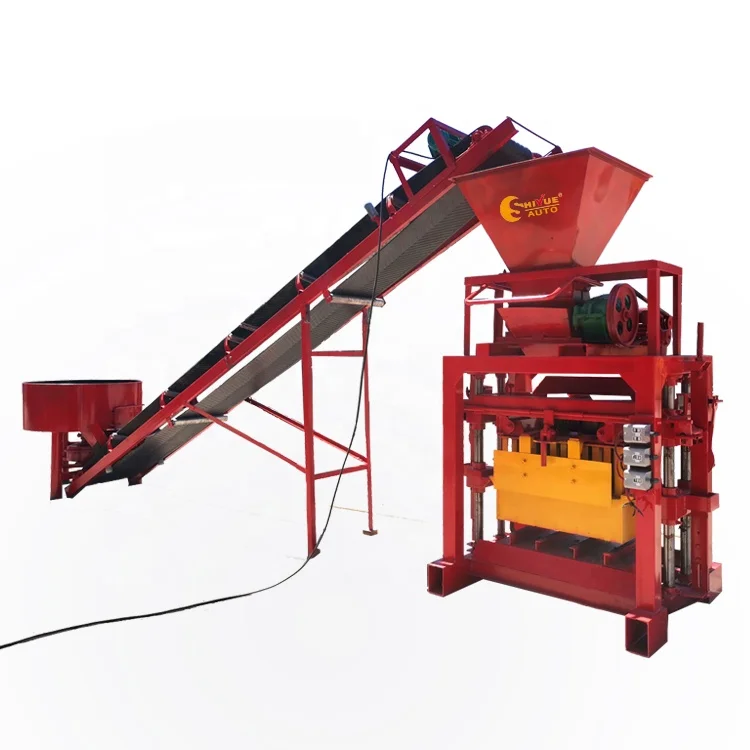 High quality block machine