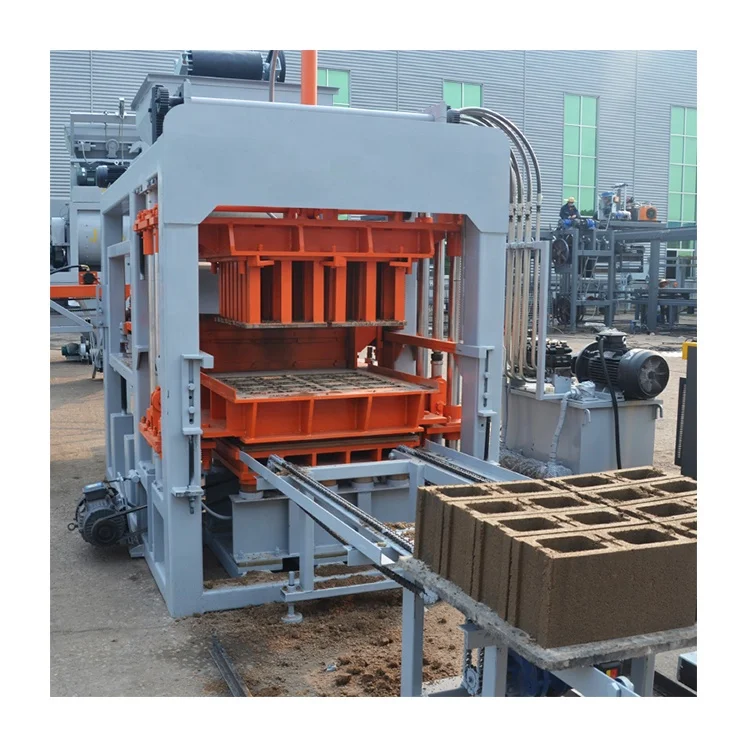
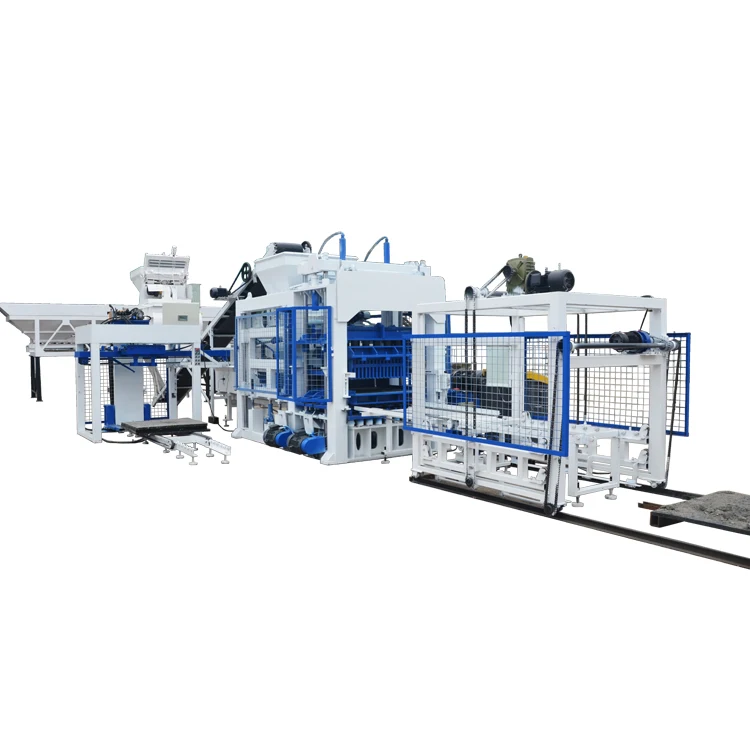
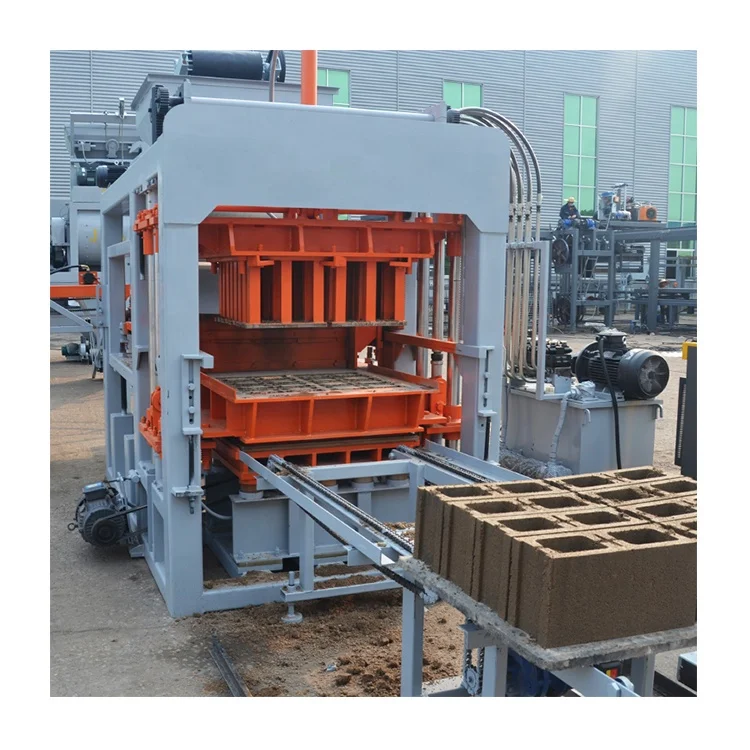
Specified as one matched system — the Eco master 7000, its interlocking mould, and the clay mix are validated together before any configuration leaves the factory, not sourced from separate suppliers and bolted together on site.
Technical Specifications
| Parameter |
Value |
| Model |
Eco master 7000 |
| Product Type |
Hydraulic Interlocking Clay Brick Machine |
| Overall Dimensions (L×W×H) |
1660 × 1400 × 2380 mm |
| Net Weight |
1300 kg |
| Power Source |
Electric motor or diesel engine (selectable) |
| Rated Power |
7.5 kW (electric) / 12 HP (diesel) |
| Hydraulic Pressure |
16–21 MPa |
| Cycle Time |
10–15 s |
| Output Capacity |
4,000–6,000 pcs/day (8 h) — basis not stated in source; confirm brick format and material thickness before relying on this figure |
| Mould Format |
Interlocking brick — 300 × 150 × 100 mm or 250 × 125 × 60 mm |
| Pieces per Mould |
2 |
| Output per Hour |
720 pcs (based on 300 × 150 × 100 mm or 250 × 125 × 60 mm interlocking brick at 2 pcs/mould) |
| Output per Day (8 h) |
5,760 pcs (based on the same formats above) |
| Pallet Requirement |
None — pallet-free operation |
| Automation Level |
Semi-automatic or automatic (configurable) |
| Voltage & Frequency |
380 V, 3-phase, 50 Hz (customizable to local grid; verify before order) |
| Control System |
Not stated in source |
| Raw Material |
Clay (80–97 %) + cement (0–8 %) + water (~3 %) |
| Motor Brand Option |
Chinese Siemens brand motor available |
| Warranty |
1 year (excluding wearing parts) |
| Assembly State |
Fully assembled, nude packing in container |
Application Suitability
| Application |
Material or Output |
| Interlocking clay brick for load-bearing walls |
Local clay soil (80–97 %) blended with cement |
| On-site brick production for housing projects |
Raw clay excavated at or near the building site |
| Small to mid-volume brick plants |
250 × 125 × 60 mm and 300 × 150 × 100 mm interlocking formats |
| Paver production where local aggregate permits |
Clay-based mix with appropriate cement ratio |
| First brick plant for entrepreneurs |
Lower initial investment entry point with upgrade path available |
What "4,000 to 6,000 Bricks per Day" Actually Means
A capacity number without a stated brick format is a number you cannot plan a business around.
Every hydraulic interlocking clay brick machine manufacturer quotes a daily output, but that figure shifts dramatically depending on whether you are pressing a 300 × 150 × 100 mm interlock or a thinner paver profile. The Eco master 7000 cycles every 10–15 seconds and delivers 2 pieces per mould, which translates to roughly 720 bricks per hour on the listed formats — yet switch to a different mould geometry and that rate changes. Before you sign a purchase order, the capacity calculation must name the exact brick format, the clay-to-cement ratio, and the curing method you will use on site. [NEED_CITE: factors affecting actual daily output in clay brick production]
Where This Machine Fits in the Range
The Eco master 7000 occupies the entry-to-mid tier of our block machine lineup. Buyers who are setting up a first interlocking brick operation or producing bricks directly on a construction site typically start here. The pallet-free design removes one entire consumable cost from your daily operating budget, and the machine footprint fits inside a standard workshop bay. For buyers evaluating the full range, this tier sits below the high-capacity automatic lines that handle multiple formats on pallet-based curing systems, giving you a clear reference point before you commit capital to a larger plant.
Scaling Path When Your Market Grows
Starting on this hydraulic interlocking clay brick machine does not lock you into a ceiling. When daily demand outpaces the 720-piece-per-hour rate on your current mould, the next tier in the range introduces automatic pallet feeding, stacking, and cubing — shifting the labour requirement while keeping the same brick format your market already accepts. The key decision is not whether to move up, but at what daily volume the additional automation pays for itself through reduced handling labour and more consistent output density across shifts. [NEED_CITE: automation upgrade considerations for block production plants]
Pressure, Cycle Time, and What Density Really Depends On
Hydraulic pressure in the 16–21 MPa range works together with the vibration cycle to determine interlocking brick density and compressive strength. Higher pressure alone does not guarantee a stronger brick — the clay mix moisture content, the cement percentage, and the dwell time under pressure all interact. A 10–15 second cycle time is typical for this class of machine, but rushing the cycle on a high-clay mix will produce bricks that crack during curing rather than bricks that cure harder. The two available mould sizes (300 × 150 × 100 mm and 250 × 125 × 60 mm) require different pressure profiles because the thicker format needs more force to reach full compaction in the deeper cavity. Matching hydraulic pressure to your specific clay source and cement ratio is the single most important configuration step, and it must happen before the machine ships.

The Cost of Skipping Voltage Confirmation Before Shipment
Arriving at a job site to find the local grid runs at 220 V / 60 Hz while your machine was built for 380 V / 50 Hz means weeks of downtime and a replacement motor order. Voltage and frequency mismatches are among the most common commissioning delays reported by machinery importers, and the fault almost always traces back to an inquiry form that never asked the question. The Eco master 7000 motor is configurable, but only if the correct specification reaches the factory before the electrical panel is wired. [NEED_CITE: common commissioning delays in imported industrial machinery]
Why Buyers Source This Tier Here
Block machinery is the single focus of this operation, which means the Eco master 7000 is specified as a complete matched unit — press, interlocking mould, and clay mix validation — rather than assembled from a catalogue and a separate mould supplier. Configuration is set against your actual local clay sample and target brick format, not a default setting. Mould design covers the interlocking profiles your regional market demands, and custom drawings are accepted. The automation level is selectable, so a buyer can begin with semi-automatic operation and add automatic features as volume grows. Installation support includes on-site commissioning and operator training so the first production run meets the same density standard as the factory test.
Documentation & Verification
- Line layout and capacity calculation naming the exact interlocking brick format used for the output figure
- Machine specification sheet confirming hydraulic pressure range, power source option, and voltage
- Mould drawing and format list covering available interlocking profiles and dimensions
- Voltage and control language confirmation document signed before production begins
- Factory test record produced on a clay mix matching the buyer’s local material
- Operation and maintenance manual with wearing parts list and replacement intervals
Installation, Commissioning & Support
- Fully assembled dispatch means the 1,300 kg unit is positioned on a level concrete pad with no major field assembly
- 7.5 kW electric motor requires a dedicated 3-phase circuit at the confirmed voltage and frequency
- Diesel engine option (12 HP) eliminates grid dependency for remote construction sites
- Hydraulic pressure set to 16–21 MPa range during commissioning, then fine-tuned to your clay mix
- Operator training covers mould change procedure, cycle timing adjustment, and daily maintenance checks
- Wearing parts list provided with first recommended replacement order to avoid unplanned downtime
Before You Request a Quote
Tell us the interlocking brick format your local market buys most — dimensions, not just a name — along with your target daily output in that format. Share a sample or analysis of your local clay so the cement ratio and hydraulic pressure can be matched to your actual material. Confirm your site voltage, frequency, and whether the control panel needs to display in a specific language. If you already have a curing area and handling equipment on site, describe those so the configuration fits your existing workflow rather than forcing you to rebuild it.
Frequently Asked Questions
Q: How is the 4,000–6,000 pieces per day capacity calculated for the Eco master 7000?
A: That figure appears in the source material without a stated brick format or mix assumption. What we can confirm is 720 pieces per hour based on the listed 300 × 150 × 100 mm or 250 × 125 × 60 mm interlocking brick at 2 pieces per mould and a 10–15 second cycle. Always request a capacity calculation that names your specific format before committing.
Q: Where does this machine sit compared to higher-capacity automatic tiers in the range?
A: The Eco master 7000 is an entry-to-mid tier option designed for first plants and on-site production. Higher tiers add automatic pallet feeding, stacking, and cubing for larger daily volumes. This tier gives buyers a lower initial investment while keeping the same interlocking brick format compatible with a future upgrade.
Q: Can the motor voltage and frequency be matched to my country’s electrical grid?
A: Yes. The standard configuration is 380 V, 3-phase, 50 Hz, but the motor and electrical panel are configurable. Voltage, frequency, and control display language must be confirmed and documented before production begins to avoid commissioning delays when the machine arrives at your site.
Q: What site conditions does the Eco master 7000 require to operate?
A: The machine is delivered fully assembled at 1,300 kg and needs a level concrete pad with adequate overhead clearance for its 2,380 mm height. Electric versions need a dedicated 3-phase circuit; the diesel engine option removes grid dependency. A curing area for interlocking bricks must be planned separately since this machine operates without pallets.

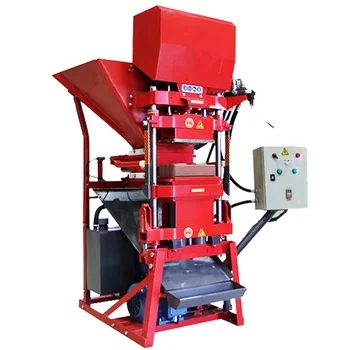
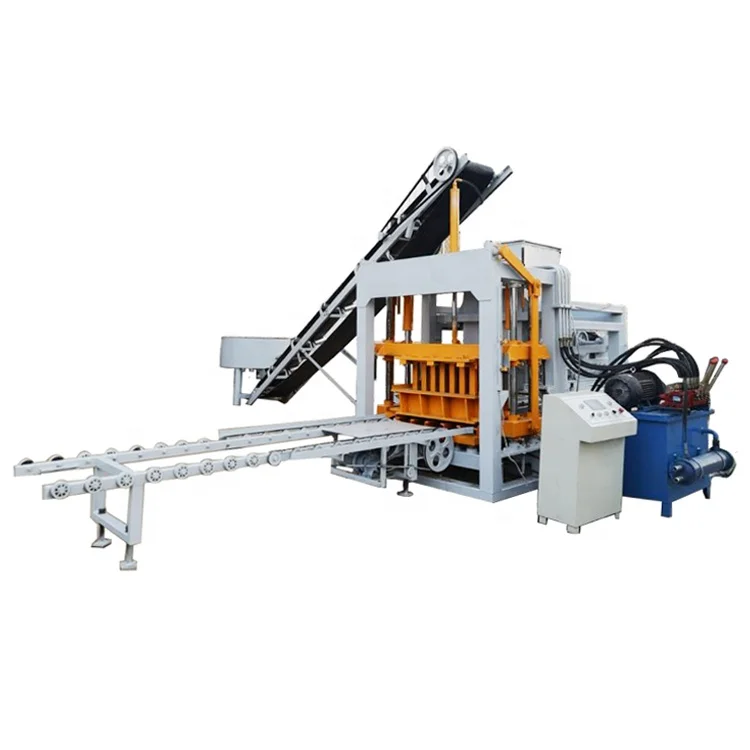 Automatic block machine