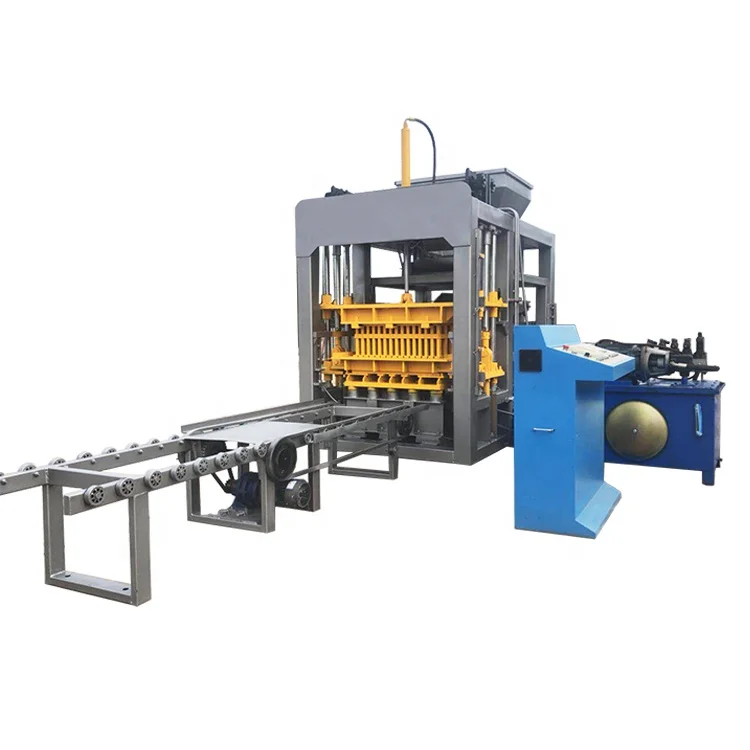
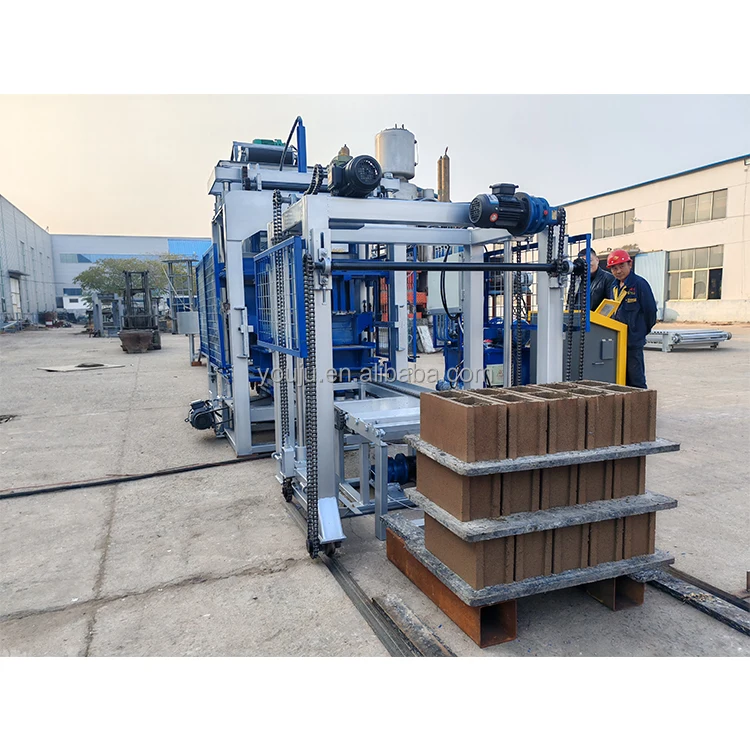
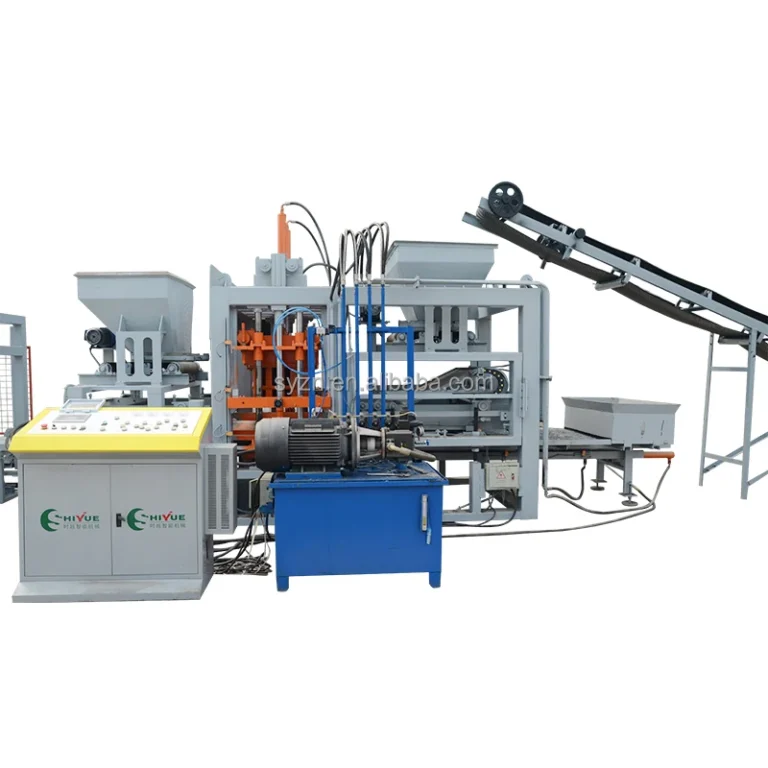
Matched System Sizing — QTJ4-25 configured against your actual mix design and target hollow block format, not a catalogue default, so output projections match reality on your site.
Technical Specifications
| Parameter |
Value |
| Model |
QTJ4-25 |
| Product Type |
Semi-Automatic Concrete Block Making Machine |
| Rated Power |
17.9 kW |
| Vibration Force |
60 kN |
| Vibration Frequency |
2800 r/min |
| Moulding Cycle |
25 s |
| Output Capacity |
960 pcs/h, 7680 pcs/day (based on 400×200×200mm hollow block, 4 pcs/mould) |
| Pallet Size |
850×550×20 mm |
| Overall Dimensions |
6400×1500×2700 mm |
| Net Weight |
2500 kg |
| Automation Level |
Semi-automatic |
| Control System |
Motor-driven with hydraulic station |
| Mould Format |
Hollow, solid, paver, curbstone (mould changeable) |
| Block Formats Supported |
8 inch, 6 inch, 5 inch, 4 inch (other sizes available on request) |
| Standard Configuration |
Host machine 1 set, block mould 1 set, JQ350 mixer |
| Stacking Method |
Manual stacking on pallets, move to curing area with trolley |
| Voltage & Frequency |
Configurable to target market (basis to be confirmed) |
| Hydraulic Pressure |
Rating to be confirmed per configuration |
| Mould Change Time |
Duration to be confirmed per format |
Application Suitability
| Application |
Material or Output |
| Small to medium block production plants |
Hollow and solid blocks from crushed stone, sand and cement |
| On-site block production for construction contractors |
Hollow blocks from locally available aggregate for housing projects |
| Entrepreneurs setting up a first block plant |
Standard hollow and solid blocks with semi-automatic workflow |
| Paver and kerbstone manufacturing |
Interlocking pavers and curbstone from fine aggregate and cement |
| Building material distributors adding formats |
Multiple block formats from a single host machine via mould change |
What "960 Pieces per Hour" Actually Means for Your Shift
Output figures only matter when tied to a specific block format and mould cavity count.
Many buyers receive a cycle-per-hour number without being told which block size it assumes, then watch daily production fall short of projections once the machine is running. The QTJ4-25 block making machine for sale is rated at 960 pieces per hour specifically based on 400×200×200mm hollow blocks with a 4-cavity mould and a 25-second moulding cycle. Switch to a smaller solid block or a paver format and the per-piece count changes because the mould cavity layout and cycle behaviour differ. [NEED_CITE: block format assumptions in capacity quotations across the industry] I have seen contractors base their entire project timeline on a single output number, only to discover mid-build that the machine produces fewer units per cycle on the format they actually need. That mismatch between quoted capacity and real output is one of the most common disputes in block machinery procurement.

Where the QTJ4-25 Fits in the Stationary Range
The QTJ4-25 block making machine for sale sits at the accessible end of the Shiyue stationary block machine range. It targets buyers starting a first block plant or adding a second line alongside an existing press, where capital outlay must stay measured but production still needs to cover multiple block formats. The semi-automatic configuration keeps the operator in the loop for pallet handling and stacking while the machine itself manages moulding, vibration and hydraulic compression through a motor-driven hydraulic station.
Semi-Automatic Workflow and What It Demands from Your Floor
With semi-automatic operation, the host machine handles the pressing cycle while pallets are fed and collected manually. This means your curing area layout and trolley routes must be planned before the machine arrives, not after. The 850×550×20 mm pallet size is fixed by the press frame, so the forklift you already own must be able to handle stacks of wet blocks on that pallet dimension. [NEED_CITE: pallet handling logistics in semi-automatic block plants] Buyers who overlook this end up moving pallets by hand across uneven ground, which damages green blocks before they reach the curing racks.
Reading the Specs That Matter on Site
The 60 kN vibration force at 2800 r/min works together with hydraulic compression to consolidate the mix inside the mould cavity. Vibration alone does not guarantee block density — it must be matched to your specific aggregate gradation and cement content, which is why I insist on seeing a material sample before finalising machine settings. The 25-second moulding cycle is a mechanical reality governed by the hydraulic station’s pressure build-up and release sequence; shortening it arbitrarily produces under-pressed blocks that fail compressive strength tests. The JQ350 mixer included in the standard configuration must keep pace with that cycle, delivering a consistent batch to the hopper before each press stroke. Pallet thickness at 20 mm must also withstand repeated vibration cycles without warping, because a warped pallet causes uneven block height across the mould.
The Cost of Skipping Configuration Details
When voltage and frequency are assumed rather than confirmed, the machine arrives and sits idle while a local electrician rewires the control panel or sources a transformer. PLC display language left unconfirmed means operators cannot read fault codes during commissioning. [NEED_CITE: commissioning delays caused by unconfirmed electrical specifications in exported machinery] I have watched machines sit for weeks at port because the buyer’s three-phase supply did not match the factory default. Mould change time is another detail that gets glossed over — if your market demands frequent format switches, a changeover that takes most of a shift cancels out the flexibility you paid for. Pallet specifications ignored at the ordering stage lead to warping under vibration, producing blocks with uneven thickness that get rejected by inspectors.
Why Source the QTJ4-25 Through This Range
Block machinery is the single focus here, so the QTJ4-25 is specified as a matched system — host machine, mould, pallet and JQ350 mixer sized together rather than assembled from separate suppliers. Configuration is set against your actual mix design and local aggregate, not pulled from a catalogue default. Mould design covers the formats your market sells, including custom drawings when standard sizes do not match local demand. The semi-automatic level is selectable, so a buyer starting with manual pallet handling can plan an upgrade path to higher automation later without replacing the press. Installation support includes operator training on your specific block format, and mould and wear parts supply is arranged before the first replacement falls due.
Documentation & Verification
- Line layout and capacity calculation stating the block format assumed for each output figure
- Machine specification sheet confirming rated power, vibration force and pallet dimensions
- Mould drawing and format list showing cavity count for each block size
- Voltage, frequency and control language confirmation record signed before production
- Factory test record on your target block format before dispatch
- Operation and maintenance manual with wear parts list and hydraulic schematic
Installation, Commissioning & Support
- Foundation must support 2500 kg net weight and absorb 60 kN vibration force without cracking
- Dedicated electrical circuit required for 17.9 kW rated power, voltage confirmed before wiring
- Machine ships as a single host unit with JQ350 mixer, reassembled on your prepared floor slab
- First-run commissioning includes moulding cycle timing verification on your local aggregate mix
- Operator training covers mould change procedure, hydraulic station checks and daily lubrication points
- Wear parts list provided with recommended reorder intervals for hydraulic seals and vibration motor brushes
What to Share Before Requesting a Proposal
To size the QTJ4-25 block making machine for sale to your project, provide the block formats your market actually sells along with target daily output per format. Include your local aggregate type — whether river sand, crushed stone or desert sand — and any available sieve analysis or material sample. Confirm your site voltage, phase and frequency, as well as the control panel language your operators will read. If you have an existing curing area or forklift, share the dimensions so pallet handling can be planned around what you already have.
Frequently Asked Questions
Q: What block formats does the QTJ4-25 produce, and what is the realistic daily output for each?
A: The machine supports hollow, solid, paver and curbstone formats through mould changes, covering 8-inch, 6-inch, 5-inch and 4-inch sizes. The quoted 7,680 pieces per day is based on 400×200×200mm hollow blocks at 4 per mould with a 25-second cycle. Other formats yield different daily totals depending on cavity count and cycle behaviour. Confirm your target format for a per-format calculation.
Q: How do I confirm voltage, frequency and control language before the machine ships?
A: These are confirmed during the quotation stage before production begins. Provide your site’s three-phase voltage, frequency in Hz, and the language your operators will use on the control panel. A written confirmation record is signed by both sides so the electrical cabinet and displays are built to your specification, avoiding rewiring work after arrival.
Q: What is included in the standard configuration, and what do I need to source locally?
A: The standard package includes the host machine, one block mould set and a JQ350 mixer. Pallets, forklift, curing racks and trolleys are sourced by the buyer. Pallet size is 850×550×20 mm, so your curing area and material handling equipment must accommodate that dimension. A detailed packing list and configuration sheet are provided before shipment.
Q: Where does the QTJ4-25 sit in the Shiyue range — can I upgrade to higher automation later?
A: It occupies the semi-automatic entry point of the stationary range, designed for buyers starting out or adding capacity with controlled investment. The press and mould system can integrate with higher automation levels including automatic pallet feeding and stacking as production grows. The upgrade path is planned at the ordering stage so foundation and layout accommodate future additions.

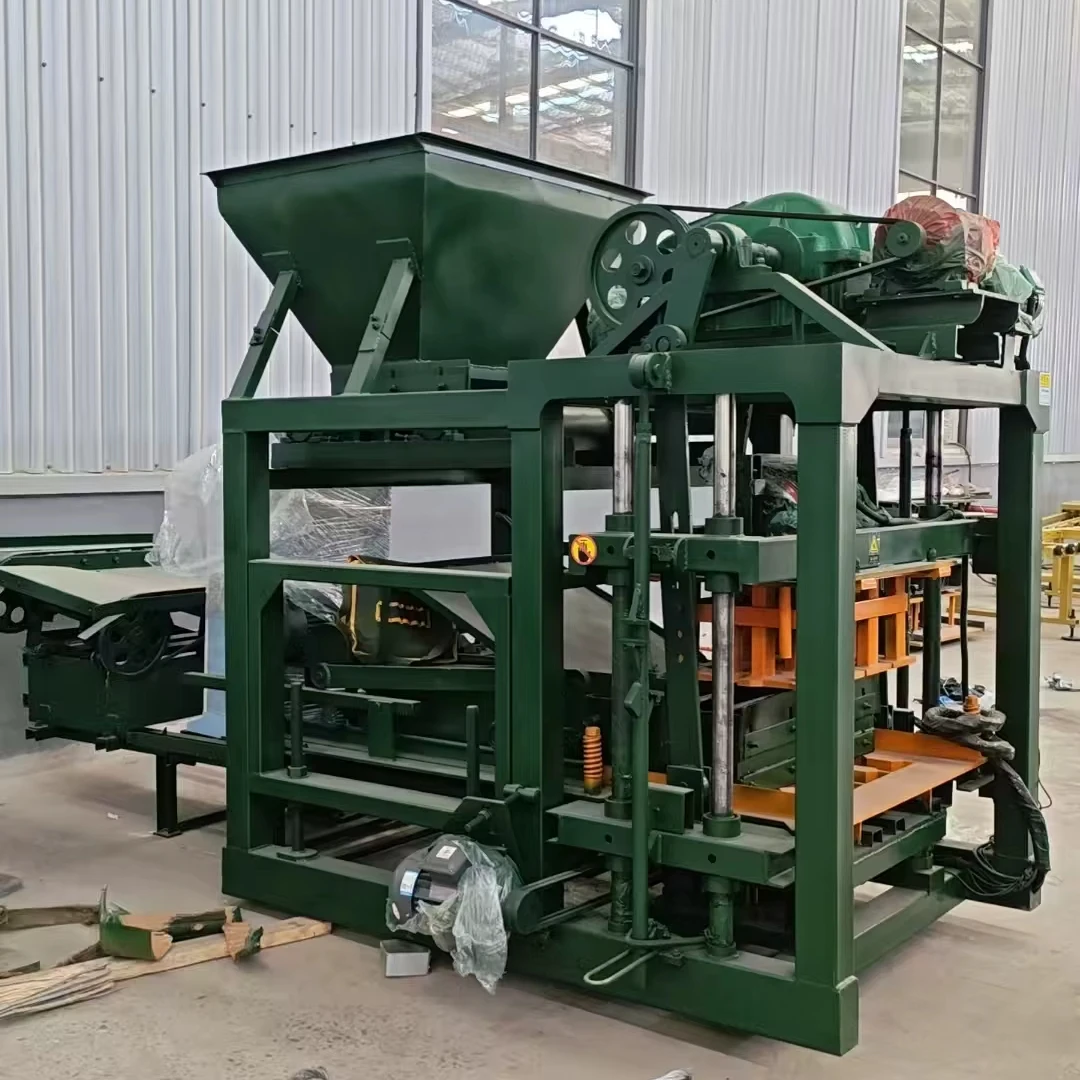
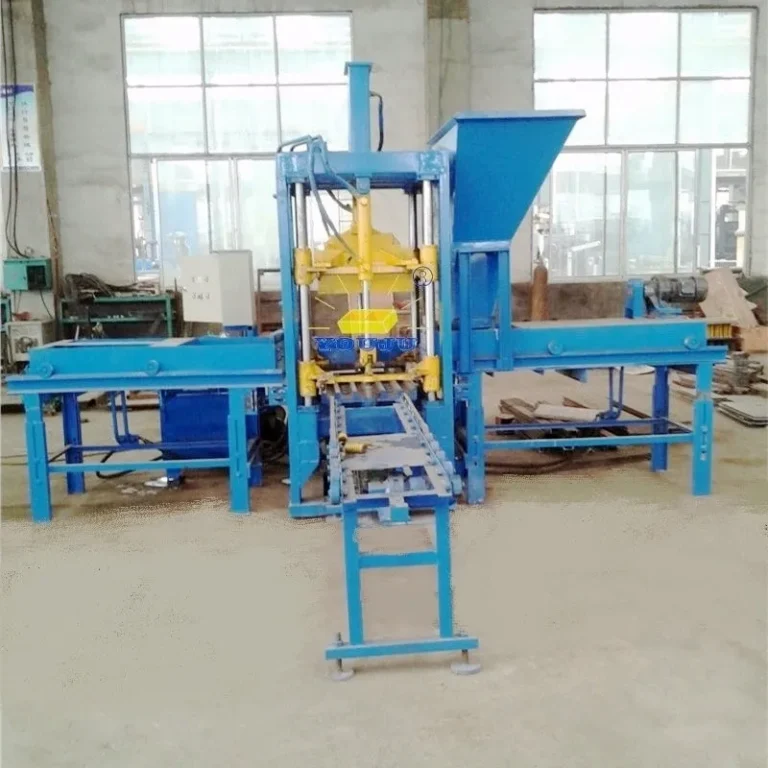 Stationary block machine